How to Do Squats Correctly (Plus Variations)
Learn how to do squats correctly with step-by-step instructions and explore different squat variations to build lower body strength and prevent injury.

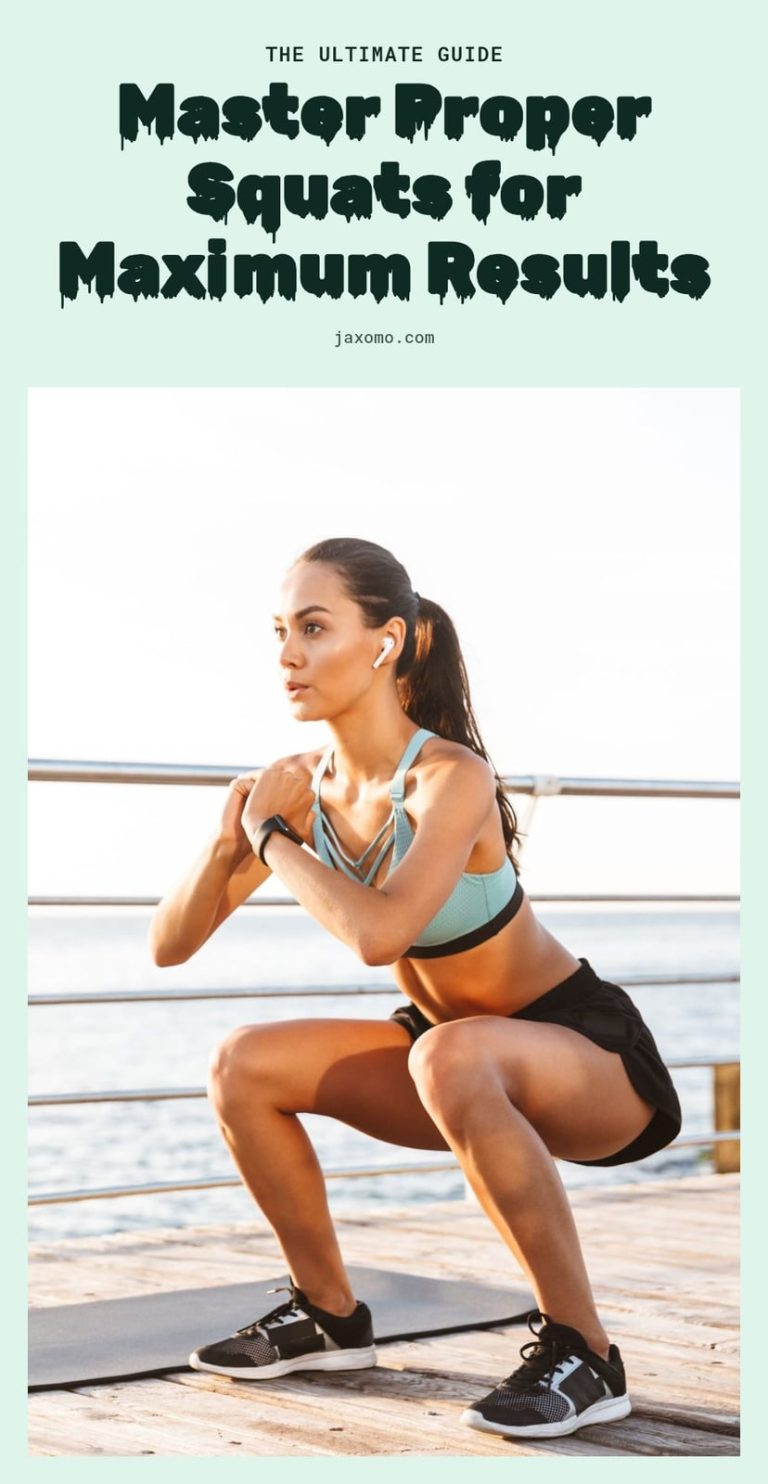
If you’re ready to build lower body strength, improve your mobility, and engage your core all at once, the squat is the move to master. This guide covers everything you need to know: proper form, common mistakes to avoid, and variations that keep your workouts challenging. I’ll also share tips on how often to squat and what gear can help, so you can squat safely and effectively.
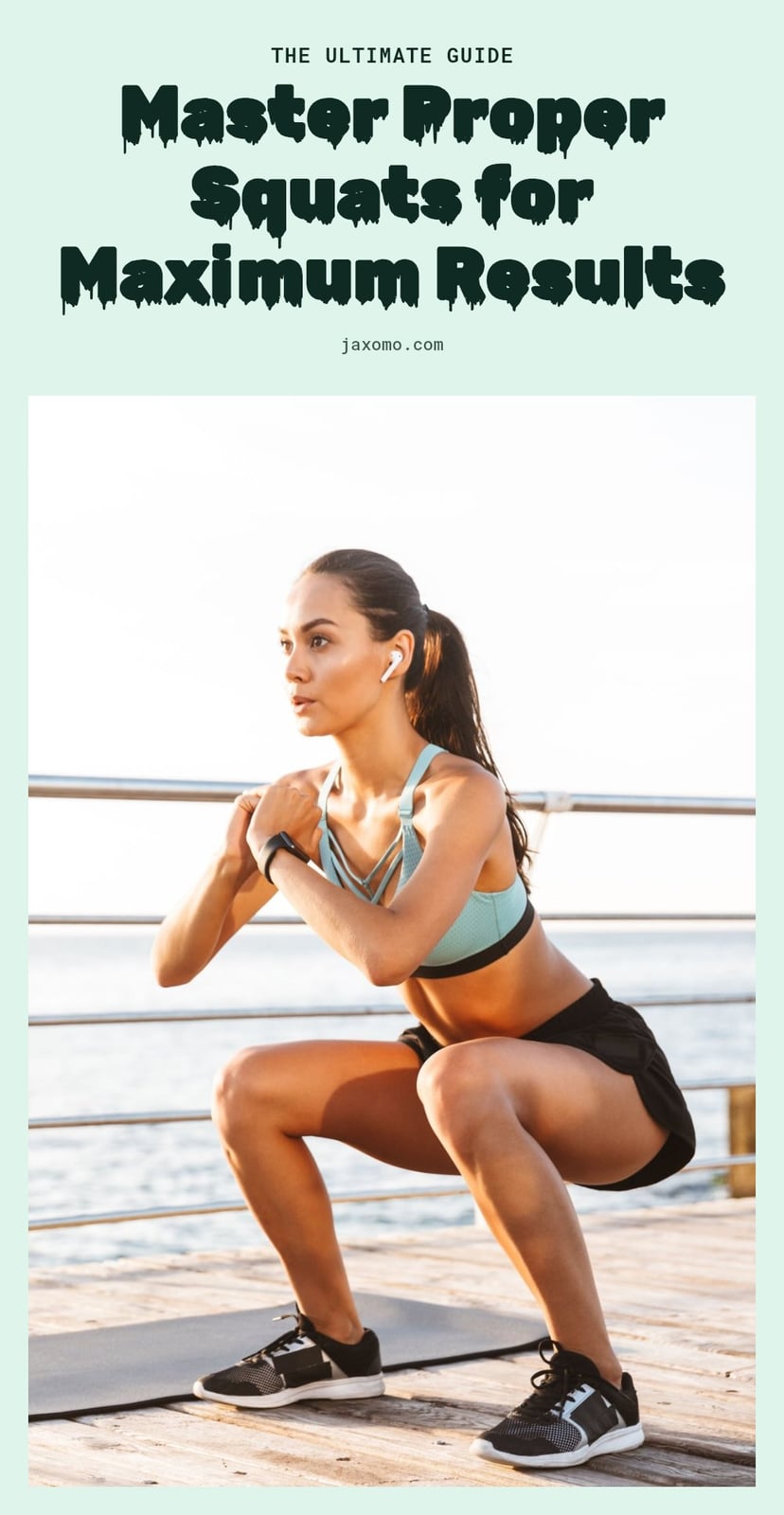
Key Takeaways
- Keep your chest lifted and back straight to protect your spine during every squat.
- Aim for thighs parallel to the floor or lower if your flexibility allows without rounding.
- Push through your heels on the way up to activate your glutes more.
- Start with bodyweight squats to master form before adding weight or variations.
- Incorporate squats 2-3 times per week for consistent strength gains.
What Are Squats and Why Are They So Good?
Squats are a foundational compound exercise that works multiple lower body and core muscles in one movement. They build strength, improve mobility, and engage key muscles like your quadriceps, hamstrings, and glutes. Proper form is crucial for maximizing benefits and preventing injury, so focus on keeping a neutral spine and controlling each rep. Start with bodyweight squats to master the pattern, then add weight as you progress. You will feel the burn in all the right places.
Essential Gear for Your Squat Workout
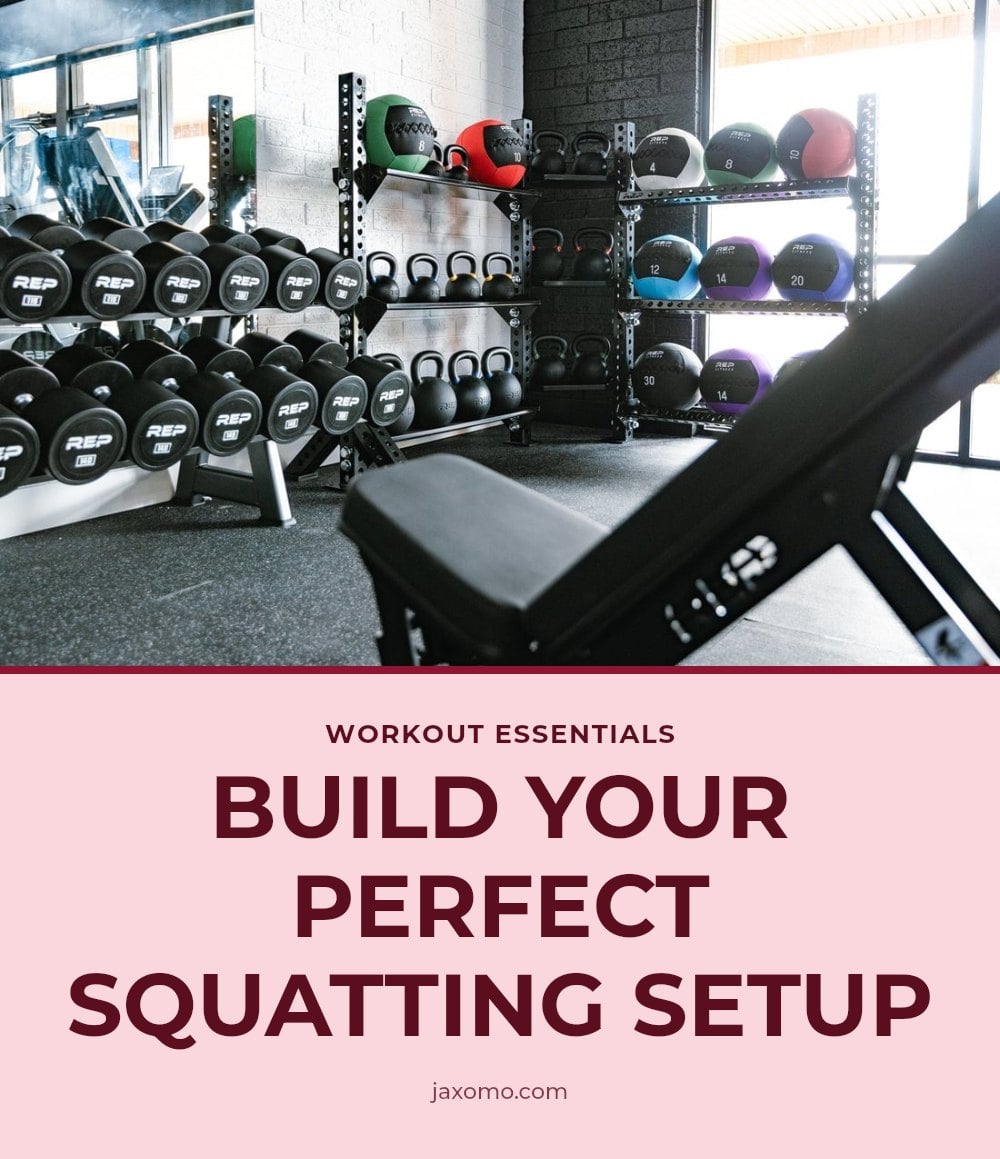
You do not need much to start squatting, but the right gear makes a difference.
- Comfortable athletic shoes: Look for flat, stable soles to keep your feet grounded.
- Dumbbells or kettlebells: Great for goblet squats, which help beginners learn proper form.
- Barbell and weight plates: Essential for heavier back and front squats as you progress.
- Squat rack or power cage: Use this for safety when lifting heavy barbells.
Start with just shoes and bodyweight, then add equipment as your strength grows.
Step-by-Step: Mastering the Bodyweight Squat
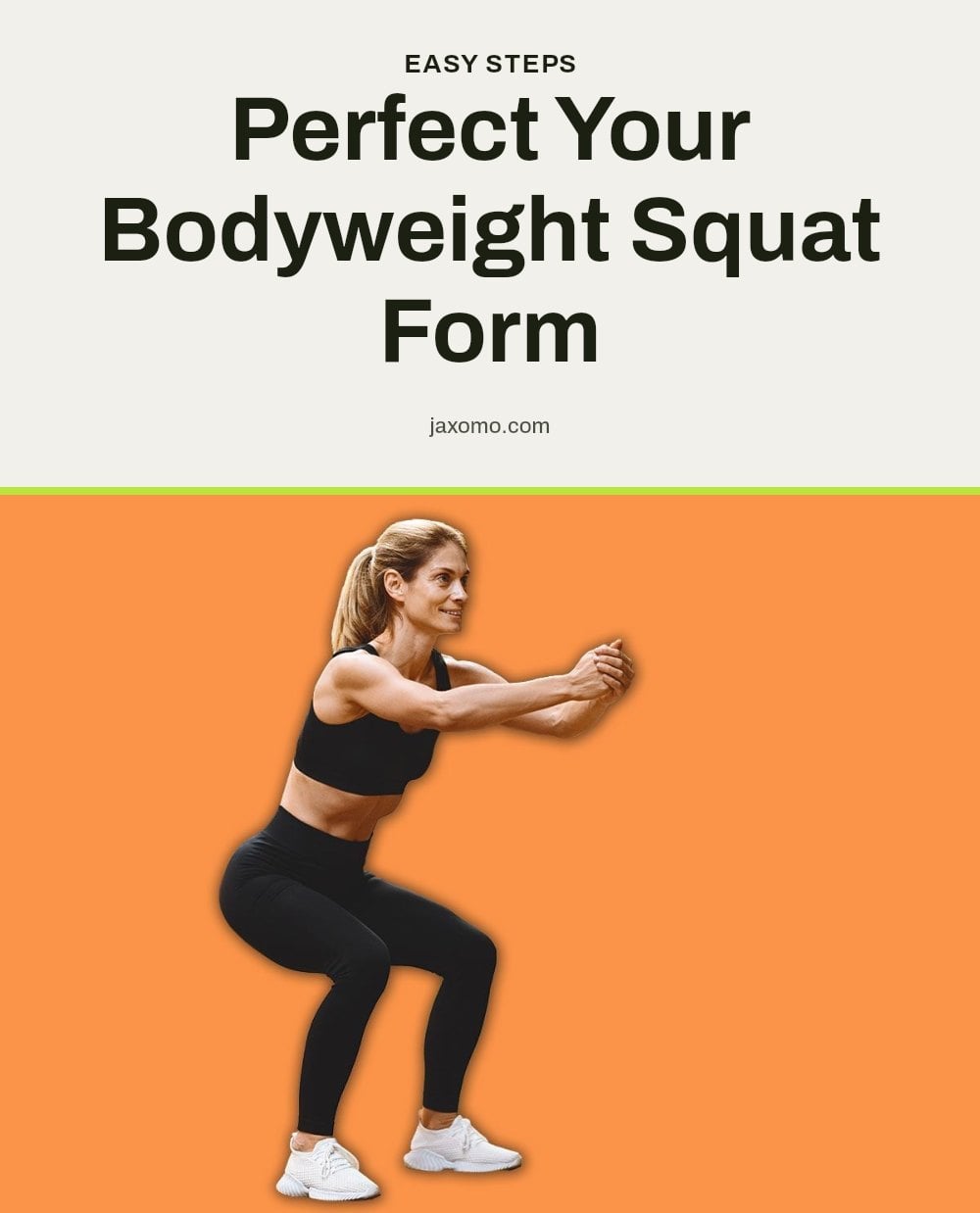
Mastering the bodyweight squat is all about controlled, deliberate movement. Follow these steps to build a solid foundation.
- Set your stance: Stand with your feet shoulder-width apart, toes slightly turned out. Keep your chest lifted and shoulders back.
- Engage your core: Brace your abs as if preparing for a light punch. This stabilizes your spine throughout the movement.
- Hinge at the hips: Initiate the squat by pushing your hips back, not bending your knees first. Think of sitting into a chair behind you.
- Lower with control: Descend until your thighs are parallel to the floor, or lower if your mobility allows. Keep your knees tracking in line with your toes, and avoid letting them collapse inward.
- Breathe: Inhale as you lower, then exhale as you push up. This rhythm helps maintain core tension.
- Drive through your heels: Push through your heels to return to standing, squeezing your glutes at the top.
My tip: Practice in front of a mirror or record yourself to check your form. If your heels lift or your back rounds, reduce your depth and focus on control.
Common Squat Mistakes and How to Fix Them
Even seasoned lifters make these mistakes. Here is how to spot and fix them.
- Rounding your back: Keep your chest up and shoulders back to maintain a neutral spine. If you catch yourself slumping, reset your stance.
- Not going deep enough: Aim for thighs parallel to the floor, or deeper if your mobility allows. A box or bench can help you gauge depth.
- Knees caving in: Actively push your knees outward to track over your toes. Imagine spreading the floor with your feet.
- Heels lifting: Keep your weight in your heels and think of “rooting” your feet into the ground. If your heels pop up, you may need to work on ankle mobility.
- Leaning too far forward: Focus on sitting back into your heels, not bending forward. Keep your torso as upright as possible.
My tip: If you notice multiple issues, slow down and do a few reps with just your bodyweight, concentrating on one fix at a time.
Squat Variations to Boost Your Workout
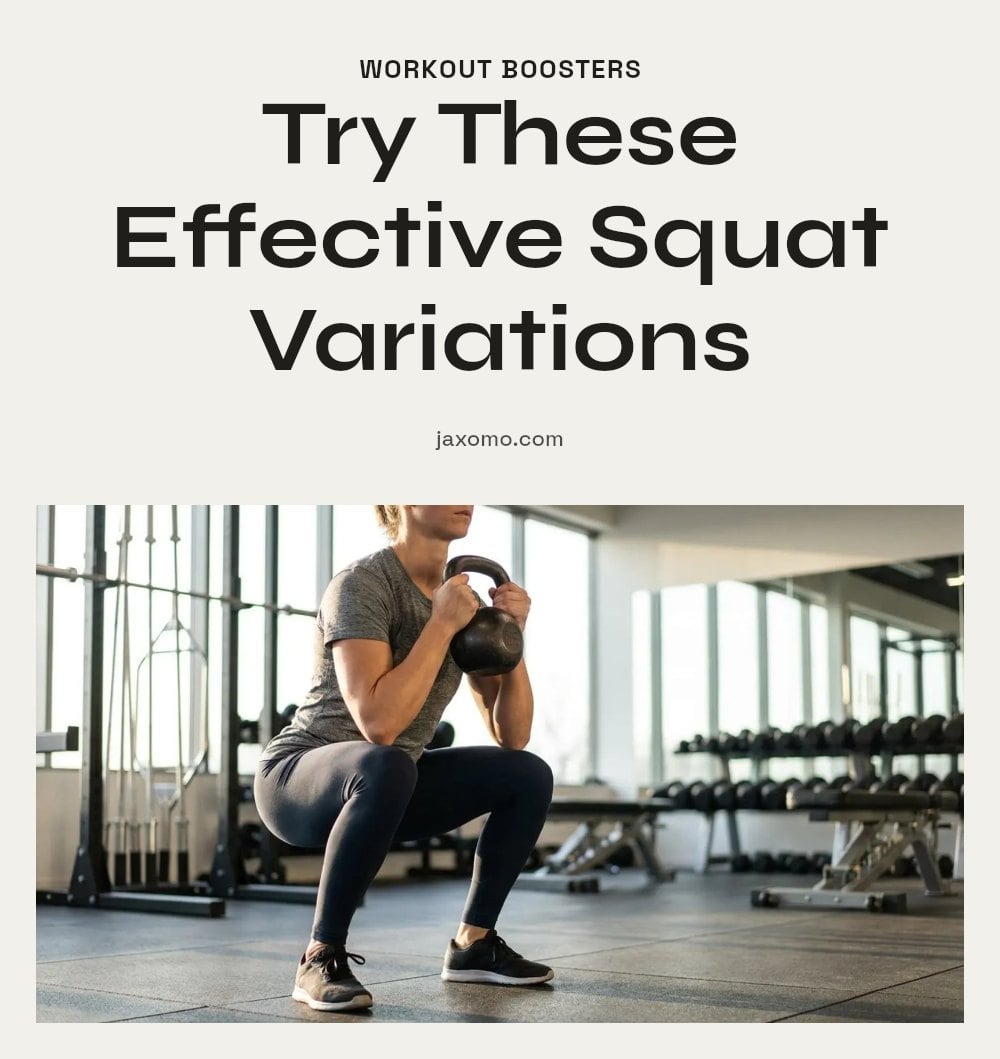
Squat Variations to Boost Your Workout
Once you have the bodyweight squat down, variations can keep your routine challenging and target different muscles. Start with bodyweight or goblet squats if you are new, then progress as your form improves.
Goblet squats: Hold a dumbbell or kettlebell vertically at your chest with both hands. Keep your elbows pointed down and your chest lifted. The weight in front helps you balance and naturally teaches you to sit back into your heels. This is a great first weighted squat for beginners.
Barbell back squats: Rest the bar across your upper back, not your neck, and grip it slightly wider than shoulder-width. Squat down with the same cues as bodyweight: chest up, knees tracking over toes. This is a classic for building overall lower body strength.
Barbell front squats: Hold the bar across the front of your shoulders, with your elbows high and pointing forward. This position shifts more load to your quadriceps and forces you to keep your torso upright. It requires good wrist and shoulder mobility; if that is a challenge, try crossing your arms over the bar instead.
Sumo squats: Take a wider stance with your toes pointed out more than a standard squat. Keep your chest up and push your knees out as you lower down. The wider stance shifts emphasis toward your inner thighs. Tip: If you feel your knees caving in, point your toes out slightly more and focus on pushing them outward throughout the movement.
Jump squats: From a squat position, explode upward, reaching full extension, then land softly and immediately lower into the next rep. This adds a plyometric element for power and a cardio boost. Caution: Land with soft knees and control the descent, and avoid jump squats if you have knee or joint concerns.
Pro Tips for a Stronger, Safer Squat
Warm up with dynamic moves like leg swings and bodyweight lunges for 5 to 10 minutes before squatting. Save static stretching for after your session, when muscles are warm. This routine reduces stiffness and preps your joints for the movement pattern.
Engage your core: Brace your abs as if preparing for a punch. This stabilizes your torso and protects your lower back throughout the squat. Hold that tension from start to finish.
Focus on depth: Aim for thighs at least parallel to the floor, but never sacrifice form to go lower. If your hips tuck or back rounds, stop at the depth you can control. My tip: record a set from the side with your phone. Watching the footage shows you what your body actually does, not what it feels like.
Control the movement: Take 2 to 3 seconds to lower, pause briefly, then drive up. Rushing the descent is where most form breaks happen. Listen to your body, if something feels off, back off the range or weight. Consistency matters more than intensity, so squat 2 to 3 times weekly and let your form improve over time.
How Often to Squat and What to Expect
Aim for 2-3 squat sessions per week as part of a balanced strength training routine. Consistency is what drives results, not intensity. Most people notice strength improvements within a few weeks to months when they stick with it.
Starting with bodyweight squats costs nothing. When you are ready to add weight, dumbbells or a barbell are a one-time purchase that lasts for years. A squat rack or power cage adds safety for heavier barbell work but is not necessary early on.
When to Consult a Professional About Squats
Before starting any new exercise program, especially if you have pre-existing joint issues, back pain, or other medical conditions, consult a healthcare professional or physical therapist. They can assess your individual needs and help you modify the squat to work safely for your body.
Stop immediately and seek advice if you feel sharp pain in your knees, back, or hips during squats. Dull muscle soreness is normal, but sharp pain is a sign to stop.
Consider working with a certified personal trainer if you struggle with form or want to advance safely with heavier weights. A trainer can spot errors you may miss and guide you on proper progression. My tip: Even one or two sessions focused on squat form can prevent months of bad habits.
Frequently Asked Questions
Can squats help with weight loss?
Squats can support weight loss as part of a balanced routine. They build muscle, which increases your resting metabolism, and they burn calories during the exercise. For best results, combine squats with a consistent strength training plan and a healthy diet.
What’s the difference between a goblet squat and a barbell squat?
A goblet squat uses a dumbbell or kettlebell held at your chest, which helps beginners learn proper squat mechanics and balance. A barbell squat places the weight on your back or front, allowing heavier loads but requiring more stability. Start with goblet squats to build form, then progress to barbell squats.
Do squats work abs?
Yes, squats engage your core muscles, including your abdominals and lower back, to stabilize your torso during the movement. While they are not a dedicated ab exercise, they do contribute to overall core strength when performed with proper form.
Can I do squats every day?
It is possible to squat daily with bodyweight or light loads, but most people benefit from 2-3 sessions per week to allow muscle recovery. If you squat every day, listen to your body and reduce intensity if you feel joint or muscle fatigue. Rest days help prevent overuse injuries.
How deep should my squat be?
Aim to lower your hips until your thighs are parallel to the floor, or even lower if your flexibility allows without rounding your back. Going deeper can increase glute activation and range of motion, but only if you can maintain a neutral spine. If you feel sharp pain, stop and adjust your depth.
Final Thoughts
Mastering the squat is about consistency and listening to your body. Start with bodyweight squats, focus on form, and gradually add variations or weight as you feel ready. With 2-3 sessions per week, you can expect noticeable strength improvements within a few weeks to months. Remember, controlled movement and proper alignment are your best tools for a safer, stronger squat.
This article provides general information about squat exercises and is not a substitute for professional medical or fitness advice. If you have pre-existing joint issues, back pain, or other medical conditions, consult a healthcare professional or physical therapist before starting any new exercise program. Stop immediately if you feel sharp pain.