11 Shaving Tips to Avoid Razor Bumps and Irritation
Master these 11 shaving tips to prevent razor bumps and irritation, ensuring a smooth, comfortable shave every time. Get expert advice for healthy skin.

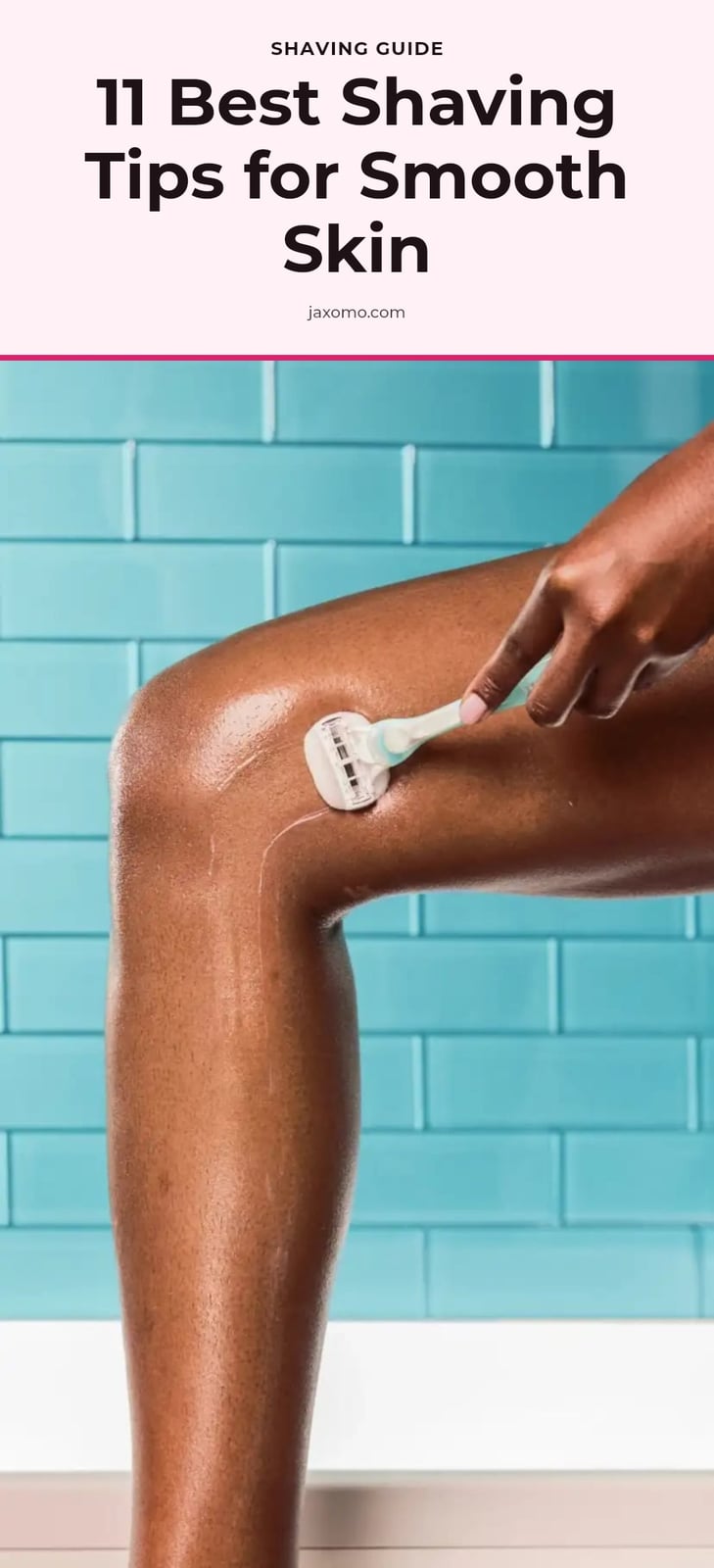
If you shave regularly, you’ve probably dealt with razor bumps, nicks, or irritation at some point. The good news is that a few simple adjustments to your routine can make a big difference. This article covers the essential steps, from prepping your skin to post-shave care, to help you get a smoother, more comfortable shave every time.
Key Takeaways
- Exfoliate before shaving to remove dead skin and lift hairs, reducing ingrown hairs.
- Soak skin in warm water for 2-3 minutes to soften hair and open pores.
- Always shave with the grain to minimize irritation, especially on sensitive skin.
- Replace your razor blade every 5 to 10 shaves for a clean, friction-free cut.
- Moisturize immediately after shaving with a fragrance-free, alcohol-free balm.
1. Exfoliate Before You Shave

Gently exfoliate your skin before you pick up a razor. This step removes dead skin cells and lifts hairs away from the surface, which helps prevent ingrown hairs and allows for a closer shave.
My tip: Use a gentle scrub or a soft brush in small circles. Focus on the area you plan to shave, but avoid harsh scrubbing that can irritate your skin.
2. Soak Skin in Warm Water

Spend 2-3 minutes soaking the area you plan to shave in warm water. Warm water softens the hair shaft and opens your pores, making the razor glide more easily and reducing irritation.
You can do this during a shower or by holding a warm, damp cloth against the skin. The extra minute makes a real difference in comfort.
3. Always Use a Sharp Razor
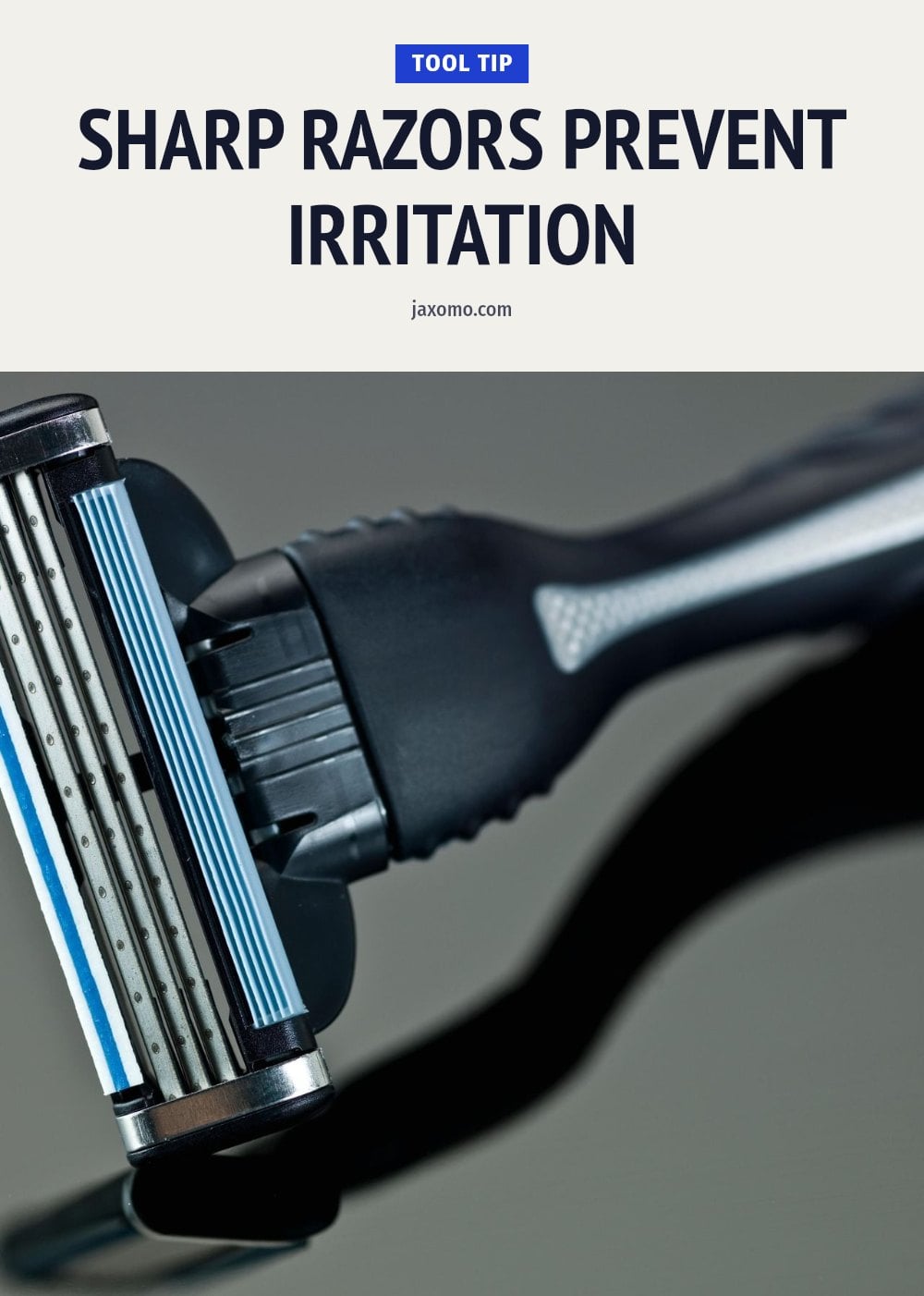
A sharp razor blade is non-negotiable for a smooth shave. Dull blades tug at hairs instead of cutting them cleanly, which causes irritation and raises the risk of nicks and razor burn.
Good to know: If your razor feels scratchy or pulls, it’s time to swap it out. As a general rule, replace your razor blade every 5 to 10 shaves. Fresh blades give you a closer, more comfortable result every time.
4. Apply Quality Shaving Cream

Apply a generous layer of shaving cream, gel, or oil to the area. This creates a protective barrier between your skin and the blade, helping the razor glide smoothly and preventing friction.
Don’t skimp on the product. A thin layer won’t provide enough slip, which can lead to drag and irritation. Lather it on for a comfortable shave.
5. Shave With the Grain
Shave in the direction your hair grows, which is called shaving with the grain. Run your hand over the area first to feel the direction. This method minimizes irritation and significantly reduces the chance of ingrown hairs, especially if you have sensitive skin.
- Check the grain: Hair on legs often grows downward, while underarm hair can grow in multiple directions.
- Short strokes: Shave in short, even strokes rather than long sweeps for better control.
- Limit against the grain: Shaving against the grain can give a closer feel, but it increases irritation and ingrown hairs, so avoid it if possible, especially on sensitive skin.
6. Use Light, Gentle Strokes

Let the razor do the work. Light, gentle strokes prevent nicks, cuts, and unnecessary skin irritation. Pressing harder does not give you a closer shave; it only increases friction and the risk of razor burn.
- Hold lightly: Grip the razor handle loosely, not in a death grip.
- Short passes: Use 1-2 inch strokes and let the blade weight guide the pressure.
- Re-lather: If the razor drags, add more shaving cream instead of pressing down.
7. Rinse Your Razor Frequently
Rinse your razor blade often under warm water while you shave. This clears away trapped hair and shaving cream that clog the blade. A clean blade cuts smoothly and stays effective for the entire shave.
- After every stroke: Dip the razor in warm water and shake it gently.
- Check the gap: Look between blades for stuck hairs and rinse them out.
- Don’t tap hard: Tap the razor against the sink edge lightly to avoid damaging the blade.
8. Rinse With Cool Water Post-Shave
When you finish shaving, rinse your skin with cool water. Cool water helps close your pores and soothes the skin, which reduces redness and irritation. It also washes away any leftover shaving cream or hair.
- Pat dry: Use a clean towel and pat your skin dry instead of rubbing.
- Cool not cold: Use cool tap water, not ice water, to avoid shocking the skin.
- Follow with moisturizer: Cool water preps the skin for the next step without stripping natural oils.
9. Moisturize Immediately After

Right after you rinse with cool water, apply a fragrance-free, alcohol-free moisturizer or aftershave balm. This hydrates the skin and calms any redness or irritation. Tip: Look for ingredients like aloe vera or glycerin, which lock in moisture without stinging.
10. Replace Blades Regularly
Replace your razor blades every 5 to 10 shaves, or sooner if the blade feels dull or scratchy against your skin. A fresh blade cuts cleanly with less friction, which drastically reduces irritation and razor burn. Caution: A rusty or damaged blade should be discarded immediately to avoid infection.
11. Store Your Razor Properly
After shaving, rinse your razor thoroughly under hot water, then shake off excess moisture and store it in a dry place, like a cup or holder outside the shower. A damp, enclosed environment promotes bacterial growth and dulls the blade faster. Keeping it dry prolongs the life of your razor and protects your skin.
Common Shaving Mistakes to Avoid
Dry Shaving: Never shave on dry skin or without adequate lubrication. This is a fast track to razor burn and nicks. Always use warm water and shaving cream. Pressing Too Hard: Applying excessive pressure with your razor does not get you a closer shave. It only increases irritation and cuts. Let the razor glide with light strokes. Skipping Exfoliation: Neglecting to exfoliate before shaving means you are not lifting hairs or removing dead skin cells, which leads to ingrown hairs. Exfoliate gently before you start. Ignoring Post-Shave Care: Skipping moisturizing after shaving leaves your skin vulnerable to dryness and irritation. Apply a fragrance-free moisturizer immediately after rinsing.
Frequently Asked Questions
How often should I replace my razor blade?
Replace your razor blade every 5 to 10 shaves, or sooner if it feels dull or scratchy. A fresh blade cuts cleanly and reduces friction, which helps prevent irritation and razor burn.
Can I shave against the grain?
Shaving against the grain can give a closer shave, but it also increases the risk of irritation and ingrown hairs, especially if you have sensitive skin. It’s best to shave with the grain first and only go against the grain if your skin tolerates it.
What causes razor bumps and how can I prevent them?
Razor bumps occur when hair curls back into the skin after shaving, often from shaving too close or against the grain. To prevent them, exfoliate before shaving, use a sharp blade, shave with the grain, and moisturize afterward.
Is it better to shave in the shower or bath?
Both work well as long as you soak your skin in warm water for 2-3 minutes first. The shower is convenient because the steam and water help soften hair, while a bath can also relax the skin. Just ensure you have good lighting and a stable surface.
What’s the best way to store a razor?
Store your razor in a dry place, like a cup or holder outside the shower, after rinsing it thoroughly and shaking off excess moisture. A damp environment promotes bacterial growth and dulls the blade faster.
Final Thoughts
For the best results, stick with shaving with the grain and using a sharp blade. Expect to see less redness and fewer bumps after just a few shaves if you follow these steps consistently. A little prep and aftercare go a long way toward keeping your skin smooth and happy.
This information is for general informational purposes only and is not a substitute for professional medical advice. If you have persistent skin irritation, severe razor bumps, or signs of infection, consult a dermatologist or healthcare provider.