Quick Upper Body Dumbbell Workout for Strength and Definition
Transform your upper body with this quick dumbbell workout. Learn proper form, target all major muscle groups, and build strength and definition at home.

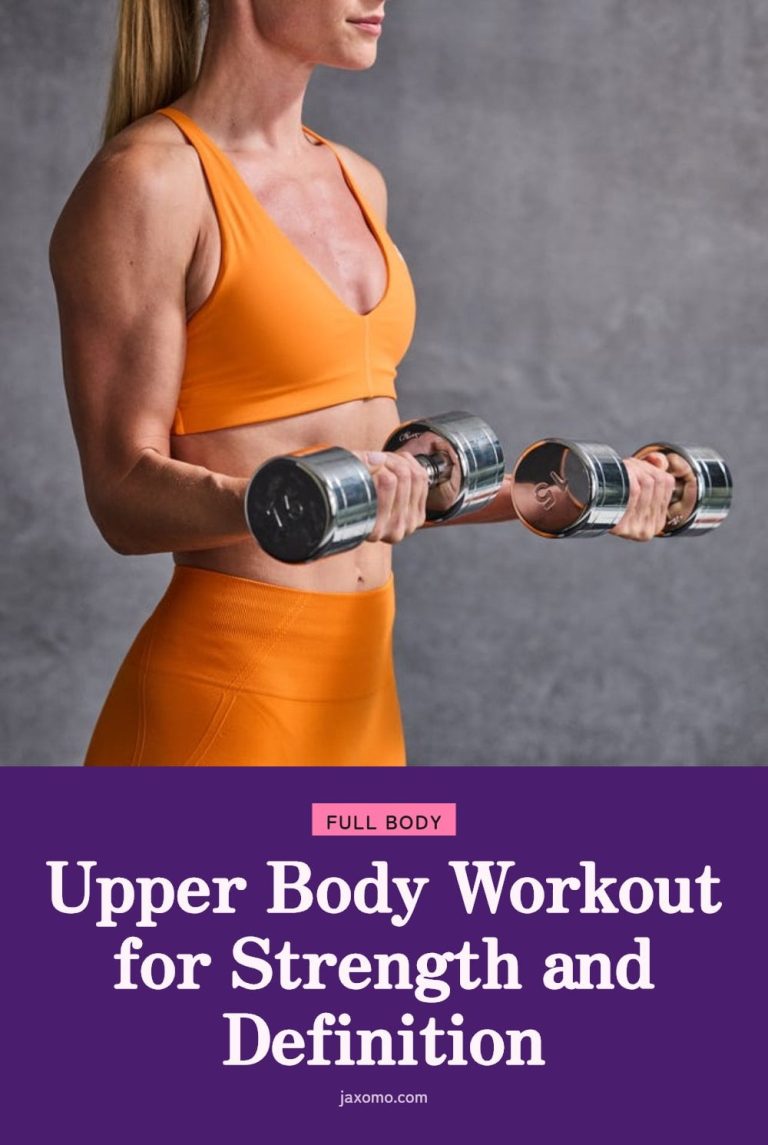
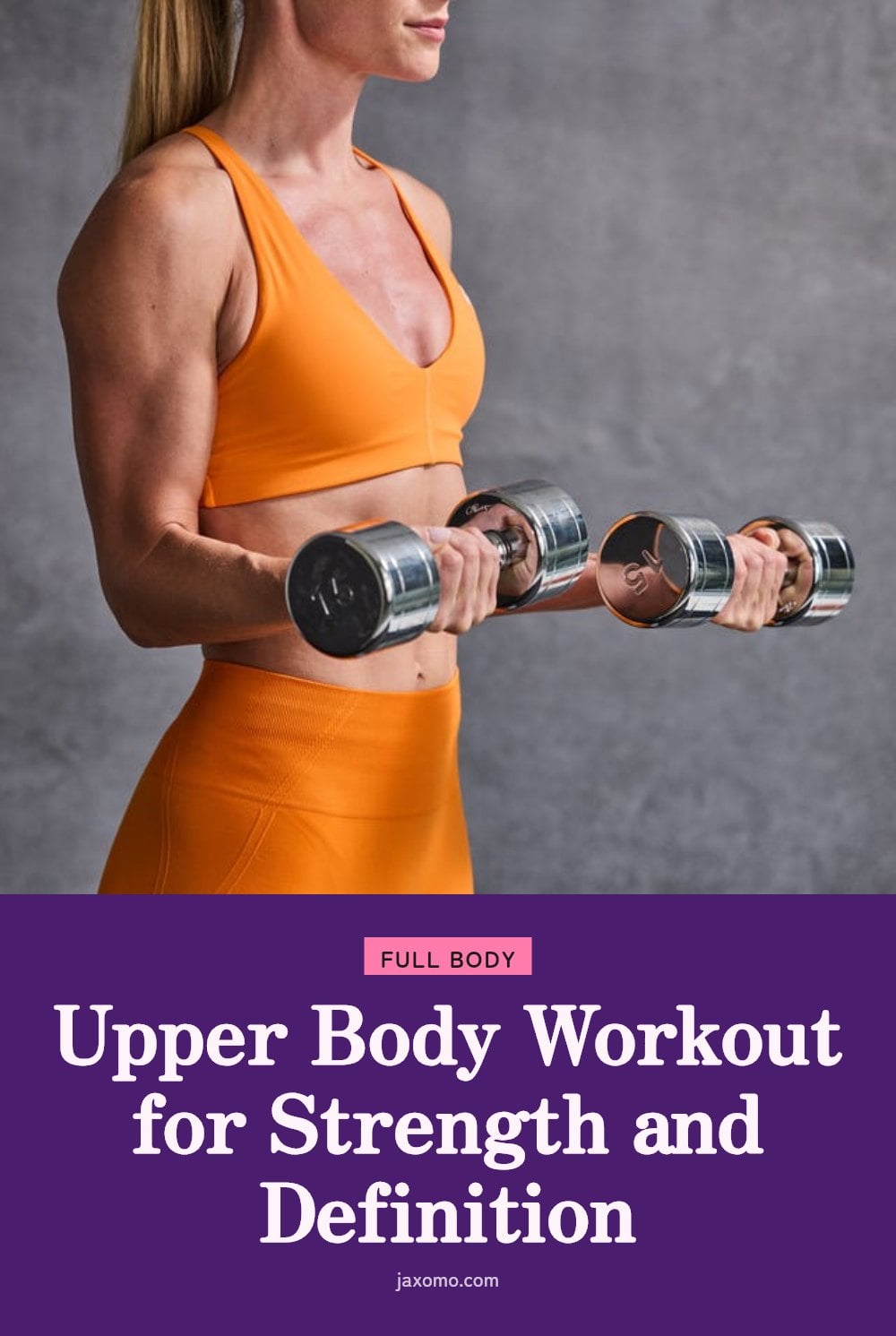
You don’t need a gym full of machines to build a strong, defined upper body. With just a pair of dumbbells, you can target your chest, back, shoulders, biceps, and triceps right at home. This article walks you through a quick, effective dumbbell workout, including warm-up and cool-down moves, plus tips on form, weight selection, and scheduling. Whether you’re a beginner or looking to switch up your routine, these exercises can help you get stronger and more toned.
Key Takeaways
- Aim for 2-3 upper body workouts per week on non-consecutive days for recovery.
- Choose a dumbbell weight that challenges you but allows good form for all reps.
- Include compound moves like rows and presses to work multiple muscles at once.
- Rest 60-90 seconds between sets for strength and hypertrophy gains.
- Warm up with arm circles and cool down with stretches to reduce injury risk.
Your Go-To Quick Upper Body Dumbbell Workout
This quick upper body dumbbell workout hits your chest, back, shoulders, biceps, and triceps with just a pair of dumbbells. It relies on compound movements like presses and rows to activate multiple muscle groups at once, making your time count. You’ll need dumbbells and a stable chair or bench for a few exercises, so set those up before you start.
1. Warm-Up: Arm Circles
Stand with your feet shoulder-width apart and arms extended straight out to your sides. Make small forward circles for 30 seconds, then reverse for 30 seconds, gradually increasing the circle size.
- Time: 30 seconds forward, 30 seconds backward
- Form cue: Keep your shoulders relaxed and down, not hunched up toward your ears
- Make it easier or harder: Smaller circles are easier; larger arcs increase the challenge
My tip: Focus on controlled movements to gently warm up your shoulder joints.
2. Dumbbell Bench Press
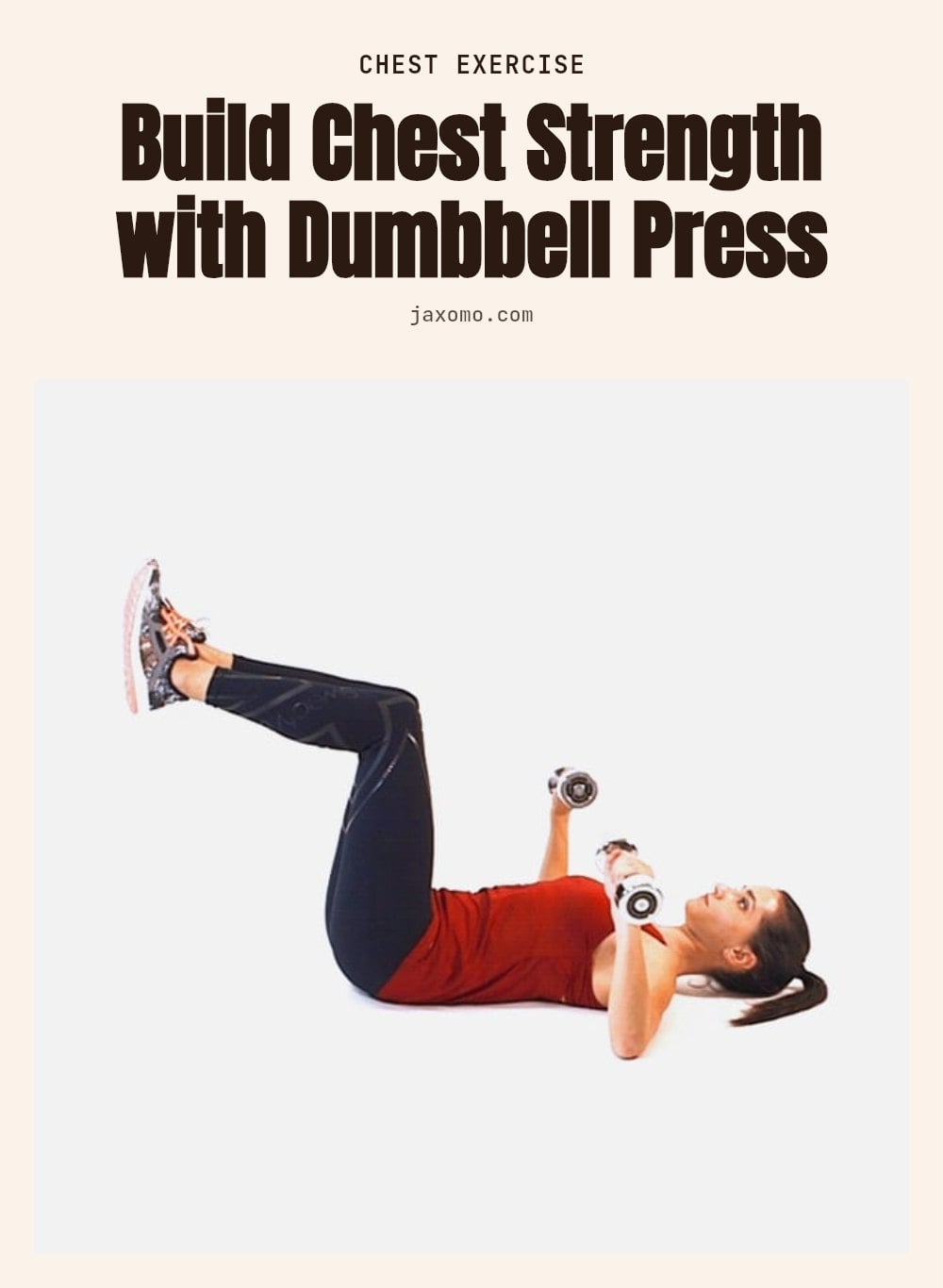
Lie on a bench or the floor with a dumbbell in each hand, palms facing each other, arms extended over your chest. Slowly lower the dumbbells to the sides of your chest until you feel a stretch, then press them back up to the starting position.
- Sets and reps: 3 sets of 8-12 repetitions
- Form cue: Keep your core engaged and lower back pressed into the bench or floor throughout
- Make it easier or harder: Use lighter dumbbells or perform on the floor for less range of motion; increase weight for more challenge
3. Dumbbell Bent-Over Row
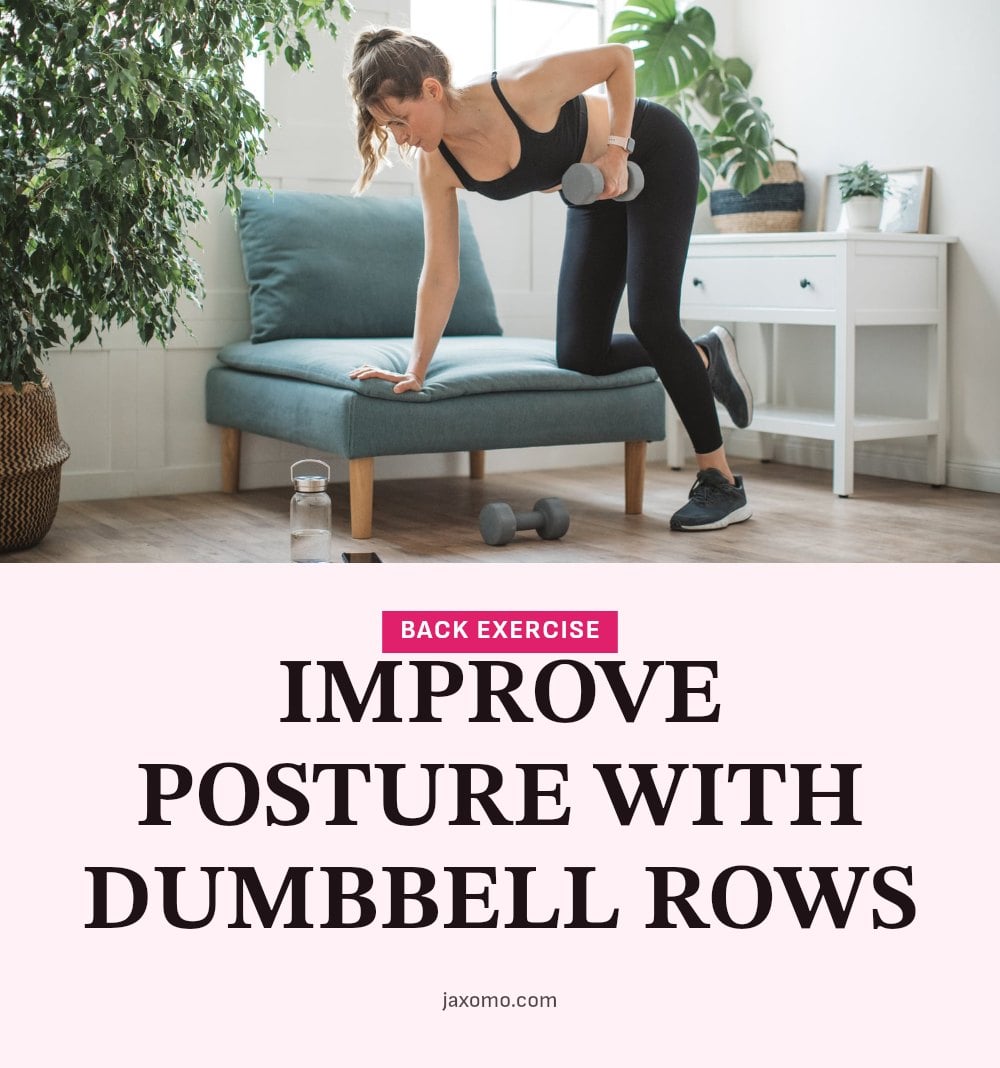
Hold a dumbbell in each hand, hinge at your hips with a slight bend in your knees, keeping your back straight and core tight. Let the dumbbells hang toward the floor, then pull them up toward your chest, squeezing your shoulder blades together at the top.
- Sets and reps: 3 sets of 8-12 repetitions
- Form cue: Avoid rounding your back; maintain a flat spine throughout the movement
- Make it easier or harder: Reduce the weight or bend your knees more to shorten the range; increase weight for more resistance
4. Dumbbell Overhead Press
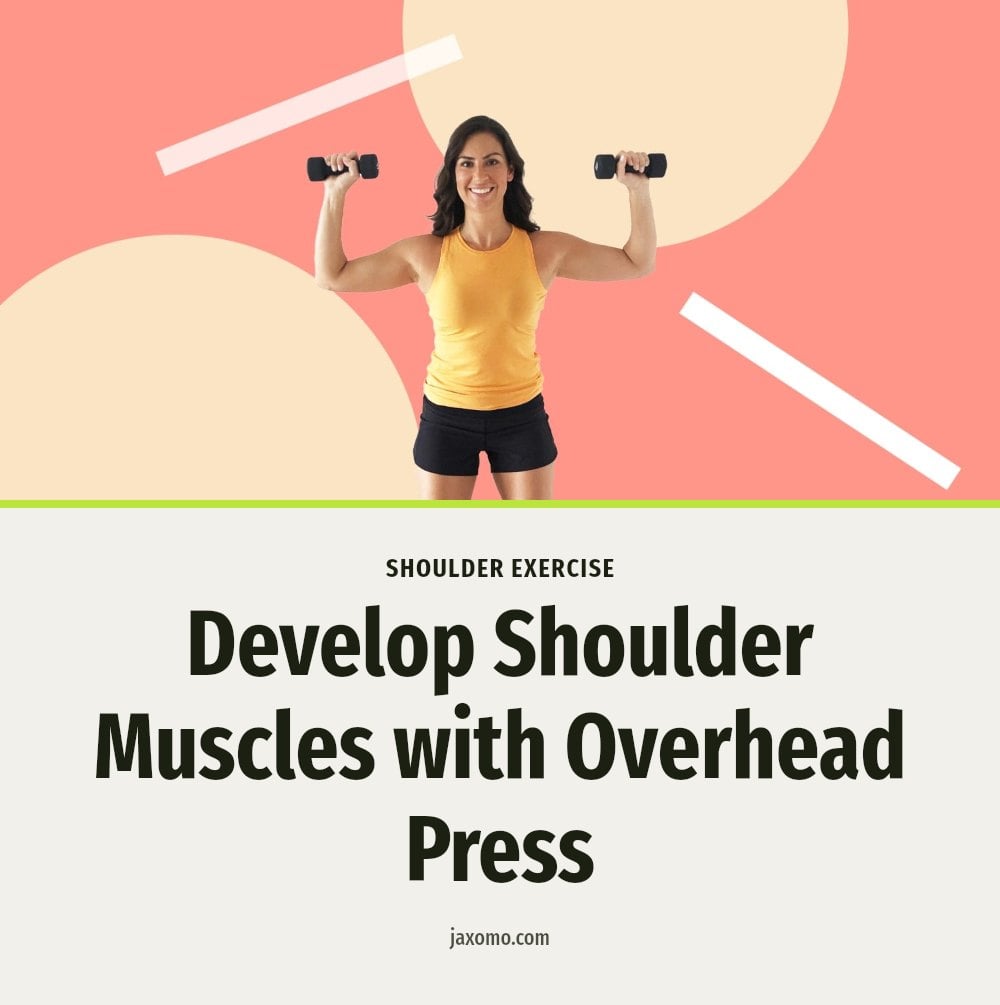
Stand or sit with a dumbbell in each hand at shoulder height, palms facing forward. Press the dumbbells straight up overhead until your arms are fully extended, then slowly lower them back to the starting position.
- Sets and reps: 3 sets of 8-12 repetitions.
- Form cue: Brace your core to protect your lower back and prevent arching.
- Make it easier or harder: Use lighter weights or perform seated for more stability; go heavier standing for more core challenge.
5. Dumbbell Bicep Curl
Stand tall with a dumbbell in each hand, palms facing forward, arms extended by your sides. Keeping your elbows tucked close to your body, curl the dumbbells up toward your shoulders, squeezing your biceps at the top.
- Sets and reps: 3 sets of 10-15 repetitions.
- Form cue: Control the movement on the way down; don’t let gravity do all the work.
- Make it easier or harder: Reduce weight for better control or add a pause at the top for more tension.
6. Dumbbell Tricep Extension (Overhead)
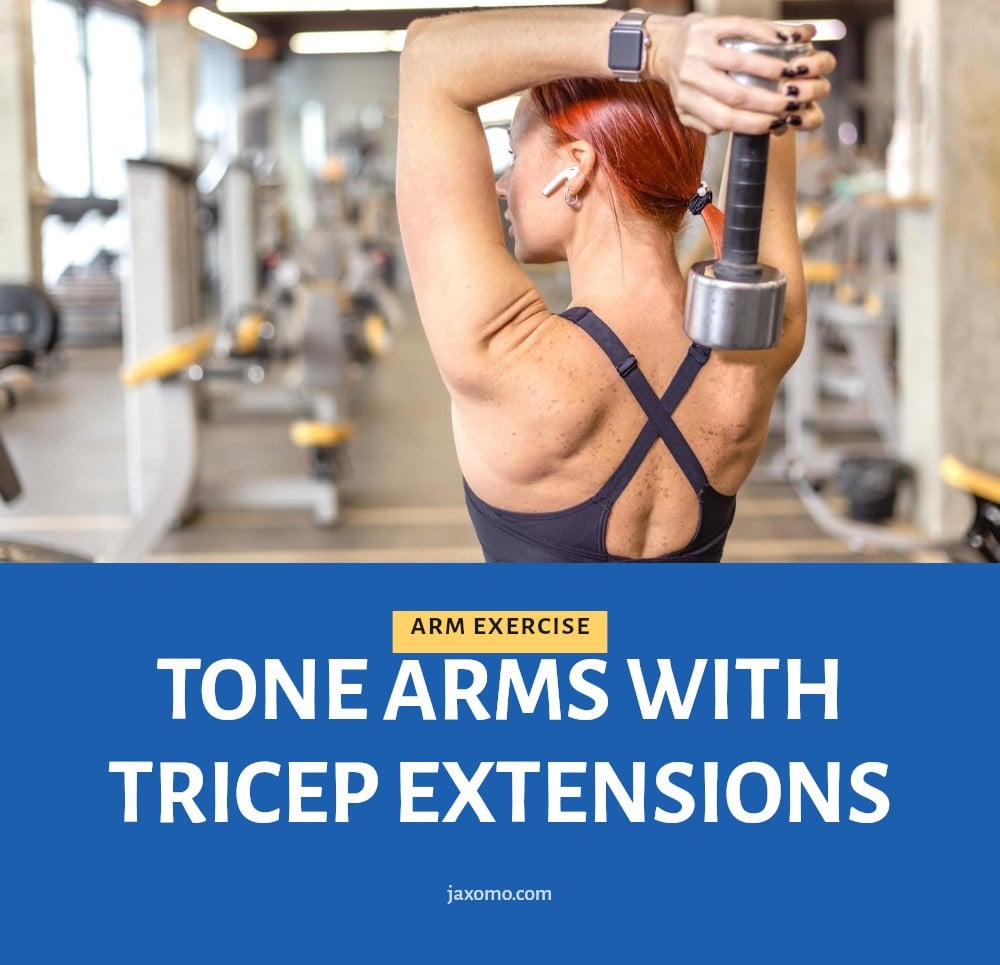
Hold one dumbbell with both hands, extending it overhead while standing or sitting. Keeping your elbows close to your head, slowly lower the dumbbell behind you by bending your elbows, then extend your arms back up.
- Sets and reps: 3 sets of 10-15 repetitions.
- Form cue: Focus on isolating the triceps; keep your upper arms stationary.
- Make it easier or harder: Use a lighter dumbbell for better control or increase weight for more resistance.
7. Dumbbell Lateral Raise
Stand with a dumbbell in each hand, palms facing your body, arms at your sides. Keeping a slight bend in your elbows, raise the dumbbells out to the sides until your arms are parallel to the floor, forming a ‘T’ shape, then lower slowly with control.
- Sets and reps: 3 sets of 10-15 repetitions.
- Form cue: Avoid shrugging your shoulders; focus on using your side deltoids.
- Make it easier or harder: Use lighter weights to maintain form or add a pause at the top for extra engagement.
8. Cool-Down: Cross-Body Arm Stretch
Gently pull one arm across your chest with the opposite hand, feeling a stretch in your shoulder. Hold for 20-30 seconds, then switch arms.
- Time: 20-30 seconds per side, 2-3 rounds.
- Form cue: Keep your shoulders relaxed and your hips facing forward.
- Make it easier or harder: Pull closer for a deeper stretch or use a doorway for support.
This stretch improves flexibility and aids muscle recovery after your workout.
What You’ll Need for Your Upper Body Workout
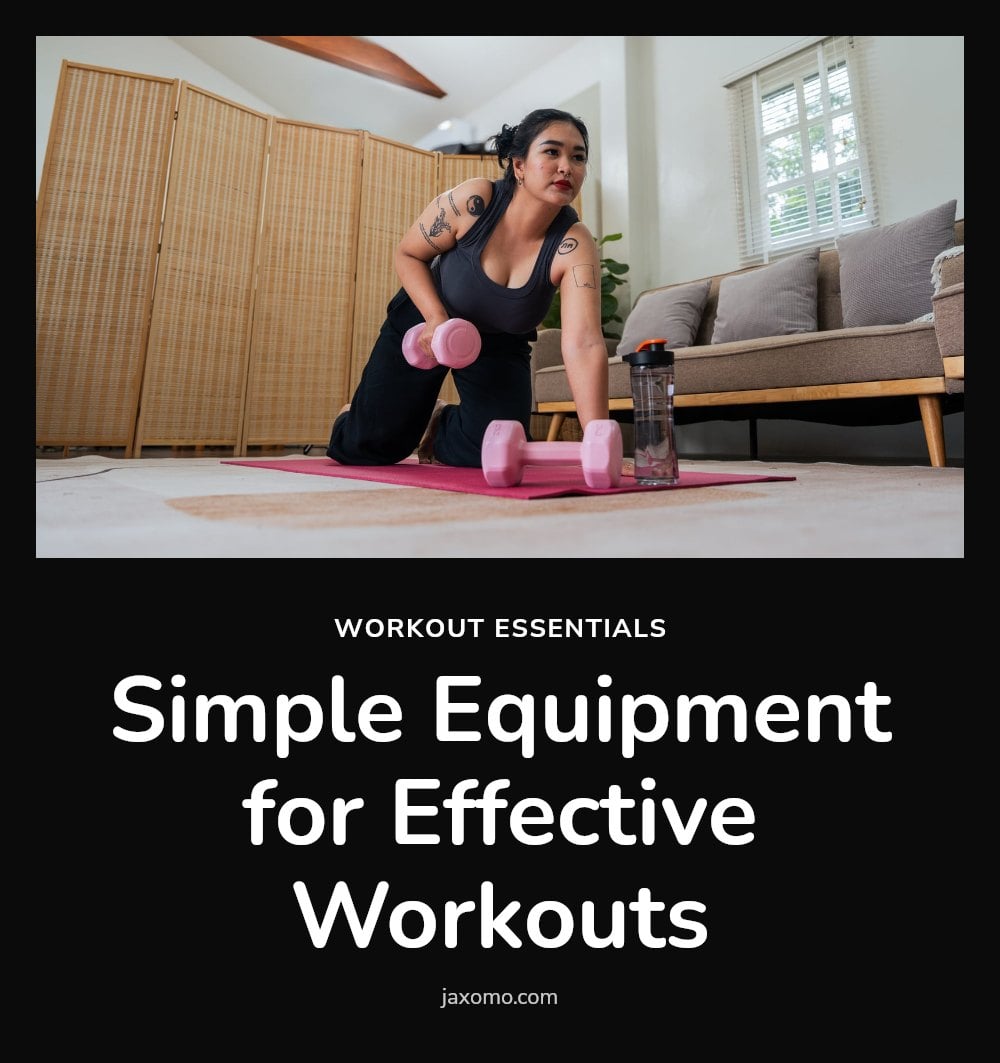
Here is the gear that makes this workout smooth and safe.
- Dumbbells: A set of light to medium weights is ideal for beginners. Choose a weight that lets you finish the target reps with good form but still feels challenging by the last rep.
- Workout bench or stable chair: Essential for exercises like the dumbbell bench press and bent-over rows.
- Yoga mat (optional): Adds comfort for floor exercises.
- Water bottle: Stay hydrated before, during, and after your session.
Your Weekly Upper Body Workout Schedule
Consistency is key for seeing results, so aim for 2-3 upper body workouts per week on non-consecutive days. This gives your muscles time to recover and grow.
| Day | Activity |
|---|---|
| Monday | Upper body workout |
| Tuesday | Rest or light cardio |
| Wednesday | Upper body workout |
| Thursday | Rest or light cardio |
| Friday | Upper body workout |
| Saturday | Rest or active recovery |
| Sunday | Rest |
Ensure at least one rest day between upper body sessions to allow for muscle recovery and growth. Listen to your body and adjust the schedule if you feel overly sore or fatigued.
Frequently Asked Questions
How often should I do upper body workouts?
For most people, 2-3 times per week on non-consecutive days works well. This schedule gives your muscles time to recover and grow, which is essential for progress. If you’re just starting out, begin with two sessions and add a third once you feel comfortable.
Can I build muscle using only dumbbells?
Yes, dumbbells are highly effective for building muscle. They allow a greater range of motion than barbells, which can improve muscle activation. By gradually increasing the weight or reps over time, you can continue to challenge your muscles and see growth.
What if I don’t have a workout bench?
You can do floor presses instead of bench presses, or use a stable chair for seated exercises. The key is to keep your back supported and maintain proper form. A yoga mat can add comfort for floor work.
How do I know what weight dumbbells to use?
Choose a weight that lets you complete the target reps with good form but still feels challenging by the last rep. If you can easily do more reps than the target, it’s too light. If you can’t finish the set with control, it’s too heavy.
Is it okay to do upper body workouts every day?
Working the same muscles every day isn’t recommended, as they need time to repair and grow. Daily training can lead to overtraining and injury. Stick to 2-3 sessions per week, and use rest days for recovery or light cardio.
Final Thoughts
For best results, stick with this routine 2-3 times a week, and don’t skip your rest days. Pick a dumbbell weight that lets you finish each set with control but still feels tough by the last rep. With consistent effort, you may notice strength gains in about 4-6 weeks, though visible muscle changes take longer. Listen to your body, and if something hurts, stop and check your form or talk to a professional.
This article is for general information only and is not a substitute for professional medical or fitness advice. Before starting any new exercise program, especially if you have health conditions or injuries, consult a healthcare professional. Stop exercising if you feel sharp pain and seek medical guidance when needed.