How to Be Happy: Cultivate Joy with Daily Practices
Learn how to be happy by incorporating simple daily habits into your routine for greater life satisfaction and emotional well-being.


You don’t have to wait for a big life change to feel happier. Small, consistent daily habits, like practicing gratitude, staying connected, and moving your body, can genuinely shift your outlook over time. This article walks through practical strategies you can start today to cultivate more joy and contentment in your everyday life.

Key Takeaways
- Start a gratitude journal and write down at least three things you’re thankful for each day.
- Aim for 20-30 minutes of moderate physical activity on most days of the week.
- Get 7-9 hours of sleep nightly to support mood and overall well-being.
- Spend 10-15 minutes outdoors without your phone to reduce stress and boost mood.
- Practice self-compassion by treating yourself with the same kindness you’d offer a friend.
Cultivating Happiness Through Daily Practices
Happiness isn’t a constant state; it’s a collection of positive emotions and contentment you can cultivate through intentional practices. Small, consistent daily habits make a big difference in your outlook and life satisfaction. Focus on gratitude, strong relationships, meaningful activities, and your physical and mental health. These simple actions can help you build a happier, more fulfilling life.
1. Practice Daily Gratitude

Keeping a gratitude journal or expressing thanks to others can increase feelings of happiness and reduce negative emotions. It shifts your focus to what’s going well, which can brighten your perspective.
- My tip: Start by writing down at least three specific things you’re grateful for each day, no matter how small. It could be a good cup of coffee, a kind word from a coworker, or a sunny morning. The act of writing them down makes the gratitude more tangible.
2. Connect with Loved Ones

Strong social connections and meaningful relationships are consistently linked to higher happiness and even a longer lifespan. We’re wired for connection, so nurturing these bonds is a powerful mood booster.
Reach out to a friend or family member just to connect, without a specific agenda. A simple text or call can make a big difference. It reminds you that you’re not alone and strengthens your support network.
3. Move Your Body Regularly

Regular physical activity, even moderate exercise, can significantly improve mood and reduce symptoms of depression and anxiety. It releases endorphins and helps clear your mind.
Incorporate at least 20-30 minutes of moderate activity into most days. My tip: A brisk walk counts. You don’t need a gym membership; just get moving in a way that feels good. Your body and brain will thank you.
4. Practice Mindfulness and Meditation
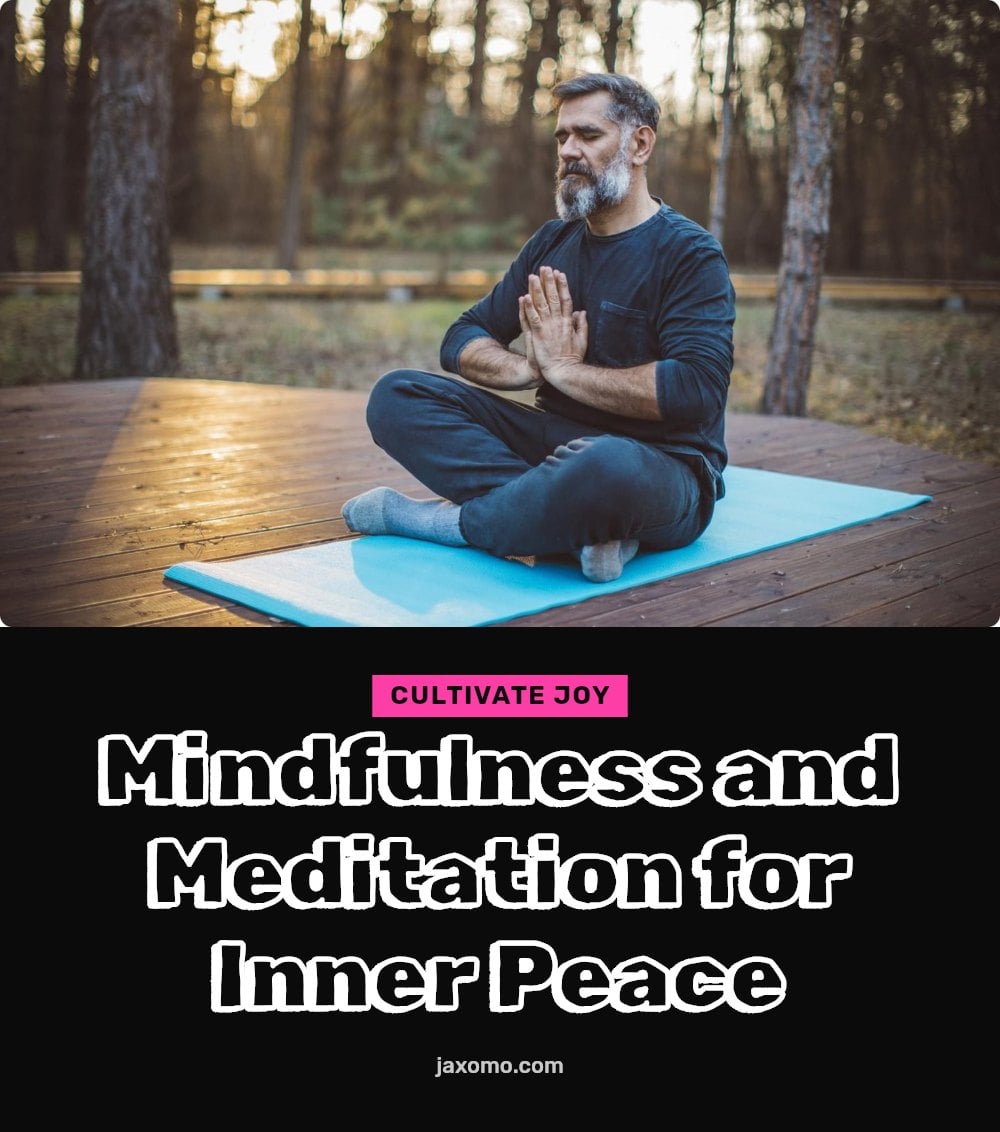
Mindfulness and meditation can help reduce stress, improve emotional regulation, and increase overall well-being. Dedicate a few minutes daily to mindful breathing or a short guided meditation. There are great apps for this.
Tip: Start with just two minutes of focusing on your breath. It is a small investment that can calm your nervous system.
5. Prioritize Quality Sleep

Getting adequate sleep is crucial for mood regulation, cognitive function, and overall happiness. Most adults need 7-9 hours nightly. Prioritize getting that amount each night.
Good to know: Create a consistent bedtime routine to help you wind down. Dim lights and avoid screens 30 minutes before bed.
6. Spend Time in Nature

Spending time in nature reduces stress, improves mood, and increases feelings of vitality. Even a short walk in a park can make a difference. Let the fresh air and natural beauty refresh you.
Tip: Aim for 10-15 minutes outdoors without your phone. Pay attention to the sounds and sights around you.
7. Perform Acts of Kindness
Engaging in acts of kindness, whether small or large, can boost your own happiness and foster a sense of connection. Identify one small act you can do for someone else each day.
Pro move: Hold the door for a stranger or offer a genuine compliment. These small gestures create a positive ripple effect for both of you.
8. Set Meaningful Goals
Setting and working toward meaningful goals gives you a sense of purpose and a real feeling of accomplishment. The key is to break big aspirations into small, manageable steps. For example, if you want to run a 5K, start with walking for 10 minutes a day and slowly add distance.
Pro move: Celebrate every mini-victory along the way. Finished a chapter of that book you are writing? Treat yourself to a cup of your favorite tea. These small wins keep you motivated and remind you that progress matters as much as the finish line.
9. Learn Something New

Learning something new boosts feelings of competence and adds real enjoyment to your day. Pick up that book you have been meaning to read, try a new recipe, or explore a creative hobby like sketching or knitting. A little challenge keeps your brain engaged and curious, which naturally lifts your mood.
10. Limit Negative Exposure
Limiting exposure to negative news and social media can positively impact mood and reduce feelings of anxiety. Be mindful of what you consume each day. Quick tip: Try setting specific times for checking news or social media, or take a full digital detox day once a week. The constant stream of bad news and curated comparisons can quietly drain your energy and skew your perspective. A short break often resets your baseline mood.
11. Practice Self-Compassion
Practicing self-compassion means treating yourself with the same kindness you would offer a close friend. It can improve emotional resilience by helping you bounce back from setbacks without harsh self-criticism. We all make mistakes; what matters is how you respond to them.
Tip: When you catch yourself being self-critical, pause and ask what you would say to a friend in the same situation. Then say that to yourself. It feels awkward at first, but it rewires your inner dialogue over time.
- Notice the inner critic: Identify when you are being harsh with yourself. Just noticing is the first step.
- Offer understanding: Remind yourself that imperfection is part of being human. You don’t have to be perfect to be worthy of kindness.
12. Eat a Balanced Diet

Eating a balanced diet rich in whole foods supports brain health and mood stability. Focus on nourishing your body with fruits, vegetables, and whole grains. Good to know: Think about how foods make you feel, not just how they taste. That post-meal energy slump tells you more than a quick sugar rush ever will.
13. Contribute to Others
Volunteering or contributing to a cause greater than yourself provides a deep sense of meaning and satisfaction. Find a cause you care about and dedicate some time to it. It is incredibly fulfilling to know you are making a difference, however small.
14. Practice Forgiveness
Practicing forgiveness, both for yourself and others, can release resentment and foster inner peace. This isn’t about condoning harmful actions but about freeing yourself from the weight of anger and grudges.
- Forgive yourself first: Acknowledge your mistakes without harsh self-judgment. Treat yourself with the same understanding you would offer a friend.
- Let go gradually: Forgiveness is a process, not a single event. Start by deciding to release the hold a past hurt has on your present.
- Focus on the benefit to you: Remember that holding onto resentment often hurts you more than the other person. Letting go is a gift you give yourself.
15. Take Regular Breaks
Taking short breaks throughout the day to rest and recharge prevents burnout and maintains energy levels. Whether it is a five-minute stretch, a walk around the block, or just stepping away from your screen, these mini-resets are crucial for sustained well-being.
Common Misconceptions About Happiness
One of the biggest traps is expecting to feel euphoric all the time. Happiness is a spectrum of emotions, and it’s completely normal to have days where you feel sad, frustrated, or flat. Allowing yourself that full range actually builds resilience.
Another common mistake is waiting for external circumstances to change, like a new job or more money, before you allow yourself to be happy. Happiness is an inside job. It grows from your daily habits and mindset, not from a paycheck or a title.
Neglecting basic self-care is also a quiet happiness killer. Sleep, nutrition, and exercise are foundational to mental well-being. When you skip them, everything else feels harder. Treat them as non-negotiables, not luxuries.
Finally, stop comparing your life to others, especially on social media. You are seeing everyone’s highlight reel, not their behind-the-scenes. Your real life, with its messiness, is where genuine contentment lives.
Frequently Asked Questions
How long does it take for these habits to make a difference?
Many people notice subtle improvements in mood and well-being within a few days to a few weeks of starting consistent daily habits. More significant and lasting changes typically develop over several months of practice. The key is consistency, not perfection.
Can I still be happy if I’m going through a tough time?
Yes, you can experience moments of happiness even during difficult periods. Happiness is a spectrum, and it’s normal to feel a range of emotions. These practices can help you find small pockets of joy and build resilience, but they aren’t a substitute for professional support if you’re struggling with persistent sadness or anxiety.
Is it okay to have bad days when trying to be happier?
Absolutely. Having bad days is part of being human. Trying to force happiness can backfire. Allowing yourself to feel sad, frustrated, or flat without judgment actually builds emotional resilience. The goal is to create a foundation of habits that support you, not to eliminate all negative emotions.
What if I don’t feel grateful for anything?
It’s common to struggle with gratitude, especially when you’re feeling low. Start small: think of something basic like having a roof over your head or a warm cup of coffee. Write it down anyway, even if it feels forced. Over time, this practice can shift your focus and make gratitude feel more natural.
Final Thoughts
Making happiness a daily practice doesn’t require grand gestures. Pick one or two habits from the list, like a gratitude journal or a short nature walk, and commit to them for a few weeks. You’ll likely notice subtle positive shifts in your mood within days, with more lasting changes building over months of consistency.
Remember, happiness isn’t about feeling euphoric all the time. It’s about creating a foundation of small, meaningful actions that support your well-being. Start where you are, be patient with yourself, and let these practices become part of your routine.
This article is for general informational purposes only and is not a substitute for professional medical or mental health advice. If you are experiencing persistent sadness, hopelessness, or anxiety that interferes with daily life, please consult a doctor or mental health professional.