Creativity Habits: 12 Daily Practices to Spark Ideas
Unlock your creative potential with these 12 daily habits. Learn practical ways to cultivate creativity and find novel solutions in your everyday life.


If you’ve ever felt stuck in a rut or wished you could come up with fresh ideas more easily, you’re not alone. The good news is that creativity isn’t a mysterious gift reserved for a lucky few. It’s a skill you can build with the right daily habits. In this article, I’ll walk you through 12 simple practices that can help you spark new ideas and think more creatively, from keeping an idea journal to taking brain breaks.

Key Takeaways
- Dedicate 10-15 minutes daily to idea generation without judgment.
- Keep an idea journal to capture every thought before it slips away.
- Expose yourself to new experiences, cultures, and perspectives regularly.
- Take short walks in nature for ‘aha!’ moments and mental clarity.
- Set creative constraints to force new approaches and solutions.
Cultivating Creativity: Your Daily Guide
Creativity is a skill you can build, not a talent you either have or don’t. It relies on two complementary processes: divergent thinking (generating many ideas) and convergent thinking (selecting the best ones). By weaving simple habits like mindful observation, dedicated idea generation, and reflective thinking into your daily routine, you can sharpen your ability to innovate and solve problems across every area of life.
1. Keep an Idea Journal

Pick a physical notebook or a digital app and make it your go-to spot for every thought, observation, and potential solution that crosses your mind during the day. This repository catches your brain’s wanderings before they slip away. My tip: Don’t filter. Write down everything, even the ideas that feel silly in the moment. You’ll be surprised what connections you spot later when you flip back through the pages.
2. Schedule Idea Generation Time
Block out 10 to 15 minutes each day purely for brainstorming. Pick a specific problem or a broad topic, then generate as many ideas as you can without judging any of them. This consistent practice trains your brain to shift into a creative state on command, so you stop waiting for inspiration and start producing ideas on your own schedule.
3. Practice Mindful Observation

Spend a few minutes each day consciously noticing details you normally ignore: the vein pattern on a leaf, the layered sounds of your street, the expressions of people passing by. This sharpens your perception and feeds your brain raw material it can recombine later. My tip: This practice helps you see connections and possibilities where you didn’t before, opening up fresh angles for creative work.
4. Embrace Diverse Experiences
Read outside your usual genre, visit a museum you’ve never been to, or try a cuisine you don’t know. Actively seeking new information, cultures, and perspectives regularly broadens your mental frameworks. This exposure creates novel connections in your brain, which is exactly what fuels creative problem-solving. My tip: pick one small new experience each week and note any unexpected links that come to mind.
5. Take Regular ‘Brain Breaks’

Step away from challenging problems with short, regular breaks, especially walks in nature. Allowing your mind to wander during these periods can lead to sudden ‘aha!’ moments and fresh perspectives. A 15-minute walk outside often helps you return with a clearer head, ready to tackle the problem from a new angle.
- Set a timer for every 45-60 minutes of focused work to remind yourself to step outside.
- Keep the walk unstructured: no phone, no podcast, just let your thoughts drift.
- If nature isn’t accessible, a short stroll around the block or even a window with a view can still help reset your focus.
6. Learn a New Skill
Learn a new skill or hobby, even if it seems unrelated to your main creative pursuit. Whether it’s painting, coding, or learning a new language, this creates new neural pathways and connections in your brain. Those new connections can unexpectedly inform and enrich your creative thinking in other areas.
7. Set Creative Constraints

Impose limitations to spark creativity. Constraints force you to think differently, pushing you beyond your usual approaches. Try something like ‘solve this problem using only three items’ or ‘write a story in exactly 100 words.’ This paradox often leads to the most innovative solutions.
8. Engage in Physical Activity
Incorporate regular physical activity into your daily routine. Exercise boosts cognitive function, including creative thinking, by increasing blood flow to the brain and releasing endorphins. My tip: Even a brisk walk or a short yoga session can clear your head and get those creative juices flowing.
9. Seek Collaborative Input
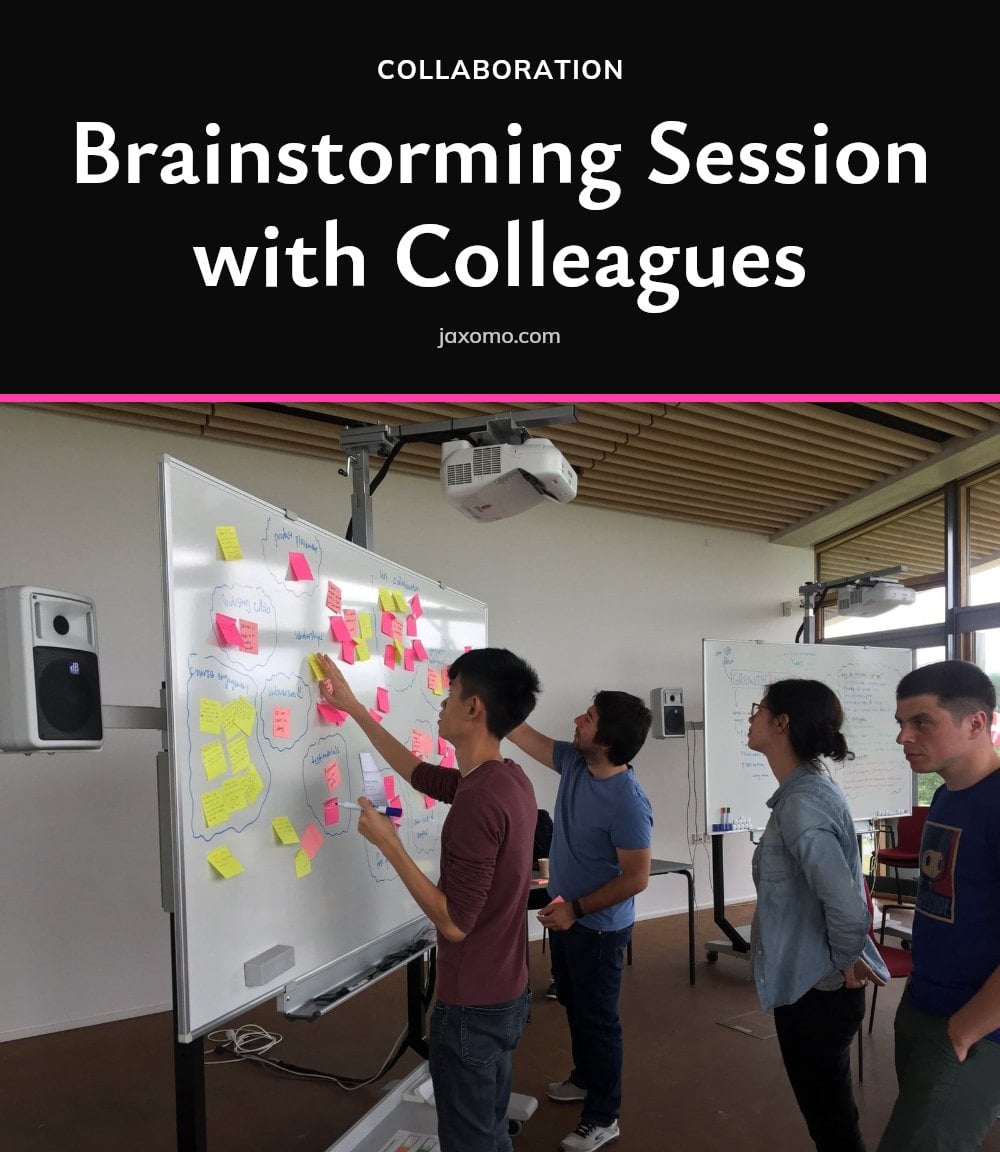
Share your ideas with trusted friends, colleagues, or mentors and actively seek their feedback. Collaboration and discussion with others can spark new ideas, refine existing ones, and provide fresh perspectives you might not have considered. Just talking through a concept aloud can often clarify your own thoughts.
10. Reflect on Experiences
Take time to reflect on your past experiences, both successes and failures. Consider what worked, what didn’t, and why, extracting lessons learned. This reflective thinking provides valuable insights that can inform and improve your future creative endeavors and problem-solving approaches.
11. Change Your Environment

Periodically change your physical environment, even in small ways, to break routine thought patterns. This could be as simple as working from a different room, visiting a new cafe, or rearranging your desk. A change of scenery can disrupt mental ruts and encourage new ways of seeing and thinking.
Common Creativity Roadblocks to Avoid
One of the biggest roadblocks is believing creativity is an innate gift. It’s a skill you can develop, so don’t let that belief stop you from trying.
Waiting for inspiration is another trap. Consistent habits beat a ‘muse’ every time, so show up and put in the work even when you don’t feel like it.
During brainstorming, overly criticizing your initial ideas kills the flow. Suspend judgment, welcome all ideas, and refine later.
Failing to document ideas means losing them. For general daily activities, capture thoughts, observations, or potential solutions immediately. During a focused brainstorming session, the priority is generating quantity over recording every detail.
Neglecting your well-being also hurts. Sleep deprivation, poor diet, and lack of exercise hinder cognitive function, so prioritize your physical and mental health for optimal creativity.
Frequently Asked Questions
How long does it take to develop creative habits?
Noticeable shifts in creative output often appear within a few weeks to months when you practice daily. The key is consistency, even 10 to 15 minutes a day trains your brain to shift into a creative state more easily over time.
Can creativity be learned or is it innate?
Creativity is a skill you can learn and strengthen, not an innate talent you either have or don’t. With consistent habits like idea generation, mindful observation, and learning new skills, anyone can enhance their ability to produce novel and useful ideas.
What if I don’t feel inspired at all?
Don’t wait for inspiration to strike. Instead, start with small, structured habits like a 10-minute brainstorming session or a short walk. These actions create the conditions for inspiration to follow, and over time, your brain learns to shift into a creative state on demand.
Is collaboration always good for creativity?
Collaboration can spark new ideas and refine existing ones, but it’s not always beneficial if the environment is overly critical or if you don’t first generate ideas on your own. Seek input from trusted individuals after you’ve had time to think independently for the best results.
How do I balance routine with creative exploration?
Set a consistent daily time for idea generation or brainstorming, but also vary your environment and activities. For example, stick to a 15-minute morning journaling habit while periodically changing where you do it, like a cafe or park, to keep your routine from becoming a mental rut.
Final Thoughts
Start small. Pick just one habit from this list, maybe scheduling 10 minutes of brainstorming or starting an idea journal, and commit to it for two weeks. You’ll likely notice your mind becoming more flexible and your ideas flowing more freely. Remember, consistency matters more than intensity, so show up daily and let your creative muscle grow.