Thicker Hair Naturally: 12 Habits for Fuller Hair
Want thicker hair? Discover 12 natural habits and hair care tips to improve density, reduce breakage, and get fuller-looking hair at home.


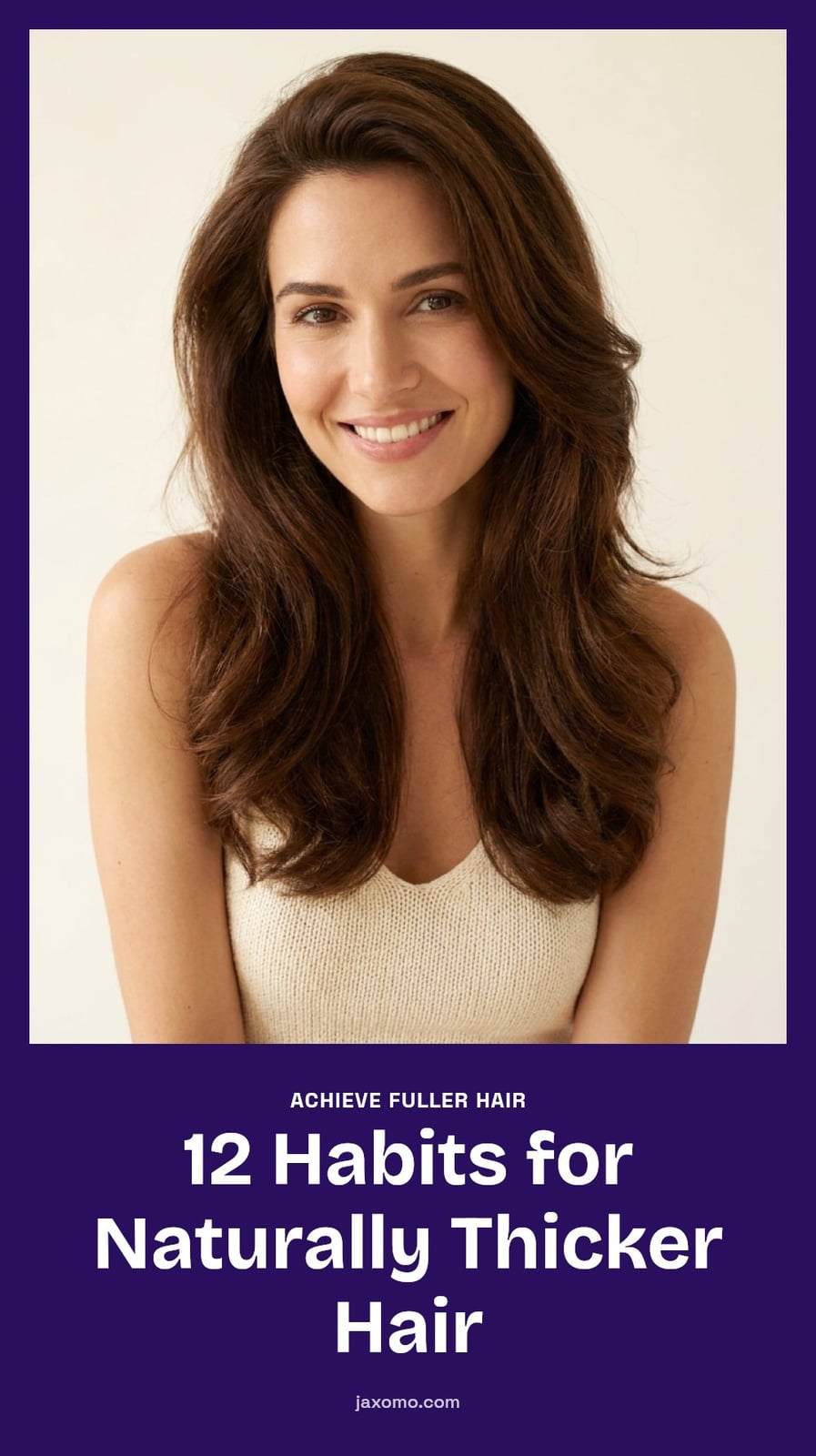
If you’ve noticed your hair looking thinner or just wish it had more volume, you’re not alone. The good news is that you can make a real difference by focusing on the health and strength of the strands you already have. This article covers 12 simple, natural habits that help your hair look fuller and feel stronger, from scalp care to smart styling choices.
Key Takeaways
- Gently massage your scalp for 5 to 10 minutes daily to stimulate blood flow.
- Eat a balanced diet rich in protein, iron, zinc, and biotin.
- Always use a heat protectant before styling with hot tools.
- Switch to a silk or satin pillowcase to reduce breakage overnight.
- Trim your hair regularly to remove split ends and prevent further damage.
How to Get Thicker Hair Naturally
Getting thicker hair naturally means focusing on the health and strength of the strands you already have, since you can’t change the number of follicles on your scalp. The best approach combines gentle hair care habits, a nutrient-rich diet, and regular scalp stimulation to support growth and reduce breakage. Consistency is key: noticeable changes typically appear over several weeks to a few months as your hair grows about half an inch per month.
1. Massage Your Scalp Regularly
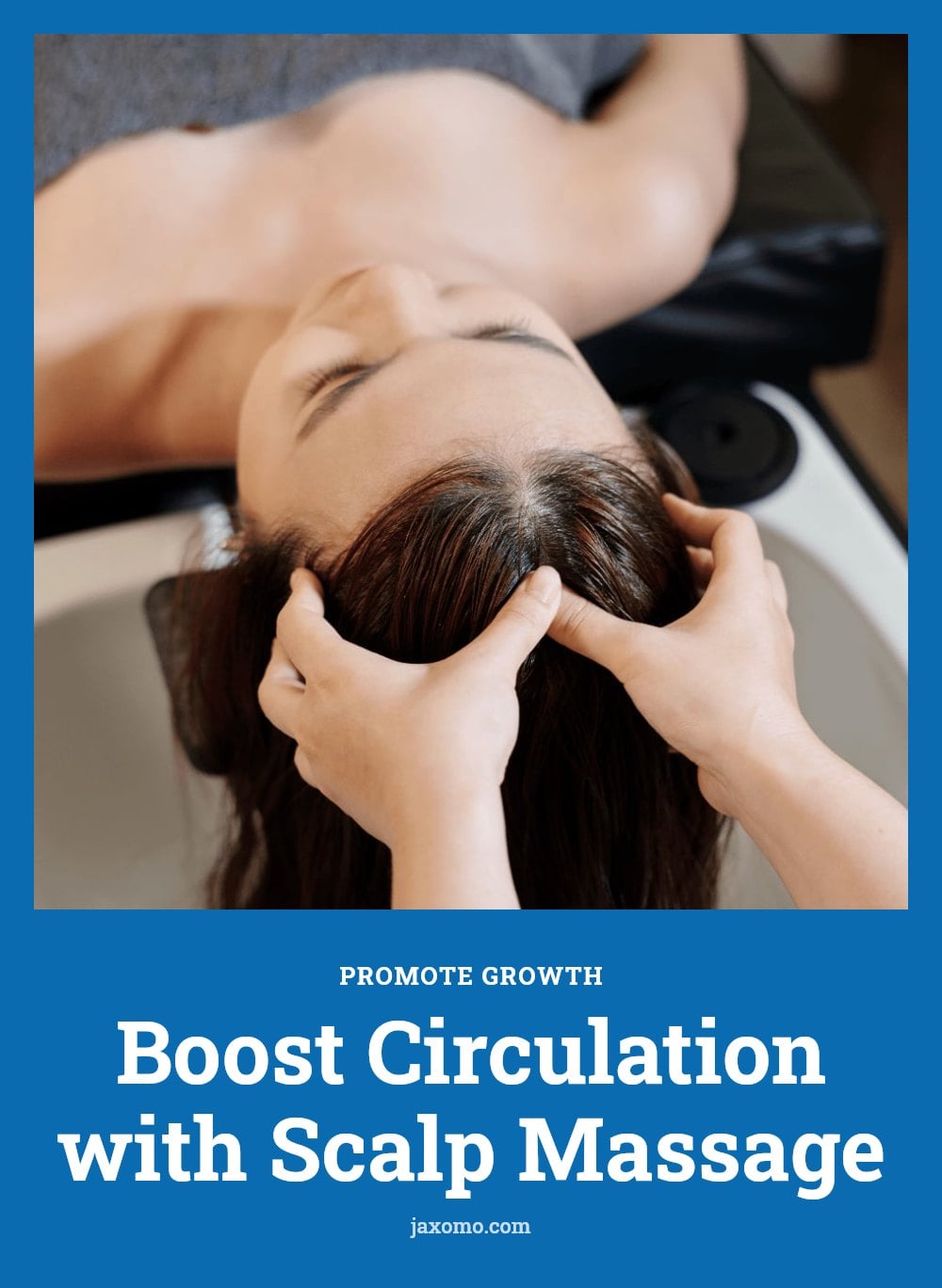
Gently massage your scalp with your fingertips for 5 to 10 minutes daily. This stimulates blood circulation to the hair follicles, which may support hair growth and improve nutrient delivery to the roots.
My tip: You can do this in the shower while your conditioner sits, or while relaxing in the evening before bed. Use circular motions with light pressure to avoid irritation.
2. Eat a Hair-Healthy Diet
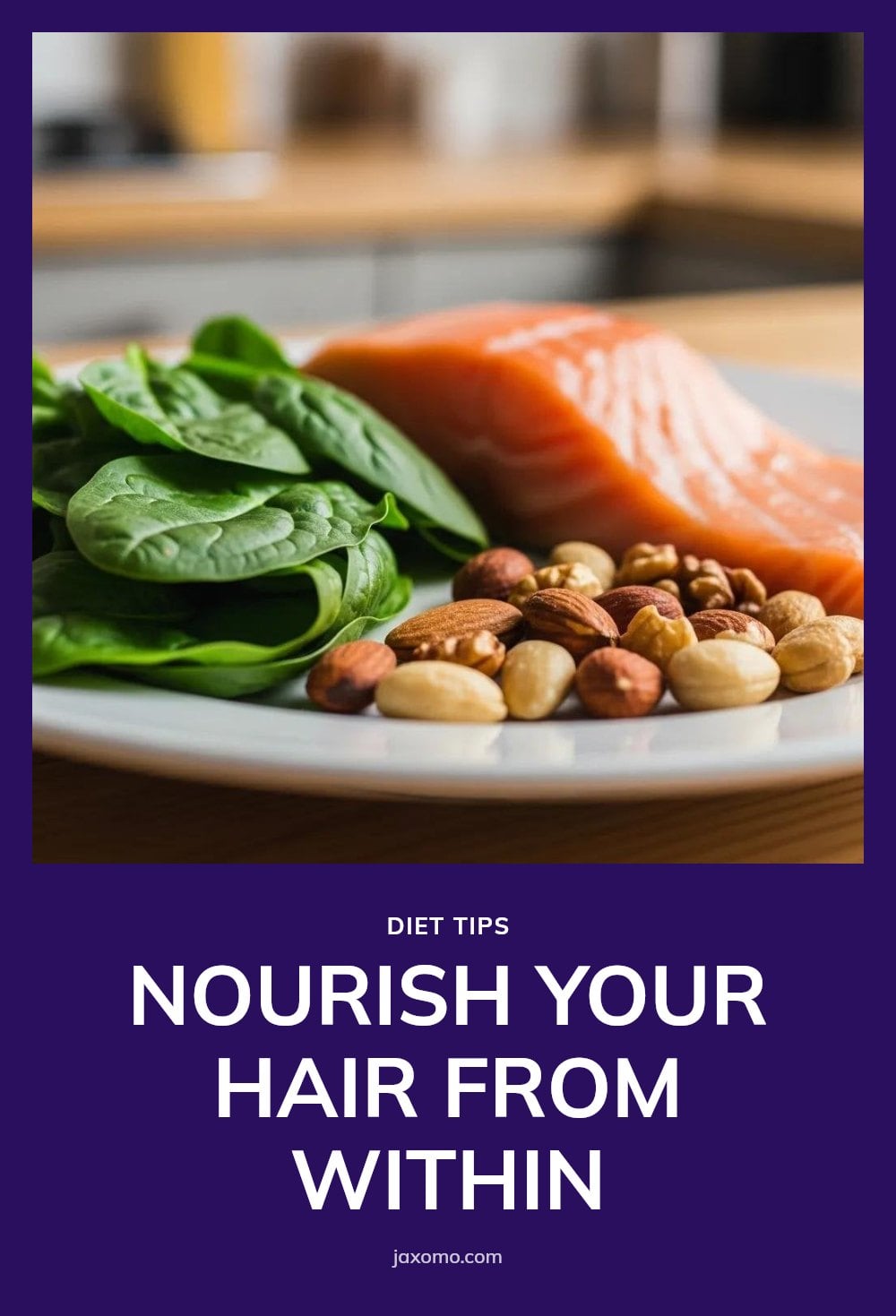
Include plenty of protein, iron, zinc, and biotin in your meals, as deficiencies in these nutrients can contribute to thinning hair. Good food choices include lean meats, eggs, nuts, seeds, leafy greens, and berries.
My tip: A balanced diet is more effective than relying solely on supplements. Whole foods provide a mix of vitamins and minerals that work together to support hair health from the inside out.
3. Choose Volumizing Hair Products
Use shampoos and conditioners formulated to add volume and lift to fine hair. These products often contain ingredients that plump up the hair shaft or create texture, making strands appear thicker.
Tip: Look for terms like ‘volumizing,’ ‘thickening,’ or ‘body-building’ on labels. Avoid heavy, overly conditioning products that can weigh hair down and undo the volume effect.
4. Protect Hair From Heat Damage

Always apply a heat protectant spray before using flat irons, curling wands, or any hot tool. This creates a barrier that reduces moisture loss and helps prevent the hair shaft from weakening and breaking. Excessive heat damages the cuticle, making strands more brittle and prone to snapping, which makes hair look thinner overall.
Minimize heat styling: Air-drying is a great alternative that avoids thermal damage entirely. If you do use heat, keep the temperature low and limit sessions to a few times per week. Your hair will retain more length and appear fuller as a result.
5. Handle Wet Hair Gently
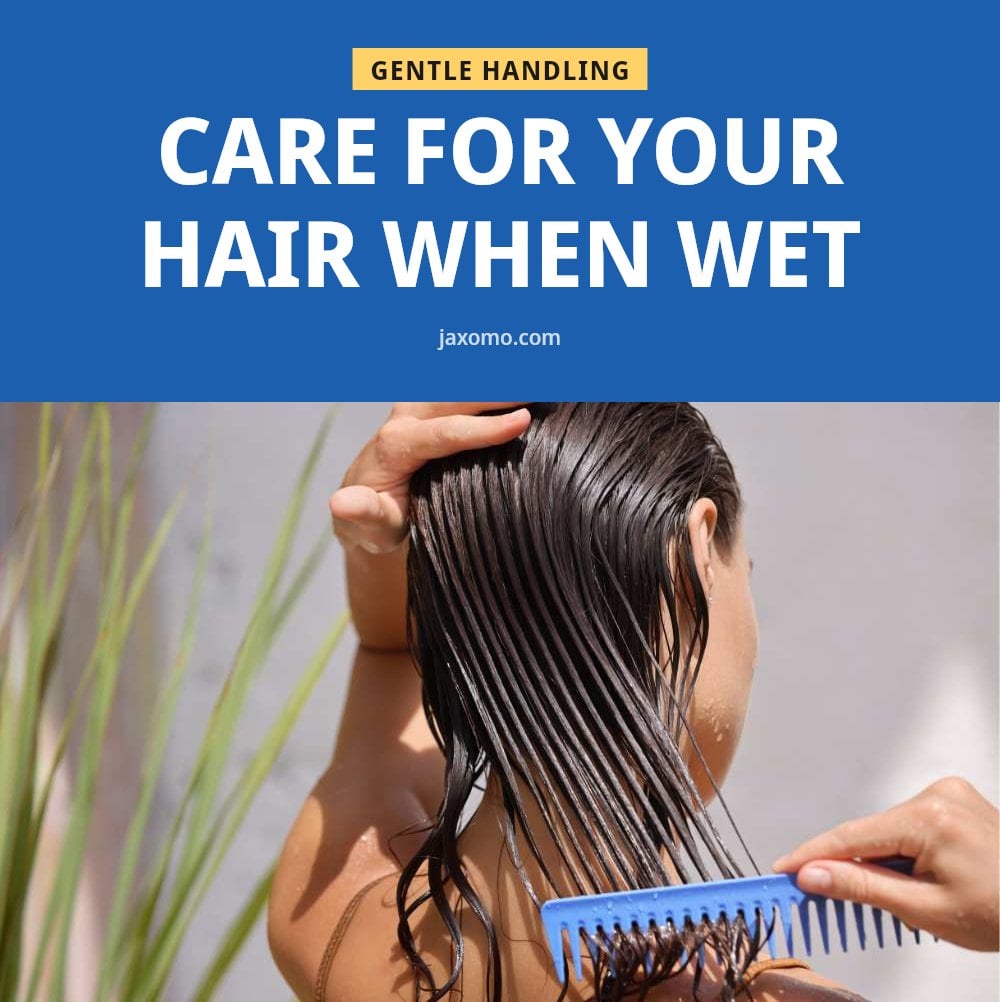
Wet hair is up to three times more fragile than dry hair, so rough handling can cause immediate breakage. Use a wide-tooth comb to detangle gently, starting at the ends and working your way up to the roots. This minimizes stress on the hair shaft and prevents strands from snapping.
Avoid vigorous towel-drying: Instead, gently squeeze out excess water with a soft towel or a microfiber wrap. Rubbing creates friction that roughens the cuticle and leads to frizz and breakage. Patience here preserves the length and thickness you’re working to maintain.
6. Sleep on Silk or Satin

Switch to a silk or satin pillowcase to reduce friction while you sleep. Cotton pillowcases create drag that causes tangles, frizz, and breakage overnight. The smooth surface of silk or satin lets hair glide freely, so you wake up with fewer knots and less damage.
Good to know: This simple change can make a big difference in maintaining hair health over time. It also helps preserve your hairstyle and reduces the need for morning touch-ups. For extra protection, try a silk hair wrap or bonnet.
7. Get Regular Trims
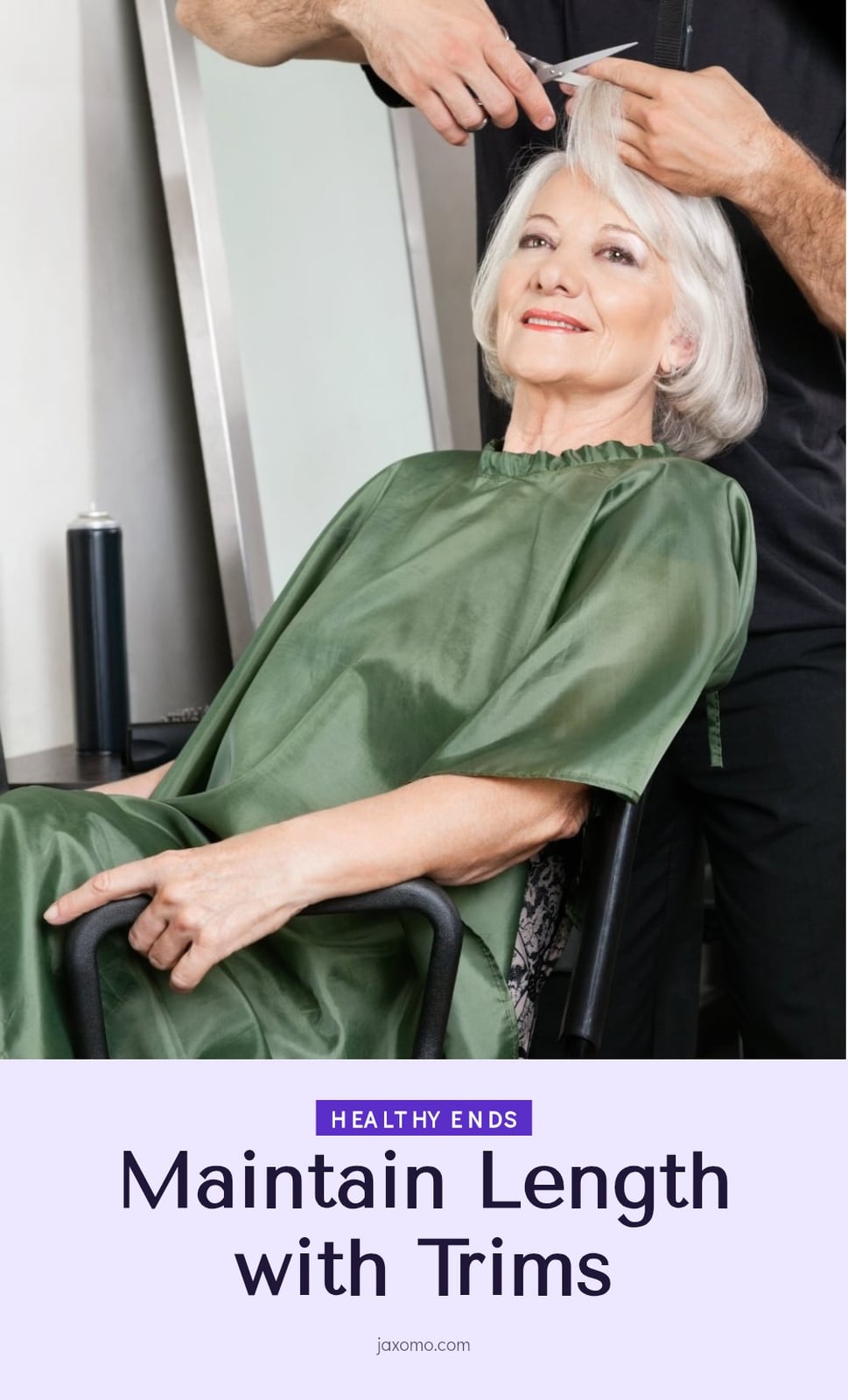
Regularly trimming split ends is crucial for keeping your hair looking thick and healthy. Split ends can travel up the hair shaft, causing more damage and making strands appear thinner and weaker. Cutting them off prevents this progression and keeps the ends looking full.
Pro move: A trim every 6 to 8 weeks helps maintain your hair’s best appearance and prevents further breakage. While trims don’t speed up growth, they remove the damaged parts that make hair look sparse. Healthy ends create the illusion of greater volume and density.
8. Manage Your Stress Levels
High stress can trigger a temporary shedding phase called telogen effluvium, where hair shifts into a resting state and falls out more easily. Managing your stress levels directly supports your hair’s growth cycle. Incorporate stress-reducing activities into your routine, such as yoga, meditation, or a daily walk outside. Quick tip: Prioritizing mental well-being is just as important for hair health as your physical care routine.
9. Try a Hair Mask
Adding a weekly hair mask to your routine can temporarily strengthen strands, reduce breakage, and improve texture. Choose a hydrating mask if your hair feels dry or a protein-rich one if it feels brittle. Tip: Look for masks with keratin, argan oil, or shea butter to nourish and fortify your hair. Apply from mid-length to ends, leave on for the recommended time, then rinse thoroughly.
10. Avoid Tight Hairstyles
Wearing tight ponytails, buns, or braids daily can cause traction alopecia, a form of hair loss from constant tension on the follicles. Over time, this pulling damages the follicle and can lead to thinning along the hairline or crown. Good to know: Opt for looser styles like a low ponytail or a soft scrunchie, and alternate between up-dos and wearing your hair down to give your scalp a break.
11. Be Mindful of Over-Washing
Washing your hair too often, especially with harsh shampoos, strips away the natural oils that protect and moisturize your strands. This can leave hair dry, brittle, and more prone to breakage, making it look thinner. Pro move: Experiment with washing every other day or every few days to find what works for your hair type. Use a gentle, sulfate-free shampoo to maintain your scalp’s natural balance.
Common Mistakes When Trying to Thicken Hair
Expecting new hair follicles: Remember, the goal is to improve the health and appearance of your existing hair, not to grow entirely new follicles. Genetics determines the number of follicles you have, so focus on strengthening what’s there.
Aggressively brushing wet hair: Wet hair is fragile and snaps easily. Always detangle gently with a wide-tooth comb, starting from the ends and working your way up.
Ignoring scalp health: A healthy scalp is the foundation for healthy hair. Don’t just focus on the strands; keep your scalp clean and stimulated to support growth.
Over-relying on supplements: While supplements can help with deficiencies, they aren’t a magic bullet. A holistic approach with a balanced diet and proper hair care is more effective.
Frequently Asked Questions
How long does it take to see results from thickening hair routines?
Most people start noticing improvements in hair strength and fullness after several weeks to a few months. Since hair grows about half an inch per month, visible changes from diet and scalp care take time. Be patient and stick with your routine.
Are hair growth supplements effective for everyone?
Supplements can help if you have a specific deficiency, such as low iron or biotin, but they aren’t a quick fix for everyone. A balanced diet is usually more effective. Always check with a doctor before starting any new supplement, especially for significant hair loss.
Is it possible to increase the number of hair follicles I have?
No, you cannot grow new hair follicles. The number you have is determined by genetics. The goal of natural thickening is to improve the health and appearance of the hair you already have, making it look fuller and stronger.
How can I make my hair thicker naturally?
Focus on a combination of habits: massage your scalp daily, eat a nutrient-rich diet, use volumizing products, protect hair from heat, handle wet hair gently, and sleep on silk or satin. These steps strengthen existing strands and minimize breakage for a fuller look.
What foods are best for hair health?
Foods rich in protein, iron, zinc, and biotin support strong hair. Good choices include lean meats, eggs, nuts, seeds, leafy greens, and berries. A balanced diet is more effective than relying on supplements alone.
Final Thoughts
Stick with these habits for a few months, and you’ll likely notice your hair looking healthier and fuller. My tip: Pick two or three changes to start, like adding a weekly hair mask and swapping your pillowcase, then build from there. The key is consistency, so give your routine time to work.
This article is for informational purposes only and is not a substitute for professional medical or dermatological advice. If you are experiencing sudden or significant hair loss, consult a doctor or dermatologist to address any underlying conditions.