Instant Remedies and Tips for Tired Eyes
Combat tired eyes with expert tips! Learn how to reduce puffiness and dark circles for a refreshed look, even when you're short on sleep.


Waking up with puffy eyes or dark circles can make you feel as tired as you look, even after a full night’s sleep. The good news is that there are quick, effective ways to refresh the eye area and bring back a brighter appearance. This article covers the best instant remedies, essential products, and simple lifestyle habits to help you tackle tired eyes at home.
Key Takeaways
- Apply a cold compress for 5 to 10 minutes to reduce puffiness and redness.
- Use an eye cream with caffeine and hyaluronic acid to tighten and hydrate the skin.
- Color-correcting concealer in peach or yellow tones neutralizes blue or purple dark circles.
- Aim for 7 to 9 hours of sleep nightly and elevate your head to prevent fluid pooling.
- Consult a doctor if puffiness, redness, or irritation is severe or accompanied by pain or vision changes.
Quick Fixes for Tired Eyes
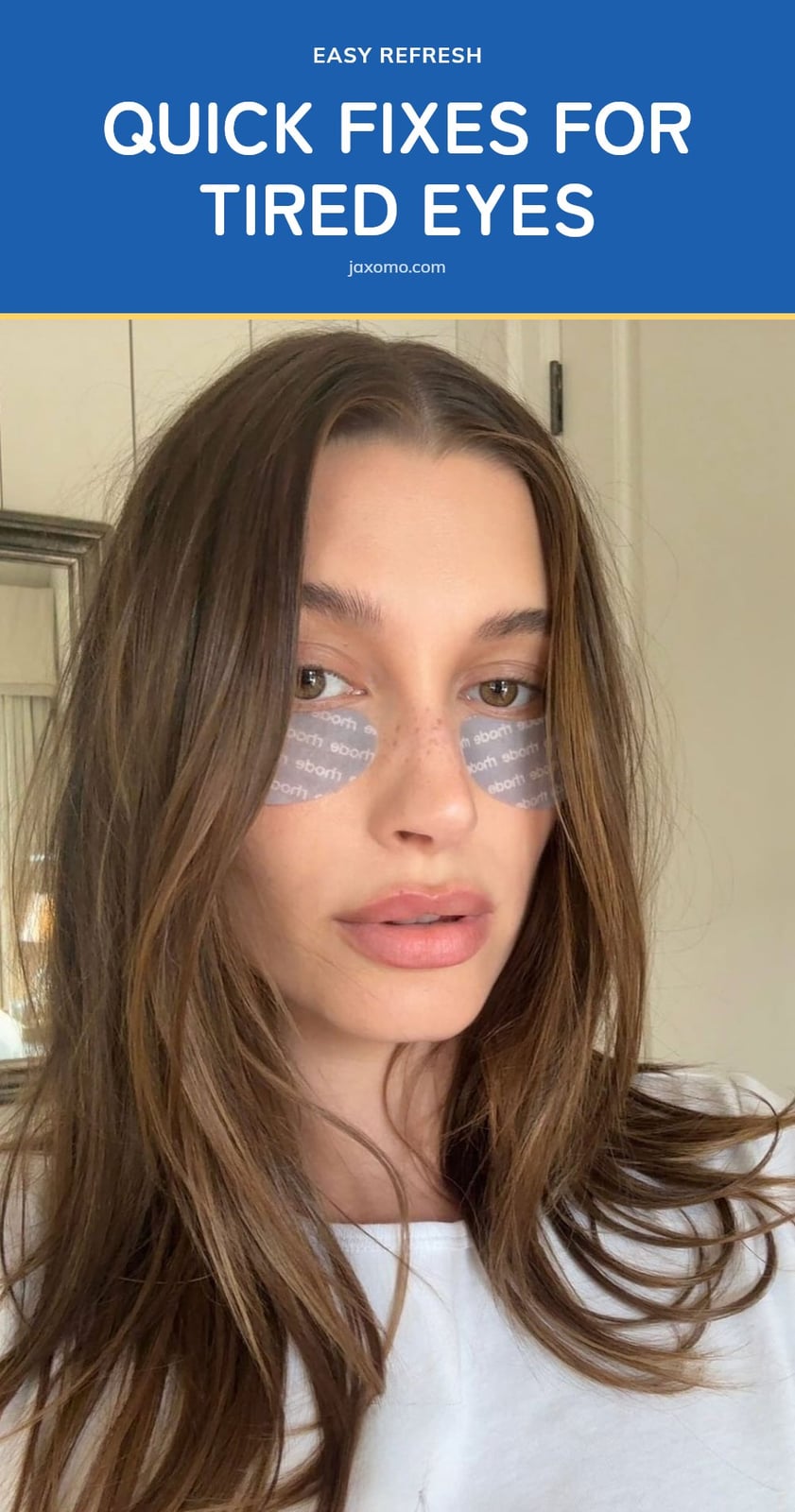
When your eyes look tired, you want a fix that works now. I always reach for a cold compress first. It constricts blood vessels and calms puffiness in minutes. Then I layer on an eye cream with caffeine and hyaluronic acid; the caffeine tightens while the acid plumps fine lines. Finally, a peach or yellow color-correcting concealer neutralizes dark circles before I apply my regular concealer. Instant refresh.
Why Your Eyes Look Tired
Puffiness vs. Dark Circles: What’s Really Going On
Puffiness usually comes from fluid retention. High sodium intake, allergies, or crying can make it worse. Dark circles are trickier. They can be genetic, caused by thin skin that reveals blood vessels underneath, or from hyperpigmentation and hollowing under the eyes.
Lack of sleep and dehydration make both conditions more visible. Eye strain from screens adds redness and fatigue. Allergies often trigger itchiness, watering, and puffiness, which can make your eyes look even more tired.
Understanding the cause helps you choose the right fix.
Your Essential Toolkit for Refreshed Eyes
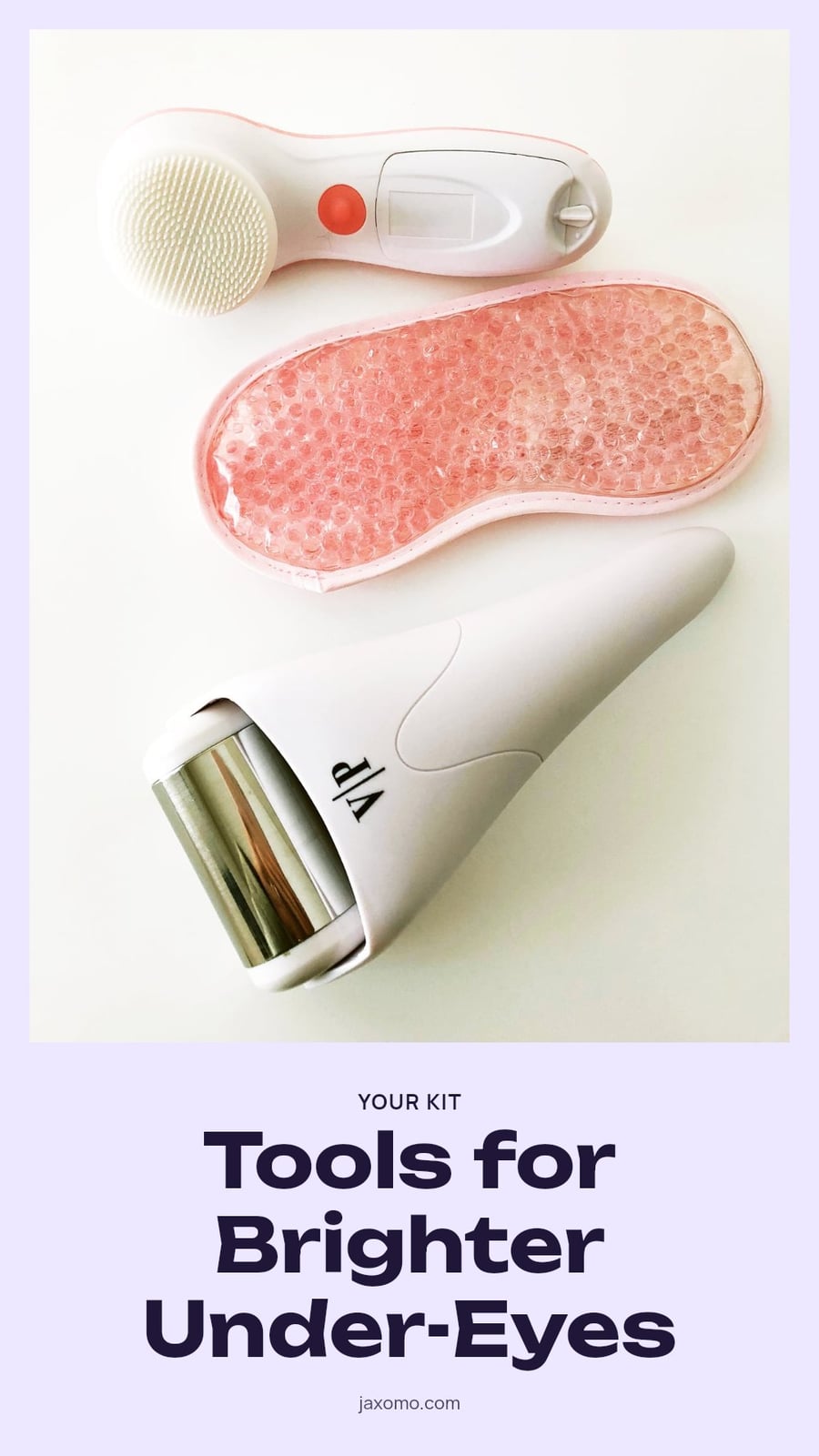
You don’t need a cabinet full of products. Here’s what actually works:
- Cold compress: A gel eye mask, chilled spoons, or cucumber slices constrict blood vessels and reduce swelling fast.
- Eye cream with caffeine and hyaluronic acid: Caffeine tightens puffiness; hyaluronic acid hydrates and plumps.
- Color-correcting concealer: Peach tones cancel blue circles; yellow neutralizes purple. Apply before your regular concealer.
- Gentle eye makeup remover: Harsh formulas irritate the delicate skin. Use a non-oily, fragrance-free option.
My tip: Keep a gel mask in the fridge so it’s always ready when you need it.
Instant Strategies to Revive Tired Eyes
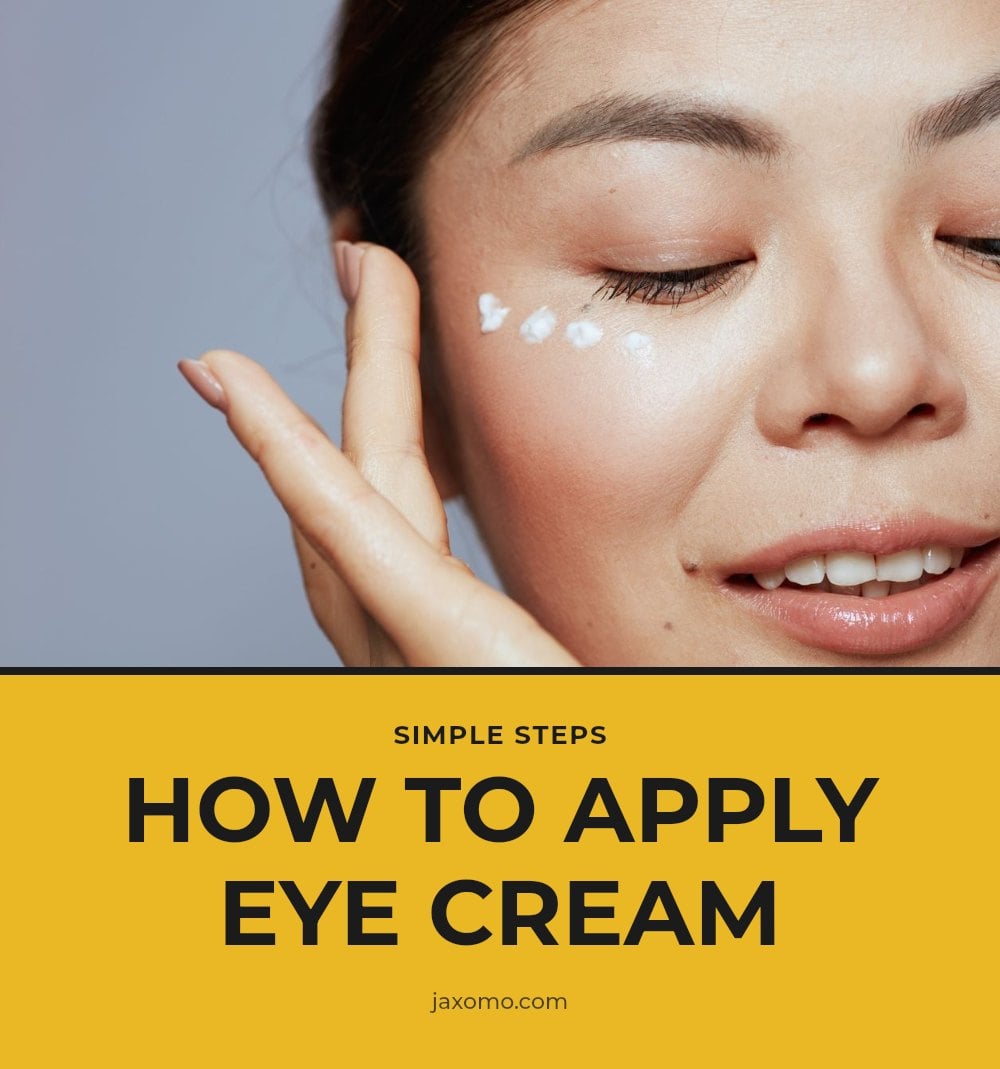
These strategies deliver visible results in minutes. Try them in order for the best effect.
Apply a Cold Compress
Place a chilled gel mask or two cold spoons over your closed eyes for 5 to 10 minutes. The cold constricts blood vessels, reducing swelling and redness.
Massage the Eye Area
Use your ring finger to gently tap from the inner corner outward along the brow bone and under-eye area. This stimulates lymphatic drainage, which helps fluid drain and puffiness go down.
Use a Caffeine-Infused Eye Cream
Apply a pea-sized amount of eye cream with caffeine. It temporarily constricts blood vessels, making puffiness less visible. Pat, don’t rub, to avoid irritation.
Hydrate with Hyaluronic Acid
Hyaluronic acid pulls moisture into the skin, plumping fine lines and making the area look fuller. Apply it after the caffeine cream or use a combined product.
Neutralize Dark Circles with Color Corrector
Dab a peach corrector on blue circles or yellow on purple ones. Blend with your fingertip, then apply your regular concealer on top. This covers discoloration without a heavy layer that settles into lines.
My tip: Chill your concealer for a few minutes before applying. It helps depuff as you cover.
Common Mistakes When Addressing Tired Eyes
Assuming all dark circles are from lack of sleep: Genetics and thin skin that reveals blood vessels are often the real culprits. Sleep helps, but it won’t fix what’s built into your skin structure.
Rubbing your eyes vigorously: This irritates the delicate skin and can actually make dark circles worse by breaking capillaries. Pat or tap instead.
Applying too much concealer: Heavy layers settle into fine lines and draw attention to the very area you’re trying to hide. A thin, color-corrected layer works better.
Using harsh cleansers or makeup removers: The eye area is the thinnest skin on your body. Harsh products strip moisture and cause irritation that makes tired eyes look worse.
Expecting instant, permanent results: Topical treatments reduce puffiness and hydrate temporarily, but chronic issues like hollowing or hyperpigmentation take time and often need professional input.
Preventing Tired Eyes: Lifestyle Habits That Help
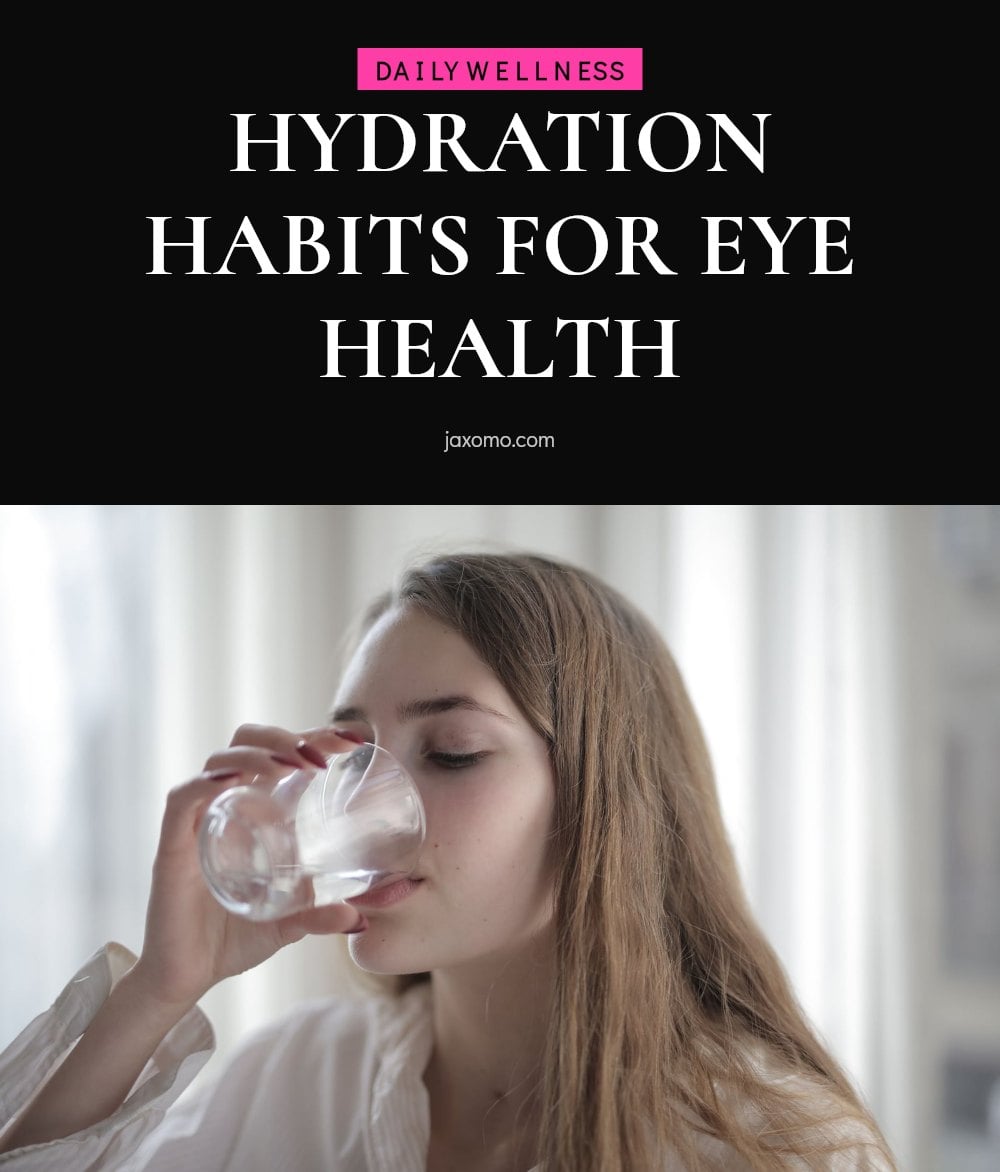
These habits address the root causes of tired eyes over time. Consistency matters more than perfection.
- Aim for 7-9 hours of quality sleep nightly: Sleep allows fluid to rebalance and skin to repair itself.
- Elevate your head slightly while sleeping: An extra pillow prevents fluid from pooling under your eyes overnight.
- Stay well-hydrated throughout the day: Dehydration makes eyes look sunken and emphasizes dark circles.
- Reduce sodium intake, especially before bed: High sodium triggers fluid retention that causes morning puffiness.
- Wear sunglasses outdoors: They protect against sun damage and prevent squinting, which worsens fine lines.
- Manage allergies: Antihistamines or avoiding triggers reduces eye irritation, watering, and puffiness.
- Limit blue light exposure from screens: Blue light contributes to eye strain and fatigue; use blue-light filters or take screen breaks.
When to See a Doctor About Tired Eyes
Most tired eyes are harmless, but some symptoms need medical attention. Consult a doctor if puffiness, redness, or irritation is severe, persistent, or accompanied by pain or vision changes. This could indicate an allergic reaction, infection, or another medical condition.
Always patch test new eye products on a small area before using them near your eyes. Discontinue use immediately if any product causes burning, stinging, or increased redness.
Frequently Asked Questions
Why do my eyes look tired even when I’ve slept?
Dark circles and puffiness aren’t always about sleep. Genetics, thin skin that reveals blood vessels, hyperpigmentation, and allergies can all make eyes look tired regardless of how many hours you slept. Sleep helps, but it won’t change underlying skin structure or hereditary factors.
Can drinking more water really help tired eyes?
Yes, staying hydrated can prevent dehydration, which can make eyes appear sunken and tired. Drinking enough water throughout the day supports overall skin health, but it’s not a quick fix. It works best as part of a consistent routine along with other habits like sleep and diet.
Are there any long-term solutions for dark circles?
Long-term improvement often comes from addressing the underlying cause. For genetic dark circles or thin skin, consistent use of hydrating eye creams and color-correcting makeup can help manage the appearance. Lifestyle changes like better sleep, reduced sodium intake, and managing allergies may also make a difference over weeks.
What’s the best way to apply eye cream?
Use your ring finger to gently tap a small amount of cream along the orbital bone, starting from the inner corner and moving outward. Avoid pulling or dragging the skin. A pea-sized amount is enough for both eyes. Apply it after cleansing and before moisturizer for best absorption.
Can allergies cause my eyes to look tired?
Yes, allergies can lead to itchy, watery, and puffy eyes, which contributes to a tired appearance. Rubbing your eyes makes it worse by irritating the skin and darkening circles. If allergies are the cause, managing them with antihistamines or avoiding triggers can help reduce symptoms.
Final Thoughts
For the fastest results, start with a cold compress and follow up with a caffeine-infused eye cream. Then use a color-correcting concealer to instantly brighten the under-eye area. Keep in mind that while these fixes work in minutes, lasting improvement takes consistent care and attention to sleep, hydration, and allergies. A few small daily habits can make a real difference over time.
This article is for general informational purposes only and is not a substitute for professional medical advice. If you experience severe, persistent puffiness, redness, pain, or changes in vision, consult a doctor or dermatologist. Always patch test new products and discontinue use if irritation occurs.