Rosemary Oil Benefits for Hair: A Guide to Growth and Scalp Health
Unlock the potential of rosemary oil for hair growth and scalp health. Learn how to properly use this natural remedy for thicker, healthier hair.


If you are dealing with hair thinning or slow growth and want a natural option to try at home, rosemary oil might be worth adding to your routine. This essential oil, extracted from the leaves of the rosemary plant, has been studied for its potential to support hair growth and improve scalp health. In this article, I will walk you through what rosemary oil can do, how to apply it safely, and what results you can realistically expect.
Key Takeaways
- Always dilute rosemary essential oil with a carrier oil before applying it to your scalp to avoid irritation.
- Apply the diluted oil consistently 2 to 3 times per week for at least 3 to 6 months to see potential results.
- Perform a patch test on a small area of skin before your first full application to check for allergic reactions.
- Use 100% pure rosemary essential oil without added carriers or synthetic ingredients for the best quality.
- Consult a doctor if you are pregnant, breastfeeding, or have a scalp condition before using rosemary oil.
What Rosemary Oil Can Do for Your Hair
Rosemary oil is a natural remedy many people turn to for hair thinning and slow growth. It may stimulate hair growth by improving blood circulation to the scalp, which helps deliver more nutrients to hair follicles. Its anti-inflammatory and antioxidant properties can also support overall scalp health. A key point: always dilute rosemary essential oil with a carrier oil before applying it to your scalp to avoid irritation.
How Rosemary Oil Supports Hair Growth and Scalp Health
How Rosemary Oil Supports Hair Growth and Scalp Health
Rosemary oil is believed to enhance blood flow to hair follicles, which may deliver more oxygen and nutrients needed for growth. This improved circulation is one reason some studies, like a 2015 trial, found it comparable to minoxidil 2% for androgenetic alopecia after six months.
The oil also has anti-inflammatory properties that can help soothe an irritated scalp. Its antioxidant content may protect hair follicles from damage caused by free radicals. Additionally, rosemary oil’s potential antimicrobial benefits make it a common choice for addressing dandruff and dry scalp issues.
- Circulation boost: Better blood flow to follicles supports growth.
- Anti-inflammatory: Calms scalp irritation.
- Antioxidant: Shields follicles from environmental damage.
- Antimicrobial: May help with dandruff and dryness.
Essential Supplies for Your Rosemary Oil Treatment

Essential Supplies for Your Rosemary Oil Treatment
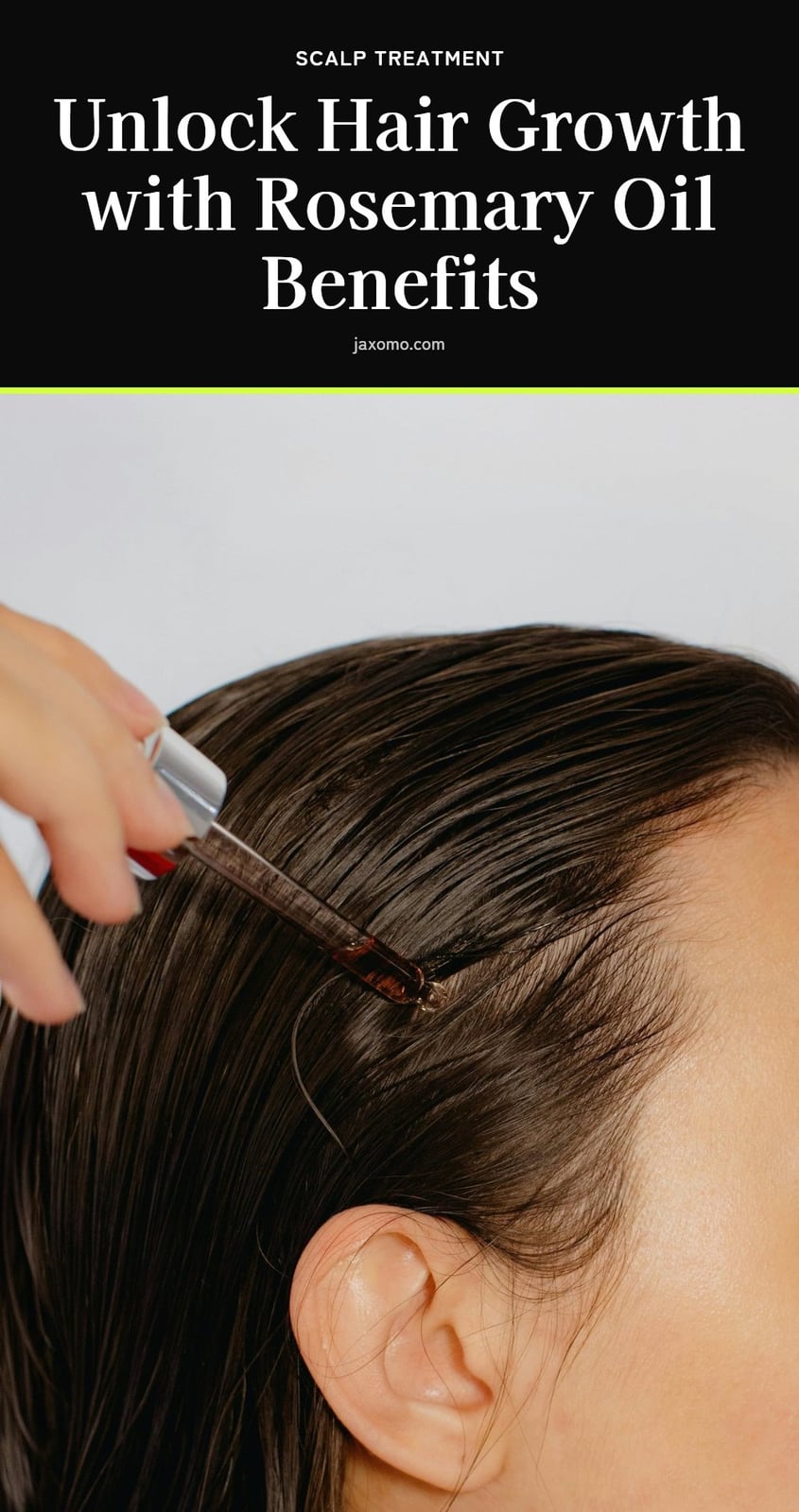
You only need a few items to get started. First, get a bottle of pure rosemary essential oil. You will also need a carrier oil to dilute it, common options include jojoba oil, coconut oil, almond oil, or olive oil. For mixing, a small bowl or a dropper bottle works well. To apply the mixture, you can use your fingers, a dropper, or a wide-tooth comb to distribute it evenly through your scalp.
Step-by-Step: Applying Rosemary Oil for Hair Benefits

Step-by-Step: Applying Rosemary Oil for Hair Benefits
- Dilute the oil: Mix a few drops of rosemary essential oil with one tablespoon of your chosen carrier oil. A typical ratio is about 3-5 drops of rosemary oil per tablespoon of carrier oil. Stir well in a small bowl or shake in a dropper bottle.
- Perform a patch test: Apply a small amount of the diluted mixture to a patch of skin on your inner arm or behind your ear. Wait 24 hours to check for any redness, itching, or irritation before using it on your scalp.
- Massage into scalp: Section your hair and use your fingertips to gently massage the diluted oil into your scalp for 3-5 minutes. Focus on areas where you notice thinning. This helps with absorption and circulation.
- Leave it on and rinse: Let the oil sit for at least 30 minutes, or overnight for deeper treatment. Caution: If you have a sensitive scalp, leaving it on overnight may cause irritation. Start with a shorter duration if you are unsure. Then wash your hair with a mild shampoo and conditioner. Repeat 2-3 times per week for several months to see potential results.
Common Mistakes to Avoid When Using Rosemary Oil
Applying undiluted rosemary oil: Rosemary essential oil is highly concentrated. Putting it directly on your scalp can cause redness, burning, or even chemical burns. Always mix a few drops with a carrier oil like jojoba or coconut oil before use.
Skipping the patch test: Even diluted oil can cause an allergic reaction. Test a small amount on your inner arm or behind your ear and wait 24 hours before using it on your scalp.
Expecting immediate results: Hair growth is a slow process. You won’t see changes overnight. Give it at least 3 to 6 months of consistent application before judging whether it works.
Using low-quality products: Cheap or adulterated rosemary oil may contain fillers or synthetic fragrances that irritate your scalp. Look for pure, 100% rosemary essential oil from a reputable source.
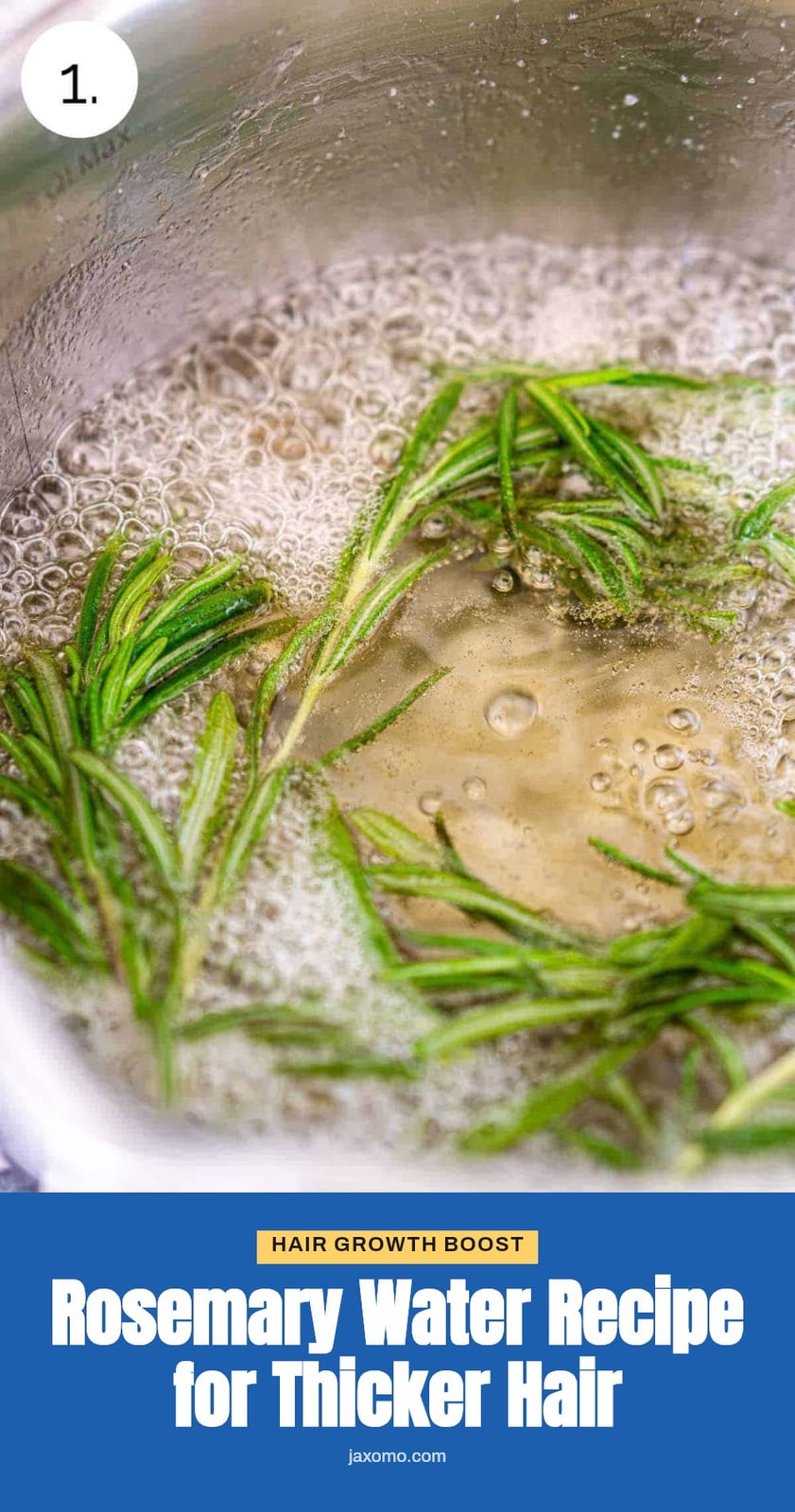
Confusing essential oil with other forms: Rosemary water and rosemary extract are much less concentrated and won’t deliver the same effects. Make sure you’re using the essential oil for the intended scalp benefits.
Expert Tips for Maximizing Rosemary Oil’s Effectiveness
Apply consistently: Use the diluted oil 2 to 3 times per week. Regular application is what drives potential results, not occasional use.
Choose pure oil: Check the label for “100% pure rosemary essential oil” with no added carriers or synthetic ingredients. Higher quality means better potency and fewer irritants.
Store properly: Keep the bottle in a cool, dark cabinet away from sunlight and heat. This preserves the oil’s active compounds for longer.
Try adding to shampoo: If a full scalp massage feels like too much some days, add 3 to 5 drops of rosemary oil to your usual shampoo or conditioner. Mix it in your palm before applying to get even distribution.
Timeline and Consistency for Rosemary Oil Results
Duration: Plan to use rosemary oil consistently for 3 to 6 months before expecting noticeable changes. Hair growth cycles are slow, and new growth takes time to become visible.
Frequency: Apply the diluted oil 2 to 3 times per week. More frequent application doesn’t speed up results and may increase irritation risk.
Cost: Rosemary oil products range from affordable to mid-range. A small bottle of pure essential oil typically costs more upfront but lasts several months because you only use a few drops per treatment.
When to Consult a Professional About Hair Concerns
Persistent irritation: If you develop redness, itching, or burning that doesn’t go away after stopping use, see a doctor or dermatologist.
Underlying hair loss: Sudden or patchy hair loss may signal a medical condition like alopecia areata or a thyroid issue. A doctor can help diagnose the cause.
Sensitive skin or scalp conditions: If you have eczema, psoriasis, or a known sensitive scalp, consult a professional before starting rosemary oil.
Pregnancy or breastfeeding: Check with your healthcare provider before using rosemary essential oil, as safety during these periods isn’t fully established.
Frequently Asked Questions
How long does it take to see results from rosemary oil?
Most people need to apply rosemary oil consistently for 3 to 6 months before noticing visible changes in hair growth or thickness. Hair growth cycles are slow, so new growth takes time to become apparent. Stick with the routine and be patient.
Can I leave rosemary oil in my hair overnight?
Yes, you can leave the diluted rosemary oil in your hair overnight, but it is not necessary for effectiveness. If you do, make sure the oil is properly diluted and cover your pillow with a towel to protect it. Some people with sensitive scalps may find leaving it on too long causes irritation.
Is rosemary oil safe for all hair types?
Rosemary oil is generally safe for all hair types when properly diluted with a carrier oil. However, if you have a sensitive scalp, a skin condition like eczema, or are prone to allergies, do a patch test first. If irritation occurs, discontinue use and consult a dermatologist.
What is the best carrier oil for rosemary oil?
The best carrier oil depends on your hair type and preference. Common options include jojoba oil, coconut oil, almond oil, and olive oil. Jojoba oil is lightweight and closely mimics the scalp’s natural sebum, making it a popular choice for many people.
Can rosemary oil cause hair loss?
Rosemary oil is not known to cause hair loss when used correctly. In rare cases, an allergic reaction or scalp irritation from undiluted oil could lead to temporary shedding. If you notice increased hair loss after using rosemary oil, stop use and see a doctor to rule out other causes.
How often should I use rosemary oil for hair growth?
For best results, apply diluted rosemary oil to your scalp 2 to 3 times per week. Using it more often does not speed up results and may increase the risk of irritation. Consistency over several months is more important than frequency.
Final Thoughts
My tip: stick with a simple routine of mixing a few drops of pure rosemary oil with a carrier oil like jojoba or coconut, and massage it into your scalp for a few minutes. Realistically, you should plan to do this 2 to 3 times a week for several months before you might notice new growth. If you experience any persistent irritation or have sudden hair loss, it is best to see a dermatologist for a proper diagnosis.
This article is for informational purposes only and does not constitute medical advice. Rosemary oil is not a substitute for professional diagnosis or treatment. If you have a persistent scalp condition, sudden hair loss, or are pregnant or breastfeeding, consult a doctor or dermatologist before use.