How to Meal Prep: A Step-by-Step Guide for Beginners
Discover how to meal prep for the week ahead. Save time and eat healthier with this easy guide to planning, cooking, and storing your meals.

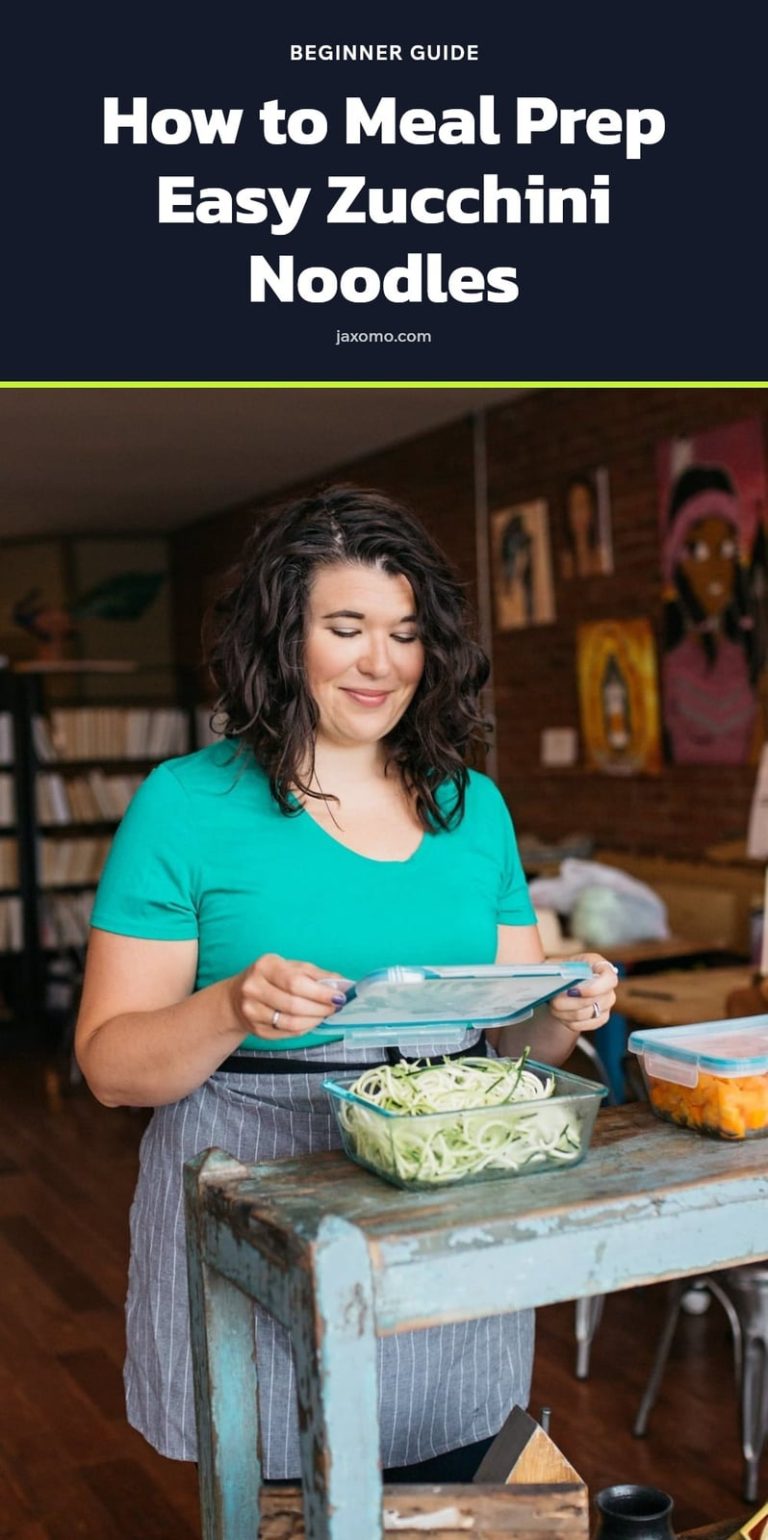
Meal prepping can feel like a big time commitment, but once you get the hang of it, you’ll wonder how you ever managed without it. This guide walks you through the entire process, from planning your first grocery list to storing your meals safely, so you can save time during the week and eat healthier without the daily stress.
I’ll share the exact steps I’ve found most helpful, plus common mistakes to avoid so you don’t waste food or effort. Whether you’re a total beginner or looking to refine your routine, you’ll find practical advice here.
Key Takeaways
- Plan 2-3 recipes that share ingredients to reduce waste and save money.
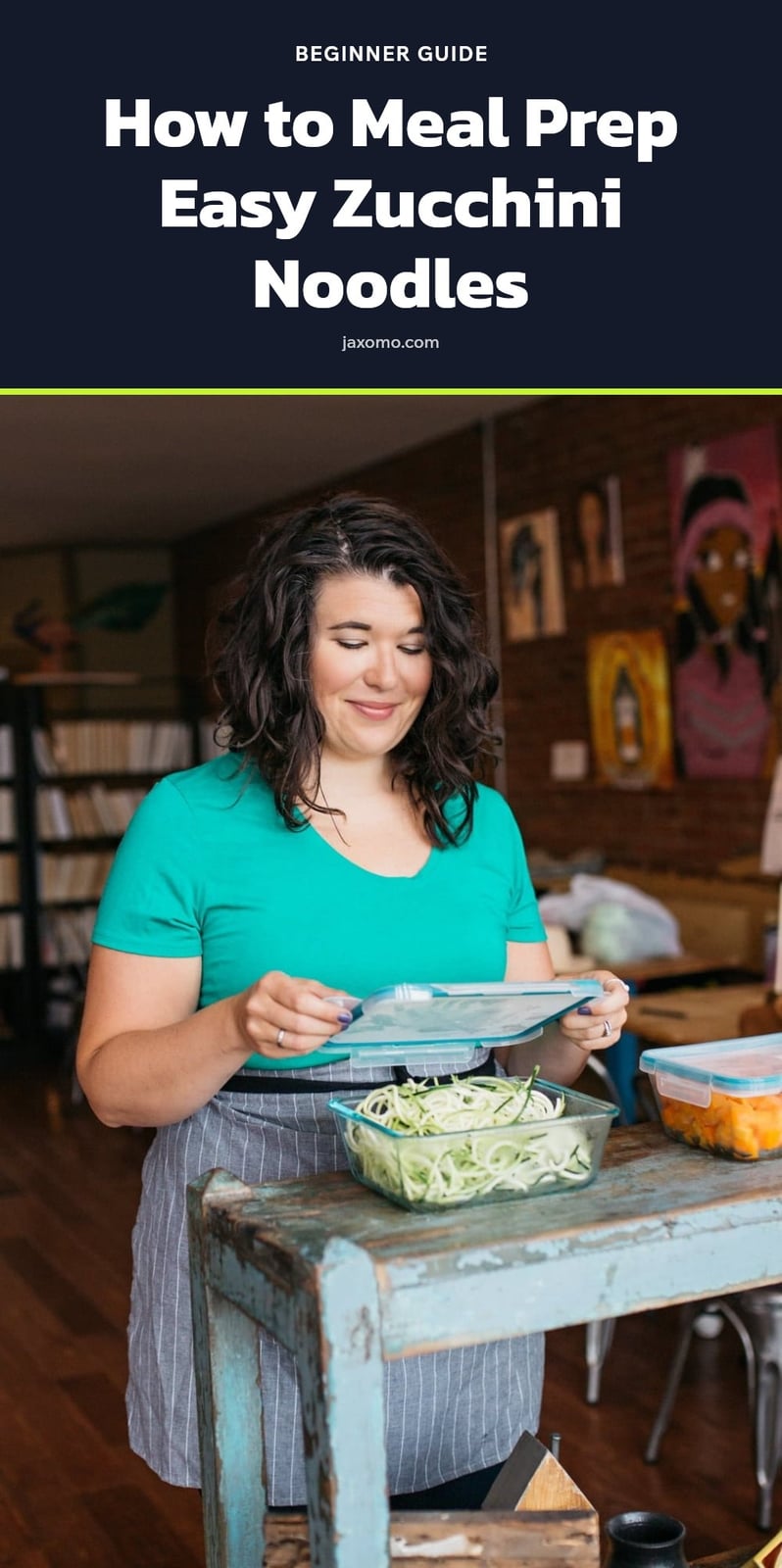
- Invest in airtight glass or BPA-free plastic containers for freshness and safety.
- Cool hot food within 2 hours before refrigerating to prevent bacterial growth.
- Label every container with the prep date so you know what to eat first.
- Start with simple recipes and gradually add variety as you get comfortable.
What is Meal Prepping and Why Should You Do It?
Meal prepping means planning and preparing meals or meal components in advance, usually for a few days or a whole week. You cook in bulk, portion everything out, and store it properly so your food stays fresh and safe to eat. For busy women juggling work and family, this habit saves serious time during the week, helps you eat healthier without thinking about it, and cuts down on the stress of figuring out dinner every night. I’ve found that just a couple of hours on Sunday sets me up for five days of grab-and-go meals.
Essential Tools for Successful Meal Prepping
You don’t need a fancy kitchen to meal prep, but a few key tools make the process much smoother.
- Airtight food storage containers: Glass or BPA-free plastic options keep food fresh and prevent leaks or cross-contamination.
- Sharp knives and cutting boards: A good chef’s knife and a sturdy board make chopping vegetables and portioning proteins fast and safe.
- Large pots, pans, and baking sheets: You need big equipment to cook grains, roast vegetables, or bake chicken breasts in bulk at once.
Your Step-by-Step Guide to Weekly Meal Prep
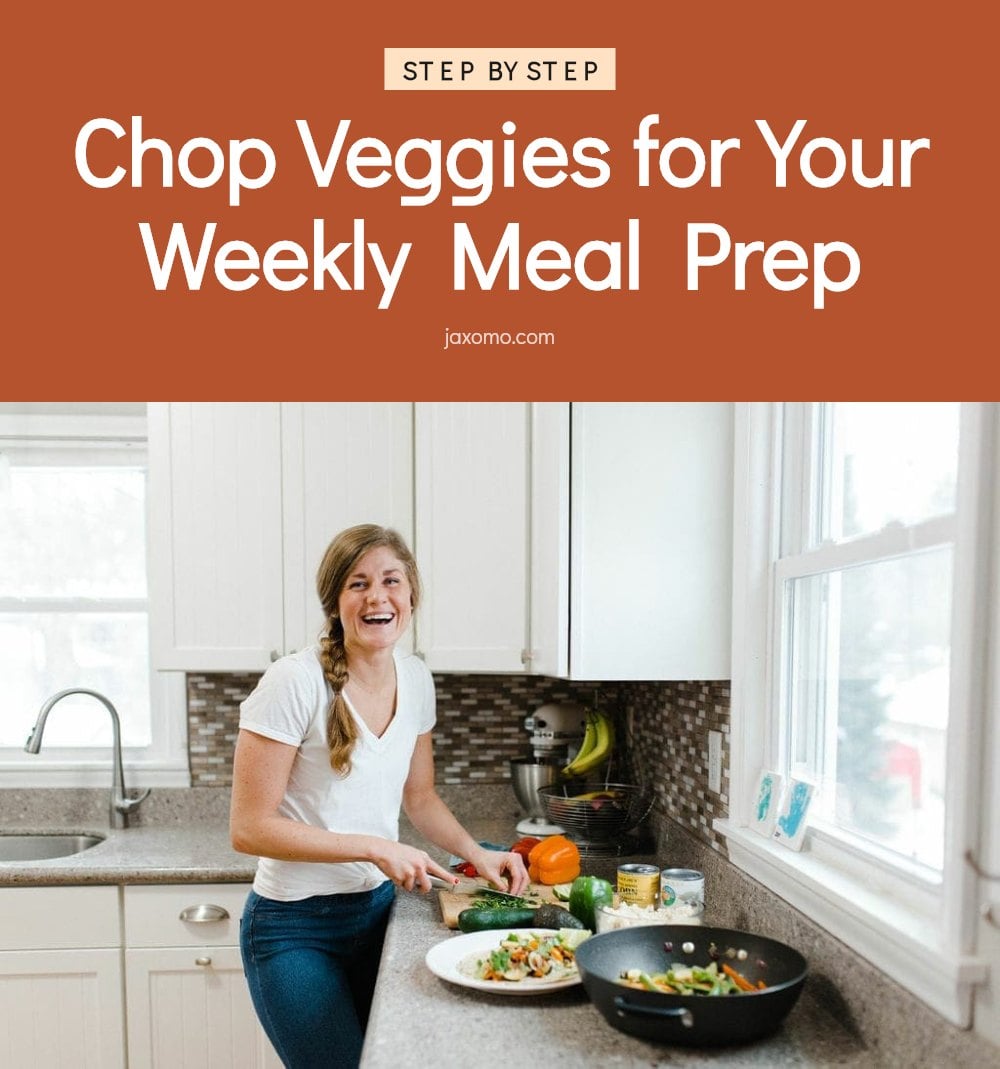
Here’s the exact routine I follow every week to get meals prepped without feeling overwhelmed.
- Plan your meals and grocery list: Pick 2-3 recipes that share ingredients (like roasted chicken that works for salads and wraps). Write down every ingredient you need so you don’t forget anything at the store.
- Shop efficiently: Stick to your list to avoid impulse buys. I usually shop after breakfast so I’m not hungry and tempted by snacks.
- Wash and chop vegetables, cook grains: Do all the prep work at once. Rinse and chop bell peppers, onions, broccoli, and any greens. Cook a big batch of rice, quinoa, or pasta.
- Cook proteins and main dishes: Grill or bake chicken breasts, cook ground beef or turkey, and roast vegetables on sheet pans. You can also make a big pot of chili or a casserole.
- Cool food rapidly: Spread hot food on a baking sheet or in a wide dish so it cools within 2 hours. Never put hot containers directly in the fridge, that raises the internal temperature and risks bacterial growth.
- Portion into containers and label: Divide each meal into individual containers with a protein, carb, and vegetable. Write the date on each lid with a marker or use food labels. Refrigerate meals you’ll eat in 3-4 days and freeze the rest.
My tip: Start with just one or two recipes you already love. Once you get comfortable, you can add more variety.
Different Approaches to Meal Prepping
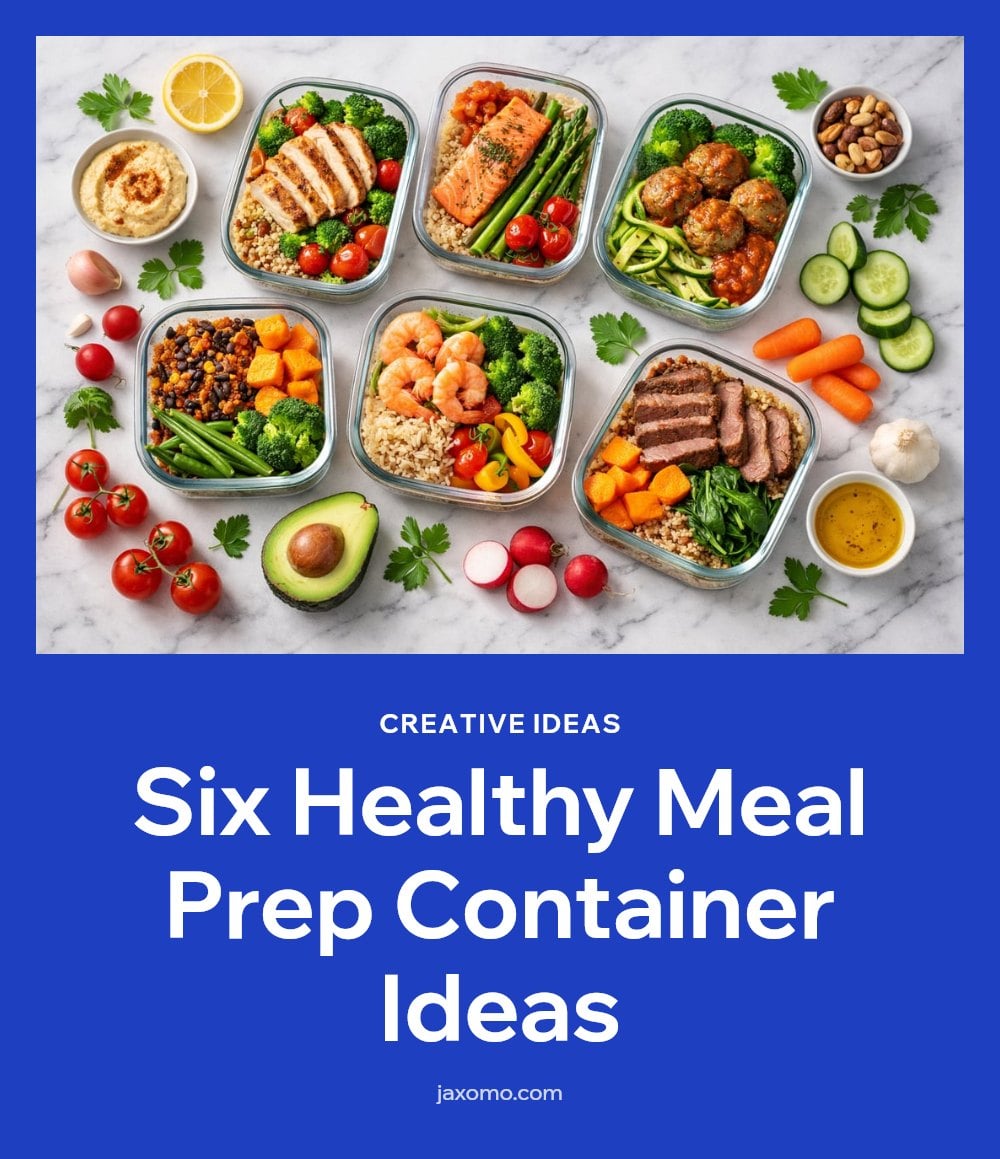
Full Meal Prep
This means cooking complete, ready-to-eat meals for the week. You portion each container with a protein, carbohydrate, and vegetable so you can grab and go. Perfect if you want zero daily cooking and strict portion control.
Batch Cooking
Make large quantities of one or two components, like a big pot of black beans, a tray of roasted sweet potatoes, and grilled chicken. You mix and match these building blocks throughout the week for different meals. Great for flexibility.
Ingredient Prep
Wash, chop, and cook individual ingredients without assembling full meals. Think chopped onions, cooked quinoa, hard-boiled eggs, and washed lettuce. You still cook each meal fresh, but the prep work is already done.
Tip: Focus on versatile ingredients that work in multiple dishes. Roasted chicken can go into salads, wraps, soups, or grain bowls, saving you from eating the same thing every day.
Common Meal Prep Mistakes and How to Avoid Them
I’ve made every mistake in the book, so you don’t have to.
- Not planning enough: Always write a detailed meal plan and grocery list before you shop. Winging it leads to missing ingredients and extra trips to the store.
- Improperly cooling food: Hot food goes straight into the fridge? Bad idea. Cool it rapidly on a counter for no more than two hours, then refrigerate to prevent bacterial growth.
- Using non-airtight containers: Airtight containers are non-negotiable. They keep food fresh longer and stop cross-contamination in the fridge.
- Making too much of one dish: Eating the same chili five days in a row gets old fast. Vary your meals by prepping two or three different recipes each week.
- Forgetting to label food: Always date your containers. A quick label with the prep day saves you from guessing which container is still safe to eat.
- Not considering reheating: Some dishes turn soggy or dry in the microwave. Choose recipes that reheat well, like stir-fries, grain bowls, or roasted vegetables.
Pro Tips for Efficient and Enjoyable Meal Prepping
These tips make the whole process faster and more enjoyable.
- Start simple: Begin with one or two recipes you already love. Once you feel comfortable, add more variety each week.
- Utilize your freezer: Freeze portions of soups, stews, or cooked grains. They stay fresh for weeks and give you a backup meal when you’re short on time.
- Don’t forget breakfast and snacks: Prep overnight oats, hard-boiled eggs, or cut veggies with dip. Having breakfast and snacks ready means you’re covered all day.
- Clean as you go: Wash a cutting board while your chicken cooks. A quick tidy-up during prep cuts post-cooking cleanup in half.
- Invest in quality containers: Good airtight containers keep food fresher longer and stack neatly in the fridge. They’re worth the upfront cost.
How Much Time and Money Does Meal Prepping Save?
Here’s what you can expect in terms of time and money.
- Time commitment: A weekly meal prep session takes 2 to 4 hours. That replaces daily cooking time during the week.
- How long meals last: Most prepared meals stay fresh in the fridge for 3 to 4 days. Freezing extends that to several weeks or months.
- Money saved: Prepping reduces impulse buys at the grocery store and cuts down on food waste. You also order less takeout when you have a ready meal at home.
- Initial costs offset: The upfront spend on containers and a few good knives is quickly recovered by lower weekly grocery bills and fewer restaurant meals.
Frequently Asked Questions
How long does meal prep typically take?
A typical weekly meal prep session takes 2 to 4 hours, depending on how many recipes you make and how much chopping or cooking is involved. That time replaces daily cooking during the week, so it balances out over the long run.
Can I meal prep for more than 4 days?
You can, but you’ll need to rely on the freezer. Most cooked meals stay safe in the fridge for only 3 to 4 days. For longer storage, freeze portions right after cooking and thaw them as needed. Soups, stews, and cooked grains freeze especially well.
How do I prevent my prepped meals from getting soggy?
Keep wet and dry ingredients separate until you’re ready to eat. For example, store salad dressing at the bottom of the container with greens on top, or pack crunchy toppings like nuts or croutons in a small bag. Reheat grains and proteins separately if possible to maintain texture.
Is it cheaper to meal prep?
Yes, in most cases. Buying ingredients in bulk and using them across multiple meals reduces food waste and lowers your per-meal cost. You also avoid impulse takeout or convenience store runs during busy weekdays. The savings add up, especially when you plan around sales.
What are the best meals for meal prepping?
Choose recipes that reheat well, like soups, stews, casseroles, grain bowls, stir-fries, and roasted vegetables. Avoid dishes that get soggy or dry, such as delicate salads or crispy fried foods. Look for recipes that share ingredients so you can prep components in bulk.
Final Thoughts
My biggest tip: start with just one or two recipes you already love. That makes the first session feel manageable, and you’ll build confidence quickly. Expect your weekly prep to take 2 to 4 hours, and remember that most meals stay fresh in the fridge for 3 to 4 days, so you only need to do this once a week. With a little planning, you’ll free up your evenings and actually look forward to lunch.
This information is for general informational purposes only and is not intended as medical or professional dietary advice. Always follow USDA food safety guidelines and consult a healthcare provider or registered dietitian if you have specific health concerns or medical conditions.