How to Stop Dandruff Naturally and Keep It Away
Learn how to stop dandruff naturally with effective home remedies and lifestyle changes. Discover causes, treatments, and prevention tips for a healthy scalp.

If you’re dealing with an itchy, flaky scalp, you know how frustrating dandruff can be. The good news is that natural remedies can help manage symptoms by reducing the yeast that causes flakes and soothing irritation. This article covers what causes dandruff, the most effective natural treatments, common mistakes to avoid, and how to keep your scalp healthy long-term.
Key Takeaways
- Dandruff is usually caused by an overgrowth of Malassezia yeast, not poor hygiene.
- Diluted tea tree oil and apple cider vinegar rinses can help reduce flakes when used consistently.
- Shampoo every other day with a gentle, sulfate-free formula to prevent oil buildup.
- Always do a patch test before trying a new remedy on your entire scalp.
- See a dermatologist if natural remedies don’t improve symptoms after 4 weeks.
What Causes Dandruff and Why It Happens
Dandruff is a common scalp condition, essentially a mild form of seborrheic dermatitis. It happens when a yeast-like fungus called Malassezia globosa, which naturally lives on your scalp, grows too much. This yeast feeds on your scalp’s natural oils and breaks them down into oleic acid, which irritates sensitive skin. That irritation speeds up skin cell turnover, causing the white flakes and itching you see. It’s not about poor hygiene, it’s a reaction to that fungus and oil.
Natural Remedies to Soothe Your Scalp and Reduce Flakes
Tea Tree Oil
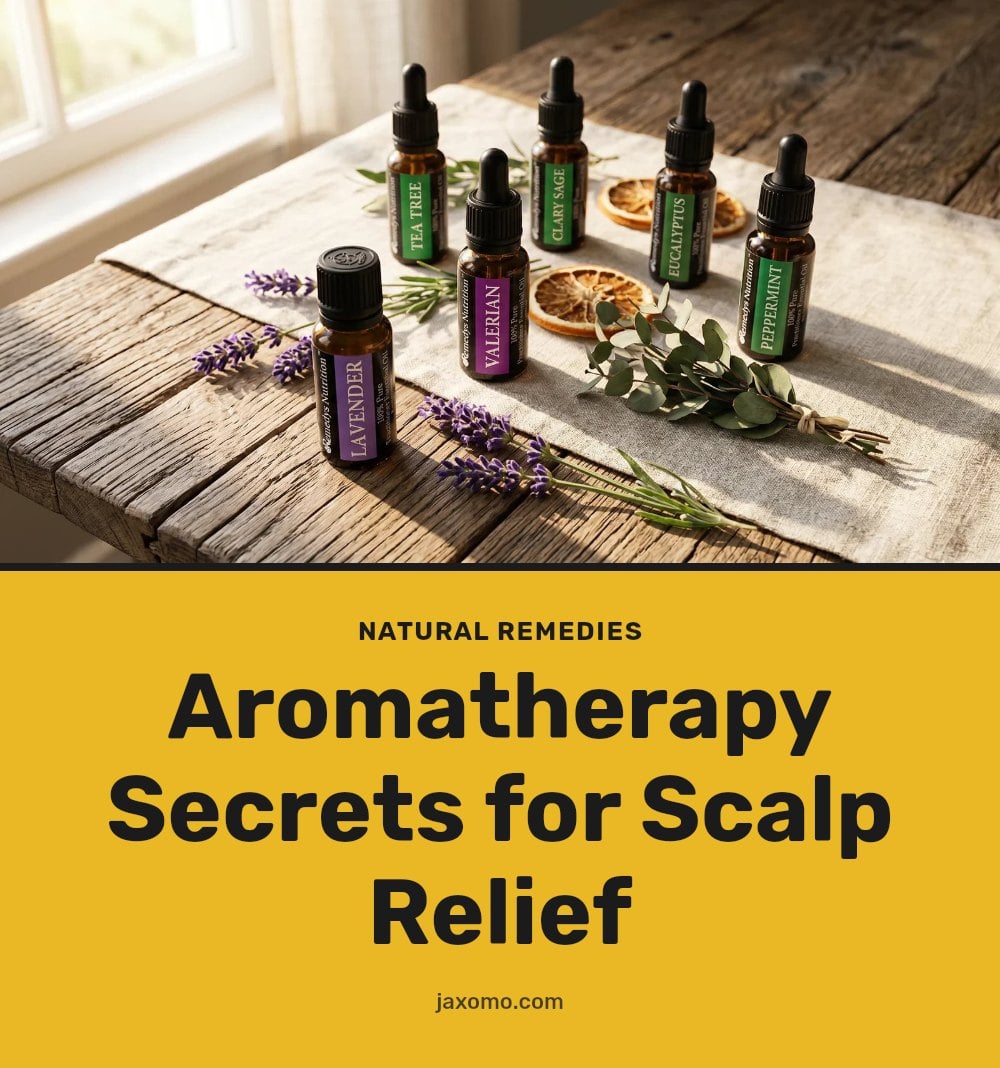
Tea tree oil has natural antifungal properties that may help reduce the yeast behind dandruff. Always dilute it before use, as it can irritate your scalp when applied directly. Mix 3 to 5 drops in a tablespoon of a carrier oil like jojoba or coconut oil, massage into your scalp, leave for 10 minutes, then rinse thoroughly.
Tip: Do a patch test on your inner arm 24 hours before trying it on your scalp.
Apple Cider Vinegar Rinse
Apple cider vinegar helps balance your scalp’s pH and has mild antimicrobial properties. Mix one part ACV with three parts water, apply to your scalp after shampooing, leave for 2 to 3 minutes, then rinse. The smell fades once your hair dries.
Caution: Keep it away from your eyes, it stings.
Aloe Vera Gel
Aloe vera soothes irritation and reduces inflammation, which can calm an itchy scalp. Apply pure aloe vera gel directly to your scalp, leave for 20 minutes, then rinse. Use it a few times a week, starting with once or twice, and see how your scalp reacts before increasing frequency.
Coconut Oil
Coconut oil moisturizes a dry scalp and has antifungal properties that may help fight yeast. Warm a small amount in your hands, massage it into your scalp, and leave for 30 minutes before washing. Use it as a pre-shampoo treatment to avoid a greasy look.
Baking Soda or Lemon Juice
Both can act as mild exfoliants, helping to remove dead skin flakes and balance pH. For baking soda, mix a teaspoon with water to form a paste, massage gently, and rinse. For lemon juice, dilute it with water (one part juice to two parts water) and apply briefly. These are more potent than other remedies, so use them once a week or less.
Caution: These can be drying or irritating, so stop if your scalp feels worse.
Essential Tools and Ingredients for Dandruff Management
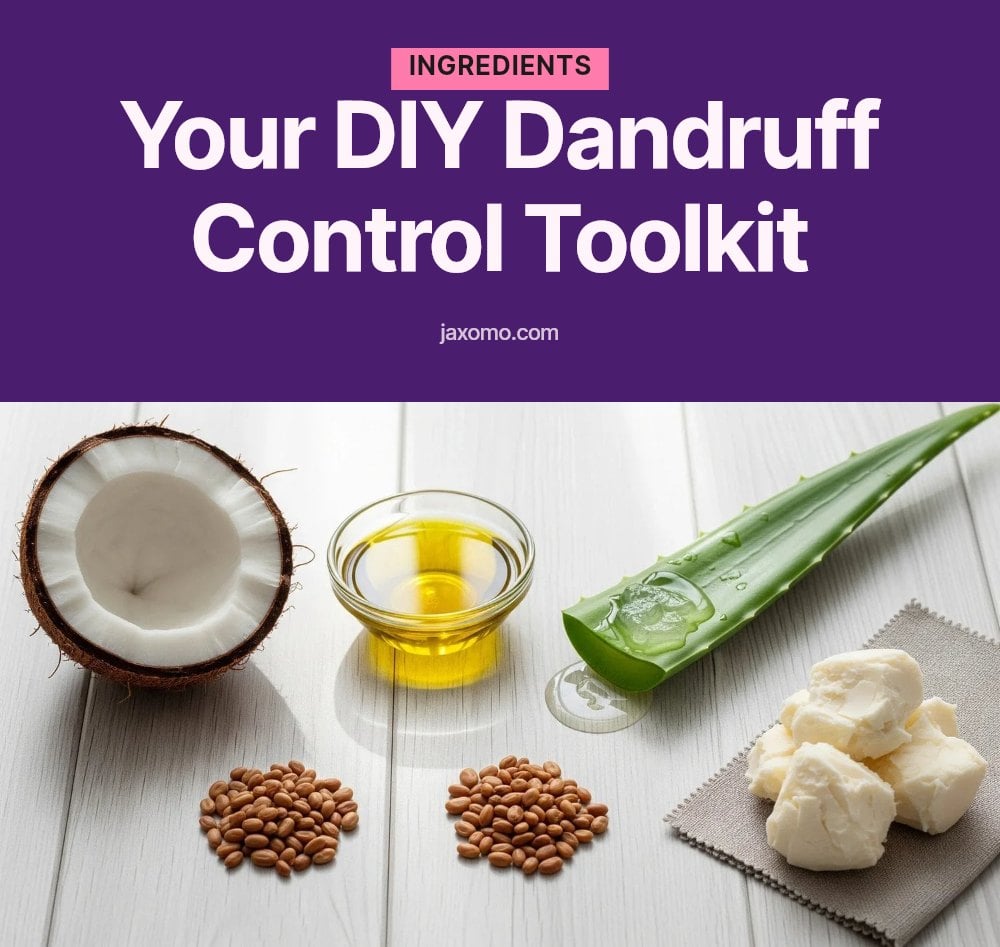
To manage dandruff naturally, keep these basics on hand:
- Tea tree oil: antifungal for the scalp, always dilute.
- Apple cider vinegar: balances pH, use as a rinse.
- Aloe vera gel: soothes irritation.
- Coconut oil: moisturizes and fights yeast.
- Baking soda: mild exfoliant.
- Lemon juice: exfoliates, but can be irritating.
- Carrier oils: jojoba or almond oil for diluting essential oils.
- Gentle, sulfate-free shampoo: cleans without stripping natural oils.
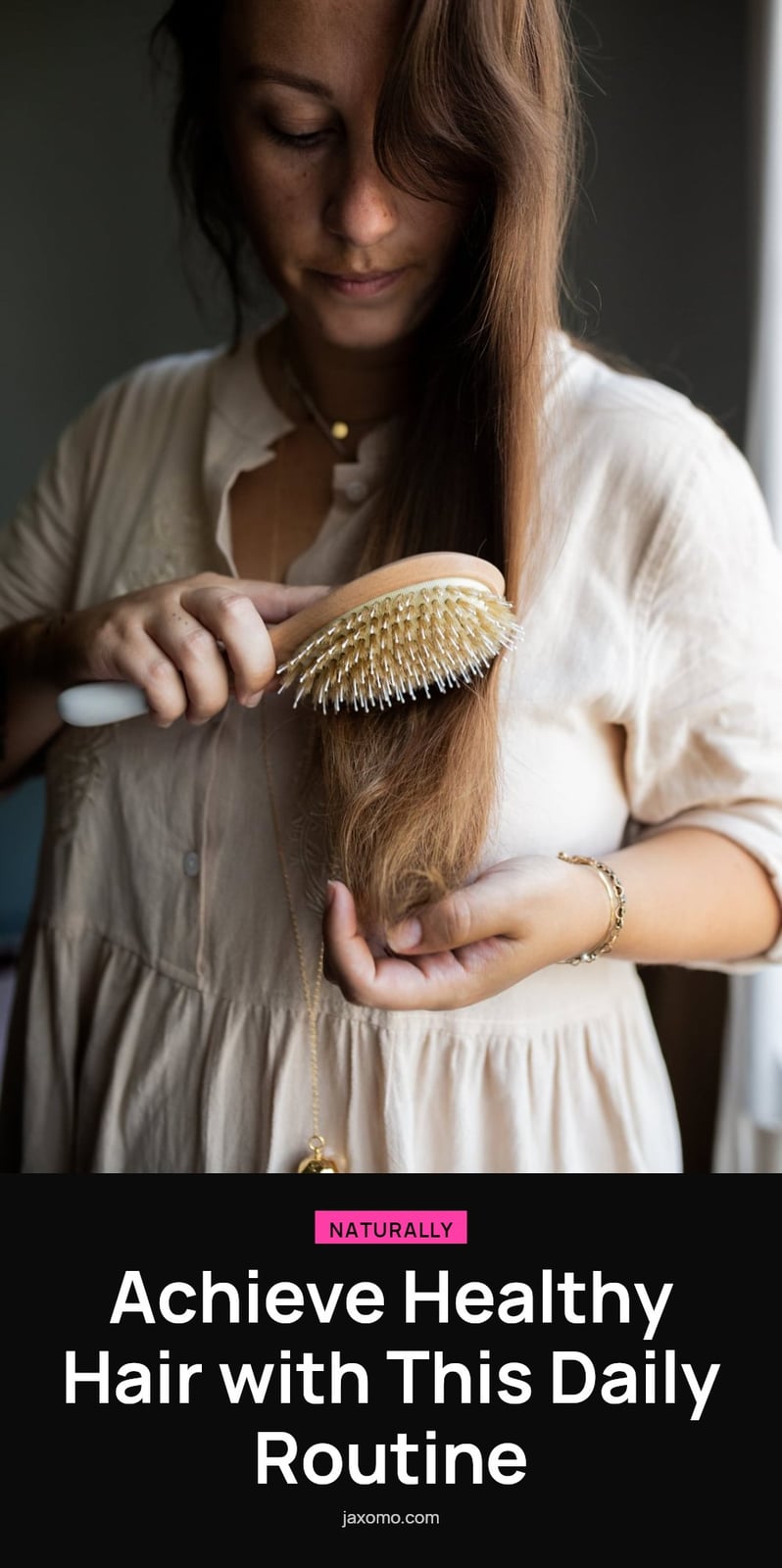
- Clean hairbrush: removes flakes and distributes oils, but keep it clean.
Common Dandruff Mistakes to Avoid
Many people make these mistakes when trying to fix dandruff, and they often make things worse.
- Thinking it’s just poor hygiene: Dandruff is usually caused by a yeast overgrowth, not lack of washing. Over-washing can strip oils and irritate your scalp, while under-washing lets oil and dead skin build up. Aim for a balanced routine.
- Using harsh hair products: Shampoos with sulfates or other strong ingredients can dry out your scalp, triggering more flakes. Switch to a gentle, sulfate-free formula.
- Expecting instant results: Natural remedies take time, often 2 to 4 weeks of consistent use. If you stop after a few days, you won’t see improvement.
- Confusing dandruff with other conditions: Psoriasis or head lice can look similar. If you’re unsure, check with a dermatologist before treating.
Keeping Dandruff Away: Long-Term Strategies
Shampoo regularly: Use a gentle, sulfate-free shampoo to prevent oil buildup without stripping your scalp. Washing every other day works for most people.
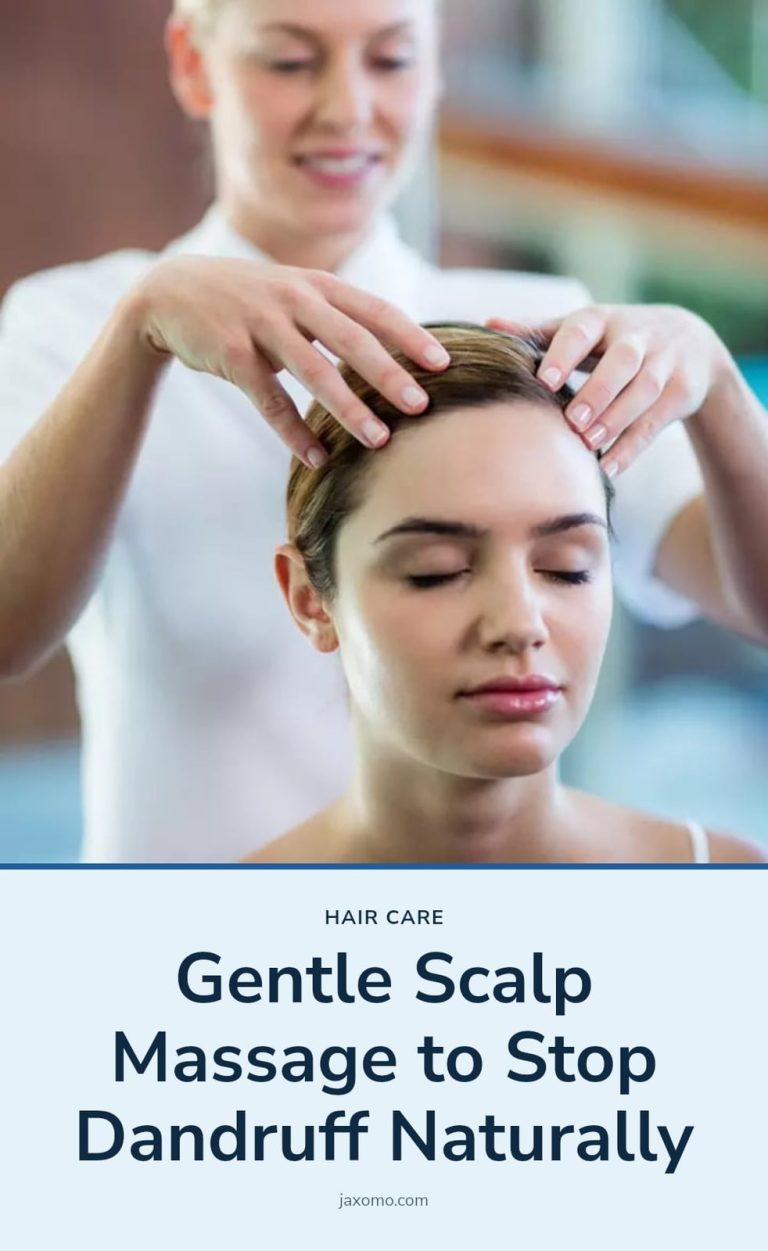
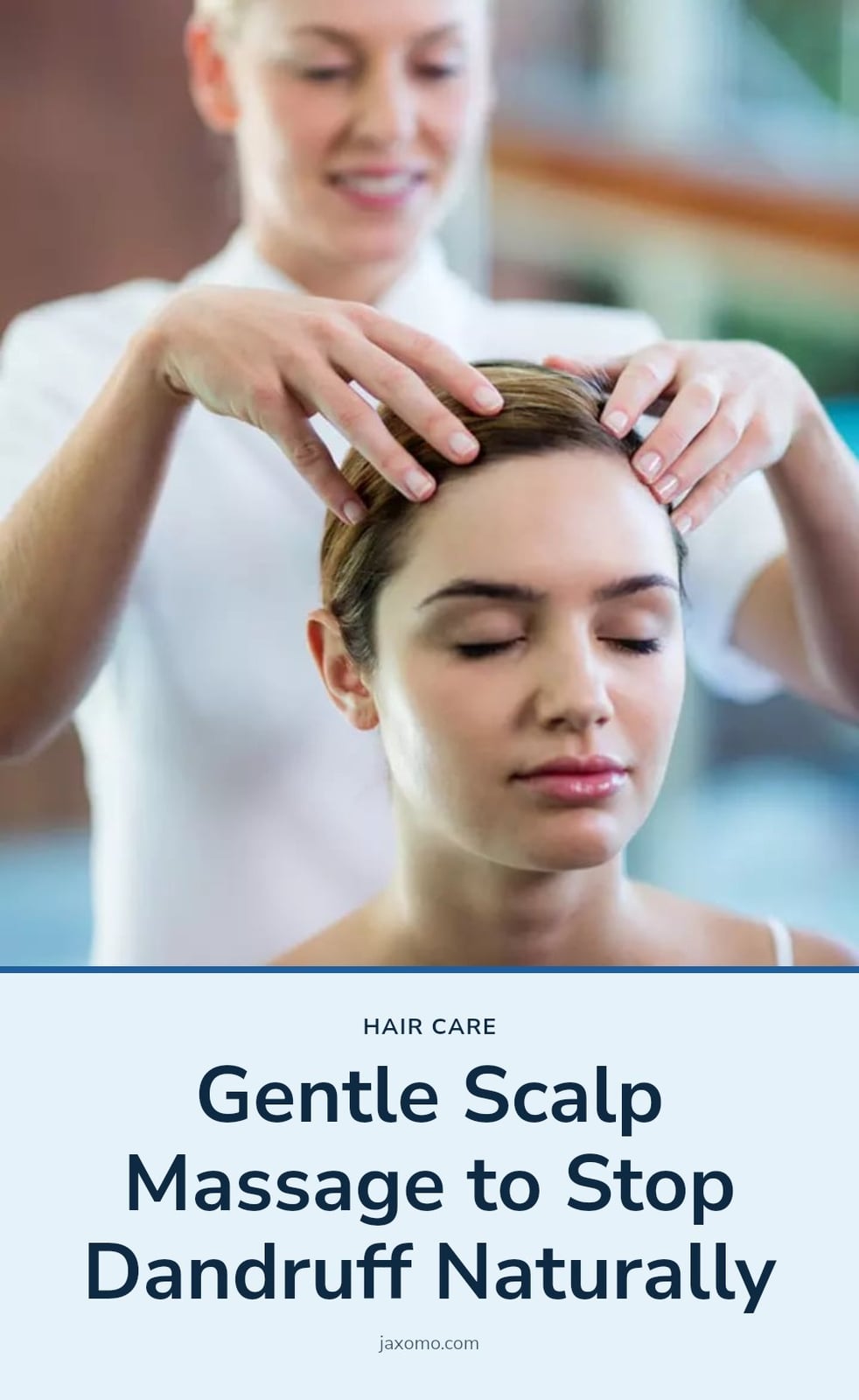
Massage while washing: Use your fingertips to gently massage your scalp in circular motions for 1-2 minutes. This loosens flakes and stimulates circulation.
Rinse thoroughly: Leftover shampoo or conditioner residue can irritate your scalp and worsen flakes. Rinse until the water runs completely clear.
Eat for scalp health: Include foods rich in zinc, B vitamins, and healthy fats like salmon, nuts, and leafy greens. A balanced diet supports your scalp’s natural defenses.
Manage stress: High stress can trigger or worsen dandruff flare-ups. Even 10 minutes of daily deep breathing or a short walk can help.
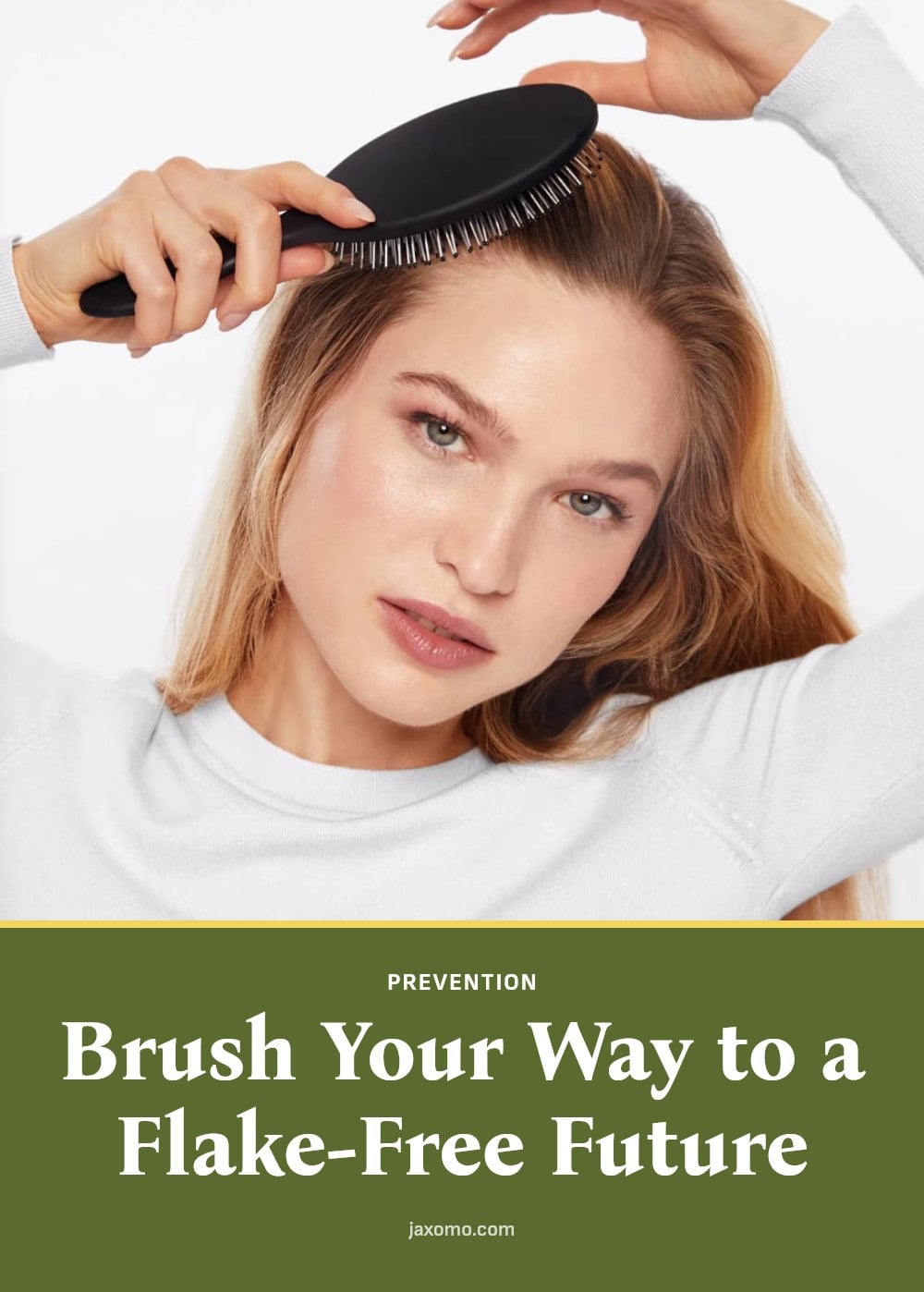
Clean your brushes: Hairbrushes collect dead skin, oil, and product buildup. Remove hair after each use and wash brushes weekly with mild soap.
Smart Tips for a Healthier, Flake-Free Scalp
Always dilute essential oils: Tea tree and other essential oils can burn or irritate skin when applied undiluted. Mix 3-5 drops with a tablespoon of carrier oil like jojoba or almond oil.
Patch test first: Before using any new remedy on your whole scalp, dab a small amount on your inner elbow or behind your ear. Wait 24 hours to check for redness or itching.
Avoid very hot water: Hot showers strip natural oils from your scalp, leaving it dry and more prone to flaking. Use lukewarm water instead.
Don’t scratch aggressively: Scratching can damage your scalp and lead to infection. If your scalp itches, try a gentle massage or a cool rinse.
Clean your hairbrushes regularly: Dirty brushes transfer oil and dead skin back onto your clean scalp. Wash them weekly with warm water and a drop of shampoo.
How Long Until You See Results and What to Expect
Natural remedies typically take 2-4 weeks of consistent use before you see noticeable improvement. Flakes may reduce gradually rather than disappear overnight.
The cost of these remedies is generally low, most ingredients like apple cider vinegar, coconut oil, and aloe vera are already in your kitchen or affordable at any grocery store.
Consistency matters more than any single ingredient. Stick with a routine for at least a month before deciding if a remedy works for you.
When to Consult a Professional for Your Dandruff
If your dandruff is severe, persistent, or doesn’t improve after 4 weeks of consistent natural remedies, see a dermatologist. They can identify whether another condition like scalp psoriasis is the cause.
Consult a doctor right away if you notice significant redness, swelling, warmth, oozing, or signs of infection on your scalp. These symptoms may require prescription treatment.
Also seek professional advice if natural remedies cause increased irritation or if itching interferes with your daily life. A dermatologist can recommend medicated options that are safe for long-term use.
Frequently Asked Questions
How often should I use natural dandruff remedies?
Most natural remedies, like diluted tea tree oil or apple cider vinegar rinses, are safe to use 2 to 3 times per week. Overusing them can irritate your scalp, so start slowly and see how your skin reacts. Consistency over several weeks is more important than frequency.
Can diet affect dandruff?
Yes, what you eat may play a role. A diet rich in zinc, B vitamins, and healthy fats can support scalp health. Some people find that cutting back on sugar and processed foods helps reduce yeast overgrowth, though diet alone rarely fixes dandruff completely.
Is dandruff a sign of poor hygiene?
No, that’s a common myth. Dandruff is primarily caused by an overgrowth of yeast that naturally lives on your scalp, not by how often you wash your hair. While infrequent washing can make flakes more noticeable, even people who wash daily can have dandruff.
What’s the best shampoo for a flaky scalp?
A gentle, sulfate-free shampoo is a good starting point because it cleans without stripping your scalp’s natural oils. If you need more help, look for shampoos with ingredients like tea tree oil or salicylic acid, but always introduce new products slowly to avoid irritation.
Can stress make dandruff worse?
Yes, stress is a known trigger for dandruff flare-ups. It can increase oil production and weaken your skin’s defenses, making it easier for yeast to overgrow. Managing stress through relaxation techniques, exercise, or sleep can help keep symptoms under control.
Final Thoughts
For most people, a consistent routine of gentle washing and natural remedies like diluted tea tree oil or apple cider vinegar rinses can make a real difference. Expect to stick with it for 2 to 4 weeks before you see noticeable improvement, flakes usually reduce gradually. The key is patience and not giving up too soon. With the right approach, a calmer, healthier scalp is absolutely achievable.
This article is for informational purposes only and is not a substitute for professional medical advice. If you have a persistent or severe scalp condition, or if symptoms worsen, please consult a dermatologist or healthcare provider for a proper diagnosis and treatment plan.