Understanding and Treating Redness on Your Face
Learn the causes of redness on your face, from irritation to chronic conditions. Discover gentle skincare and lifestyle tips to reduce redness and achieve.

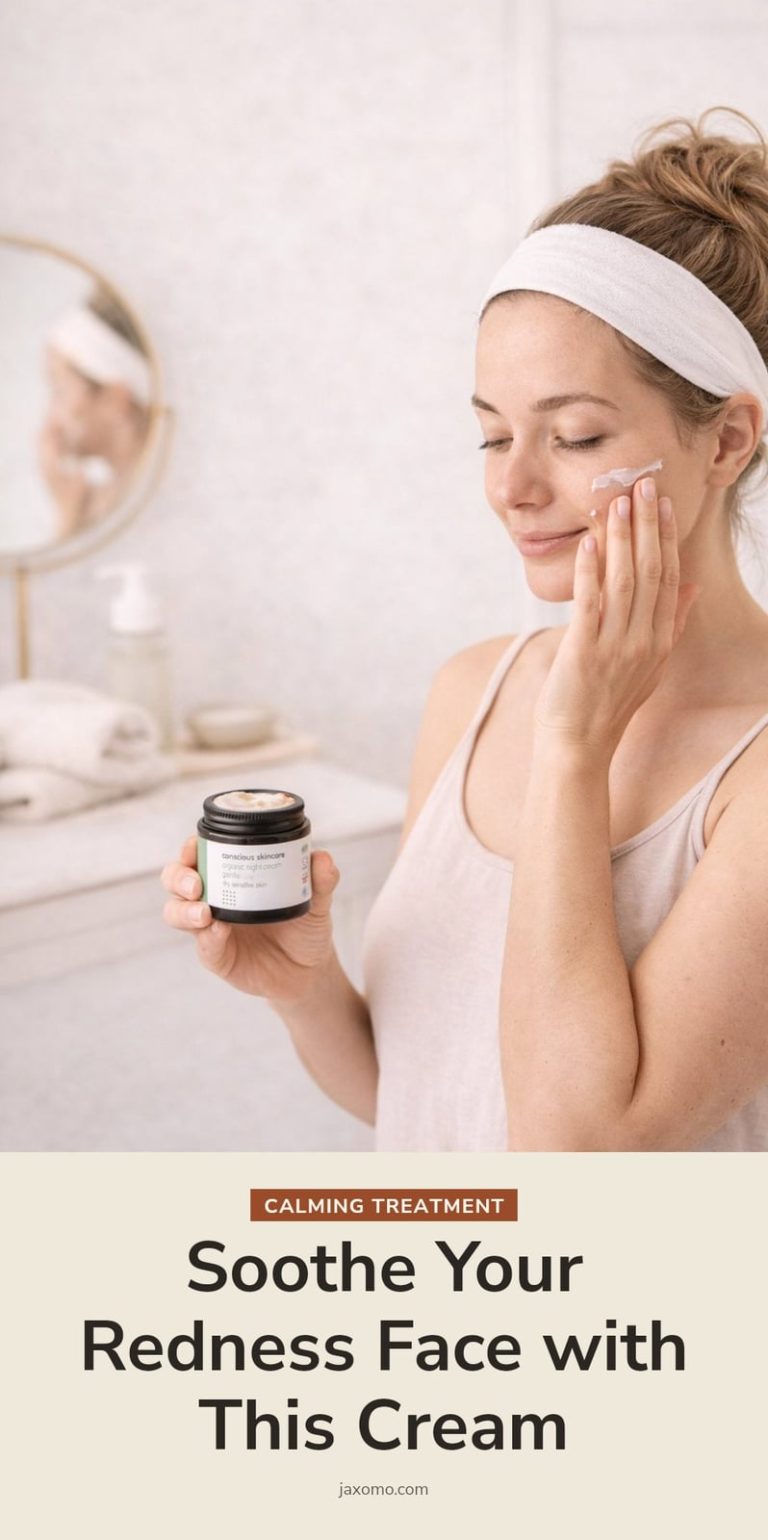
Facial redness can be frustrating, whether it shows up suddenly after a new product or lingers as a daily concern. The good news is that understanding what is causing it is the first step toward calming your skin and preventing future flare-ups. This article covers the common causes of facial redness, immediate ways to soothe irritation, and long-term strategies to keep your skin calm and healthy.
Key Takeaways
- Apply a cool compress for 10 minutes to immediately reduce acute redness and inflammation.
- Use a broad-spectrum sunscreen with SPF 30 or higher every morning to prevent sun-induced redness.
- Stick to gentle, fragrance-free cleansers and moisturizers to avoid irritating sensitive skin.
- Identify and avoid personal triggers like spicy foods, hot drinks, and alcohol to prevent flushing.
- Consult a dermatologist if redness is persistent, worsening, or accompanied by severe symptoms.
Immediate Steps to Soothe Facial Redness
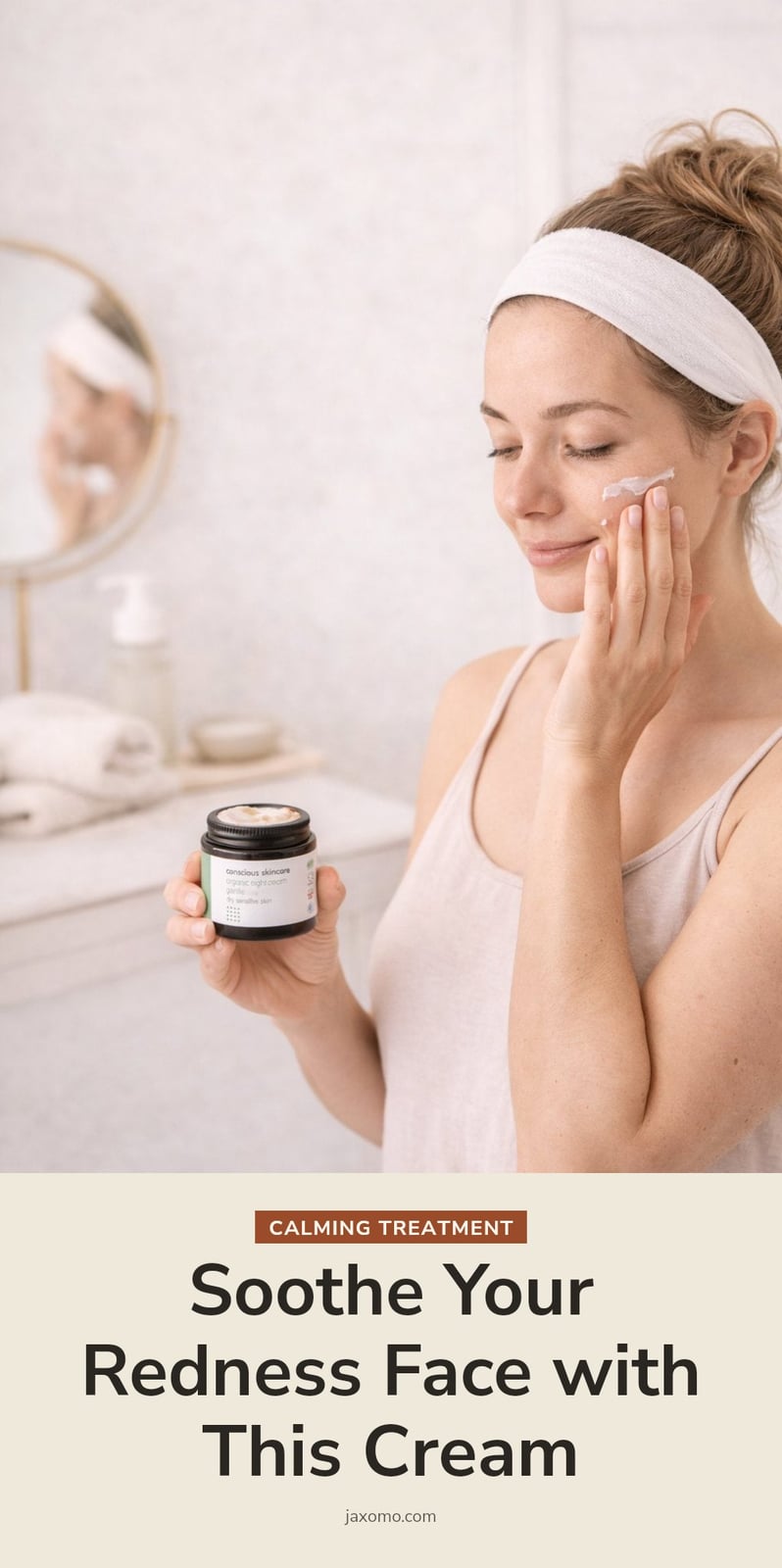
When your face suddenly turns red, start by stepping away from anything that could be triggering it, hot drinks, spicy food, or a new skincare product. Apply a cool compress or wrap an ice pack in a soft cloth and hold it against the red areas for 10 minutes. This can calm acute inflammation quickly. After that, wash your face with a gentle, fragrance-free cleanser and follow with a fragrance-free moisturizer. If the redness persists or keeps coming back, make an appointment with a dermatologist to rule out underlying conditions like rosacea or eczema.
Why Your Face Might Be Red: Common Causes
Common Causes of Facial Redness
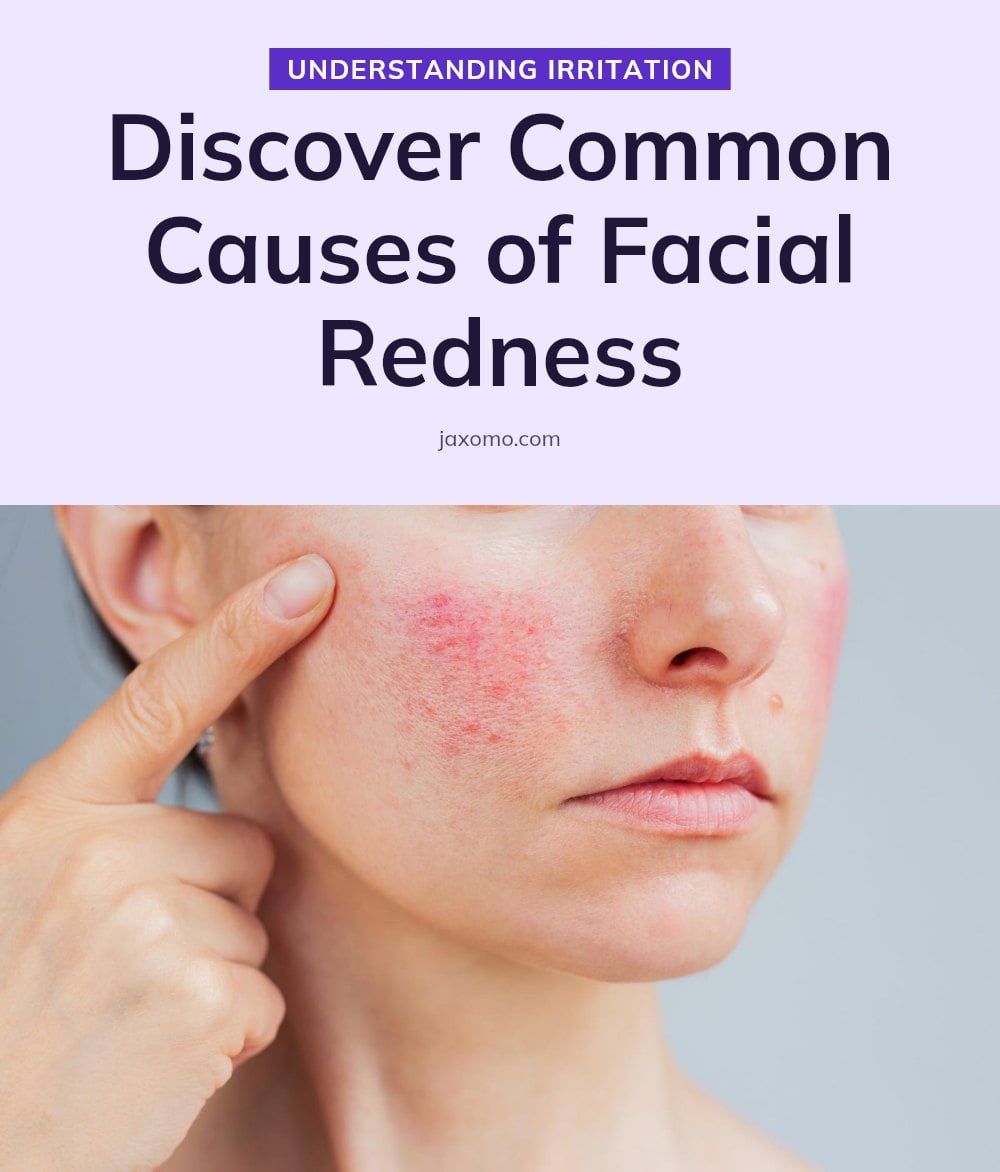
Facial redness can come from many sources, and pinpointing yours is the first step to fixing it. Chronic conditions like rosacea cause persistent flushing, visible blood vessels, and sometimes bumps. Eczema shows up as red, itchy, dry patches. Allergic reactions to skincare products, makeup, or pollen can trigger sudden redness and irritation. Sunburn is another obvious cause, UV damage inflames the skin. Acne breakouts also bring redness around pimples. Less common but possible causes include seborrheic dermatitis, which creates red, scaly patches, and broken capillaries, which appear as tiny red lines. Each cause needs a different approach, so pay attention to when and where the redness appears.
Effective Methods to Reduce Facial Redness
Effective Methods to Reduce Facial Redness
To calm redness fast, reach for a cool compress. Wrap a few ice cubes in a soft cloth and press it gently against your skin for 10 minutes. This constricts blood vessels and reduces inflammation.
Tip: Keep the compress moving rather than holding it still in one spot to avoid chilling the skin too intensely.
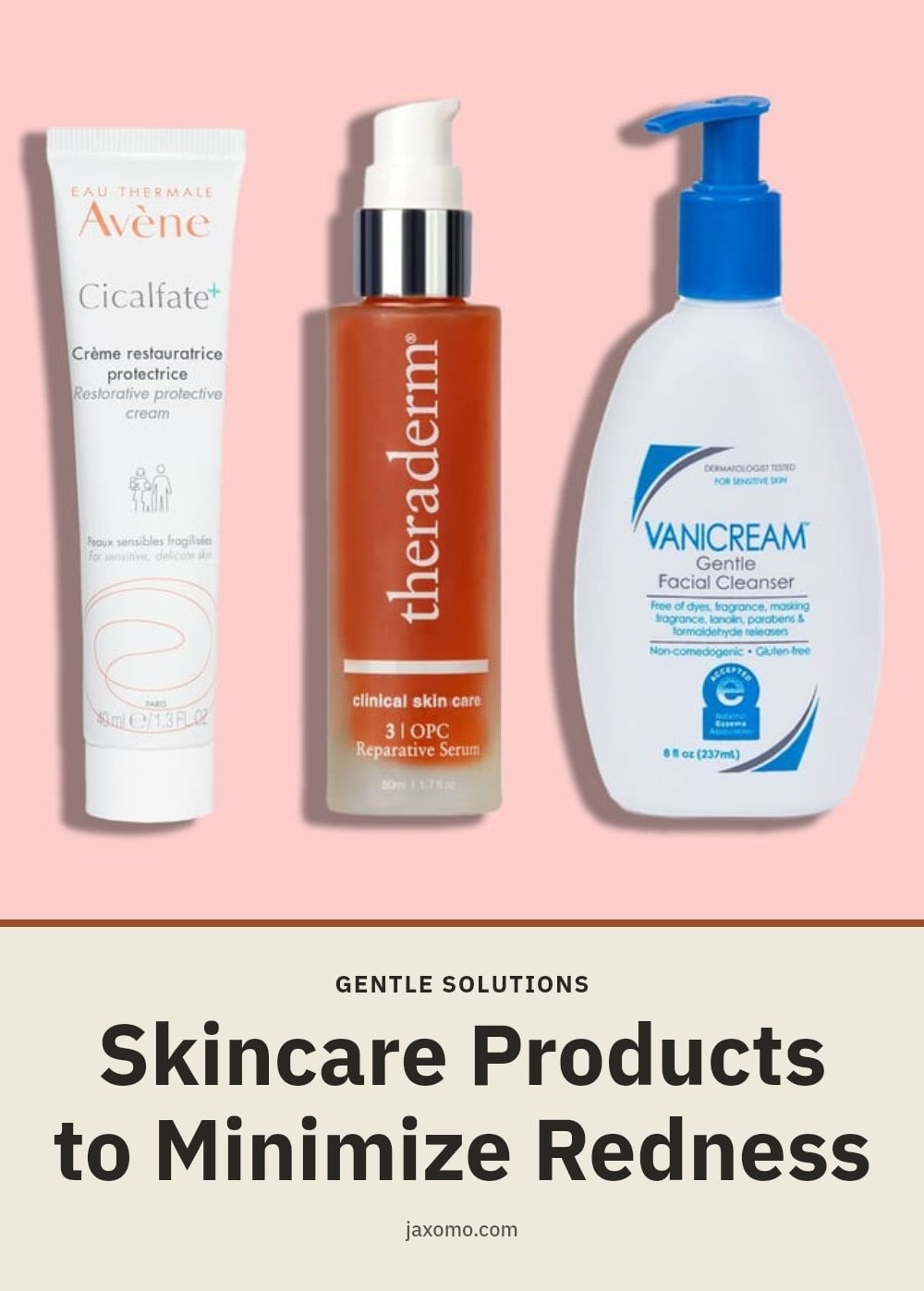
Build a gentle routine: Use a gentle, fragrance-free cleanser twice daily, then apply a fragrance-free moisturizer. Look for serums with niacinamide, centella asiatica, or green tea extract, these ingredients soothe irritation and strengthen the skin barrier over time.
Caution: Skip products with alcohol, strong fragrances, or essential oils, as they can worsen redness in sensitive skin.
Identify your triggers: Common ones include spicy foods, hot drinks, alcohol, extreme heat or cold, and harsh products. Keep a simple diary for a week to spot patterns.
Protect daily: Apply a broad-spectrum sunscreen with SPF 30 or higher every morning, even indoors. UV rays are a major trigger for redness, especially if you have sensitive skin or rosacea.
Tip: Use lukewarm water when washing your face and pat your skin dry with a soft towel instead of rubbing, which can aggravate inflamed areas.
Common Mistakes When Treating Facial Redness
When treating facial redness, it’s easy to make things worse without realizing it. Here are the most common mistakes and what to do instead.
- Using too many actives: Layering retinol, acids, and vitamin C can overload your skin. Stick to one active at a time and always pair it with a gentle moisturizer.
- Treating all redness like acne: Harsh acne products dry out and irritate skin that isn’t breaking out. If your redness isn’t accompanied by pimples, skip the benzoyl peroxide and salicylic acid.
- Skipping sunscreen: Sun exposure worsens redness and can undo your progress. Wear SPF 30+ every single day, rain or shine.
- Rubbing your face: Vigorous scrubbing or wiping irritates the skin and breaks capillaries. Pat your face dry with a soft towel and apply products with gentle, upward motions.
- Ignoring ingredient labels: Fragrance, alcohol, and essential oils are common irritants. Choose products labeled fragrance-free and alcohol-free.
- Covering up instead of treating: Green-tinted makeup can neutralize redness temporarily, but it won’t fix the underlying cause. Use it as a backup, not your main strategy.
Preventing Future Redness and Skin Irritation
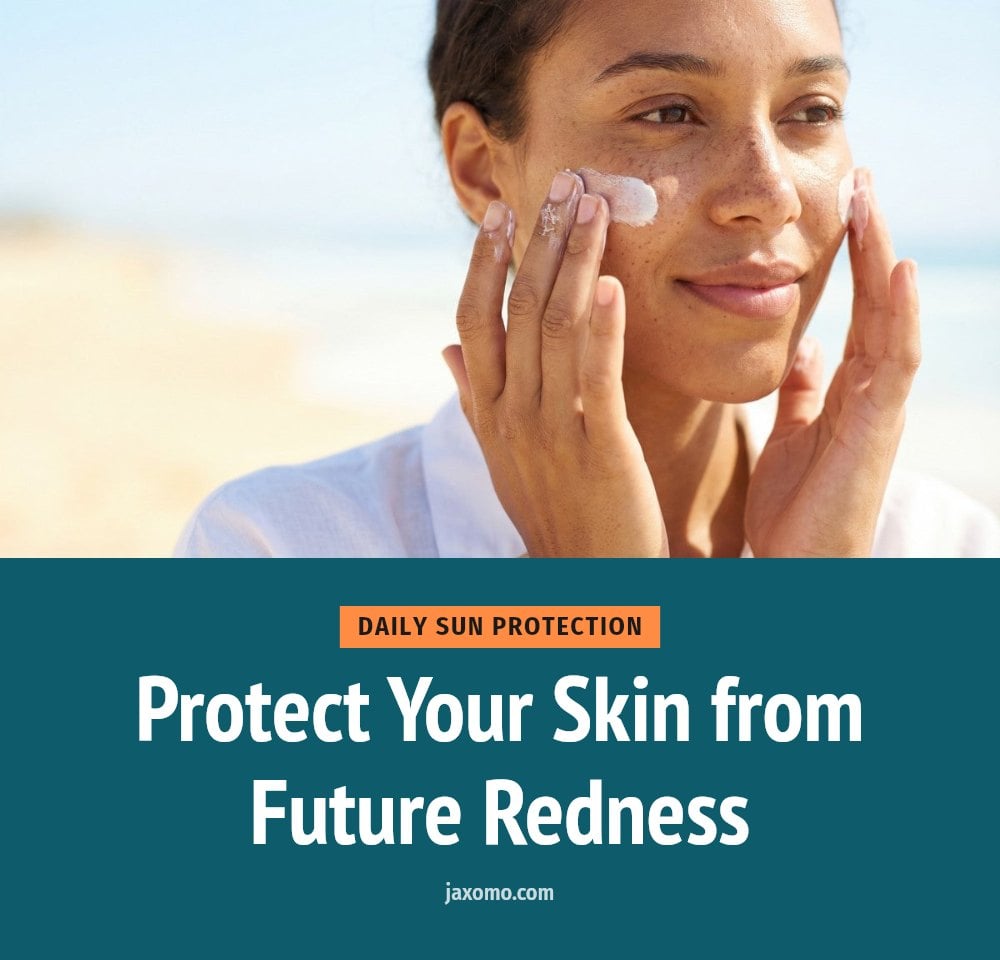
To keep redness from returning, build a consistent routine with gentle, fragrance-free products. Apply a broad-spectrum sunscreen with SPF 30 or higher every morning, even on cloudy days, to block sun-induced redness. Identify your personal triggers, such as spicy foods, hot beverages, alcohol, or extreme temperatures, and avoid them when possible. Manage stress through techniques like meditation or deep breathing, as stress can trigger flare-ups. Wash your face with lukewarm water and pat it dry gently with a soft towel. Skip harsh physical exfoliants and any products containing alcohol or strong fragrances.
When to Consult a Dermatologist for Redness
If your facial redness is accompanied by severe itching, swelling, blistering, or pain, seek immediate medical attention. Consult a dermatologist if the redness is persistent, worsening, or affecting your quality of life, as it may indicate a treatable condition like rosacea or eczema. A professional diagnosis is important for these conditions, which often require specific medical treatments. Do not use topical steroids for prolonged periods without medical supervision, as they can thin the skin and worsen the problem.
Timeline for Results and What to Expect
You can get immediate relief from acute redness with a cool compress, but for chronic redness, results take time. Consistent use of gentle skincare and trigger avoidance may take several weeks to months to show significant improvement. Professional treatments, such as those a dermatologist can provide, may work faster depending on the underlying cause. In general, over-the-counter products are more affordable than professional procedures, though the right diagnosis can save you money on products that don’t work.
Frequently Asked Questions
Can diet affect facial redness?
Yes, for some people certain foods and drinks can trigger flushing and redness. Common culprits include spicy foods, hot beverages, and alcohol, especially in those with rosacea. Keeping a food diary can help you identify your personal triggers and avoid them.
How long does it take to reduce facial redness?
Acute redness from irritation or sunburn can improve immediately with a cool compress. For chronic conditions like rosacea or eczema, consistent use of gentle skincare and trigger avoidance may take several weeks to months to show significant improvement. Professional treatments from a dermatologist can offer faster results.
Is green-tinted makeup safe for sensitive, red skin?
Green-tinted primers and concealers are generally safe for sensitive skin when they are fragrance-free and formulated without common irritants. They work by neutralizing red tones visually without treating the underlying cause. Always patch test a new product on a small area first.
What ingredients should I look for in products for redness?
Look for soothing ingredients like niacinamide, centella asiatica, and green tea extract. These can help calm inflammation and support the skin barrier. Avoid products with alcohol, strong fragrances, or essential oils, which can worsen redness.
Can stress cause facial redness?
Yes, stress is a known trigger for various skin conditions that cause facial redness, including rosacea and eczema. Managing stress through relaxation techniques, adequate sleep, and exercise may help reduce the frequency and severity of flare-ups.
Final Thoughts
For lasting results, focus on a consistent routine with gentle products and daily sun protection. If you have chronic redness, expect several weeks to months of consistent care before you see significant improvement. Remember, your skin is unique, so listen to it and adjust your approach as needed.
This article is for general informational purposes only and does not constitute medical advice. Facial redness can have many causes, and persistent or severe symptoms should be evaluated by a dermatologist or healthcare professional. Always consult a doctor before starting any new skincare routine or treatment.