Bloated Belly Remedies: Quick Relief and Lasting Solutions
Discover effective bloated belly remedies for quick relief and learn how to prevent discomfort with simple lifestyle changes. Get rid of gas and bloating now!


That uncomfortable, tight feeling in your belly after a meal? You’re not alone. Bloating is a common issue, often caused by gas buildup or your digestive system slowing down. This article covers practical, fast-acting remedies you can try at home, plus simple daily habits to help prevent bloating from coming back.
Key Takeaways
- For fast relief, try an over-the-counter simethicone medication or a short walk.
- Drink plenty of water throughout the day to prevent constipation-related bloating.
- Eat slowly and avoid carbonated drinks to reduce swallowed air and gas.
- Keep a food diary to identify your personal trigger foods.
- If bloating comes with severe pain or other symptoms, see a doctor.
Fast Relief for a Bloated Belly
Bloating usually comes from excess gas or a slowdown in your digestive tract. For fast relief, an over-the-counter medication with simethicone can break down gas bubbles in minutes. Gentle movement like a short walk helps get things moving, and a cup of peppermint or ginger tea can soothe your stomach. Long term, you’ll want to look at your diet, how you eat, and your stress levels to keep bloating from coming back.
Why Your Belly Feels Bloated
Most bloating happens because gas builds up or has trouble moving through your intestines. Certain foods are common triggers: high-FODMAP foods (like onions, garlic, and beans), carbonated drinks, and fibrous vegetables such as broccoli or cabbage. Your eating habits matter too. Eating too quickly, talking while you chew, or chewing gum makes you swallow extra air, which adds to the gas.
Other Contributing Factors
- Constipation: When waste moves slowly, gas has more time to accumulate.
- Stress: It can slow digestion and make bloating worse.
- Water retention: High sodium intake can cause your body to hold onto fluid, adding to that full feeling.
Effective Remedies for Bloated Belly Relief

These remedies target the gas and discomfort directly. Try one or combine a few to see what works for you.
Over-the-Counter Gas Relief
Medications containing simethicone help break up large gas bubbles so they can pass more easily.Tip: Take it right when you first feel bloated for the best effect.
Herbal Teas
Peppermint, ginger, and chamomile teas are traditional digestive soothers. Sip a cup slowly after a meal.Caution: Some herbal teas can interact with medications, so check with your doctor if you take prescription drugs.
Heating Pad
Place a heating pad on your abdomen for 15-20 minutes. The warmth relaxes your abdominal muscles and can ease cramping.My tip: Use it while you sit quietly or lie down to double the relaxation benefit.
Gentle Movement
A slow walk around the block stimulates gut motility, helping gas move through. Avoid intense exercise when you’re already bloated.
Probiotics
Probiotics may help balance your gut flora over time, which can reduce bloating for some people. Look for a supplement with multiple strains.Good to know: Results aren’t instant; consistent use for a few weeks may show improvement.
Digestive Enzymes
Taking digestive enzymes with a meal might help break down complex carbs and fats before they ferment in your gut.Caution: Always consult a healthcare provider before starting a new supplement, especially if you have a medical condition.
Preventing Future Bloating Discomfort
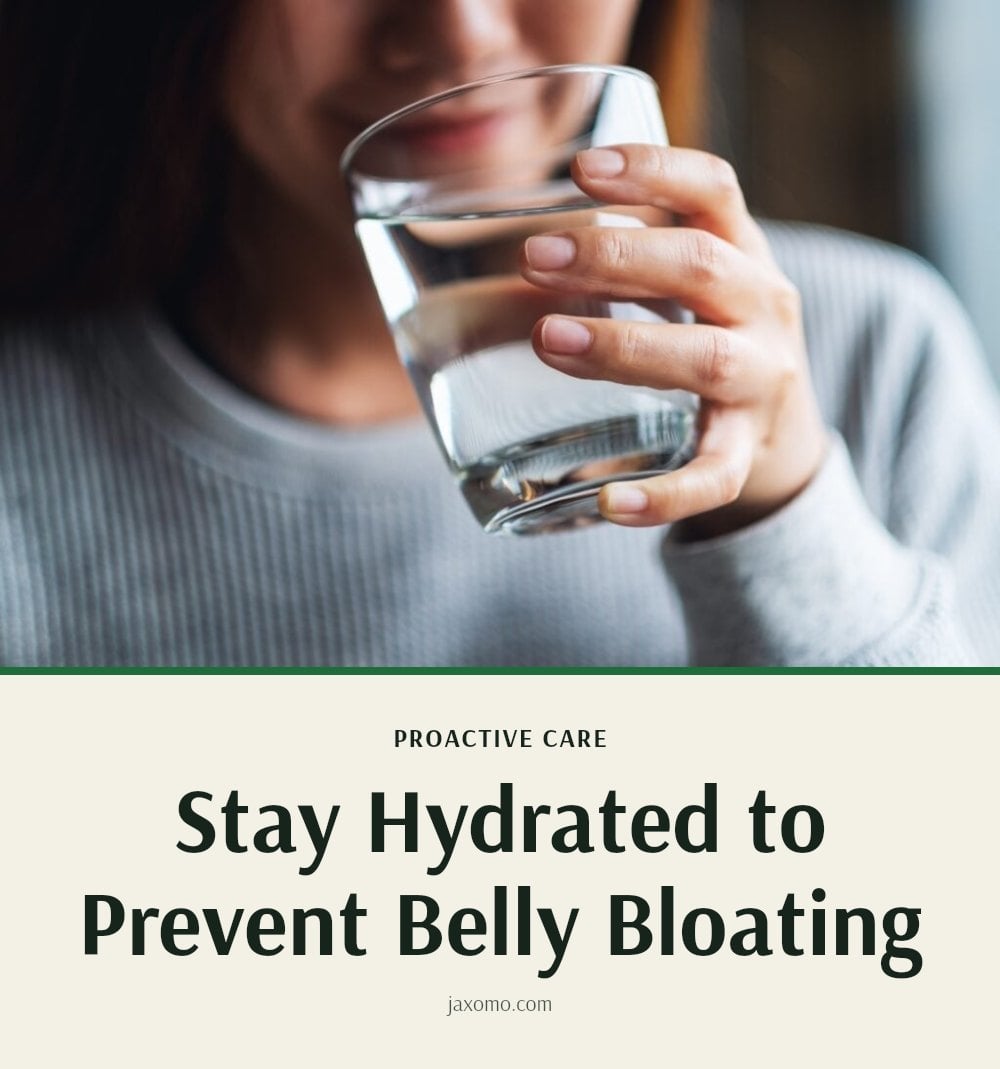
Small daily habits can make a big difference in keeping bloating away. Focus on what you eat, how you eat, and how you manage stress.
- Drink plenty of water: Aim for steady hydration throughout the day to prevent constipation.
- Eat smaller, frequent meals: Large meals put more pressure on your digestive system.
- Chew food thoroughly and eat slowly: This cuts down on swallowed air and helps digestion start in your mouth.
- Limit sodium: Too much salt causes water retention, which adds to bloating.
- Stay active: Regular exercise keeps your gut moving and reduces gas buildup.
- Manage stress: Try deep breathing, meditation, or a short walk to calm your system before meals.
- Keep a food diary: Write down what you eat and how you feel to spot your personal triggers.
Common Bloating Mistakes and How to Avoid Them
Assuming all bloating is food intolerance: Bloating often has multiple causes. Before cutting out foods, check your eating speed, stress levels, and water intake. Those factors can trigger bloating just as often as lactose or gluten.
Drinking less water to reduce water retention: This backfires. When you’re dehydrated, your body holds onto water, and constipation worsens. Staying hydrated actually helps flush excess sodium and keeps things moving.
Eating quickly and not chewing properly: Gulping down food means you swallow air, and large, unchewed pieces are harder to digest. Take smaller bites and chew each mouthful thoroughly before swallowing.
Ignoring stress as a factor: Stress hormones can slow digestion and increase gas production. If you’re tense all day, your gut feels it. A few minutes of deep breathing before meals can help.
Self-diagnosing serious conditions: Persistent or severe bloating may signal an underlying issue. Don’t rely on online symptom checkers. If symptoms last more than a few days, see a doctor for proper evaluation.
When to Consult a Healthcare Professional
See a doctor if your bloating comes with severe pain, vomiting, or blood in your stool. Unexplained weight loss or a sudden, lasting change in bowel habits also warrants a checkup. These symptoms can point to conditions like irritable bowel syndrome or a food intolerance that needs professional diagnosis.
Before starting any new supplement, probiotic, enzyme, or herbal, talk to your healthcare provider, especially if you have existing health conditions or take other medications. Some remedies can interact or cause side effects. Don’t push through persistent bloating; it’s your body’s way of saying something needs attention.
Frequently Asked Questions
How long does it take for bloating to go away?
For acute bloating caused by a single meal or gas, relief can come within minutes to a few hours, especially with remedies like simethicone or gentle movement. If bloating is tied to a chronic issue like constipation or a food sensitivity, it may take a few days of consistent changes to notice improvement.
Can stress cause bloating?
Yes, stress can impact digestion and contribute to bloating. When you’re stressed, your digestive system may slow down or become more sensitive to gas, and you might swallow more air if you’re eating quickly or chewing gum. Managing stress can be an important part of preventing bloating.
What foods should I avoid if I’m bloated?
Common triggers include high-FODMAP foods like onions, garlic, and beans, as well as carbonated drinks and fibrous vegetables such as broccoli or cabbage. Eating too quickly or talking while eating can also cause you to swallow excess air. Your personal triggers may vary, so a food diary can help.
Are there any specific exercises that help with bloating?
Gentle movement like a short walk can help stimulate gut motility and release trapped gas. Some people find light stretching or yoga poses that target the abdomen, like child’s pose or seated twists, soothing. Avoid intense core work when you’re feeling bloated, as it may increase discomfort.
Final Thoughts
Start with one simple change, like drinking more water or taking a 10-minute walk after meals, and see how your body responds. For most people, relief from an acute bout of bloating can come within minutes to a few hours, while lasting prevention takes consistent habits over days or weeks. Listen to your body and adjust as you go.
This information is for general informational purposes only and is not a substitute for professional medical advice, diagnosis, or treatment. If you experience persistent or severe bloating, or if it is accompanied by pain, vomiting, or other concerning symptoms, please consult a healthcare provider or a registered dietitian.