How to Relieve Sore Muscles at Home: Simple Recovery Tips
Learn how to effectively relieve sore muscles at home with simple, doctor-approved recovery tips. Get back to feeling your best after a tough workout.


That familiar ache that shows up a day or two after a tough workout is completely normal, but it doesn’t have to sideline you. Known as Delayed Onset Muscle Soreness (DOMS), it’s your body’s natural response to microscopic muscle damage and inflammation. This article covers simple, effective home remedies to help you feel better faster, from light movement and temperature therapy to the right nutrition and sleep habits.
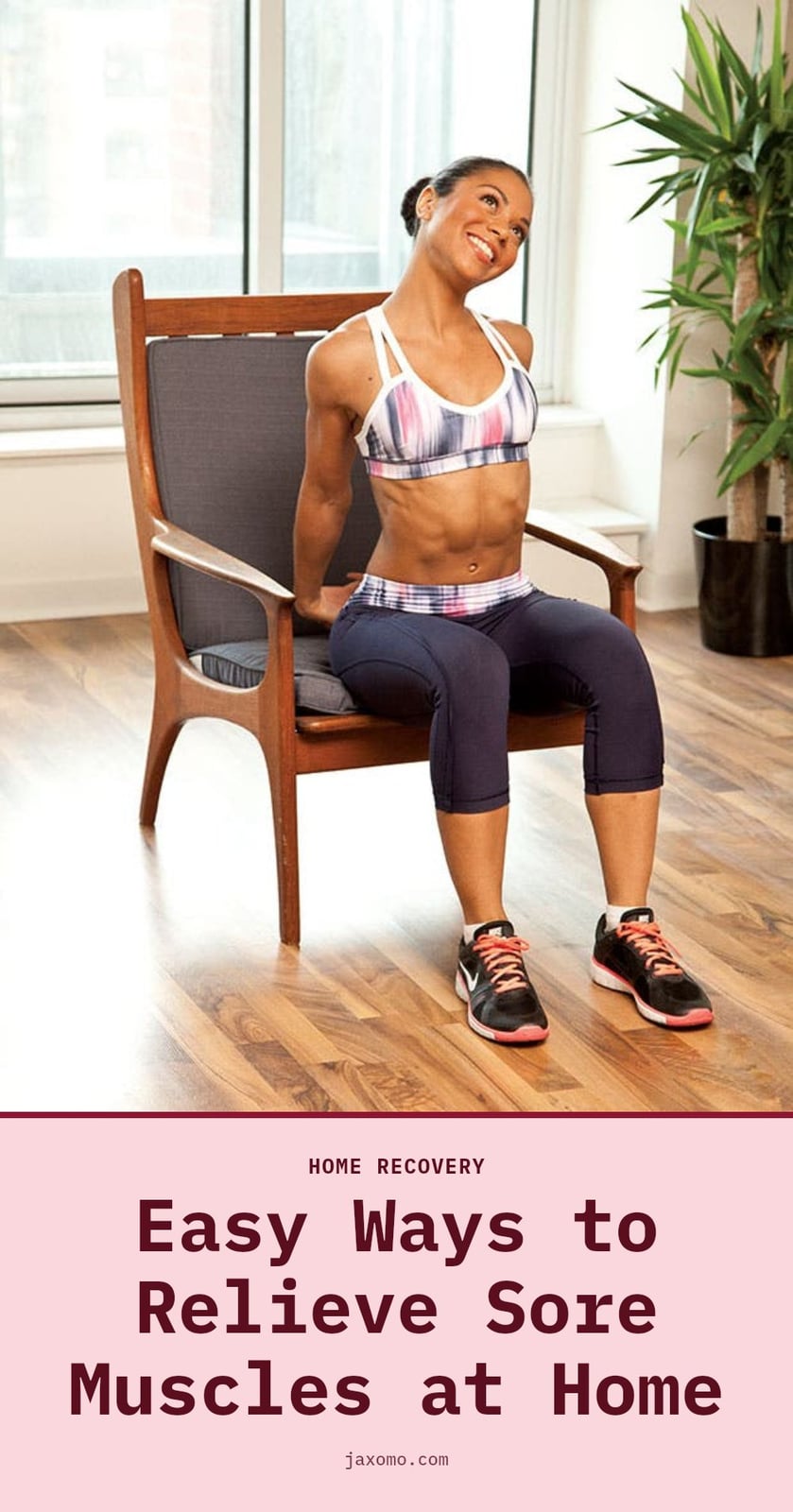
Key Takeaways
- DOMS typically peaks 24 to 72 hours after exercise and lasts 3 to 5 days.
- Light activity like walking or easy cycling helps increase blood flow and supports recovery.
- Apply cold packs right after exercise to reduce inflammation, then switch to heat later to relax muscles.
- Get 7 to 9 hours of sleep and stay hydrated to give your muscles what they need to repair.
- See a doctor if soreness is severe, localized, or accompanied by swelling, redness, or warmth.
Quick Ways to Soothe Sore Muscles After Exercise
Sore muscles, known as Delayed Onset Muscle Soreness (DOMS), are a normal response to exercise that typically peaks 24 to 72 hours later. Effective relief focuses on increasing blood flow and reducing inflammation. My go-to strategies include light activity like walking, alternating cold and heat therapy, gentle self-massage, and staying on top of hydration and nutrition.
Why Your Muscles Feel Sore After a Workout
That familiar ache you feel a day or two after a tough workout has a name: Delayed Onset Muscle Soreness, or DOMS. It sets in 12 to 24 hours after exercise and usually peaks between 24 and 72 hours later.
What Actually Causes It
DOMS is not caused by lactic acid. That’s a common myth. The real cause is microscopic tears in your muscle fibers and the resulting inflammation as your body repairs them. This is a normal part of getting stronger.
Certain movements are especially good at triggering DOMS. Eccentric exercises, where a muscle lengthens under tension like the lowering phase of a bicep curl or running downhill, create more of those tiny tears.
Essential Tools for Muscle Recovery at Home
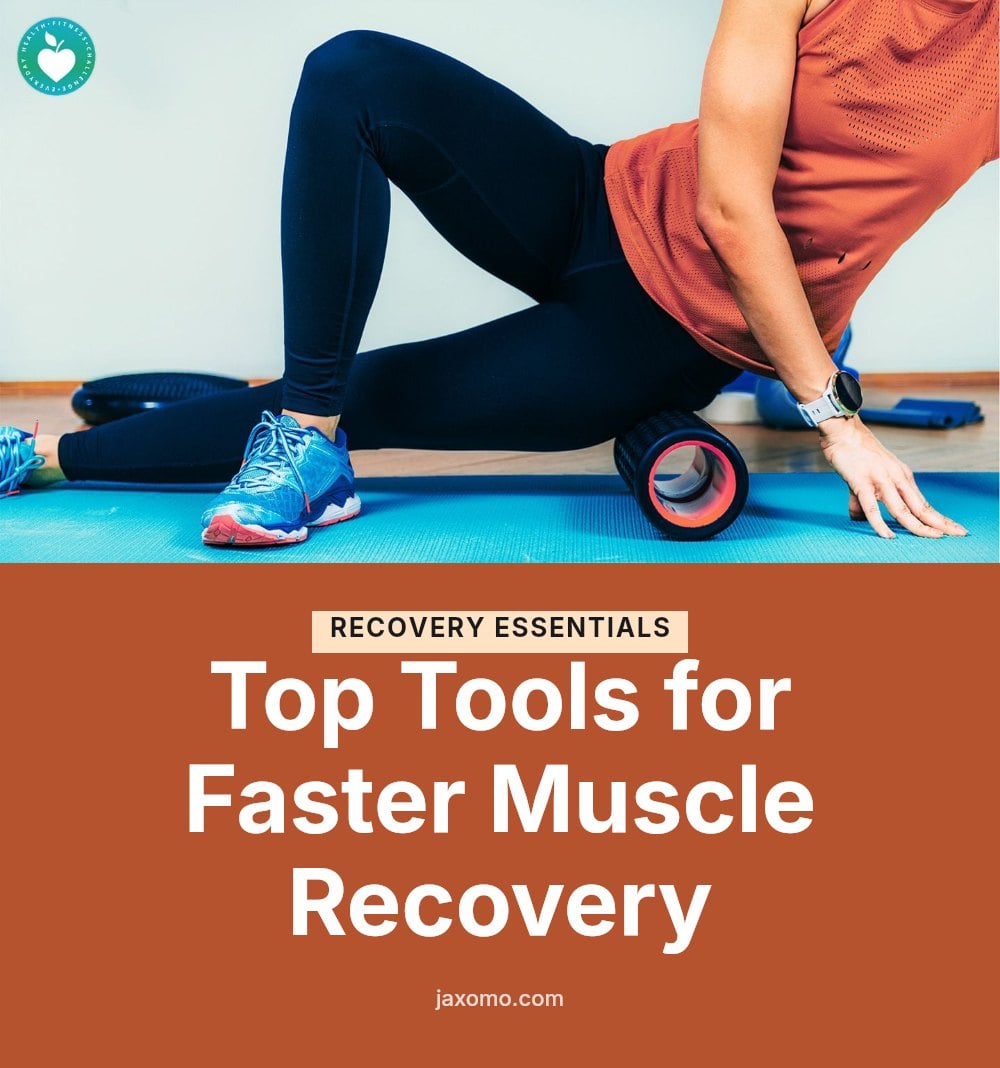
You don’t need a fancy recovery setup. These simple tools around the house can make a real difference.
- Ice packs or frozen peas: For cold therapy to reduce inflammation right after a hard workout.
- Heating pad or warm bath: Heat helps relax tight muscles and boosts blood flow.
- Epsom salts: Adding these to a warm bath can help soothe sore muscles.
- Foam roller or massage ball: Great for self-massage to release tension and improve circulation.
- Water bottle: Staying hydrated supports every step of your body’s recovery process.
Effective Home Remedies for Sore Muscle Relief
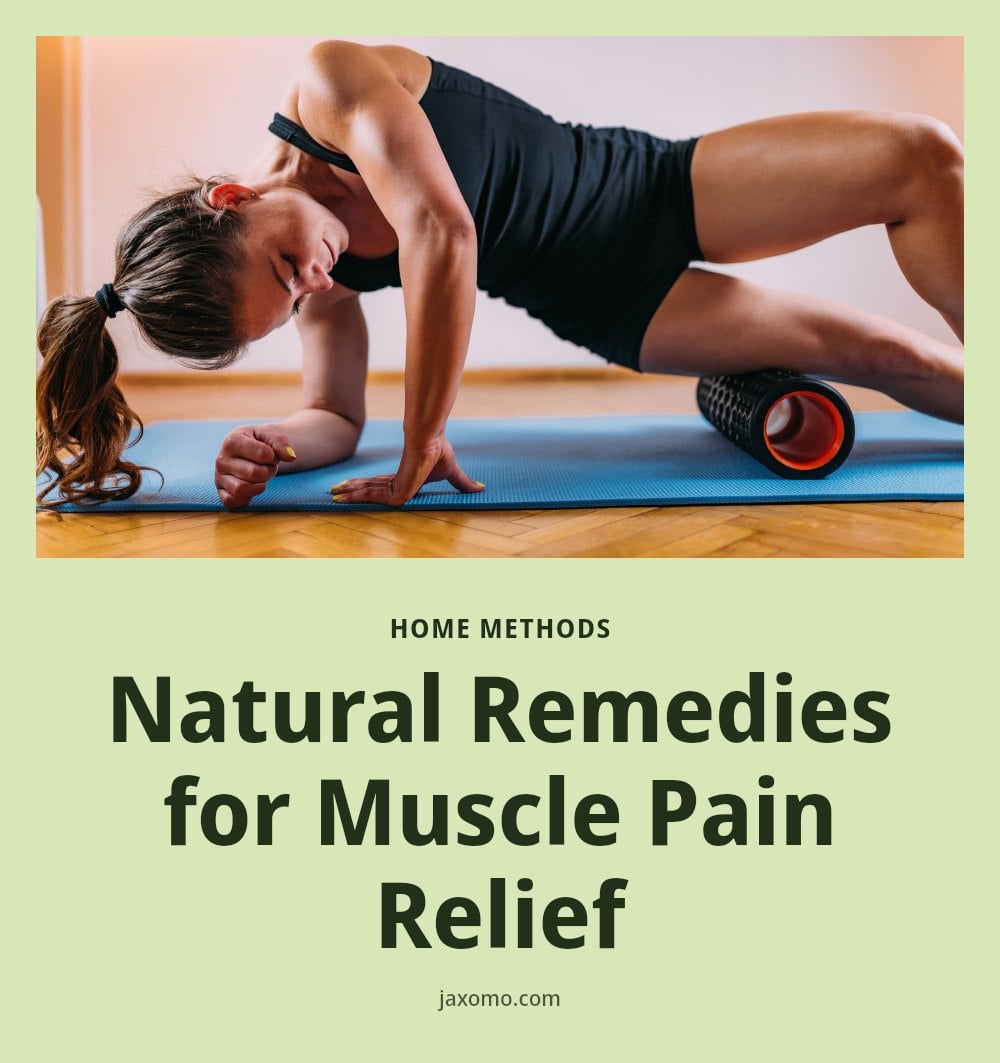
When soreness hits, these home methods can provide real relief. I usually combine a couple of them depending on how I feel.
Light Active Recovery
Gentle movement like walking or easy cycling increases blood flow to sore muscles, which can speed up recovery. Aim for 10 to 20 minutes of low-intensity activity. You want to feel looser, not more exhausted.
Cold Therapy
Applying ice packs or taking a cold shower shortly after intense exercise can help reduce inflammation and numb discomfort. Tip: Wrap ice packs in a thin towel and apply for 15 to 20 minutes at a time to avoid skin irritation.
Heat Therapy
A warm bath or heating pad relaxes muscles and increases blood flow. Caution: Never apply heat directly to skin for extended periods. Use a towel as a barrier and limit sessions to 15 to 20 minutes. Heat is best used a few hours after exercise or the next day, not immediately after.
Gentle Stretching
Light stretching can offer temporary relief and improve flexibility. Hold each stretch for 15 to 30 seconds without bouncing. It won’t prevent future soreness, but it feels good in the moment.
Self-Massage
Using a foam roller or massage ball on sore spots helps reduce muscle tension and improve blood flow. Roll slowly over each area, pausing on tight spots for 20 to 30 seconds. Tip: Avoid rolling directly over joints or bones.
Common Mistakes When Dealing with Sore Muscles
Myth: Lactic acid causes DOMS. The real cause is microscopic muscle tears and the resulting inflammation, not lactic acid. Lactic acid clears within an hour of exercise, while soreness peaks days later.
Mistake: Stretching before exercise prevents soreness. Pre-exercise stretching mainly improves flexibility, not muscle damage. It won’t stop DOMS from setting in.
Mistake: Pushing through severe pain. Working out hard on already sore muscles can turn normal soreness into an injury. Rest is part of recovery.
Mistake: Neglecting nutrition and hydration. Your muscles need protein for repair and water for every recovery process. Skipping either slows you down.
Mistake: Expecting immediate relief. DOMS lasts 3 to 5 days. Home remedies can ease the discomfort, but full recovery takes time.
How to Prevent Severe Muscle Soreness Next Time

You can reduce how bad soreness gets by adjusting how you approach your workouts and recovery. These steps help your muscles adapt and repair more efficiently.
- Increase intensity gradually. Jumping into a much harder workout than usual guarantees severe soreness. Add weight, reps, or distance slowly over several sessions.
- Warm up properly. Five to ten minutes of light cardio and dynamic movements raise your muscle temperature and prepare them for work.
- Cool down after exercise. End with light walking and gentle stretching. This helps clear metabolic waste and starts the recovery process.
- Get 7 to 9 hours of sleep. Sleep is when your body repairs muscle tissue. Skimping on it makes soreness worse and recovery slower.
- Stay hydrated all day. Dehydration impairs circulation and nutrient delivery to muscles. Drink water before, during, and after exercise.
- Eat enough protein after workouts. Protein provides the amino acids your muscles need to rebuild. Aim for a serving within two hours of exercise.
When to Consult a Doctor About Muscle Soreness
Most soreness is normal and resolves on its own, but some symptoms need a professional opinion. See a doctor if you notice any of the following.
- Severe or localized pain. If soreness is intense in one spot and comes with swelling, redness, or warmth, it could be an injury.
- Pain lasting more than a week. Normal DOMS fades within 3 to 5 days. Pain that persists or gets worse needs medical attention.
- Sharp or sudden pain during activity. Stop immediately. A pop or stab of pain often signals a muscle strain or tear.
- Underlying health conditions. If you have heart, kidney, or metabolic conditions, check with your doctor before trying cold therapy, heat therapy, or new recovery tools.
Frequently Asked Questions
How long do sore muscles usually last?
Soreness from DOMS typically sets in 12 to 24 hours after exercise, peaks between 24 and 72 hours, and resolves within 3 to 5 days. Recovery time depends on the intensity of your workout and individual factors like fitness level and sleep quality.
Can I work out with sore muscles?
You can do light, active recovery like walking or easy cycling, but avoid intense or heavy exercise on already sore muscles. Working them too hard while they’re still repairing increases your risk of injury. Give sore muscles at least a day or two of lighter activity before returning to full intensity.
Is an Epsom salt bath really effective for muscle soreness?
Many people find Epsom salt baths relaxing, and the warm water alone helps increase blood flow and ease muscle tension. While scientific evidence on magnesium absorption through the skin is mixed, the heat and relaxation can still provide meaningful temporary relief for sore muscles.
What is the difference between muscle soreness and injury pain?
Muscle soreness from DOMS feels like a dull, diffuse ache across a muscle group and improves with gentle movement. Injury pain is often sharp, sudden, or localized to one spot, and it may come with swelling, bruising, or warmth. If pain is severe or doesn’t improve after a few days, see a doctor.
Final Thoughts
Most soreness resolves on its own within a few days, and the strategies here can make that time much more comfortable. My tip is to start with light activity and a warm bath, then focus on getting good sleep and enough protein. If the pain is sharp, one-sided, or doesn’t improve after a week, check in with your doctor. Your body is telling you it’s adapting, so give it the support it needs.
This article is for informational purposes only and does not constitute medical advice. Soreness is a normal response to exercise, but if you experience severe, persistent, or worsening pain, or if you have an underlying health condition, consult a doctor or physical therapist before trying new recovery methods.