Achieve Clear Skin Naturally: A Complete Guide
Learn how to get clear skin naturally with gentle routines and lifestyle tips. Avoid common mistakes and support your skin's health for a lasting glow.

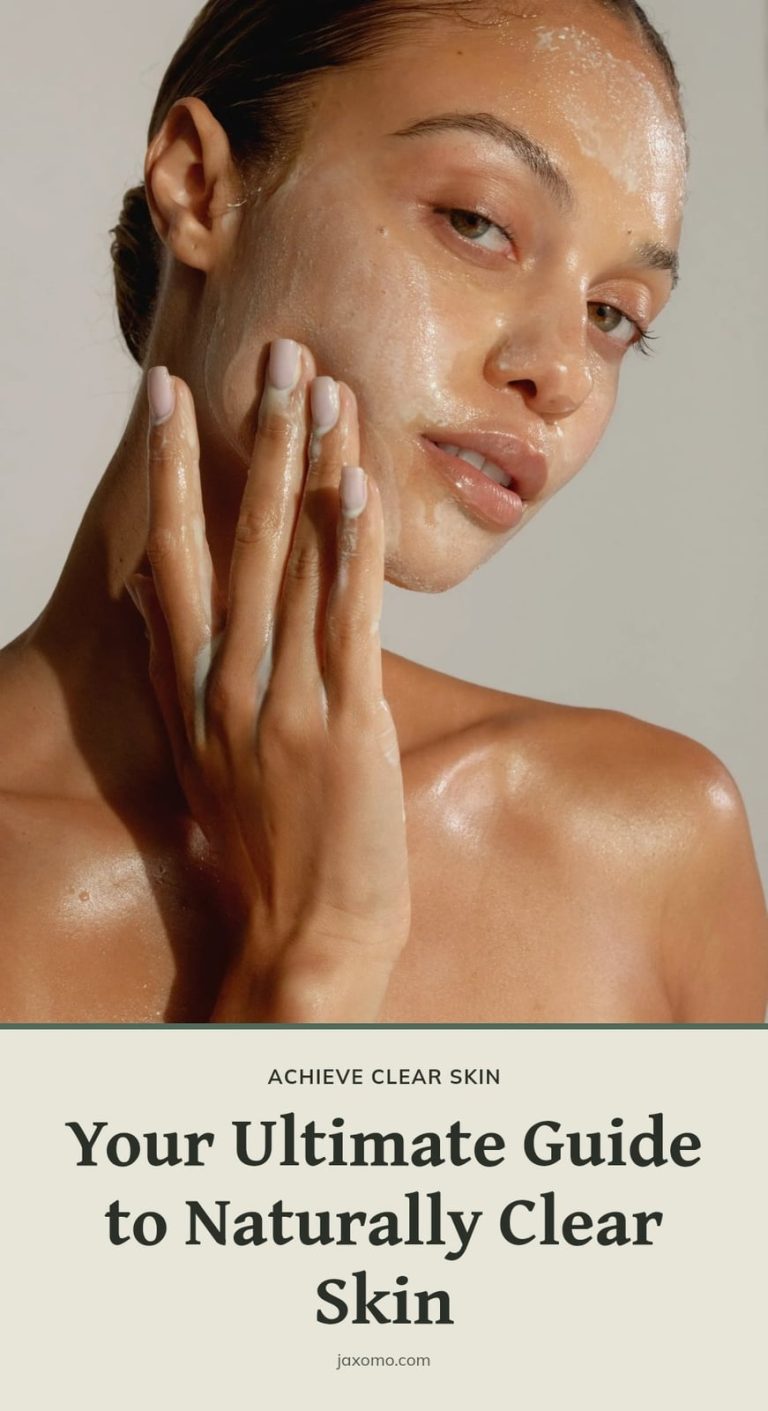
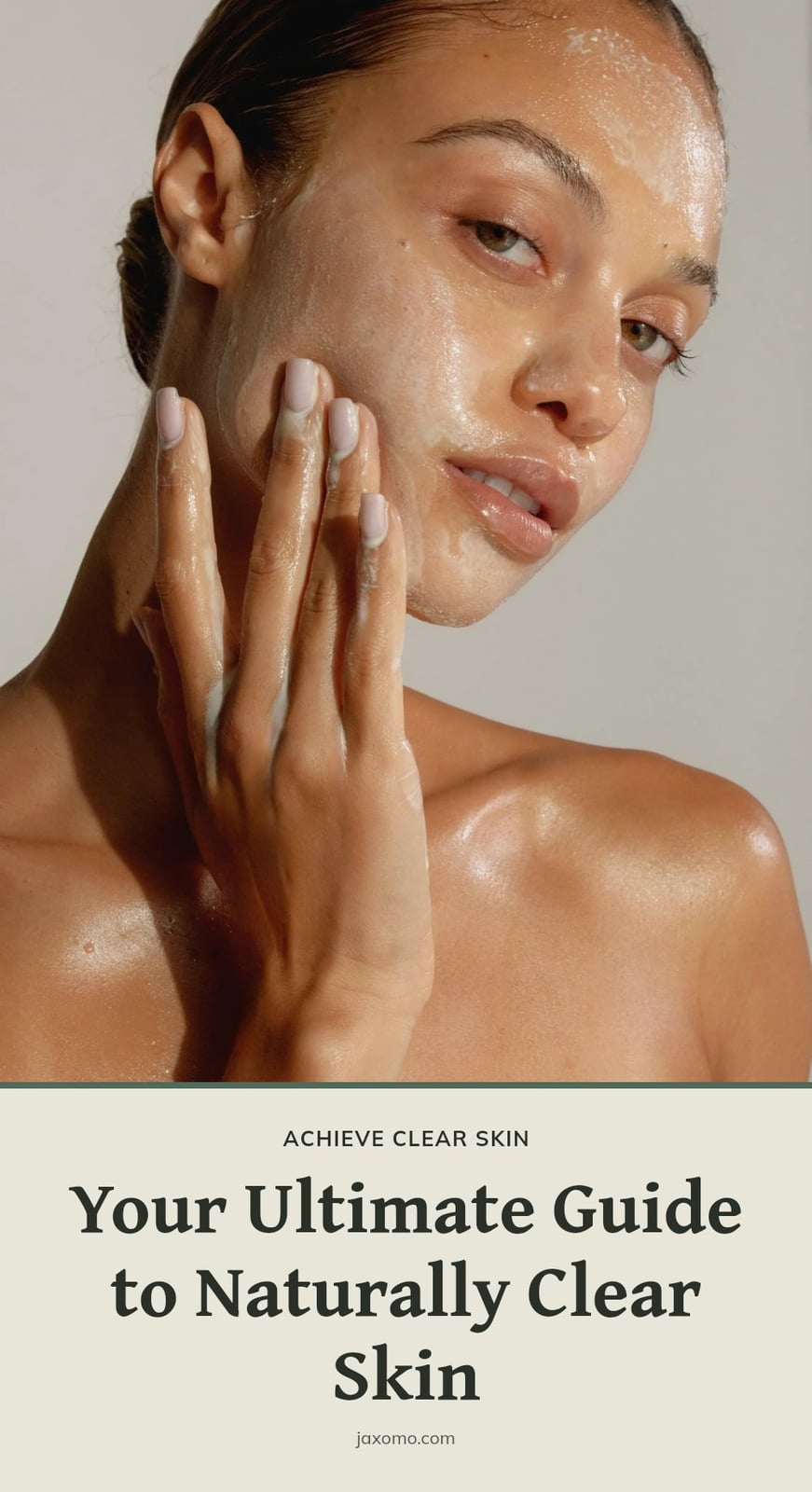
You’ve probably tried a few cleansers and spot treatments, hoping for that clear, glowing complexion. The truth is, getting clear skin naturally isn’t about harsh products or quick fixes. It’s about building a simple, consistent routine that supports your skin’s own barrier and making a few lifestyle tweaks. This guide covers the essential steps, from gentle cleansing and daily sun protection to diet and stress management, so you can see real improvements over time.
Key Takeaways
- Cleanse your face gently twice a day with a mild, pH-balanced cleanser to avoid stripping natural oils.
- Moisturize daily with a non-comedogenic product, even if your skin is oily, to keep your barrier healthy.
- Apply broad-spectrum sunscreen with at least SPF 30 every morning to prevent hyperpigmentation and damage.
- Change your pillowcase at least once a week to reduce transfer of oils and bacteria to your skin.
- Expect noticeable improvements in 4-6 weeks, with significant changes taking several months of consistent care.
Achieving Clear Skin Naturally
Clear skin naturally comes from a consistent, gentle routine that supports your skin’s barrier, not from harsh treatments. It’s about gentle cleansing, proper hydration, and sun protection, plus healthy lifestyle choices. Patience is key: noticeable improvements often take 4-6 weeks, and significant changes may take months. Stick with it, and your skin will thank you.
Your Essential Clear Skin Toolkit
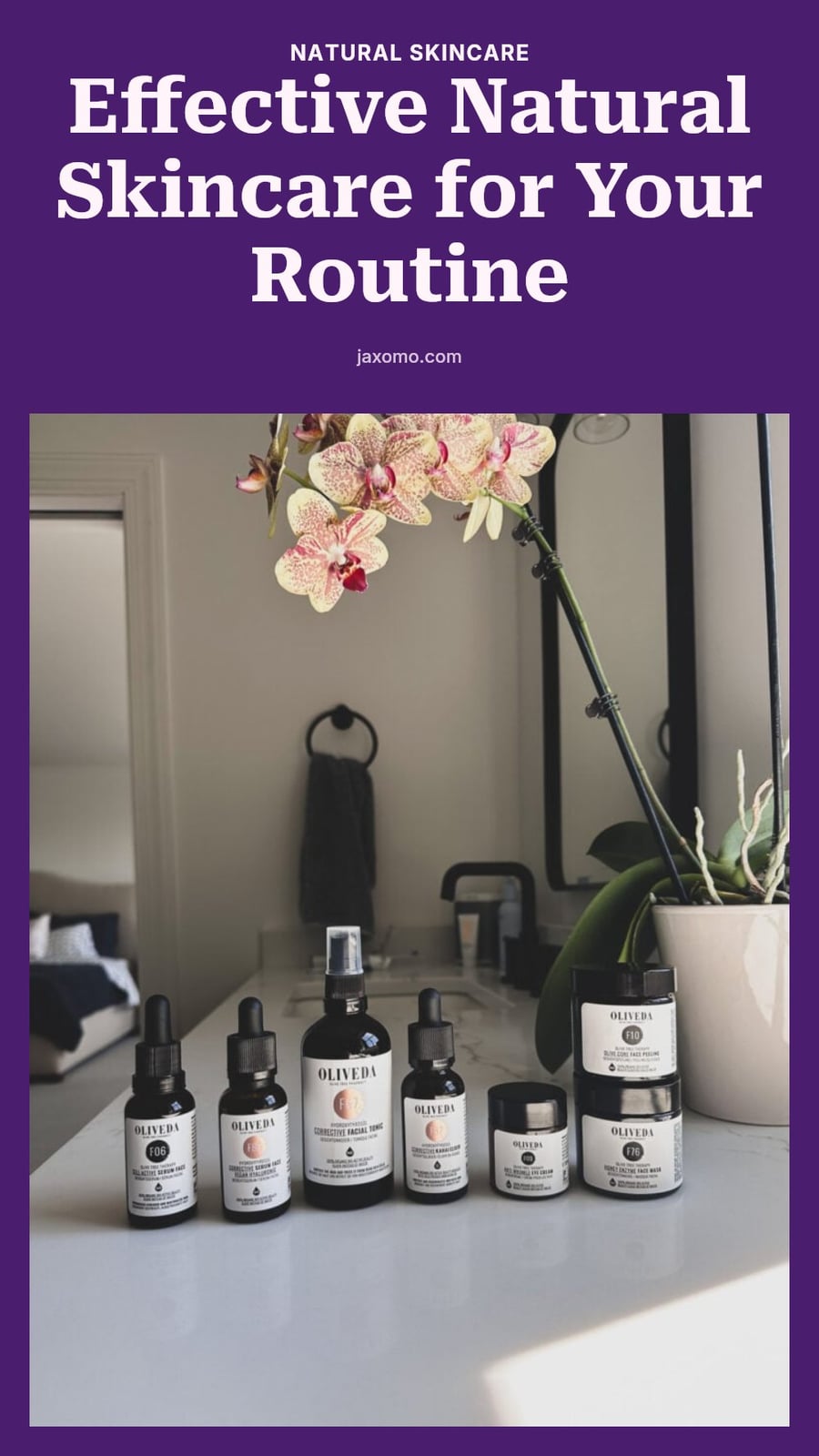
You don’t need a cabinet full of products to get clear skin. Start with these essentials:
- Gentle, pH-balanced cleanser: Removes impurities without stripping natural oils, which can trigger excess oil production.
- Non-comedogenic moisturizer: Hydrates without clogging pores, keeping your barrier intact even if your skin is oily.
- Broad-spectrum sunscreen (SPF 30+): Shields against sun damage and hyperpigmentation, a must every morning.
- Clean pillowcases: Change them weekly to reduce bacteria transfer to your face while you sleep.
- Natural soothers: Diluted tea tree oil or aloe vera gel can target breakouts or calm redness when used sparingly.
Your Daily Routine for Naturally Clear Skin

A simple, consistent routine works best. Here’s how to build yours:
- Cleanse gently: Wash your face twice a day with a mild, pH-balanced cleanser. Use lukewarm water and your fingertips, not a rough cloth, to avoid irritating your skin.
- Moisturize daily: Even if your skin is oily, apply a non-comedogenic moisturizer to keep your barrier strong. Skipping it can lead to dryness and more oil production.
- Apply sunscreen: Every morning, use broad-spectrum SPF 30 or higher. This protects against hyperpigmentation and premature aging, even on cloudy days.
- Patch test new products: Before using any new product or natural ingredient, apply a small amount to your inner arm or behind your ear. Wait 24 hours to check for redness, itching, or irritation.
- Hands off: Avoid picking or squeezing pimples. That can cause scarring and spread bacteria, making breakouts worse.
Natural Boosters for a Healthier Complexion
Want to boost your routine with natural ingredients? Here are gentle options that many people find helpful:
Tea Tree Oil for Breakouts
Tea tree oil has antimicrobial and anti-inflammatory properties, making it a popular natural remedy for acne. Caution: Always dilute it with a carrier oil like jojoba or aloe vera gel. Mix one drop of tea tree oil with a teaspoon of carrier, then apply to the spot. Never use it undiluted, and always patch test first.
Aloe Vera for Soothing
Aloe vera gel is known for its soothing and anti-inflammatory properties. Apply pure aloe gel to red or irritated areas to calm inflammation and promote healing. Look for products with few additives, or use the leaf directly.
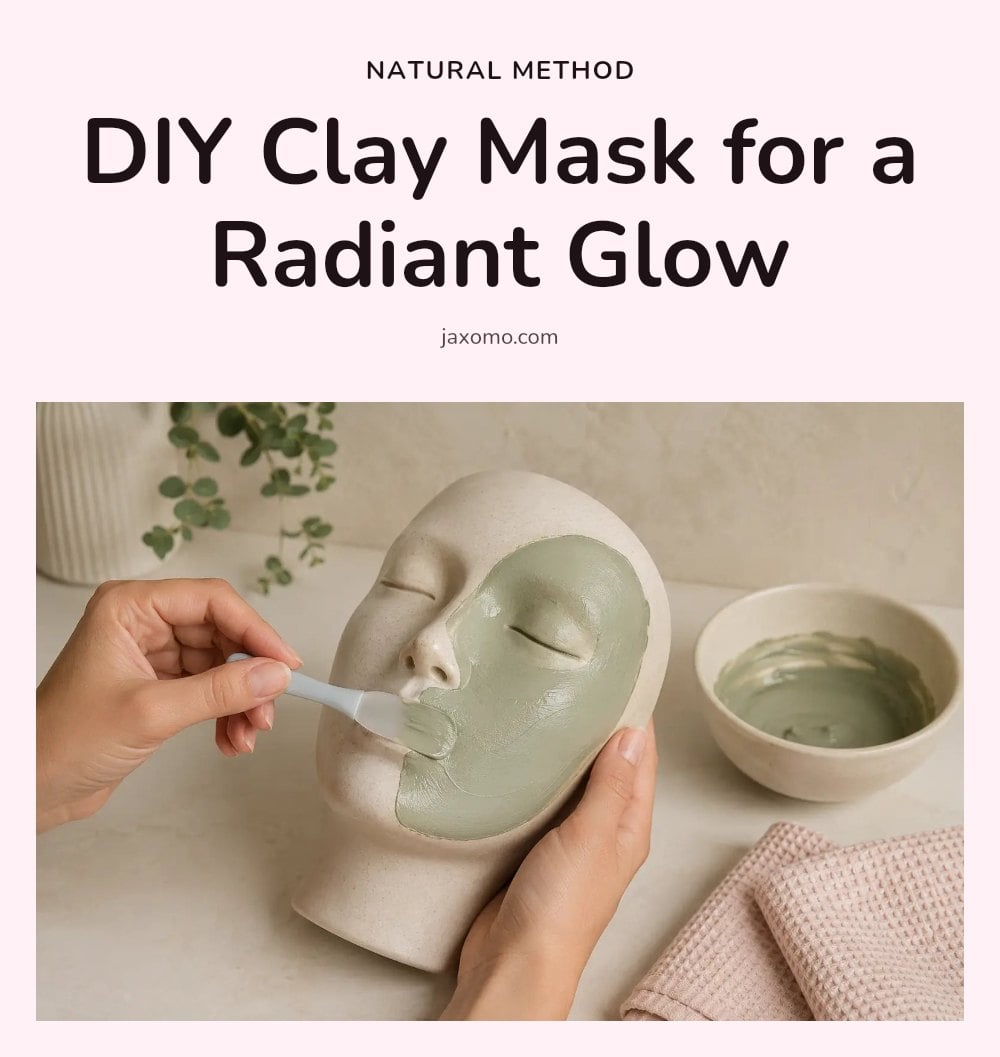
Clay Masks for Deep Cleaning
Gentle clay masks, like bentonite or kaolin, help draw out impurities without harsh chemicals. Use once a week: apply a thin layer, let it dry for 10-15 minutes, then rinse with warm water. If your skin feels tight, reduce the frequency.
Pro move: Always dilute essential oils and patch test any new ingredient before applying it to your face. Even natural products can cause irritation.
Common Clear Skin Mistakes to Avoid
Over-cleansing or using harsh products strips your skin of its natural oils, leading to irritation or even more breakouts as your skin overcompensates. Skipping moisturizer because your skin feels oily is a common misstep. It actually disrupts your skin’s barrier function, which can worsen oiliness. Not wearing sunscreen daily leaves your skin vulnerable to hyperpigmentation and damage, even on cloudy days.
Trying too many new products at once makes it impossible to tell which one is causing a reaction. Ignoring lifestyle factors like diet and stress can also undermine your skincare efforts, as both can trigger breakouts.
Lifestyle Habits for Lasting Clear Skin
What you do outside your skincare routine directly affects your skin. Staying hydrated by drinking enough water throughout the day supports your skin’s natural barrier and overall health. Eating a balanced diet rich in fruits, vegetables, and whole grains may help, some evidence links high glycemic foods to acne severity.
Stress can worsen breakouts due to hormonal shifts, so managing it through meditation, yoga, or adequate sleep is worth prioritizing. Change your pillowcase at least once a week to reduce the transfer of oils, dirt, and bacteria to your face. And avoid touching your face unnecessarily during the day to prevent spreading bacteria.
When to Consult a Dermatologist
If your skin irritation, redness, or breakouts worsen despite consistent natural care, it’s time to see a dermatologist. Seek professional help if you experience severe or cystic acne that doesn’t respond to home remedies, or if you suspect a skin infection with persistent, painful lesions. A dermatologist can also provide personalized advice, especially if you have underlying health conditions affecting your skin.
Frequently Asked Questions
How long does it take to see results from a natural skin care routine?
Most people start noticing improvements in 4 to 6 weeks with consistent use of a gentle, natural routine. Significant changes, such as reduced breakouts or evening skin tone, can take several months. Patience is key, as your skin needs time to renew and repair its barrier.
Can diet really affect my skin’s clarity?
Yes, some evidence suggests a link between high glycemic index foods (like sugary snacks and refined carbs) and acne severity, though more research is needed. Eating a balanced diet rich in fruits, vegetables, and whole grains supports overall skin health. Staying hydrated also helps maintain your skin’s barrier.
Is it okay to use natural oils on acne-prone skin?
Some natural oils, like tea tree oil (always diluted with a carrier oil), have antimicrobial properties that can help with breakouts. However, not all oils are non-comedogenic. Always do a patch test first and look for oils labeled non-comedogenic to avoid clogging pores. If you’re unsure, consult a dermatologist.
What are the best natural ingredients for soothing irritated skin?
Aloe vera is widely known for its soothing and anti-inflammatory properties, making it a great choice for calming redness and irritation. Diluted tea tree oil can also help with acne-related inflammation. Always patch test any new ingredient and avoid undiluted essential oils or acidic substances like lemon juice.
Should I exfoliate if I have active breakouts?
Gentle exfoliation once or twice a week can help remove dead skin cells and prevent clogged pores, but be careful. Avoid harsh scrubs that can irritate active breakouts and spread bacteria. Instead, use gentle options like fruit enzymes or very fine physical exfoliants. If breakouts worsen, stop exfoliating and consult a dermatologist.
Final Thoughts
Stick with your gentle routine and healthy habits, and give your skin time to respond. Noticeable changes often take 4-6 weeks, so don’t get discouraged if you don’t see results overnight. The most effective approach is a steady, simple routine that supports your skin’s natural balance, not a cabinet full of products. Trust the process, and your skin will thank you.
This article provides general information for educational purposes and is not a substitute for professional medical advice. Everyone’s skin is different, and what works for one person may not work for another. If you have a persistent or serious skin concern, please consult a dermatologist or healthcare provider.