How to Incorporate Niacinamide Into Your Skincare Routine
Learn how to add niacinamide to your skincare routine. Discover product types, application tips, and how to avoid common errors for radiant results.


If you are looking to calm redness, shrink pores, or even out your skin tone without a cabinet full of products, niacinamide might be the ingredient you need. This form of vitamin B3 is a multitasker that strengthens your skin barrier while soothing inflammation. In this article, I will walk you through exactly how to add niacinamide to your routine, what mistakes to avoid, and how to pair it with your other favorites for the best results.

Key Takeaways
- Start with a 2-5% concentration if you have sensitive skin or are new to niacinamide.
- Apply niacinamide after cleansing and toning, but before heavier creams or oils.
- Use it consistently for 4-8 weeks before expecting noticeable improvements.
- Niacinamide pairs well with hyaluronic acid, vitamin C, and retinoids.
- Always patch test a new niacinamide product before full application.
What is Niacinamide and Why Your Skin Needs It
Niacinamide is a form of vitamin B3 that works by boosting ceramide production to strengthen your skin’s barrier. This helps reduce inflammation, calm redness, and minimize the look of enlarged pores over time. Because it’s water-soluble and generally well-tolerated, it suits most skin types, including sensitive ones. Its versatility means one ingredient can tackle multiple concerns at once, from acne to uneven tone, without overwhelming your routine.
Essential Niacinamide Products for Your Routine
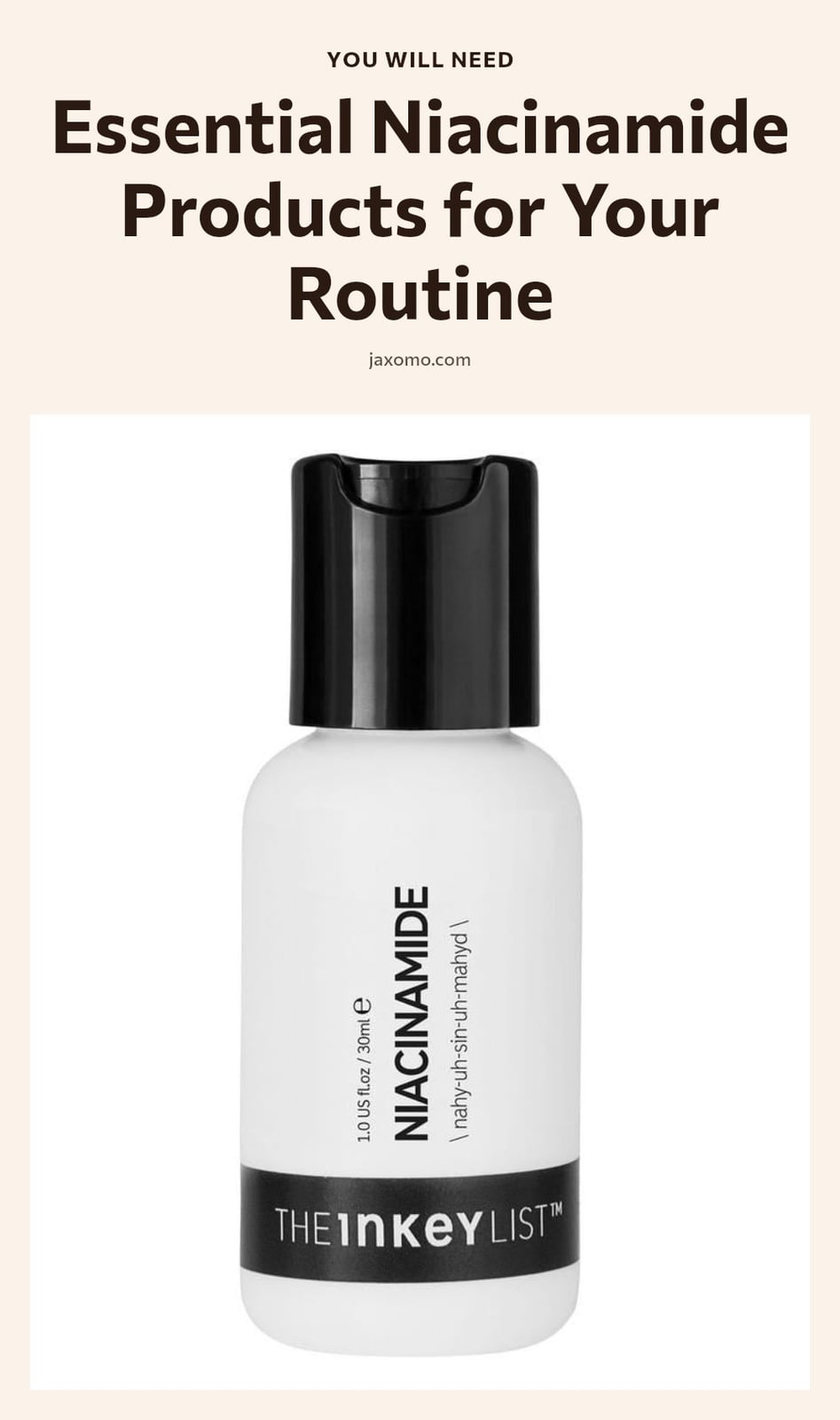
You can find niacinamide in several product formats, each serving a different purpose. Here is what to look for:
- Serum: Delivers a concentrated dose (often 5-10%) for targeted treatment of pores, texture, or discoloration.
- Moisturizer: Provides hydration while supporting the barrier, ideal for daily use and sensitive skin.
- Toner: Offers a lightweight, all-over application to prep skin and deliver a lower concentration gently.
No matter which you choose, always pair it with a gentle cleanser and a broad-spectrum sunscreen. Sunscreen is non-negotiable when using any active ingredient.
Step-by-Step: Incorporating Niacinamide into Your Skincare

Adding niacinamide to your routine is straightforward. Follow these steps for the best results:
- Cleanse your face: Start with a gentle cleanser to remove dirt, oil, and makeup. A clean surface allows niacinamide to absorb properly.
- Tone (optional): If you use a toner, apply it after cleansing. This step helps balance your skin’s pH and prepares it for the next layer.
- Apply niacinamide: Use your niacinamide product (serum, toner, or moisturizer) after toning but before heavier creams or oils. A few drops or a thin layer is enough.
- Start low and go slow: If you are new to niacinamide, begin with a 2-5% concentration a few times a week. Gradually increase to daily use as your skin adjusts.
- Finish with moisturizer and sunscreen: In the morning, always follow with a moisturizer and a broad-spectrum sunscreen (SPF 30 or higher). In the evening, apply your regular night cream after the niacinamide.
My tip: Consistency matters more than concentration. Use niacinamide daily for at least 4-8 weeks before expecting visible improvements.
Pairing Niacinamide with Other Skincare Actives
Niacinamide plays well with most other active ingredients, making it easy to layer. For enhanced hydration, pair it with hyaluronic acid, apply the hyaluronic acid first on damp skin, then follow with niacinamide.
Vitamin C and Retinoids
Contrary to old myths, niacinamide and vitamin C (L-ascorbic acid) can be used together. If you have very sensitive skin, apply vitamin C in the morning and niacinamide in the evening to minimize potential irritation. Niacinamide also complements retinoids by helping to calm the irritation retinoids can cause. Use retinoids at night and niacinamide in the morning, or alternate nights.
AHAs/BHAs
You can use niacinamide with alpha-hydroxy acids (AHAs) or beta-hydroxy acids (BHAs). Apply the exfoliating acid first, wait a few minutes, then layer niacinamide on top. This sequence reduces the risk of irritation while still letting both ingredients work.
Common Niacinamide Mistakes and How to Avoid Them
Even with a great ingredient, a few common mistakes can slow your progress. The biggest one is starting with too high a concentration. If you are new to niacinamide, begin with 2-5% to let your skin adjust. Jumping straight to 10% can cause irritation, redness, or a tingling sensation.
Another mistake is expecting immediate results. Niacinamide works gradually. Consistent daily use for 4-8 weeks is needed to see noticeable improvements in pores, tone, and texture. Do not give up too quickly.
A persistent myth says niacinamide cannot be used with vitamin C. That is false. They can be used together, though if you have very sensitive skin, you might apply vitamin C in the morning and niacinamide in the evening. Finally, always patch test a new product on a small area before full use, especially if you have sensitive skin. And stick to one niacinamide product in your routine. Using a serum, moisturizer, and toner all at once can overwhelm your skin.
Best Tips for Maximizing Your Niacinamide Results
To get the most out of niacinamide, start by listening to your skin. If a 10% serum feels irritating, step down to a 5% or 2% formula. Your skin’s tolerance can change, so adjust accordingly.
Consistency is key: Apply niacinamide daily, either morning or evening, for at least 4-8 weeks. That is when you will start seeing real changes in pore size, redness, and uneven tone.
Patch test new products: Even if you have used niacinamide before, each product’s formula is different. Test on your jawline for a few days before applying to your whole face.
Sunscreen is non-negotiable: Niacinamide does not make you photosensitive, but daily broad-spectrum SPF protects your skin and prevents new hyperpigmentation. Don’t overdo it: One niacinamide product is usually enough. More is not better.
When to Consult a Dermatologist About Niacinamide
Niacinamide is well-tolerated by most, but you should consult a dermatologist if you experience persistent irritation, redness, or itching that does not subside after a few days. Also seek professional advice if a pre-existing skin condition like eczema or rosacea seems to worsen. If you are unsure about combining niacinamide with prescription treatments such as tretinoin or antibiotics, a dermatologist can guide you. Stop using the product immediately and see a doctor if you suspect an allergic reaction, including swelling, severe itching, or hives.
Frequently Asked Questions
Can niacinamide make my skin worse at first?
Some people experience temporary redness, tingling, or itching when they first start, especially with a 10% concentration. This usually subsides as your skin adjusts. If irritation persists or worsens, discontinue use and consult a dermatologist.
How long does it take to see results from niacinamide?
Noticeable improvements typically appear after 4 to 8 weeks of consistent daily use. More significant changes, like fading hyperpigmentation or tightening pores, can take several months. Patience and consistency are key.
What percentage of niacinamide is best to start with?
For most people, a 2-5% concentration is ideal for the first few weeks. This lets your skin build tolerance without irritation. After that, you can move up to 10% if your skin handles it well and you want more targeted results.
Can I use niacinamide every day?
Yes, you can use niacinamide both in the morning and evening once your skin has adjusted. Start with a few times a week, then increase to daily use. Consistent application is what delivers the best results over time.
Final Thoughts
My tip: stick with a 5% serum for a month before considering a higher strength. Most people see real changes in texture and pore size after 4 to 8 weeks of daily use. Remember that sunscreen is non-negotiable no matter what actives you use. Give niacinamide time, and your skin will reward you.
This article is for general informational purposes only and does not constitute medical or professional skincare advice. Always consult a dermatologist or healthcare provider before starting a new skincare product, especially if you have a persistent skin condition or are experiencing irritation.