How to Start the Mediterranean Diet for a Healthier Lifestyle
Learn how to start the Mediterranean diet with practical steps, common mistakes to avoid, and essential tips for long-term well-being.

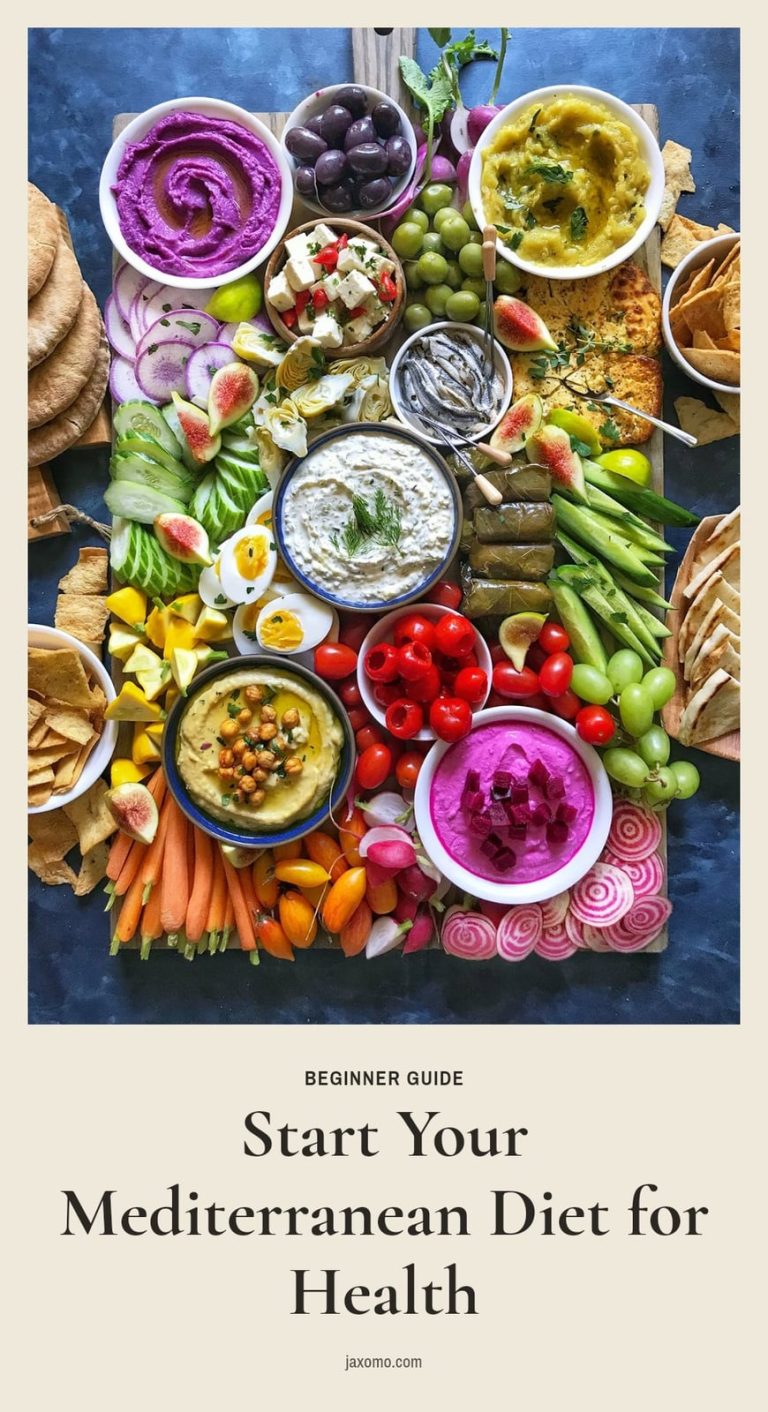
You’ve probably heard that the Mediterranean diet is one of the healthiest ways to eat, but figuring out where to start can feel overwhelming. The good news is that it’s not a strict plan with forbidden foods; it’s a flexible approach built on whole, plant-based foods and healthy fats. This article walks you through the essential pantry staples, simple steps to adopt the pattern, and common mistakes to avoid, so you can make the shift at your own pace.
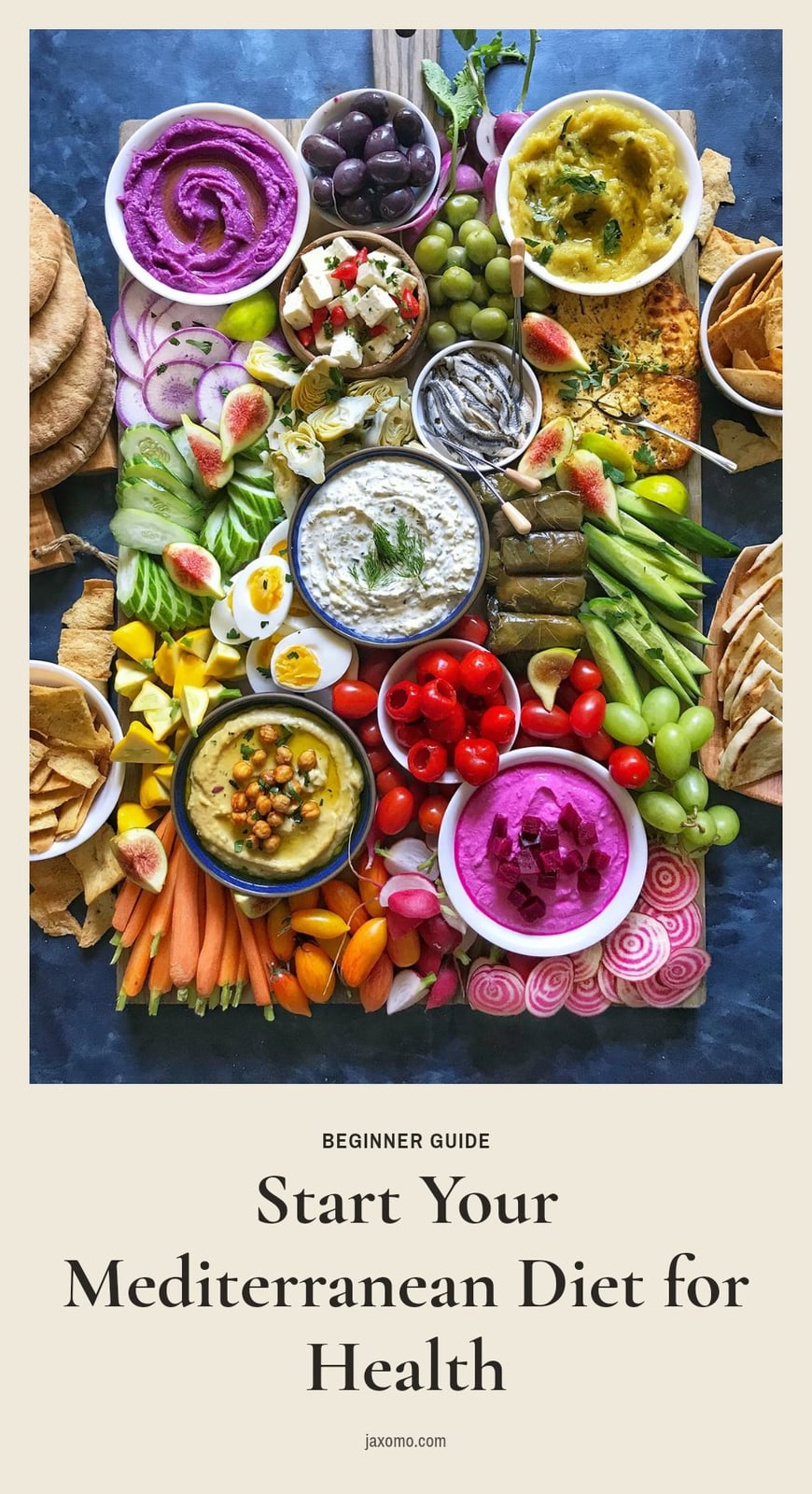
Key Takeaways
- Base every meal on fruits, vegetables, whole grains, legumes, nuts, and seeds.
- Use extra virgin olive oil as your main cooking fat and for dressings.
- Eat fish or seafood at least twice a week.
- Limit red meat and processed meats to a few times a month.
- Pair the diet with regular physical activity and shared meals.
What is the Mediterranean Diet?
The Mediterranean diet is a flexible eating pattern inspired by the traditional cuisines of countries bordering the Mediterranean Sea. It emphasizes plant-based foods like fruits, vegetables, whole grains, legumes, and nuts, along with healthy fats, primarily from olive oil. Fish and poultry are enjoyed in moderation, while red meat and sweets are limited. Beyond the plate, this lifestyle encourages regular physical activity and social meals, which together may support heart health and overall longevity. It’s not a rigid plan but a sustainable way of eating that many find easy to maintain.
Essential Ingredients for Your Mediterranean Pantry

Start by filling your pantry with these Mediterranean staples:
- Fresh fruits and vegetables: The foundation of every meal, aim for a variety of colors.
- Whole grains: Oats, brown rice, quinoa, and whole wheat bread provide steady energy.
- Legumes, nuts, and seeds: Lentils, chickpeas, almonds, and walnuts offer protein and healthy fats.
- Extra virgin olive oil: Your go-to for cooking and dressings, choose cold-pressed for the best quality.
- Fish, poultry, eggs, and Greek yogurt: Balanced sources of protein and dairy, with fish like salmon or sardines ideal.
Step-by-Step: Adopting the Mediterranean Diet

Adopting the Mediterranean diet doesn’t require an overnight overhaul. Here’s how to ease into it:
- Increase produce gradually: Add one extra serving of vegetables to lunch and dinner each day, and swap refined snacks for fruit.
- Switch to extra virgin olive oil: Use it for sautéing, roasting, and salad dressings. Keep other oils for occasional use.
- Eat fish twice a week: Aim for two servings of fish or seafood weekly, such as grilled salmon or shrimp. Canned sardines and tuna count too.
- Add legumes and nuts daily: Toss chickpeas into salads, spread hummus on whole grain toast, or snack on a small handful of almonds.
- Choose poultry and eggs in moderation: Enjoy chicken or turkey a few times a week, and eggs for breakfast or a quick dinner.
- Limit red meat and processed foods: Save steak or burgers for a special occasion, and cut back on packaged snacks, sugary cereals, and deli meats.
- Flavor with herbs and spices: Use oregano, basil, thyme, rosemary, and garlic to season dishes instead of reaching for the salt shaker.
- Drink water and optional wine: Make water your main beverage. If you drink alcohol, enjoy red wine in moderation, typically one glass with a meal.
- Move and share meals: Incorporate daily walks or other physical activity you enjoy, and try to eat with family or friends when possible.
Start with a few steps and build from there. Consistency matters more than perfection.
Understanding the Mediterranean Diet’s Core Principles
More Than a Diet
The Mediterranean diet is a flexible eating pattern, not a strict regimen with forbidden foods. It centers on whole, unprocessed foods and healthy fats, allowing you to adapt meals to your tastes and cultural preferences. What sets it apart is the emphasis on lifestyle: regular physical activity and sharing meals with others are considered just as important as what’s on your plate. This holistic approach may explain why it’s consistently ranked among the healthiest eating patterns, with research linking it to reduced risks of heart disease, type 2 diabetes, and certain cancers. The key is to view it as a sustainable way of living, not a temporary fix.
Common Mistakes to Avoid When Starting the Mediterranean Diet
Thinking it’s a ‘no-carb’ or ‘low-fat’ diet: The Mediterranean diet includes healthy carbs from whole grains and beneficial fats from olive oil and nuts. You don’t cut these food groups; you choose better versions.
Neglecting lifestyle aspects: Physical activity and shared meals are built into this pattern, not optional extras. A walk after dinner or a slow lunch with friends counts as much as what’s on your plate.
Overconsuming red wine: Moderate wine is optional, not required. If you drink, keep it to one glass per day for women. More than that cancels the potential benefits.
Not using enough extra virgin olive oil: This is your main fat for cooking and dressings. Use it generously, and always choose extra virgin for the highest antioxidant content.
Expecting immediate drastic weight loss: This is a long-term lifestyle change, not a quick fix. Focus on gradual, sustainable health improvements over weeks and months.
Overlooking legumes and nuts: Lentils, chickpeas, almonds, and walnuts are crucial sources of protein and fiber. Aim to include them several times per week.
Practical Tips for Sustainable Mediterranean Eating

Meal Prep for Success: Spend one hour each week roasting vegetables, cooking a batch of quinoa or brown rice, and making a simple vinaigrette. Having these ready makes weekday meals effortless.
Experiment with Herbs & Spices: Oregano, basil, thyme, rosemary, and garlic add deep flavor without salt. My tip: keep dried oregano and garlic powder in your pantry for a quick boost to any dish.
Prioritize Water: Keep a reusable bottle on your desk or in your bag. Water should be your default drink throughout the day, not juice or soda.
Snack Smart: Reach for an apple, a small handful of almonds, or carrot sticks with hummus. These satisfy hunger and fit the pattern naturally.
Eat Seasonally: Fresh, in-season produce tastes better and often costs less. Visit a farmers’ market or check what’s local at your grocery store each week.
When to Consult a Healthcare Professional
If you have specific health conditions like kidney disease or food allergies, consult a healthcare professional or registered dietitian before making significant dietary changes. They can help you adapt the pattern safely.
If you experience persistent digestive issues when increasing fiber, a professional can advise on gradual adjustments and portion sizes.
If you have a history of alcohol abuse, avoid wine entirely and discuss your diet with a doctor.
For personalized guidance on portion sizes and nutrient needs, especially if weight management is a goal, a registered dietitian can provide a tailored plan.
Timeline and Cost Considerations for the Mediterranean Diet
Timeline for Results: Health benefits typically become noticeable over several weeks to months of consistent adherence. This is a long-term lifestyle change, not a quick fix.
Cost: The Mediterranean diet can be budget-friendly by focusing on seasonal produce, legumes, and whole grains. Costs may rise with frequent purchases of certain fish or specialty items like pine nuts.
Frequency: This is a daily eating pattern meant for sustainable, lifelong adherence, not a temporary diet. Aim to make it your default way of eating.
Frequently Asked Questions
Is the Mediterranean diet good for weight loss?
Yes, many people find it helpful for weight management because it emphasizes filling, nutrient-dense foods like vegetables, legumes, and whole grains, which can help you feel satisfied. However, it’s not a quick-fix plan, and you may need to monitor portions of calorie-dense foods like nuts, seeds, and olive oil if weight loss is your goal.
Can I drink coffee on the Mediterranean diet?
Yes, coffee is fine in moderation. The diet focuses on overall patterns rather than banning specific beverages. Just be mindful of what you add to it; try to limit sugary syrups and heavy cream. Water is the primary beverage, but a cup of coffee or tea can fit into your day without derailing your efforts.
How quickly will I see results from the Mediterranean diet?
Health benefits typically become noticeable over several weeks to months of consistent adherence. This is a long-term lifestyle change, so don’t expect drastic changes overnight. Many people report improved energy and digestion within a few weeks, while more significant health markers may take longer to shift.
Is the Mediterranean diet expensive to follow?
It can be budget-friendly if you focus on seasonal produce, legumes, and whole grains, which are often inexpensive. Canned beans, lentils, and oats are affordable staples. Costs may rise if you buy premium items like extra virgin olive oil or fresh fish frequently, but you can plan meals around what’s on sale or frozen.
What if I don’t like fish?
You can still follow the Mediterranean diet without fish. The pattern is flexible, so you can get protein from legumes, nuts, seeds, poultry, and eggs instead. If you’re concerned about omega-3 fatty acids, consider talking to a healthcare professional about plant-based sources like flaxseeds or walnuts.
Final Thoughts
Start by making one small change this week, like adding an extra serving of vegetables to dinner or swapping your usual cooking oil for extra virgin olive oil. Remember that health benefits typically appear over several weeks to months of consistent adherence, so be patient with yourself. The Mediterranean diet is a lifestyle, not a quick fix, and every step you take toward whole foods and mindful meals counts.
This article is for general information only and is not a substitute for professional medical or dietary advice. If you have a specific health condition, such as kidney disease or food allergies, or if you’re making significant changes to your eating habits, consult a healthcare provider or registered dietitian. They can help you adapt the Mediterranean diet safely to your needs.