Forehead Wrinkles: 10 Natural Ways to Smooth Fine Lines
Discover 10 natural ways to minimize the appearance of forehead wrinkles and prevent new ones from forming, from hydration to sun protection.


You’ve probably noticed those horizontal lines across your forehead starting to stick around a little longer after you raise your eyebrows. They’re a natural part of aging, but that doesn’t mean you have to just accept them. This article covers 10 natural, non-invasive ways to smooth fine lines on your forehead and keep new ones from forming.

Key Takeaways
- Apply broad-spectrum sunscreen with SPF 30 or higher every single day, even indoors.
- Hydrate your skin from the inside out by drinking at least 8 glasses of water daily.
- Use antioxidant-rich serums like vitamin C or bakuchiol to protect and firm skin.
- Exfoliate gently once or twice a week to improve product absorption and skin texture.
- Get 7-9 hours of quality sleep each night to allow your skin to repair and regenerate.
Can You Really Get Rid of Forehead Wrinkles Naturally?
Can natural methods really erase forehead wrinkles? The honest answer is no, not completely. Deep-set lines are stubborn. But you can significantly minimize their appearance and prevent new ones from forming. The key is consistency. Focus on daily hydration, diligent sun protection, and nourishing your skin with ingredients that improve elasticity and texture. Think of it as a long-term strategy for smoother, healthier-looking skin.
1. Prioritize Daily Sun Protection

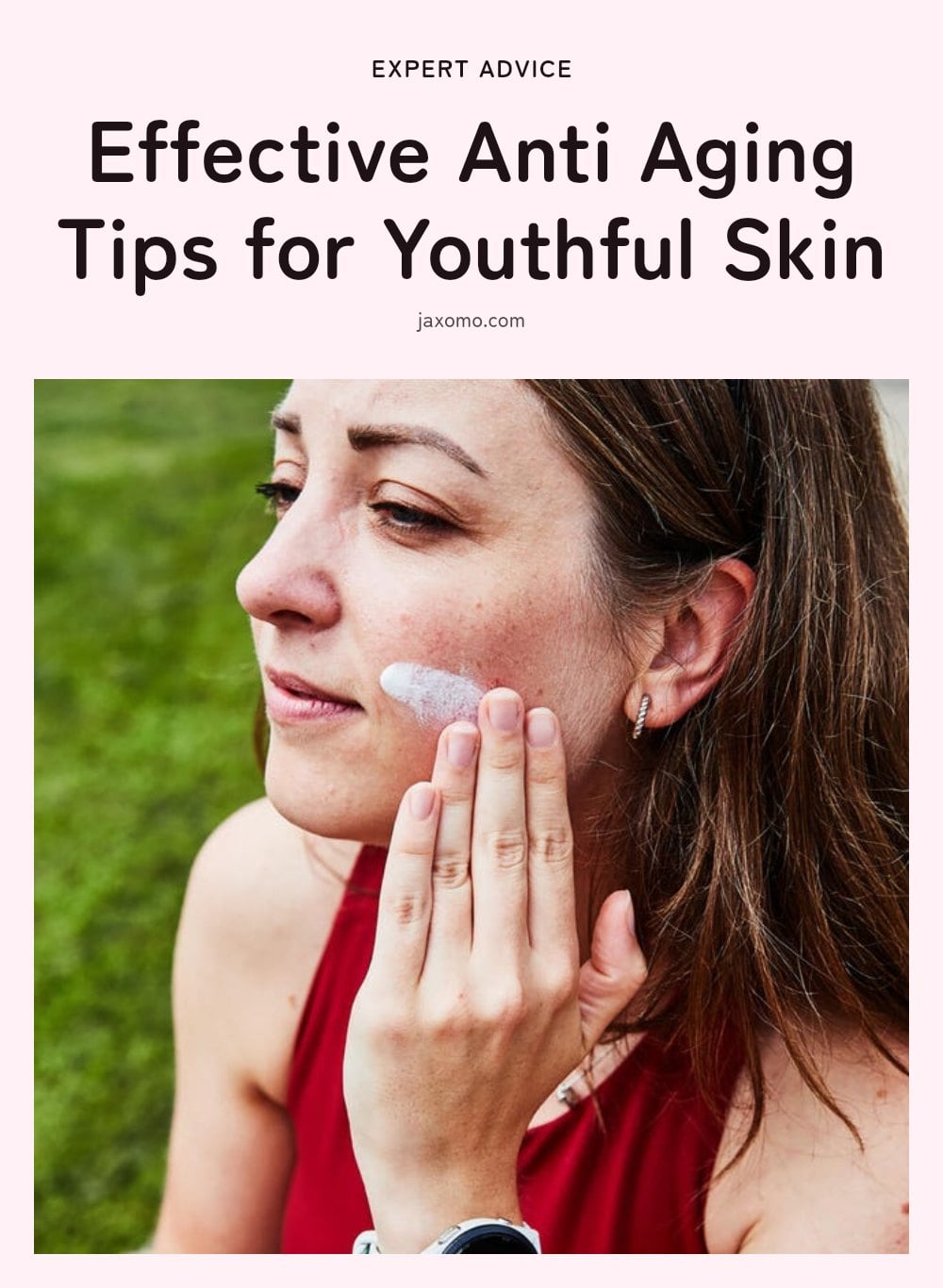
Sun exposure breaks down collagen and elastin, the proteins that keep skin firm and smooth. This makes UV rays a leading cause of forehead wrinkles. Your best defense is a broad-spectrum sunscreen with SPF 30 or higher applied every single day. Yes, even when it’s cloudy or you’re indoors near windows.
- Apply generously: Use a nickel-sized amount for your face and neck, and don’t forget your forehead.
- Reapply every two hours if you’re outside or sweating.
- Add physical barriers: Wear a wide-brimmed hat and sunglasses. Sunglasses also reduce squinting, which directly contributes to frown lines.
2. Hydrate Your Skin Inside and Out

Dehydrated skin makes fine lines and wrinkles look deeper. Well-hydrated skin is plumper and smoother, which temporarily minimizes their appearance. Hydrate from the inside out.
- Drink water throughout the day to support overall skin health and elasticity. Aim for at least 8 glasses.
- Use a rich moisturizer with humectants like hyaluronic acid. Hyaluronic acid attracts and holds moisture in your skin, creating a plumping effect that softens the look of lines.
3. Incorporate Antioxidant-Rich Skincare

Antioxidants protect your skin cells from free radical damage, a major contributor to aging. Incorporate them into your routine for added defense.
- Vitamin C serums are a powerful antioxidant that can also stimulate collagen production, helping to firm skin over time.
- Bakuchiol is a plant-based alternative to traditional retinoids. It offers similar wrinkle-reducing benefits by boosting cell turnover and collagen, but with less irritation. Look for it in serums or creams.
4. Exfoliate Gently and Regularly
Exfoliation removes dead skin cells, revealing smoother, brighter skin underneath and helping your serums and moisturizers absorb better. Choose a gentle chemical exfoliant like an AHA or BHA, or a very fine physical scrub. My tip: Don’t over-exfoliate. Once or twice a week is usually enough to avoid stripping your skin’s natural barrier and causing irritation.
5. Try Facial Massage Techniques

Gentle facial massage can temporarily improve blood circulation to the skin, which may support nutrient delivery and a healthy glow. Use a jade roller, gua sha tool, or your fingertips to massage your forehead in upward and outward motions. Always apply a facial oil or serum first to ensure smooth gliding and prevent pulling at the skin.
6. Nourish Your Skin with Natural Oils
Certain plant oils, like argan, jojoba, or rosehip oil, are rich in fatty acids and antioxidants that deeply moisturize and nourish the skin. They help improve your skin’s barrier function and elasticity. Apply a few drops after your serums and before your moisturizer to lock in hydration. My tip: Rosehip oil is fantastic for its regenerative properties.
7. Prioritize Quality Sleep

Adequate sleep allows your skin to repair and regenerate, contributing to a healthier and smoother complexion. Aim for 7-9 hours of quality sleep each night to give your skin the time it needs to recover from daily stressors. Consider sleeping on a silk pillowcase to reduce friction on your skin, though this is a minor factor compared to actual sleep.
8. Eat a Skin-Healthy Diet
What you eat directly affects your skin’s structure and elasticity. A balanced diet rich in vitamins, minerals, and antioxidants supports collagen production and protects against free radical damage. Focus on fruits like berries and citrus, vegetables like leafy greens and bell peppers, whole grains, and healthy fats from avocados, nuts, and seeds. These foods provide the building blocks your skin needs to stay firm and resilient.
9. Manage Stress Effectively
Chronic stress raises cortisol levels, which can break down collagen and worsen the appearance of wrinkles. It also often leads to tension in your facial muscles, deepening those forehead lines. Incorporate stress-reduction techniques into your daily routine: try 10 minutes of meditation, a gentle yoga flow, deep breathing exercises, or simply a walk in nature. Reducing stress may help relax your facial expression, minimizing tension-induced lines over time.
When to Consult a Dermatologist
If natural methods aren’t giving you the results you want or your forehead wrinkles are a significant concern, it’s time to see a dermatologist. They can offer medical-grade treatments like prescription retinoids, injectables such as Botox or fillers, or laser therapy. Also seek professional advice if you experience persistent skin irritation, allergic reactions, or have underlying skin conditions that complicate your routine.
Frequently Asked Questions
Can natural remedies completely erase deep forehead wrinkles?
No, natural methods cannot completely erase deep-set forehead wrinkles. They can significantly minimize the appearance of fine lines and prevent new ones from forming, but deep wrinkles may require professional treatments like injectables or laser therapy for more noticeable results.
How long does it take to see results from natural methods?
Results from natural methods are subtle and typically take consistent application over several weeks to months to become noticeable. Prevention is ongoing, so don’t expect immediate changes. Stick with your routine and be patient.
Is sunscreen really that important for forehead wrinkles?
Yes, sunscreen is crucial. UV radiation breaks down collagen and elastin, the proteins that keep skin firm and smooth, making sun exposure a leading cause of forehead wrinkles. Daily broad-spectrum SPF 30 or higher is your best defense.
What lifestyle changes can help prevent forehead wrinkles?
Prioritizing quality sleep (7-9 hours), managing stress through techniques like meditation or yoga, eating a balanced diet rich in antioxidants, and staying hydrated all support skin health and can help prevent forehead wrinkles from forming.
Are there any ingredients I should avoid for forehead wrinkles?
Avoid harsh exfoliants, overly aggressive scrubbing, and unverified DIY remedies that can irritate your skin. Also, be cautious with acidic ingredients like lemon juice, as they can cause photosensitivity or irritation. Stick with gentle, proven ingredients.
Final Thoughts
For the best results, make daily sunscreen and hydration your non-negotiable habits. Expect subtle improvements over several weeks to months, not overnight. Prevention is your most powerful tool, so stick with a consistent routine and give your skin the time it needs to respond.
This article is for general informational purposes only and does not constitute medical or professional advice. The content is not intended to diagnose, treat, cure, or prevent any skin condition. Always consult a dermatologist or qualified healthcare provider for persistent or serious skin concerns.