Detangling Matted Hair: A Gentle At-Home Guide
Discover effective methods for detangling matted hair at home, ensuring a pain-free and breakage-free experience. Learn the best tools and techniques.

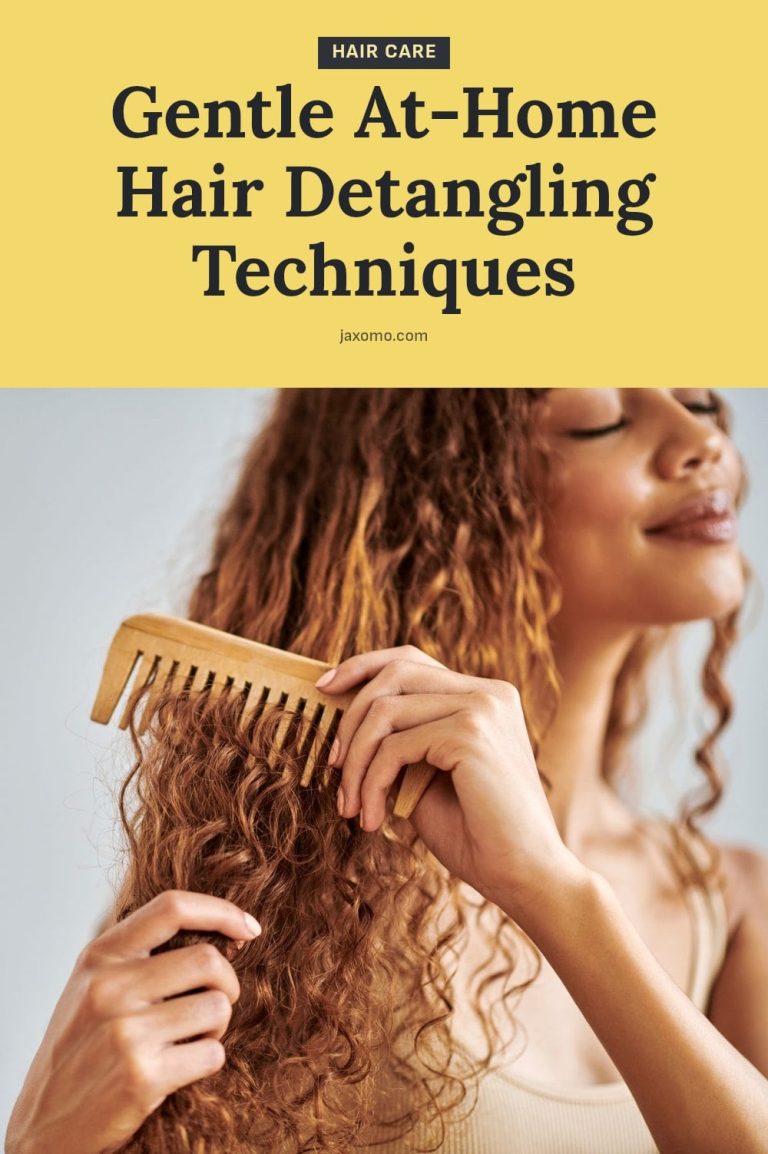
We all know the frustration of finding a stubborn knot in our hair. Whether you have curly, coily, or fine strands, tangles can turn a good hair day into a painful one. The good news is you can handle even matted hair at home without causing breakage or discomfort. This article covers the gentle steps, essential tools, and common mistakes to avoid so you can detangle safely and effectively.
Key Takeaways
- Always detangle on damp, lubricated hair, never when it is dry.
- Start from the very ends and work upward toward the roots.
- Use your fingers or a wide-tooth comb for severe tangles.
- Section hair into small parts to make the process manageable.
- Be patient; a session can take anywhere from 15 minutes to several hours.
Detangling Matted Hair: The Gentle Approach
To detangle matted hair without breakage or pain, always work on damp, lubricated hair. Never try to untangle dry hair. Start from the very ends and slowly work your way up to the roots. For severe tangles, use your fingers or a wide-tooth comb. Patience is the key to preventing damage.
Your Essential Detangling Toolkit
Gather these items before you start. Each one makes the process easier and safer.
- Wide-tooth comb: Gently separates strands without breaking them.
- Fingers: Best for initial separation and delicate knots where you can feel the tension.
- Detangling spray or leave-in conditioner: Provides slip and moisture to help strands slide apart.
- Hair oil: Adds extra lubrication for stubborn tangles.
- Spray bottle with water: Keeps hair damp during the process.
- Hair clips or ties: For effective sectioning so you work one small part at a time.
Step-by-Step: Gently Detangling Matted Hair
Follow this sequence for the gentlest detangling.
- Dampen your hair: Wet your hair with a spray bottle so it’s damp but not soaking wet. Hair is most fragile when soaking wet.
- Apply product: Apply a generous amount of detangling spray, leave-in conditioner, or hair oil to one section at a time. Be generous with product to create enough slip.
- Section your hair: Use clips or ties to divide your hair into small, manageable parts. Working in small sections prevents overwhelming tangles.
- Start at the ends: Begin detangling at the very ends of each section. This prevents pushing tangles further down and making them larger.
- Work through knots: Use your fingers first to separate strands, then a wide-tooth comb. Hold the hair firmly above the knot to prevent pulling on your scalp.
- Move upward: Once the ends are free, slowly work your way up the section, inch by inch. Never rush or pull.
- Rinse thoroughly: After all sections are detangled, rinse out any product completely with lukewarm water. Note: If you used a leave-in conditioner as your detangling product, this step ensures you remove excess product so your hair doesn’t feel heavy or sticky. You can reapply a small amount of leave-in conditioner after rinsing if your hair needs extra moisture.
Common Detangling Mistakes to Avoid
Avoid these common errors to protect your hair from breakage and pain.
- Detangling dry hair: Always dampen and lubricate your hair first. Dry hair snaps more easily.
- Starting from the roots: Always begin at the ends. Starting at the roots pushes tangles into tighter knots.
- Using fine-tooth combs or brushes: These tools grab and break matted strands. Use a wide-tooth comb or your fingers instead.
- Not using enough slip: Be generous with detangling products. Without enough slip, strands tug and break.
- Pulling forcefully: Patience and gentle motions are key. Forceful pulling causes breakage and scalp pain.
- Detangling large sections: Work in small, manageable parts. Large sections make tangles harder to see and untangle.
Best Tips for Easier Detangling
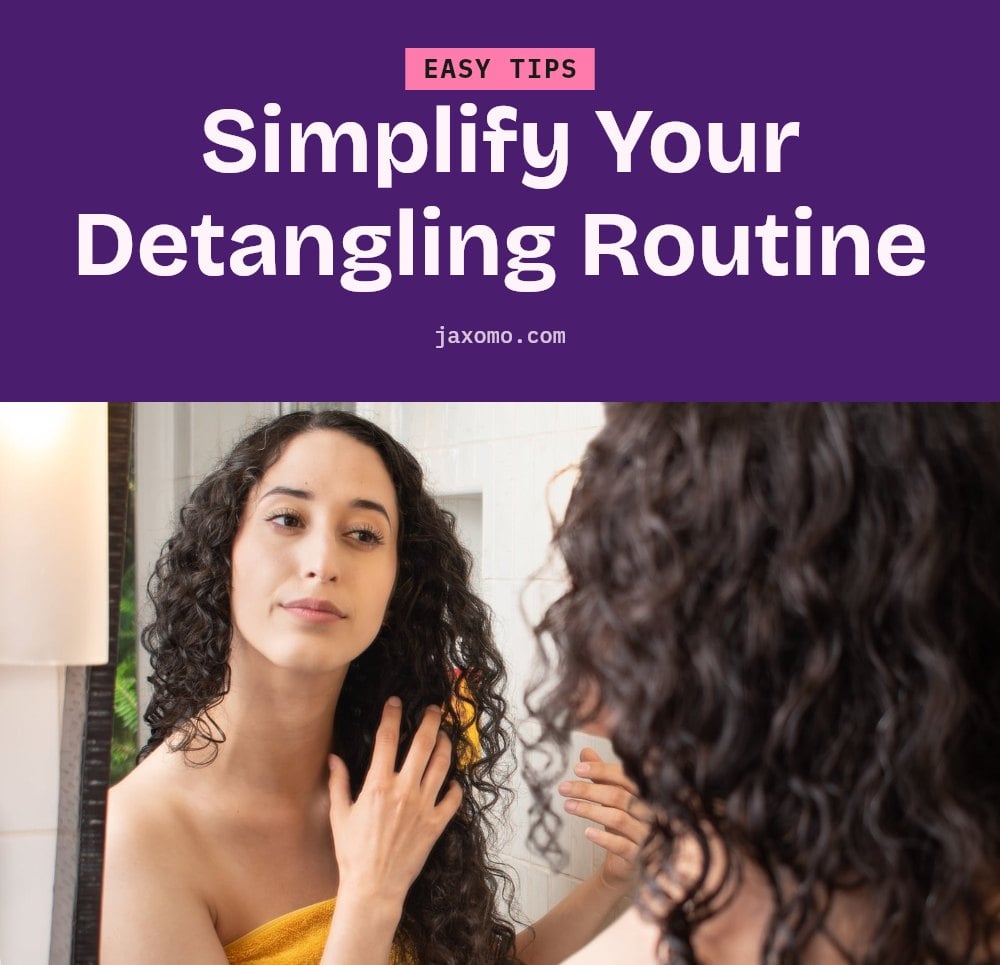
Listen to your hair. If a knot pulls or hurts, stop and reassess your method. Work in good light so you can see each tangle clearly, and use a mirror for the back of your head. For hair that is not severely matted, a detangling brush designed specifically for tangles with very flexible bristles can be gentler than a comb, but still emphasize working from the ends upward with a wide-tooth comb or fingers for the safest approach. Tip: Take breaks if you feel frustrated. Patience prevents breakage and makes the whole process faster.
Why Hair Gets Matted and Tangled
Tangling and matting happen for a few common reasons. Understanding them helps you prevent future knots.
Common Causes
- Friction: Sleeping without protection or rubbing against clothes twists strands together.
- Lack of moisture: Dry hair has raised cuticles that catch on each other.
- Infrequent detangling: Small tangles left alone grow into large knots.
- Hair texture: Curly and coily strands naturally interlock more than straight hair.
- Wind and environment: Gusts and dry air can knot hair in minutes.
Preventing Future Hair Matting
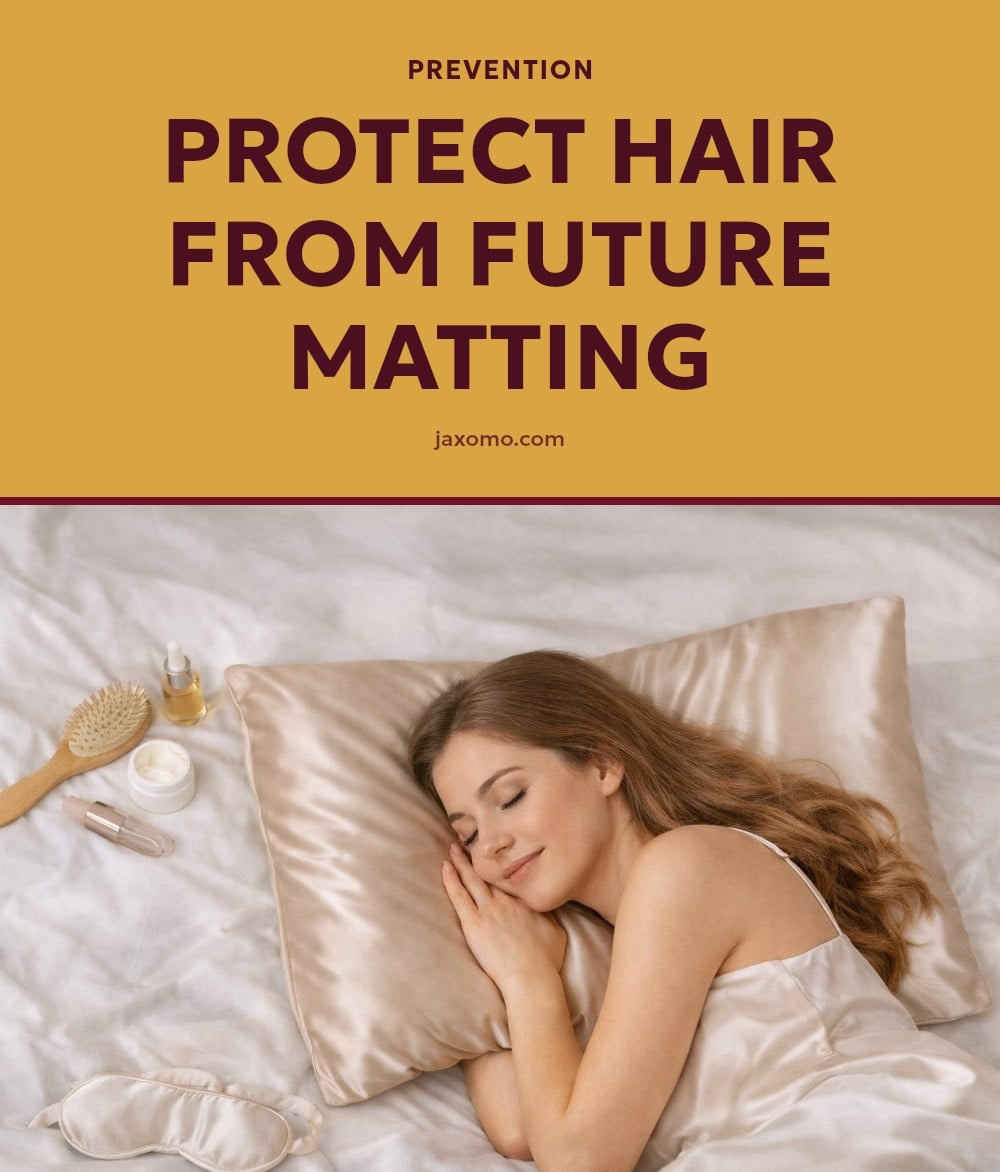
Prevent matting before it starts with these daily habits.
- Detangle regularly: Make it part of your routine, especially before washing.
- Wear protective styles: Braids, buns, or twists reduce friction during the day.
- Swap your pillowcase: Silk or satin minimizes friction while you sleep.
- Moisturize often: Hydrated hair is smoother and less likely to tangle.
- Use a leave-in conditioner: It adds a protective layer that prevents knots.
- Skip rough towels: Gently blot hair dry instead of rubbing to avoid creating tangles.
When to Consult a Professional Stylist
Some matting is too severe for at-home care. See a professional stylist if:
- The tangles are extensive and you cannot work through them.
- Detangling causes significant pain or scalp irritation.
- You fear you will cause hair loss or breakage.
- You have tried every method and are still stuck.
A stylist has the tools and experience to remove matting safely.
Time Commitment for Detangling
Detangling can take anywhere from 15 minutes to several hours, depending on how matted your hair is. Plan for a longer session if you haven’t detangled in a while. To prevent severe matting, detangle regularly, ideally before every wash. The cost of products varies, but good detangling sprays and conditioners are affordable and worth the investment.
Frequently Asked Questions
How long does it take to detangle severely matted hair?
It depends on how matted your hair is. A session can take anywhere from 15 minutes to several hours. Plan for a longer session if you have not detangled in a while, and take breaks if needed to avoid frustration.
Can I detangle my hair in the shower?
Yes, you can detangle in the shower, but work on damp hair, not soaking wet. Hair is most fragile when soaking wet. Apply conditioner or a detangling product first, then use your fingers or a wide-tooth comb starting from the ends.
What if my hair is still tangled after following these steps?
If you still have tangles, do not force them. Apply more slip with conditioner or oil and try again gently. If the matting is severe and you cannot work through it, it is best to see a professional stylist to avoid hair breakage or loss.
Is it better to detangle wet or dry hair?
It is best to detangle on damp hair, not dry or soaking wet. Dry hair snaps more easily, and soaking wet hair is at its most fragile. Dampen your hair with a spray bottle and add a detangling product for safe slip.
What causes hair to get matted so easily?
Common causes include friction from sleeping without protection, lack of moisture, infrequent detangling, and certain hair textures like curly or coily. Using a silk or satin pillowcase and moisturizing regularly can help prevent matting.
Final Thoughts
My tip: Keep a spray bottle and a detangling product on hand for quick touch-ups between washes. Realistically, even with the best technique, some sessions will take longer than others, especially if you have not detangled in a while. Stick with the routine, and you will see fewer tangles over time. Your hair will thank you for the gentle approach.
This article is for general informational purposes only and does not constitute medical or professional hair care advice. Every person’s hair is different. If you have a persistent scalp issue, significant pain, or severe matting that you cannot resolve at home, consult a licensed stylist or a healthcare professional.