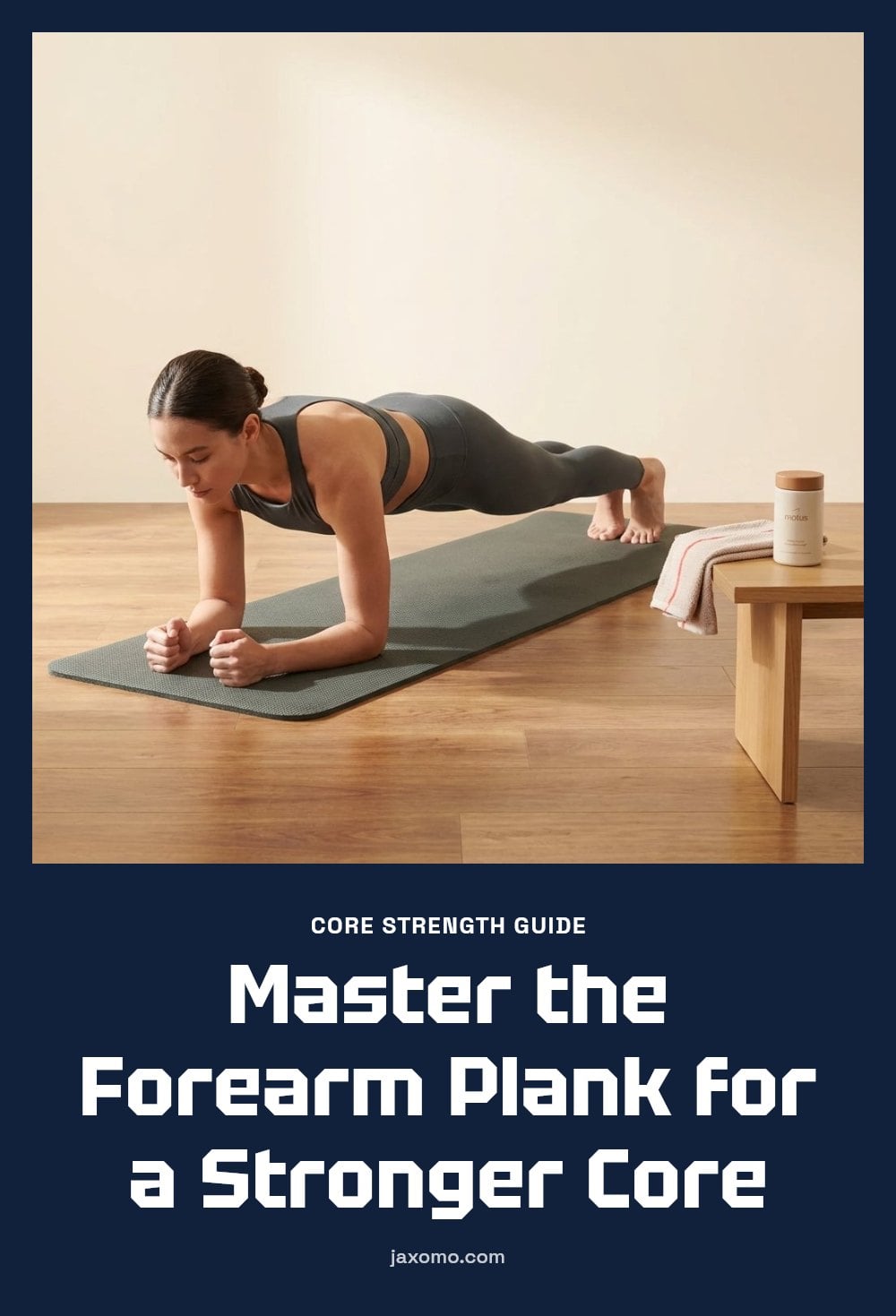
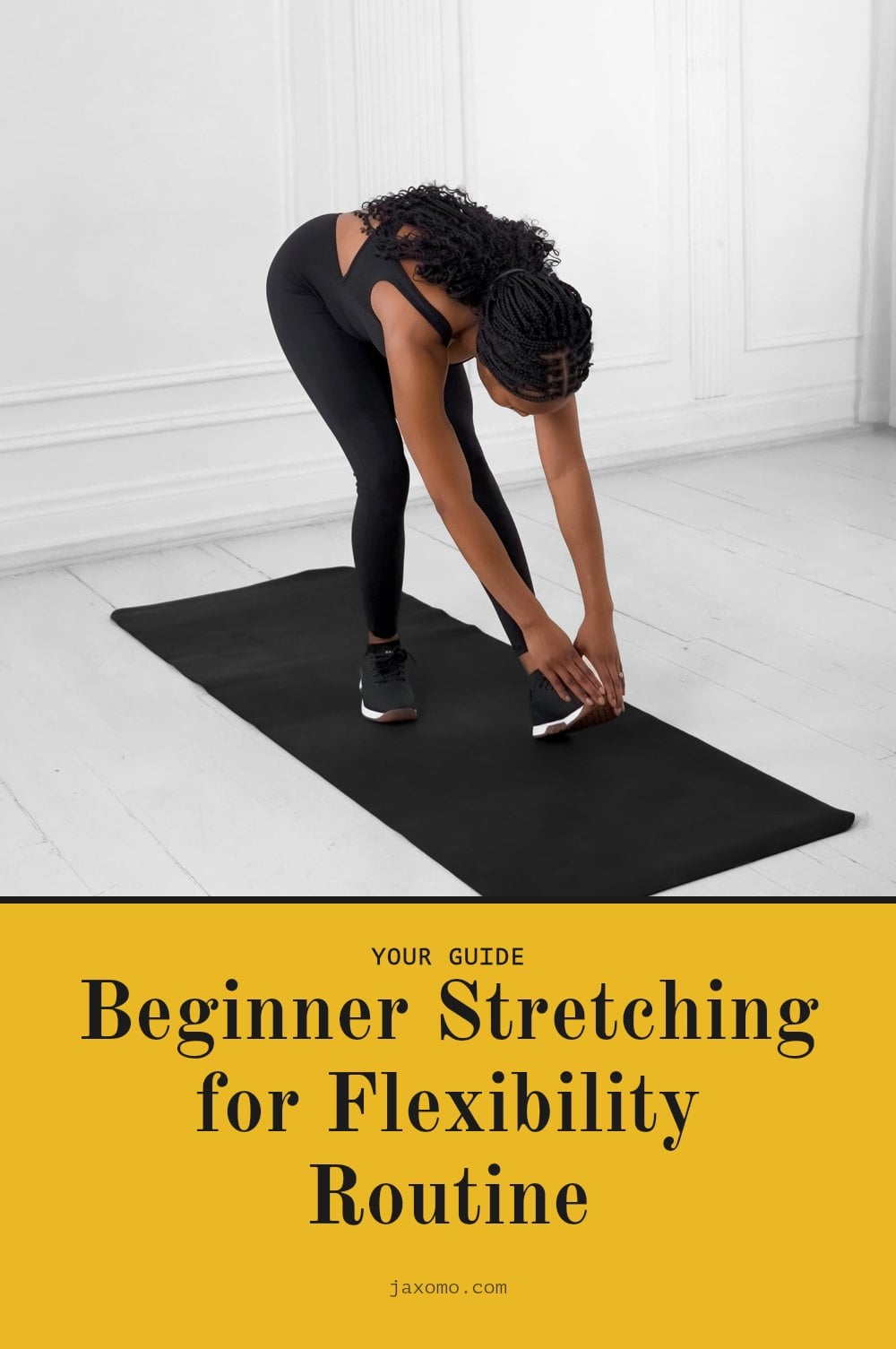
Your Step-by-Step Guide to Muscle Gain
Discover the essential steps for successful muscle gain, including training, nutrition, and recovery, to build a stronger, more defined physique.


You’ve been putting in the work at the gym, but that muscle gain you’re after feels like it’s taking forever. Building muscle isn’t about magic pills or spending hours on end lifting; it’s about combining the right training, protein, and rest in a consistent way. This article covers the fastest path to hypertrophy, the tools you need, a step-by-step plan, common mistakes to dodge, and what timeline to expect.

Key Takeaways
- Prioritize compound exercises like squats and deadlifts for maximum muscle activation.
- Practice progressive overload by gradually increasing weight or reps each week.
- Aim for 0.7 to 1.0 grams of protein per pound of body weight daily.
- Get 7-9 hours of sleep per night for optimal recovery and hormone balance.
- Include rest days and avoid training the same muscle group intensely every day.
The Fastest Path to Muscle Gain
Muscle gain, or hypertrophy, happens when you combine consistent resistance training with enough protein, rest, and progressive overload. It is a gradual process, but focusing on these key pillars helps your body repair and build new muscle tissue effectively. My tip: treat each workout as a step forward, not a race.
Essential Tools for Your Muscle Building Journey
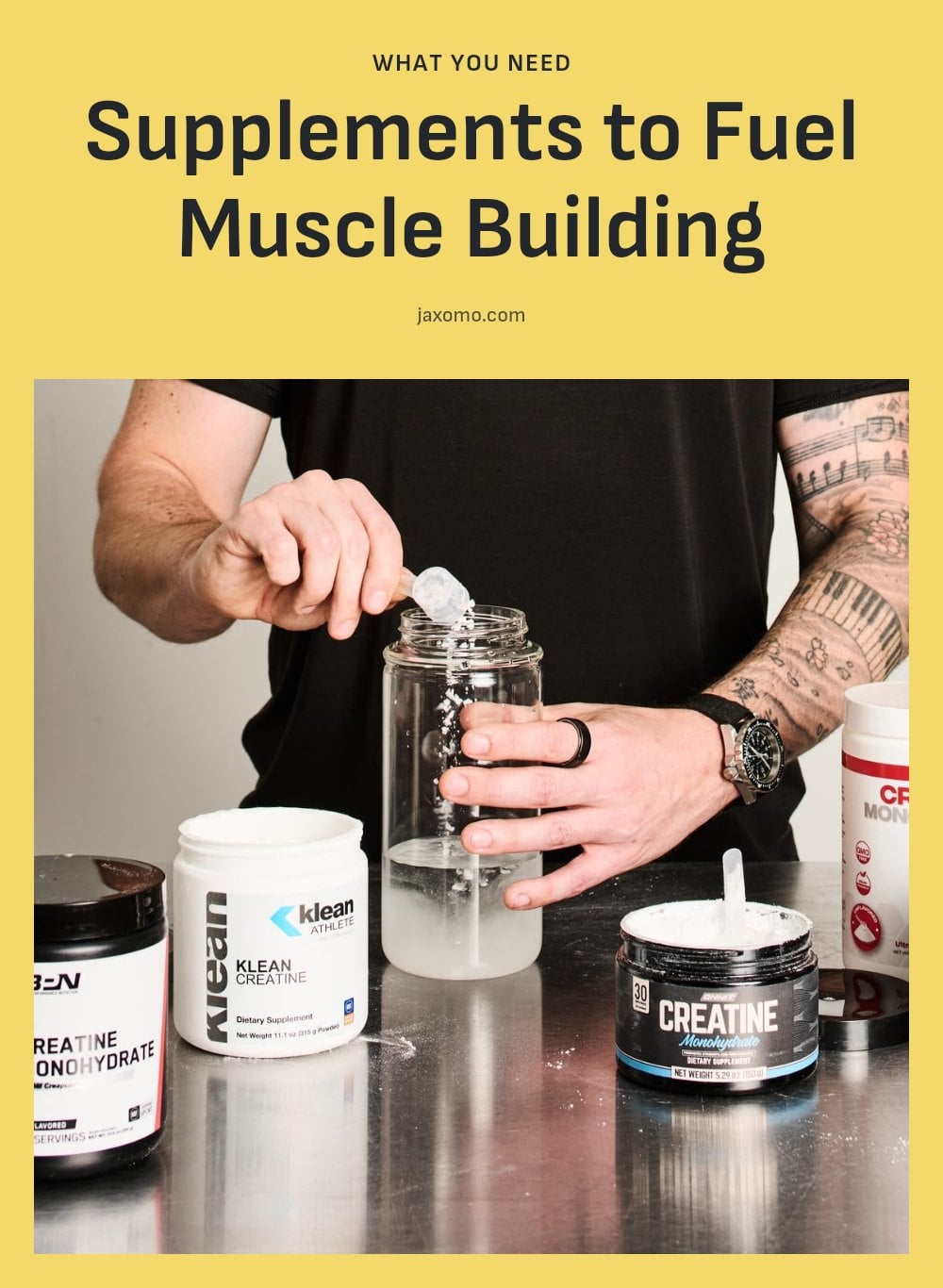
You need a few essential items to start building muscle effectively. Here is what I usually keep on hand:
- Resistance training equipment: Dumbbells, barbells, or resistance bands are crucial for creating the stimulus your muscles need to grow.
- Protein powder and creatine monohydrate: These supplements can support muscle growth and recovery when paired with a solid diet.
- Proper workout shoes and a water bottle: Good footwear protects your feet during lifts, and staying hydrated boosts performance.
Your Step-by-Step Guide to Building Muscle
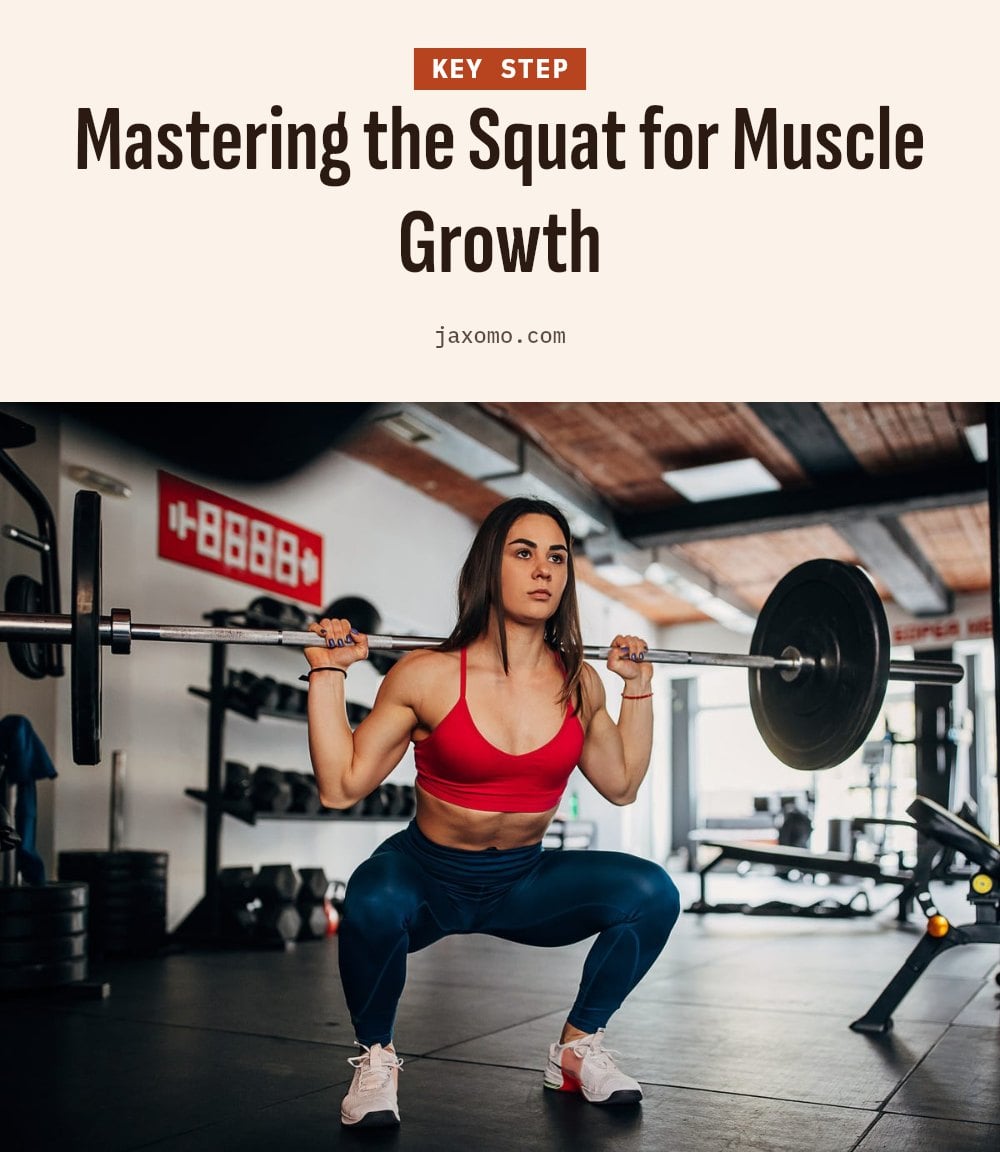
Follow these steps consistently, and you will see progress over time.
- Prioritize compound exercises: Focus on moves like squats, deadlifts, and bench presses. They work multiple muscle groups at once, giving you more bang for your effort.
- Gradually increase the weight: Add small increments of resistance each week. This progressive overload forces your muscles to adapt and grow.
- Consume 0.7-1.0 grams of protein per pound of body weight daily: Spread this across meals to keep amino acids available for repair.
- Get 7-9 hours of quality sleep each night: Sleep is when your body releases growth hormone and repairs muscle tissue.
- Include dedicated rest days: Your muscles need time to recover between sessions. Aim for at least one full rest day per week.
- Stay well-hydrated throughout the day: Drink water especially around workouts to maintain performance and aid recovery.
How Your Body Builds Muscle
Your body builds muscle through a process called muscle protein synthesis, or MPS. When you perform resistance training, it creates tiny micro-tears in your muscle fibers. This damage signals your body to start MPS, which repairs and strengthens those fibers.
To fuel this process, you need adequate protein. It supplies the amino acids your body uses to rebuild the fibers stronger than before. A caloric surplus gives you the extra energy needed for growth, and sufficient rest allows the repair to happen fully. Over time, as you keep challenging your muscles with progressive overload, they adapt by getting larger and stronger.
Common Muscle Building Mistakes to Avoid
Even with the right plan, a few common mistakes can slow your progress. Skipping protein or cutting calories too low leaves your body without the building blocks it needs, so aim for 0.7 to 1.0 grams of protein per pound of body weight daily and eat enough to support growth.
- No progressive overload: If you lift the same weight every week, your muscles adapt and stop growing. Add a little weight or an extra rep each session.
- Too little rest: Training the same muscles daily prevents recovery. Schedule rest days and train each major group 2 to 3 times weekly.
- Poor form: Bad technique reduces effectiveness and raises injury risk. Drop the weight until your movement is clean.
- Isolation only: Curls and leg extensions have a place, but they won’t build overall mass like squats and deadlifts do.
- Inconsistency: Missing workouts or skipping protein days stalls results. A steady routine beats occasional intense efforts.
Expert Tips for Optimal Muscle Growth

Small tweaks can push your results further. Change your rep ranges, exercise order, or tempo every few weeks to keep your muscles guessing and avoid plateaus.
- Protein timing: Having a protein-rich snack within a couple hours after training can help muscle repair, though the window is more flexible than once believed.
- Listen to your body: Persistent fatigue or soreness signals overtraining. Dial back intensity or take an extra rest day before it leads to injury.
- Compound first: Start your workout with multi-joint moves like squats, presses, and rows. They recruit more muscle fibers and give you the most stimulus per set.
My tip: keep a simple log of weights and reps. Seeing progress on paper helps you stay consistent and know when to push harder.
What to Expect: Timeline and Investment
Realistic expectations keep you motivated. Most people notice visible muscle gain within 8 to 12 weeks of consistent training and proper nutrition, with continued growth over months and years. This is not a quick fix; it demands ongoing commitment to both workouts and meals.
Investment varies widely. Bodyweight exercises cost nothing, a gym membership and basic supplements like protein powder or creatine monohydrate are moderate, and hiring a personal trainer or buying advanced supplements adds more. Choose what fits your budget and start there.
When to Consult a Professional
Safety comes first. Check with a doctor before beginning any new exercise program, especially if you have underlying health conditions. A certified personal trainer can correct your form and design a plan tailored to your level, which prevents many injuries early on.
For nutrition, a registered dietitian offers personalized guidance on protein and calorie targets. Stop immediately if you feel sharp pain during a workout and consult a medical professional before continuing.
Frequently Asked Questions
How long does it take to see muscle gain?
Most people notice visible muscle gain within 8 to 12 weeks of consistent training and proper nutrition. Results continue to build over months and years, so patience and consistency are key.
Can I build muscle without going to a gym?
Yes, you can. Resistance bands, bodyweight exercises like push-ups and squats, and even heavy household items can provide enough stimulus for muscle growth. The key is still progressive overload, so you need to gradually increase the challenge.
What if I’m not seeing results?
First, check your protein and calorie intake, as many people don’t eat enough. Second, make sure you are progressively overloading, meaning you are lifting heavier or doing more reps over time. If everything seems right, consider consulting a certified trainer to review your form and plan.
Do I need to eat a lot of carbs to build muscle?
Carbs provide energy for your workouts, but you don’t need an excessive amount. Focus on getting enough protein and total calories; a moderate amount of carbs from sources like whole grains, fruits, and vegetables can support your training without overdoing it.
Is it possible to build muscle and lose fat at the same time?
It is possible, especially for beginners or those returning after a break, but it is challenging. This usually requires a slight caloric deficit with high protein intake and consistent resistance training. For most people, focusing on one goal at a time is more sustainable.
Final Thoughts
My recommendation: pick two or three compound lifts, add small weight each week, and pair that with enough protein at every meal. Expect noticeable changes in about 8 to 12 weeks if you stay consistent with both workouts and nutrition. This is a slow, steady process, but it works if you stick with it.
This information is for general informational purposes only and is not a substitute for professional medical or fitness advice. Before starting any new exercise or nutrition program, especially if you have underlying health conditions, consult a doctor or a certified personal trainer. Individual results vary.