Dry Hair Care Tips: Restore Moisture and Shine
Transform your dry, dull hair with expert tips and product recommendations. Learn how to hydrate, protect, and restore your hair's natural softness and shine.

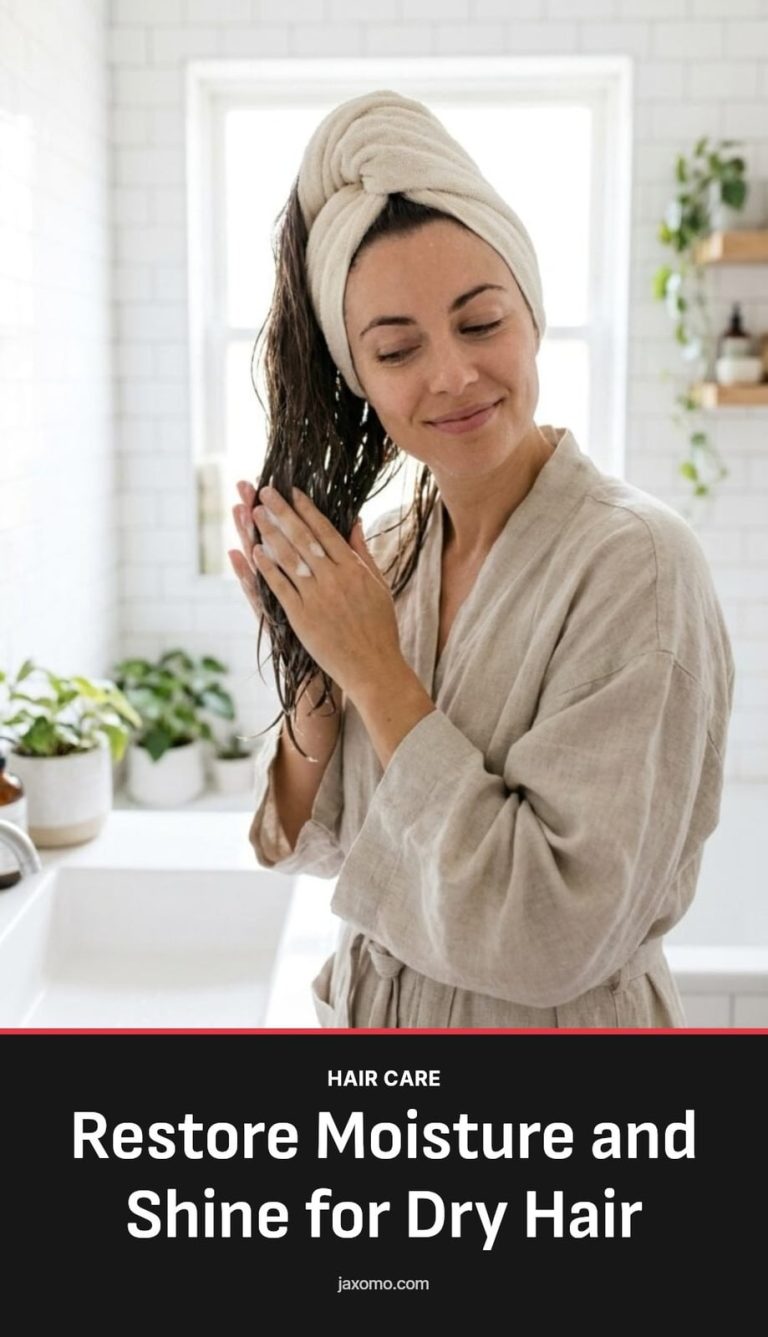
Dry hair can feel rough, look dull, and break easily, but the right routine can make a real difference. Whether your hair is dry from heat styling, chemical treatments, or just the weather, there are practical steps you can take to restore moisture and shine. This article covers the best hydrating products, gentle care habits, and common mistakes to avoid, so you can bring your hair back to life.
Key Takeaways
- Use a moisturizing shampoo and conditioner without harsh sulfates.
- Deep condition with a hair mask 1-2 times per week.
- Apply leave-in conditioner or hair oil to damp hair.
- Always use a heat protectant before styling with heat.
- Wash hair only every 2-3 days and use lukewarm water.
What to Do for Dry Hair
Dry hair lacks moisture, and the fix comes from combining hydrating products with gentle care. Start with a moisturizing shampoo and conditioner, then add a weekly deep treatment to replenish what’s lost. Shield your hair from heat tools and environmental stressors like sun and wind. Adjust your washing routine to preserve natural oils, and you’ll notice smoother, shinier strands within a few weeks.
1. Choose Hydrating Shampoos and Conditioners
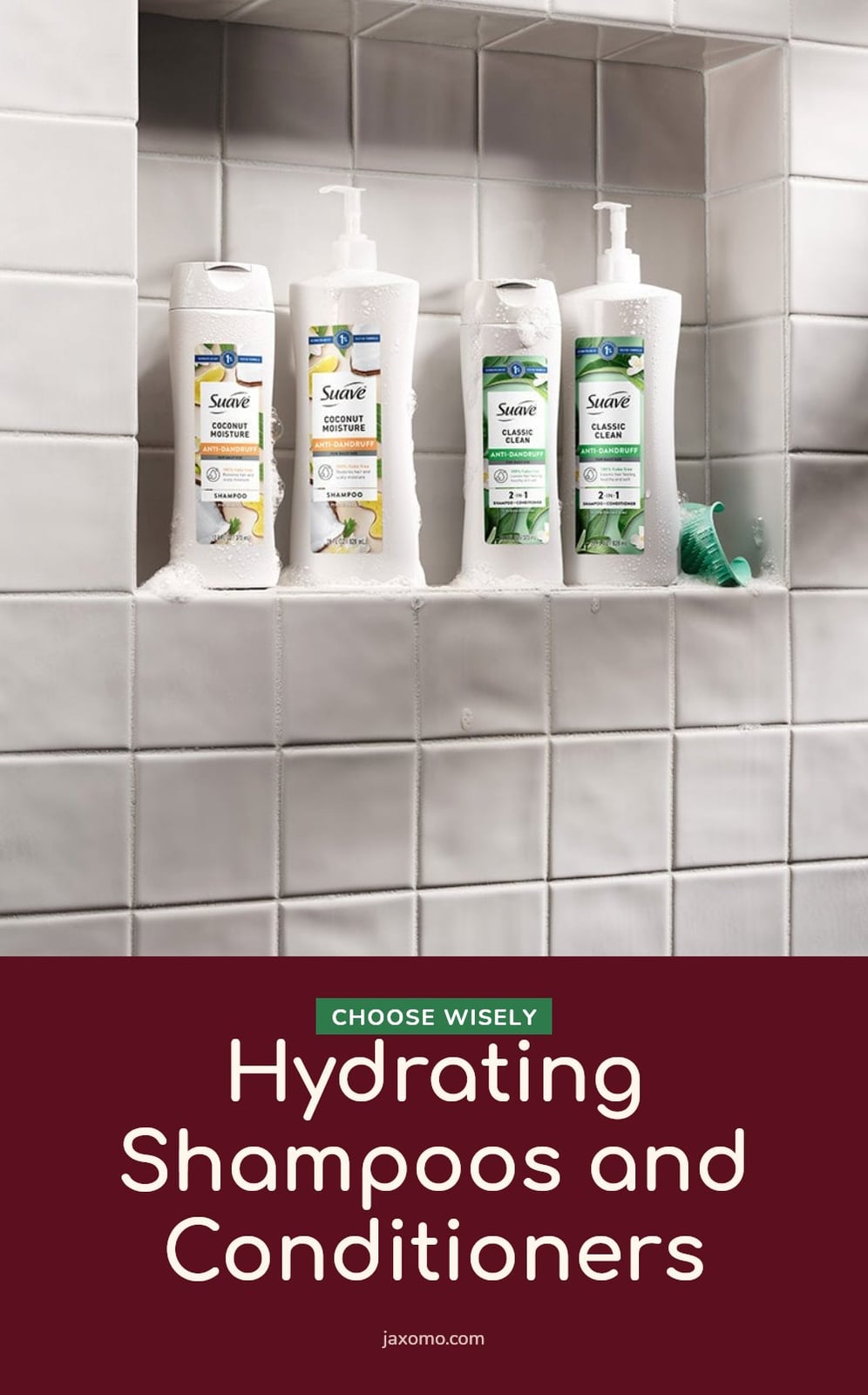
Reach for shampoos and conditioners labeled “dry” or “moisture” and check the ingredient list for hyaluronic acid, glycerin, or natural oils like argan or coconut. These attract and hold water in the hair shaft.
My tip: Avoid shampoos with harsh sulfates, as they strip natural oils and worsen dryness. Always follow with a rich conditioner, but apply it mainly to the mid-lengths and ends, where hair is oldest and driest.
2. Deep Condition Regularly with Hair Masks
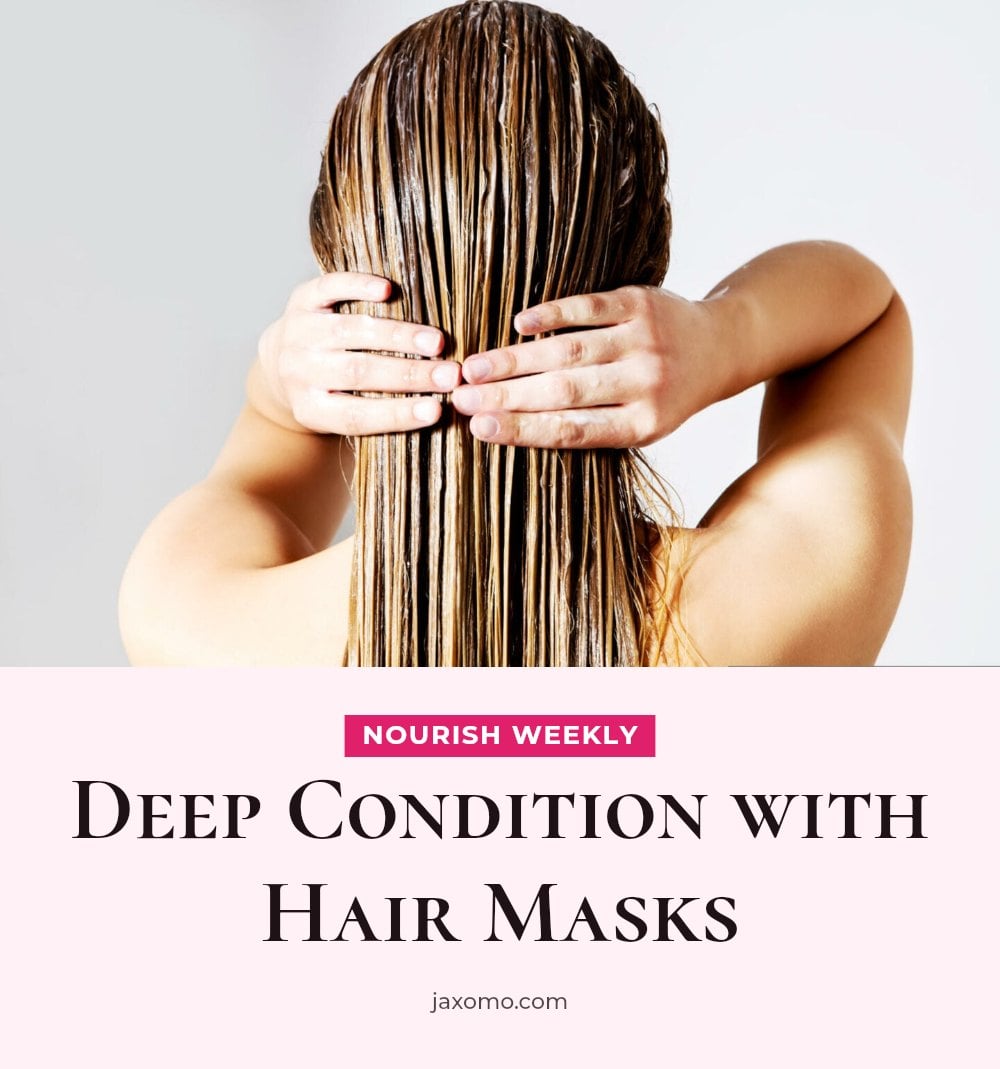
Use a deep conditioning mask once or twice a week to infuse intense moisture. These treatments pack humectants, emollients, and proteins that pull water into the hair and seal the cuticle, smoothing lifted scales.
Apply to clean, damp hair, focusing on the lengths and ends. Leave it on for the time specified on the label, usually 5 to 20 minutes, then rinse thoroughly. For extra penetration, pop on a shower cap while it sits.
3. Incorporate Leave-In Conditioners and Oils
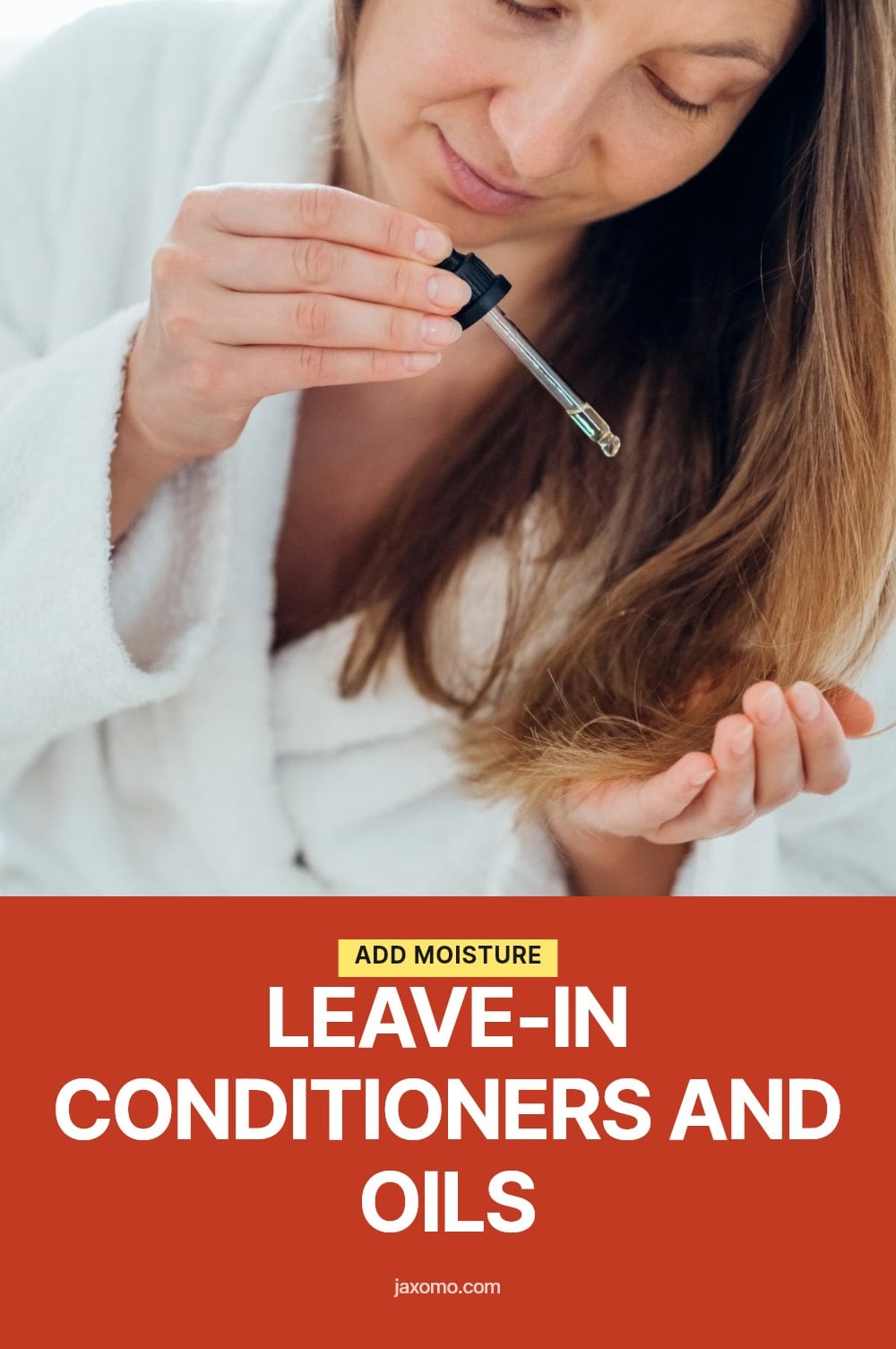
After washing, apply a leave-in conditioner or a few drops of hair oil, such as argan, coconut, or jojoba, to damp hair. These products form a protective layer that locks in moisture and prevents loss throughout the day.
My tip: Start with a pea-sized amount and add more only if needed, concentrating on the ends. This avoids weighing down your roots and keeps your hair light and bouncy.
4. Protect Hair from Heat Styling
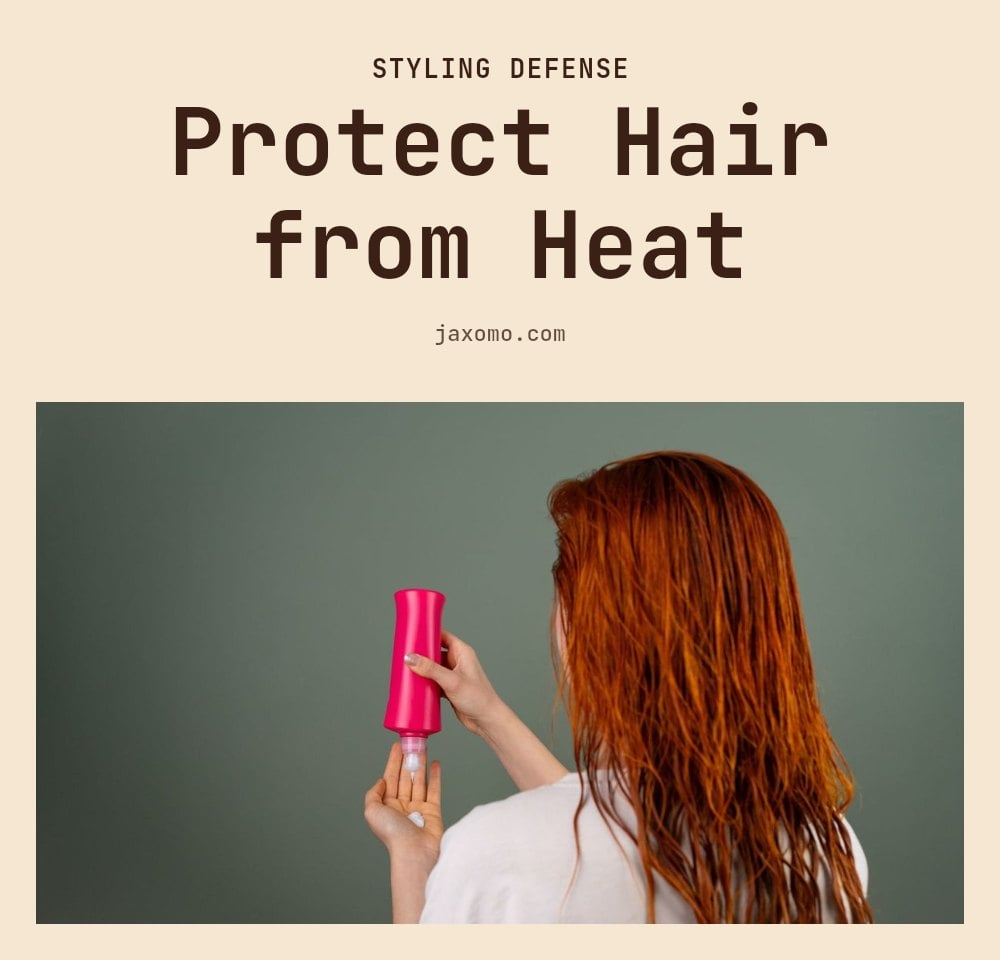
Heat styling tools like blow dryers, flat irons, and curling irons strip moisture from the hair shaft, especially when used at high temperatures or without protection. Before any heat styling, spray a heat protectant evenly from roots to ends, making sure every strand is covered. This creates a barrier that reduces moisture loss and prevents damage.
Tip: Set your tools to the lowest effective temperature. If you can style your hair without the highest setting, your hair will thank you. Also, air dry whenever possible to cut down on heat exposure entirely. For blow drying, keep the nozzle moving and use a cool shot at the end to help seal the cuticle.
5. Wash Hair Less Frequently
Washing your hair too often strips away the natural oils (sebum) that keep it moisturized. Try to wash only every 2-3 days, or even less if your hair tolerates it. When you do wash, skip the hot water and use lukewarm instead. Hot water opens the cuticle and lets moisture escape, leaving your hair drier.
6. Guard Against Environmental Damage

Sun, wind, and dry air pull moisture out of your hair, leaving the cuticle rough and dull. Wear a hat or use a UV-protective hair product when you’re outdoors for extended periods; the sun’s rays damage the hair shaft just like they damage your skin.
In dry climates, the lack of humidity means your hair loses water fast. My tip: run a humidifier in your bedroom at night to add moisture to the air, which helps your strands stay hydrated. If you’re in a windy area, tie hair back loosely to reduce friction and tangling.
7. Be Gentle with Wet Hair
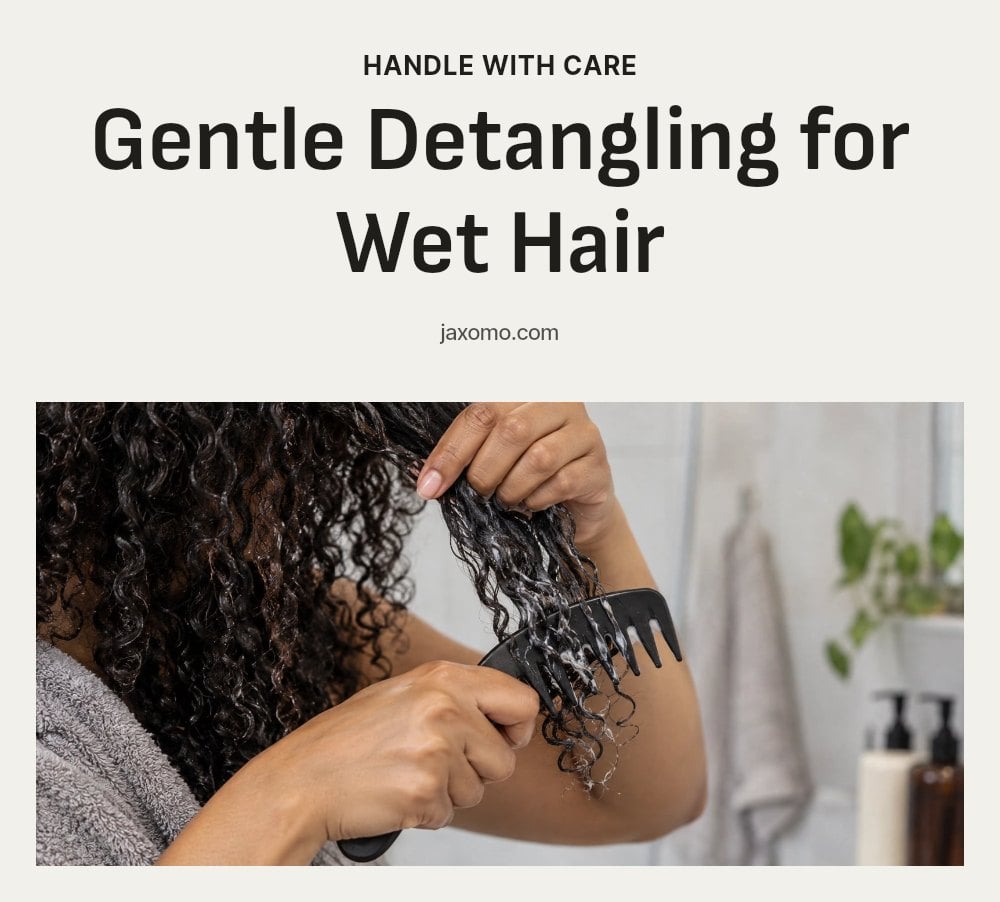
Wet hair is more fragile than dry hair because water weakens the bonds inside each strand, making it stretch and snap more easily. So skip the brush entirely and reach for a wide-tooth comb to detangle. Start at the ends and work your way up, gently working out knots instead of pulling through them.
After washing, don’t rub your hair with a regular towel. The friction roughs up the cuticle and causes breakage. My tip: gently squeeze excess water out with a microfiber towel, which is softer and absorbs more water without the damage.
8. Trim Split Ends Regularly
Split ends are a clear sign of damage, and they make your hair look and feel drier even when the rest of the strand is hydrated. The split travels up the hair shaft, worsening the damage and undoing your moisturizing work.
Book a trim every 6 to 8 weeks to remove split ends before they spread. Keeping the ends intact means your leave-in conditioners and oils can actually do their job on healthy strands, so your hair looks smoother and holds moisture better.
9. Upgrade Your Pillowcase
Swap your cotton pillowcase for a silk or satin one. Cotton creates friction as you move in your sleep, which roughens the cuticle and lets moisture escape, leaving you with drier, frizzier hair in the morning.
Silk and satin have a smoother surface, so your hair glides instead of snagging. That means less breakage and less moisture loss overnight.
Good to know: Less friction also means fewer tangles, so you wake up with smoother, more hydrated-feeling hair and spend less time detangling.
10. Consider Chemical Treatment Impact
Coloring, perms, and relaxers alter the hair’s structure, and that damage makes it much harder for your strands to hold onto moisture. If you process your hair regularly, you need to add extra moisture and strength to compensate.
Use a hydrating mask weekly and alternate with a bond-repairing treatment to support the weakened structure.
Pro move: Space out your chemical services as much as you can, and always use a bond-repairing product if you color or process frequently. Give your hair time to recover between sessions.
11. Review Your Diet and Hydration
What you eat and drink supports hair health from the inside, though research on its direct effect on existing dryness is still emerging. A diet with enough essential fatty acids, vitamins, and water keeps your body functioning well, including hair growth.
Staying hydrated helps every cell in your body, and your hair follicles are no exception.
Quick tip: Focus on a balanced diet with plenty of fruits, vegetables, and healthy fats like avocados and nuts. Pair that with consistent water intake, and your topical routine will have a better foundation to work from.
Common Dry Hair Mistakes to Avoid
Using too much shampoo: You only need a dime-sized amount, and it belongs on your scalp, not the lengths. Over-shampooing strips natural oils, leaving hair drier.
Not rinsing conditioner thoroughly: Leftover residue coats strands, weighing them down and making hair look dull, not hydrated. Rinse until the water runs clear.
Ignoring your scalp: A healthy scalp supports healthy hair growth. If your scalp feels tight or flaky, add a gentle scalp treatment to your routine.
Over-using protein treatments: Protein strengthens, but too much without enough moisture can make hair brittle. Alternate protein masks with hydrating ones to keep the balance.
Expecting immediate results: Hair repairs gradually. Stick with your routine consistently, and you’ll see noticeable improvements in texture and moisture over 1-3 months.
Frequently Asked Questions
How often should I deep condition dry hair?
For dry hair, use a deep conditioning mask or treatment 1-2 times a week. Apply it to clean, damp hair, focusing on the lengths and ends, and leave it on for the time specified on the product label. If your hair is very damaged or processed, you might benefit from the higher end of that range, but avoid overdoing it with protein-heavy masks, as they can make hair brittle.
Can diet affect hair dryness?
Diet can support overall hair health, though its direct effect on existing dryness is still being studied. Eating a balanced diet with enough essential fatty acids, vitamins, and water helps your body function well, including hair growth. Staying hydrated and getting nutrients like omega-3s may help, but topical moisturizing products are the most direct way to treat dry hair.
Is it bad to wash dry hair every day?
Washing dry hair every day can strip away the natural oils that keep it moisturized, making dryness worse. Try to wash only every 2-3 days, or even less often if your hair tolerates it. When you do wash, use a gentle, moisturizing shampoo and lukewarm water to minimize moisture loss.
What’s the best oil for dry hair?
Oils like argan, coconut, and jojoba are all good choices for dry hair. They help seal the cuticle and create a protective barrier that reduces moisture loss. My tip: start with a pea-sized amount on damp hair, focusing on the ends, and adjust based on your hair’s thickness and texture. There’s no single best oil, so try one that suits your hair’s needs.
Can stress cause dry hair?
Stress can affect your overall health, and it may play a role in hair conditions, but it’s not a direct cause of dryness. Stress can influence habits like poor diet or neglecting hair care, which might contribute to dryness. If you’re experiencing significant hair loss or scalp issues along with dryness, it’s a good idea to see a dermatologist.
Final Thoughts
To see real improvement, pick a moisturizing shampoo and conditioner, add a weekly deep conditioning mask, and protect your hair from heat and sun. Be patient: noticeable changes in texture and moisture often appear within a few weeks, with more significant results over 1-3 months of consistent care. Stick with the routine, and your hair will thank you.
This article is for general information only and is not a substitute for professional medical or hair care advice. If you have persistent dryness, excessive hair loss, scalp irritation, or other concerning symptoms, consult a dermatologist or doctor for a proper evaluation.