Exfoliation Tips for Smooth Skin: Your Guide to a Radiant Complexion
Discover the best exfoliation tips for smooth skin. Learn how to choose the right method for your skin type and avoid common mistakes for a radiant complexion.


Dull, rough skin can be frustrating, especially when you’re trying to achieve that smooth, radiant look. Exfoliation is the key to removing those dead skin cells that build up over time, revealing a brighter and more even complexion. In this article, I’ll walk you through the best methods for your skin type, how often to do it, and the crucial steps you need to take to avoid irritation.

Key Takeaways
- Identify your skin type before choosing between physical and chemical exfoliation methods.
- Start with a gentle exfoliant once a week and increase to 2-3 times per week as tolerated.
- Always moisturize immediately after exfoliating to support your skin barrier.
- Use a broad-spectrum SPF 30+ sunscreen daily, as exfoliation increases sun sensitivity.
- Stop exfoliating and consult a dermatologist if you experience excessive redness, burning, or peeling.
Unlock Your Smoothest Skin: What Exfoliation Can Do For You
Exfoliation is the simple act of sweeping away dead skin cells that pile up on your face, and it makes a real difference. That dull, rough texture you feel? It’s often just that top layer of expired cells. Removing them reveals brighter, smoother skin underneath. It also helps unclog pores, which can reduce acne and blackheads before they start. The trick is that no single method works for everyone. Your skin type and concerns determine whether a gentle scrub, a chemical acid, or an enzyme is your best match. Keep it gentle, and you will see results without irritation.
1. Know Your Skin Type First
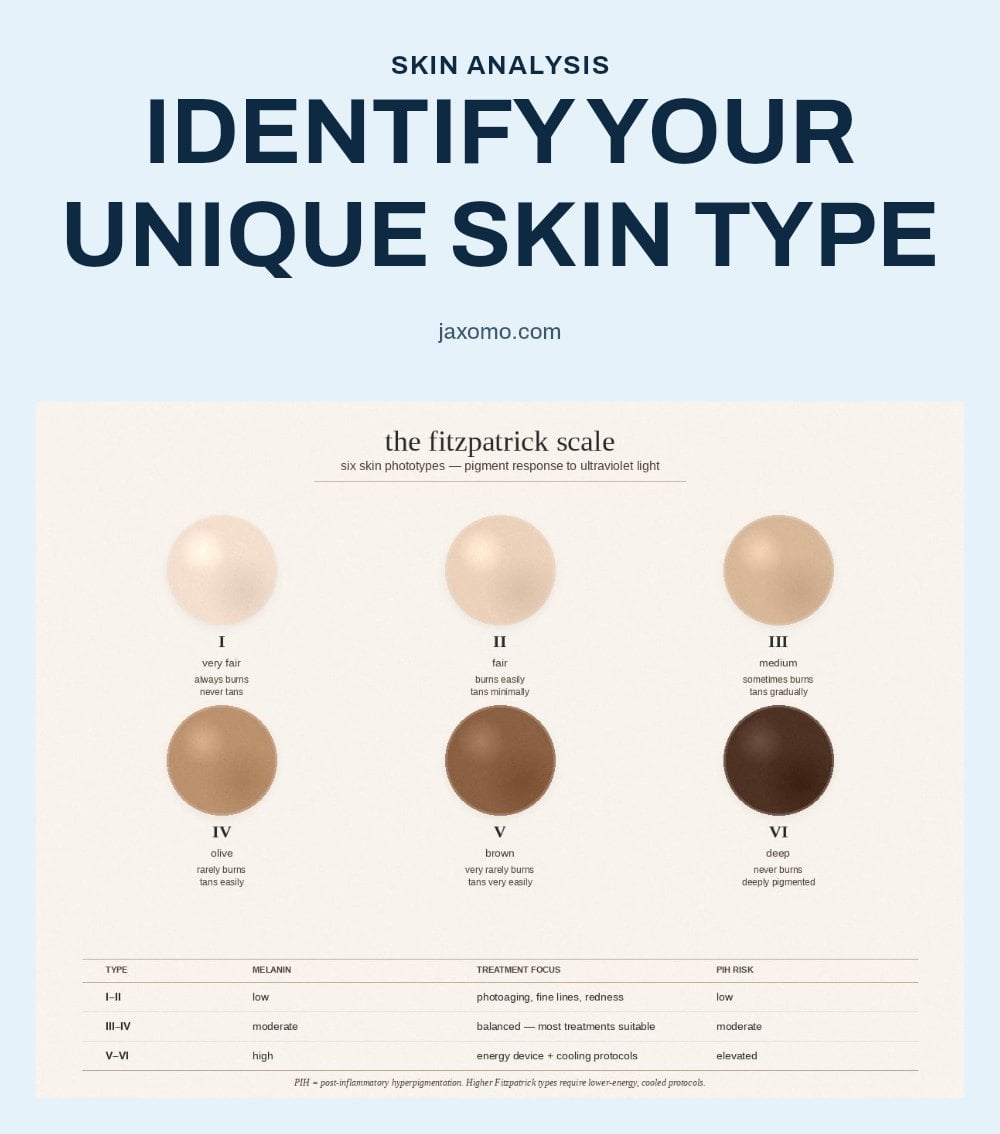
Before you even think about exfoliating, you need to understand your skin type. This is my #1 tip. Using the wrong exfoliant is the fastest way to regret it. Here is a quick guide to what usually works:
- Dry or sun-damaged skin: Gentle Alpha Hydroxy Acids (AHAs) like glycolic or lactic acid work on the surface to loosen dead cells without harsh scrubbing.
- Oily or acne-prone skin: Beta Hydroxy Acids (BHAs) like salicylic acid are oil-soluble, so they penetrate deeper into pores to clear them out.
- Sensitive skin: Always opt for the mildest options, such as enzyme exfoliants from papaya or pineapple, or very fine-grained physical scrubs, to prevent irritation.
2. Choose Between Physical and Chemical Exfoliation

There are two main ways to exfoliate: physical and chemical. Each has its place in a routine. Physical exfoliation uses friction to manually remove dead cells, such as scrubs with fine particles, brushes, or a washcloth. Chemical exfoliation uses acids or enzymes to dissolve the bonds holding dead skin cells together, so they slough off naturally. AHAs, BHAs, and fruit enzymes fall into this category.
My tip: For sensitive or acne-prone skin, chemical exfoliants are often gentler than harsh physical scrubs. The irregular particles in some scrubs can create micro-tears in your skin, which leads to irritation. A mild chemical option does the job without that risk.
3. Start Gentle, Go Slow

When introducing exfoliation, especially chemical exfoliants, start with a lower concentration or a milder product. You want to test how your skin reacts before committing to a stronger formula. Begin by exfoliating once a week. If your skin tolerates it well after two weeks, you can gradually increase to two or three times per week.
My tip: Always patch test a new product on a small, inconspicuous area of your skin, like behind your ear or on your inner arm, before applying it to your entire face. This step catches any reaction before it covers your whole complexion.
4. Don’t Over-Exfoliate
Over-exfoliating is a real mistake. It can disrupt your skin’s natural barrier, leading to redness, irritation, and increased sensitivity. Watch for signs like excessive dryness, peeling, a tight feeling, or a shiny, stripped look. Your skin naturally sheds dead cells every 28-30 days, so you are just helping the process along, not trying to strip it bare. If you notice any of these signs, cut back on frequency or switch to a gentler exfoliant.
5. Always Follow Up with Moisturizer
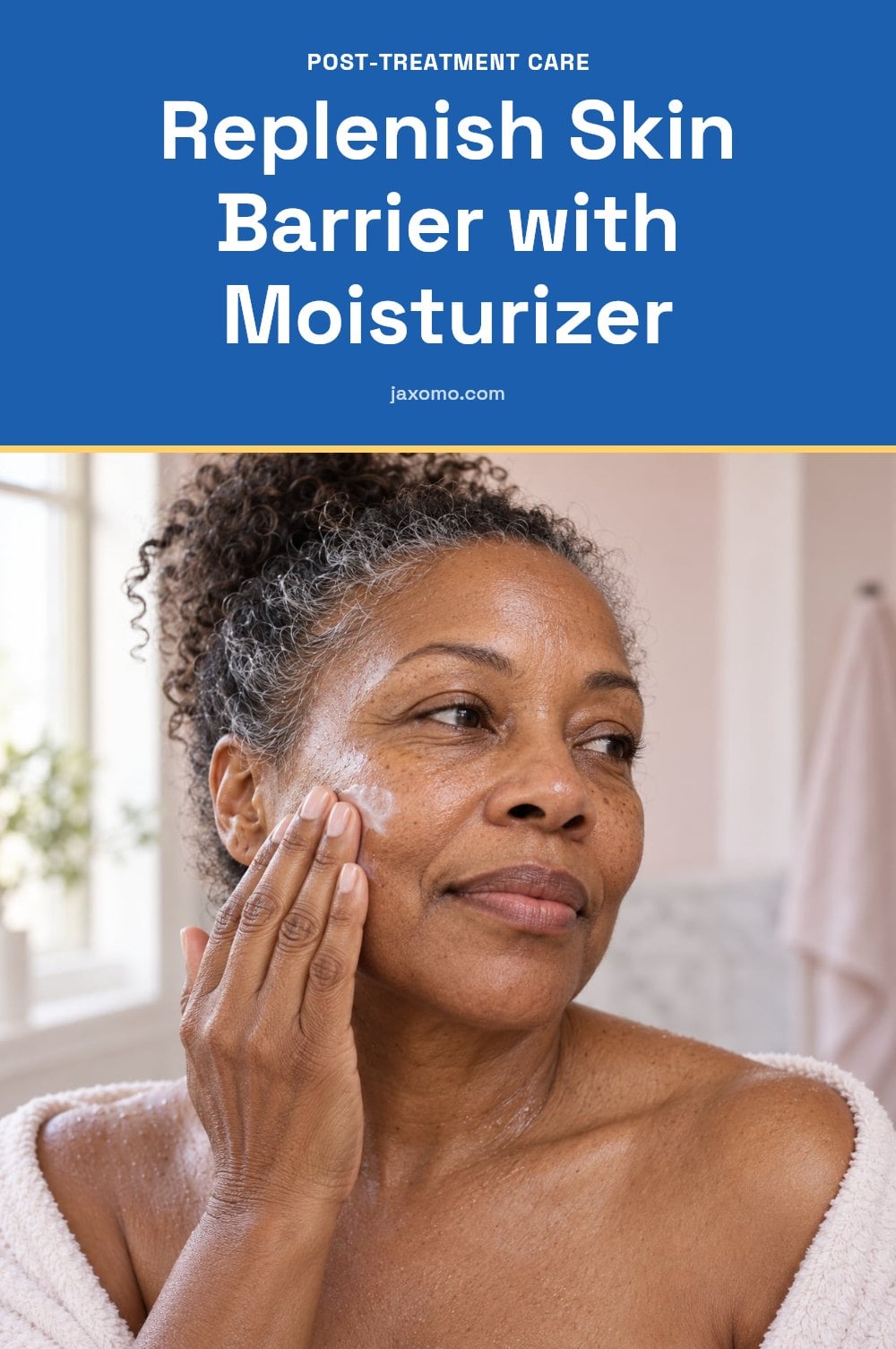
Right after exfoliating, your skin is primed to absorb everything you put on it. This is the perfect time to moisturize. A hydrating moisturizer applied immediately helps replenish moisture and supports your skin barrier. This step is crucial for keeping your skin calm and comfortable, especially after chemical exfoliants. My tip: keep your moisturizer next to your exfoliant so you never skip this step.
6. Sunscreen is Non-Negotiable
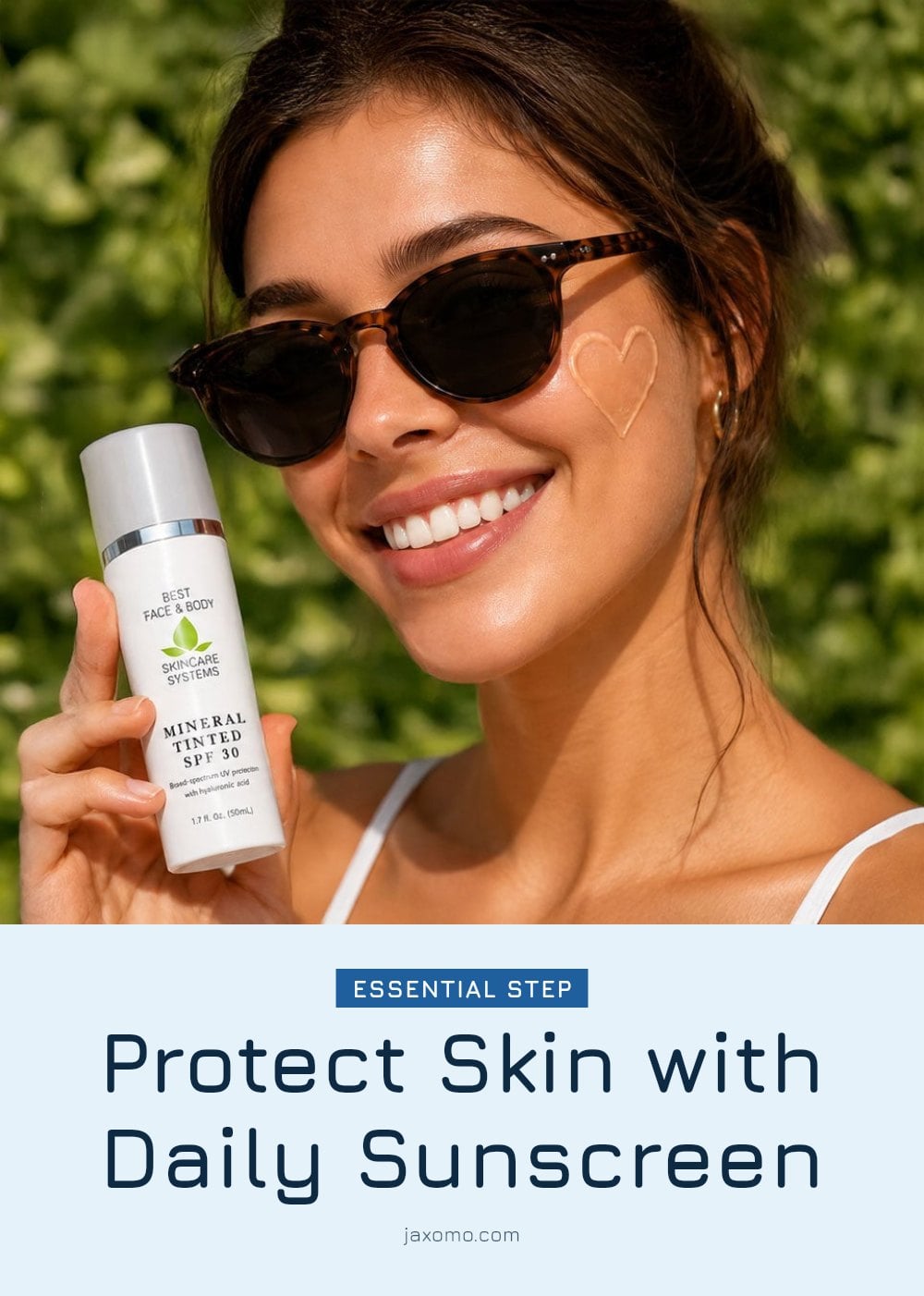
Sunscreen is non-negotiable. Exfoliation, especially with chemical exfoliants, can make your skin more sensitive to UV radiation. Always use a broad-spectrum SPF 30+ daily, even on cloudy days, to protect your newly exposed skin from sun damage. Apply it every morning as the last step of your routine, and reapply if you spend time outdoors.
7. Avoid Harsh Physical Scrubs
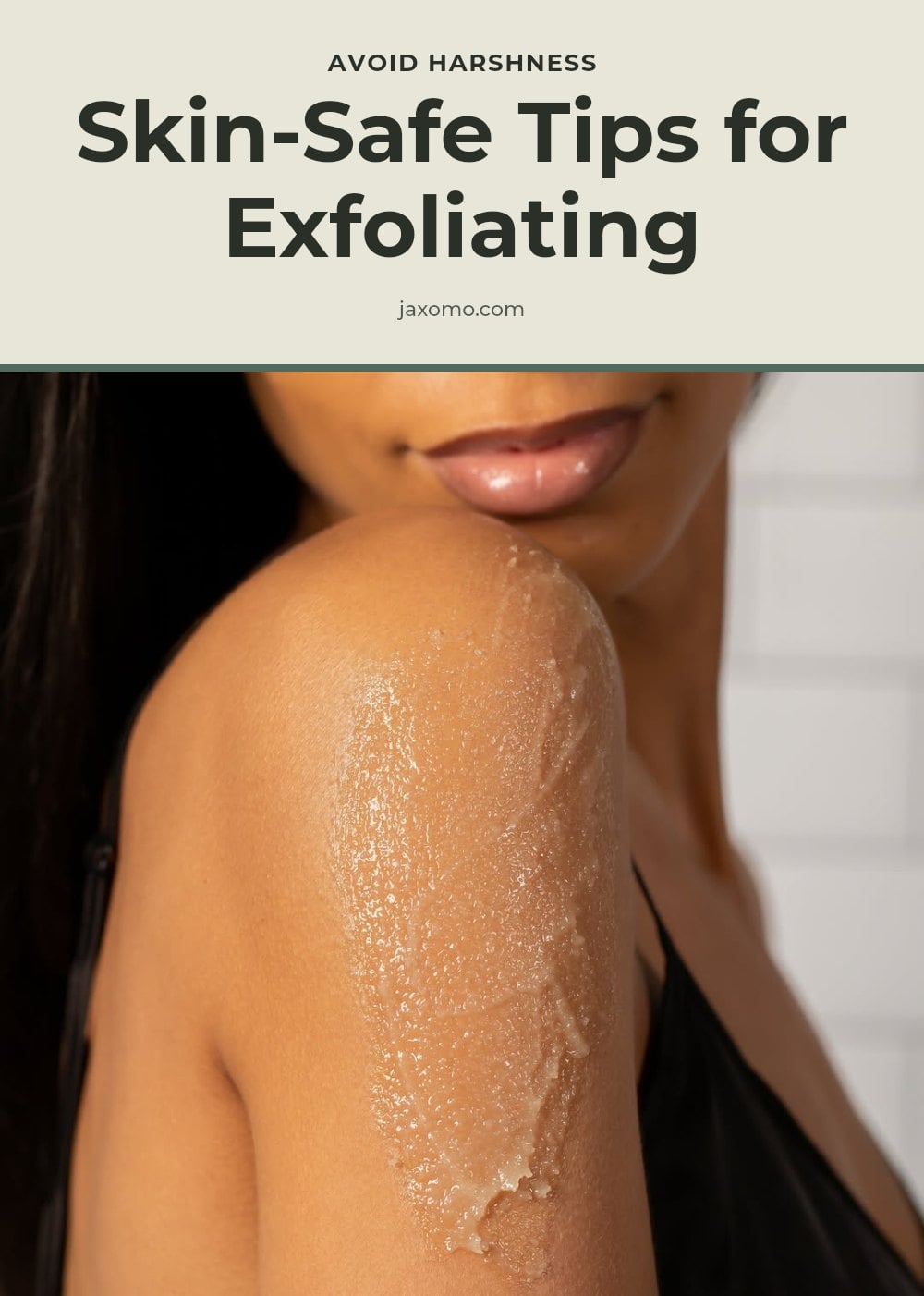
Not all physical scrubs are created equal. Steer clear of anything with large, irregular particles like crushed nut shells or coarse salt. These can create tiny micro-tears in your skin, leading to irritation and even infection. If you prefer physical exfoliation, choose scrubs with fine, uniform particles like jojoba beads or gentle enzyme powders. Your skin will thank you.
8. Don’t Exfoliate Damaged Skin
Never exfoliate if you have active sunburn, open wounds, or severe, inflamed acne. It may seem obvious, but compromised skin needs to heal, not be scrubbed or treated with acids. Exfoliating damaged areas can worsen irritation and introduce bacteria, which delays healing.
Wait until your skin is completely recovered before bringing exfoliation back into your routine. If you are unsure whether your skin is ready, give it a few extra days. Patience now prevents bigger problems later.
9. Be Gentle Around the Eyes
The skin around your eyes is delicate and much thinner than the rest of your face, so skip exfoliating there entirely. Physical scrubs and strong chemical exfoliants can easily irritate this area. Most exfoliants are not formulated for the eye area, so they can cause stinging or redness.
If you want to address texture near your eyes, look for products specifically designed for that sensitive skin. Otherwise, keep your exfoliants below your brow bone and let the area stay untouched.
10. Consider Enzyme Exfoliants for Sensitivity
If you have sensitive skin but still want the benefits of exfoliation, enzyme exfoliants may be your best option. Derived from fruits like papaya (papain) and pineapple (bromelain), these are generally milder than AHAs and BHAs. They gently digest dead skin cells without the same level of irritation, making them a good choice for a radiant, calm complexion.
Look for enzyme masks or powders that you can mix with water. They are less likely to cause redness, but you should still patch test first and start with once a week.
11. Enhance Product Absorption
Consistent, gentle exfoliation has a hidden perk: it makes the rest of your skincare routine more effective. By removing the layer of dead skin cells, you create a clear pathway for your serums, treatments, and moisturizers to penetrate deeper. That means your active ingredients can actually reach the living skin where they do the most good.
You get more value from your products because they are not just sitting on the surface. Just remember to keep exfoliation gentle and follow with moisturizer and sunscreen, so your skin stays healthy enough to absorb what you apply.
When to Consult a Dermatologist
Exfoliation can be a great DIY skincare step, but there are times when it’s best to call in a professional. Stop immediately and consult a dermatologist if you experience excessive redness, burning, stinging, or peeling that doesn’t subside. These are signs your skin barrier may be compromised, and a professional can help you repair it safely.
If you have underlying skin conditions like rosacea, eczema, or severe, cystic acne, always talk to your dermatologist before starting any new exfoliation routine. They can recommend professional treatments or prescription-strength exfoliants that are safe and effective for your specific needs. Don’t guess when your skin’s health is on the line.
Frequently Asked Questions
How often should I exfoliate my face?
Most skin types do well with exfoliating 1 to 3 times per week. Start with once a week, and if your skin tolerates it well after two weeks, you can increase the frequency. Oily skin may handle more frequent exfoliation, while dry or sensitive skin should stick to once a week.
Can I exfoliate every day?
Daily exfoliation is generally too harsh for most people. It can strip your skin’s natural barrier, leading to irritation, redness, and increased sensitivity. Even with very gentle products, it’s safer to limit exfoliation to a few times per week and let your skin rest in between.
What’s the difference between AHA and BHA?
AHAs (like glycolic and lactic acid) are water-soluble and work on the skin’s surface, making them great for dry or sun-damaged skin. BHAs (like salicylic acid) are oil-soluble and can penetrate deeper into pores, so they are better suited for oily or acne-prone skin.
Can I use physical and chemical exfoliants together?
It’s not recommended to use both types in the same routine, as this can easily lead to over-exfoliation and irritation. If you want to incorporate both, use them on different days. For example, you could use a chemical exfoliant twice a week and a gentle physical scrub once a week on a separate day.
Does exfoliation help with wrinkles?
Exfoliation can help improve the appearance of fine lines by removing dead skin cells that make wrinkles look more pronounced. It also boosts cell turnover, which can help your skin look smoother and more youthful over time. However, it won’t eliminate deeper wrinkles, and consistent sunscreen use is essential for anti-aging benefits.
What should I do if my skin gets irritated after exfoliating?
Stop exfoliating immediately and give your skin a break. Focus on gentle cleansing and a rich, soothing moisturizer to help repair your skin barrier. Avoid any other active ingredients like retinol or acids until the irritation subsides. If the redness, burning, or peeling doesn’t improve, consult a dermatologist.
Final Thoughts
My tip for getting started: pick one gentle exfoliant and use it once a week for two weeks. If your skin feels comfortable and looks brighter, you can gradually increase to twice a week. Realistically, you’ll start seeing smoother texture and more glow within a few weeks of consistent use. Just remember that patience and a gentle hand are your best tools for lasting results.
This article is for general informational purposes only and does not constitute medical or professional advice. Individual skin types and conditions vary, so always perform a patch test before trying new products. If you have a persistent skin concern or a condition like rosacea or eczema, consult a dermatologist for personalized guidance.