Is Slugging Good for Your Skin?
Discover if slugging is good for your skin, how to do it safely, and who should avoid this viral skincare trend for ultimate hydration.

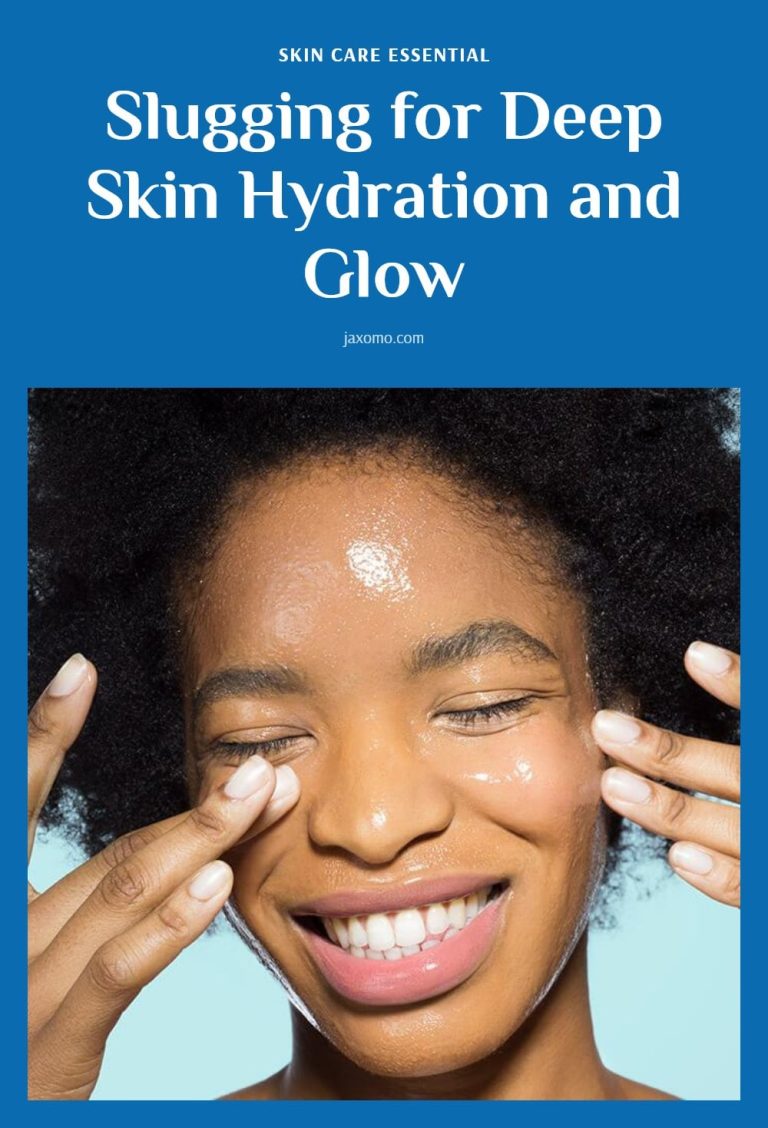
You’ve probably seen the shiny, slug-like faces all over social media and wondered if it’s actually good for your skin. Slugging is a viral skincare technique that involves applying a thick occlusive, like petroleum jelly, as the last step in your nighttime routine to lock in moisture. In this article, I’ll break down what slugging is, how it works, who it’s best for, and the common mistakes to avoid so you can decide if it’s right for you.
Key Takeaways
- Slugging involves applying an occlusive product like petroleum jelly as the final nighttime step to prevent water loss.
- It is best for very dry skin or compromised barriers, not for oily or acne-prone skin.
- Apply a thin, pea-sized layer to clean, damp skin after serums and moisturizers.
- Slug 2-3 times a week and avoid covering active breakouts or strong actives like retinoids.
- Results for improved hydration typically appear after a few weeks of consistent use.
What is Slugging and How Does it Help Your Skin?
Slugging means applying a thick layer of an occlusive moisturizer, usually petroleum jelly, as the final step in your nighttime routine. The main goal is to prevent transepidermal water loss (TEWL) by locking in the moisture from your earlier products and supporting your skin barrier. This technique works best for very dry or compromised skin, but it is not a fit for everyone. If you are prone to acne or have oily skin, slugging can trap sebum and lead to breakouts.
How Slugging Works to Hydrate and Protect Your Skin Barrier
Occlusive products like petroleum jelly form a physical barrier on your skin’s surface. That barrier stops water from evaporating through a process called transepidermal water loss (TEWL). By sealing in moisture, slugging keeps your skin hydrated and supports its natural barrier function.
How it helps over time
Consistent slugging can soothe irritated skin and improve texture through enhanced hydration. When your barrier stays intact, it better protects against environmental stressors and retains the benefits of your other skincare products.
- Physical barrier: Prevents water loss by covering the skin.
- Hydration lock: Keeps moisture from serums and moisturizers inside.
- Barrier support: Helps repair a compromised skin barrier.
- Texture improvement: Softer, smoother skin with regular use.
Essential Products for Effective Slugging
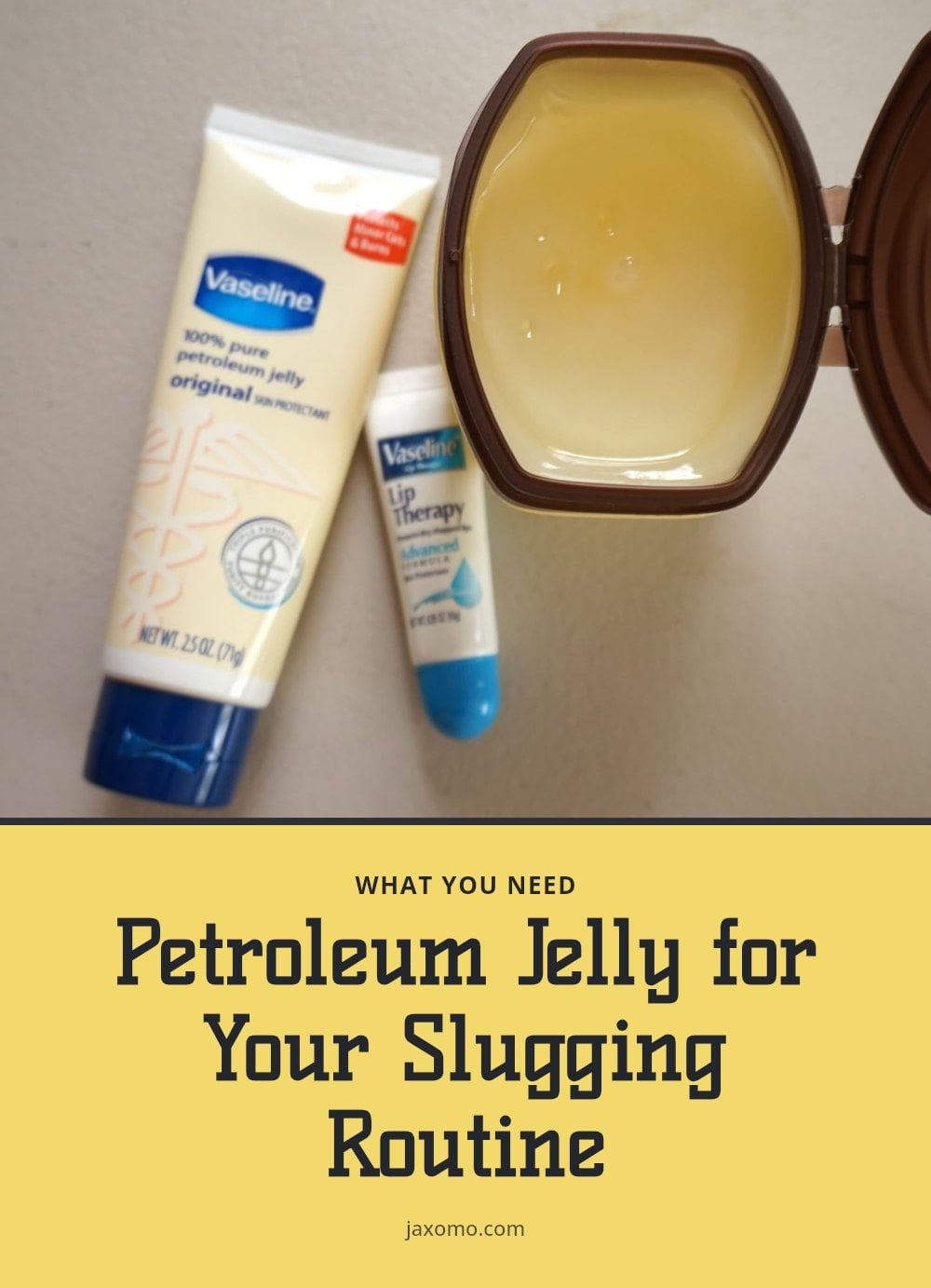
You only need a few items to start slugging effectively.
- Petroleum jelly: The most common occlusive because it is highly effective at preventing water loss.
- Thick balm: Alternatives with petrolatum or mineral oil work just as well.
- Gentle cleanser: Prepares your skin by removing dirt and oil without stripping it.
- Hydrating serum or moisturizer: Apply this before the occlusive to give the barrier something to seal in.
Step-by-Step Guide to Slugging for Hydrated Skin

- Cleanse your face: Use a gentle cleanser to remove makeup, dirt, and excess oil. Dirty skin can trap impurities under the occlusive and cause breakouts.
- Apply hydrating products: While your skin is still slightly damp, layer on your regular hydrating serums and moisturizers. Damp skin absorbs these products better.
- Take a pea-sized amount: Scoop a small, pea-sized dollop of petroleum jelly or your chosen occlusive balm. You do not need a thick coat.
- Spread a thin layer: Gently pat and smooth the occlusive over your entire face or focus on especially dry areas like your cheeks and jawline. A thin layer is enough to lock in moisture without feeling heavy.
- Leave on overnight: Keep the occlusive on while you sleep. In the morning, rinse it off with lukewarm water and your regular cleanser.
My tip: If you have combination skin, only apply the occlusive to the dry zones and skip your T-zone to avoid clogged pores.
Common Slugging Mistakes and How to Avoid Them
Applying slugging products over dirty skin traps impurities and can lead to breakouts. Always start with a gentle cleanser to remove makeup, dirt, and oil.
Using too much product feels heavy and messy. A thin, pea-sized layer is sufficient for your entire face.
Slugging every night when your skin doesn’t need it can cause over-occlusion, which may clog pores. Stick to 2-3 times a week if you have dry skin.
Applying occlusives over strong exfoliants or retinoids can enhance penetration too much and cause irritation. Apply your hydrating serums and moisturizers first, then the occlusive.
Expecting slugging to be a cure-all rather than a hydration booster leads to disappointment. It helps lock in moisture but won’t fix all skin concerns.
Expert Tips for Maximizing Your Slugging Results
Slugging 2-3 times a week is usually enough, especially if you have very dry skin or live in a dry climate. Focus the occlusive on areas that are particularly dry or irritated, like your cheeks or around your nose.
If you have sensitive skin, patch test a new occlusive product on a small area before using it on your whole face. Always apply the occlusive to clean, slightly damp skin after your other skincare products.
Avoid slugging over active acne breakouts or if you have oily or combination skin, as it can trap sebum and lead to clogged pores.
How Long Until You See Results and What to Expect
You can typically see improved skin hydration and barrier function after a few weeks of consistent slugging, usually 2-3 times per week. Don’t expect immediate dramatic results; consistency is key.
The cost is generally low since petroleum jelly is an inexpensive product. A single jar lasts for months, making it an affordable addition to your routine.
When to Consult a Dermatologist About Slugging
If you experience increased breakouts, redness, or irritation after slugging, stop using it and consult a dermatologist. If you have fungal acne (Malassezia folliculitis), avoid slugging because some occlusives might make it worse.
If you have persistent skin concerns or are unsure whether slugging is right for your skin type, seek professional advice before starting.
Frequently Asked Questions
How often should I slug?
Most people with dry skin benefit from slugging 2-3 times a week. Doing it every night is usually unnecessary and can lead to over-occlusion, especially if you have combination or oily skin. Listen to your skin and adjust frequency as needed.
Can I slug with other occlusive products besides petroleum jelly?
Yes, you can use thick balms containing petrolatum or mineral oil as alternatives. These work similarly to petroleum jelly by creating a barrier to prevent water loss. Just make sure the product is non-comedogenic if you are prone to clogged pores.
Will slugging make me break out?
It can if you have oily or acne-prone skin, because the occlusive layer may trap sebum and bacteria. If you are prone to breakouts, avoid slugging over active acne and consider patch testing first. Discontinue use if you notice increased pimples or irritation.
What happens if I slug over active ingredients?
Applying occlusives over strong actives like retinoids or AHAs/BHAs can enhance their penetration too much, potentially causing irritation or redness. To stay safe, apply your active ingredients first, let them absorb, and then skip slugging on those nights or use a very thin layer.
How long does it take to see results from slugging?
You can typically notice improved hydration and a stronger skin barrier after a few weeks of consistent slugging, usually 2-3 times per week. Results are gradual, so patience and routine are key rather than expecting overnight changes.
Final Thoughts
If you have dry or irritated skin, slugging a few nights a week can be a game-changer for locking in moisture and supporting your skin barrier. Just remember to keep it simple: start with clean, damp skin, use a pea-sized amount of occlusive, and skip nights when you’re using strong actives or have active breakouts. Consistency over a few weeks will show you if this trend is worth keeping in your routine.
This article is for informational purposes only and does not constitute medical or professional skincare advice. Results may vary based on individual skin type and conditions. If you have persistent skin issues, severe dryness, or a skin condition like fungal acne, consult a dermatologist before starting any new routine.