Losing Weight Without Dieting: Sustainable Lifestyle Changes
Learn how to start losing weight without dieting by making sustainable lifestyle changes. Achieve lasting results and improve your overall health.

If you’re tired of restrictive diets that leave you hungry and frustrated, you’re not alone. The good news is that you can lose weight without ever going on a diet. This article covers 11 practical, sustainable tips that focus on small changes to your eating, activity, sleep, and stress habits to help you reach a healthy weight and keep it off for good.
Key Takeaways
- Create a calorie deficit by focusing on whole foods and increasing daily movement, not by starving yourself.
- Eat 20-30 grams of protein per meal and plenty of fiber-rich foods to stay full and preserve muscle.
- Get 7-9 hours of sleep each night and manage stress to keep hunger hormones in check.
- Incorporate strength training 2-3 times per week to boost your metabolism at rest.
- Make small, consistent changes you can stick with long-term, expecting about 1-2 pounds lost per week.
Losing Weight Without Dieting: The Core Principle
Weight loss comes down to one thing: a calorie deficit, meaning you take in fewer calories than your body burns. I’ve found that rigid meal plans and detox teas never stick. What actually works is making small, sustainable shifts: eating more whole foods, moving a little more, and paying attention to hunger signals. You don’t need a diet label to lose weight. You just need a gentle, consistent deficit that fits your real life.
1. Prioritize Whole, Unprocessed Foods

Fill your plate with fruits, vegetables, lean proteins, and whole grains. These foods are naturally lower in calories and packed with fiber and nutrients that keep you full longer.
- My tip: Build each meal around a vegetable or fruit first, then add a protein and a whole grain.
- Skip the processed snacks. They’re easy to overeat because they lack the bulk that signals fullness.
2. Increase Your Protein Intake
Include lean protein sources like chicken, fish, beans, and lentils in every meal. Protein increases satiety and helps preserve muscle mass, which keeps your metabolism working efficiently.
- Good to know: Aim for about 20-30 grams of protein per meal.
- Add a handful of chickpeas to your salad or a serving of Greek yogurt as a snack.
3. Boost Your Fiber Consumption
Load up on fiber-rich foods such as vegetables, fruits, legumes, and whole grains. Fiber adds bulk to meals without adding many calories, so you feel full on fewer calories.
- Tip: Swap white rice for quinoa or brown rice, and snack on an apple or a handful of almonds instead of chips.
- Fiber also supports digestion, which helps your body process food more efficiently.
4. Stay Hydrated with Water

Drink plenty of water throughout the day, especially before meals. Water can help you feel full, potentially reducing overall calorie intake. It also supports your metabolism, making it easier for your body to burn calories efficiently.
My tip: Keep a reusable water bottle on your desk or in your bag. Sip regularly rather than chugging large amounts at once. Aim for a glass of water 20-30 minutes before each meal to naturally curb your appetite.
5. Practice Mindful Eating
Eat slowly, savor each bite, and pay attention to your body’s hunger and fullness cues. When you eat quickly, your brain doesn’t have time to register that you’re full, leading to overeating. Mindful eating helps you recognize when you’re satisfied, so you stop earlier.
Try putting your fork down between bites or chewing each mouthful thoroughly. Focus on the taste and texture of your food rather than scrolling through your phone. Over time, this habit can help you naturally eat less without feeling deprived.
6. Reduce Sugary Drinks and Processed Foods
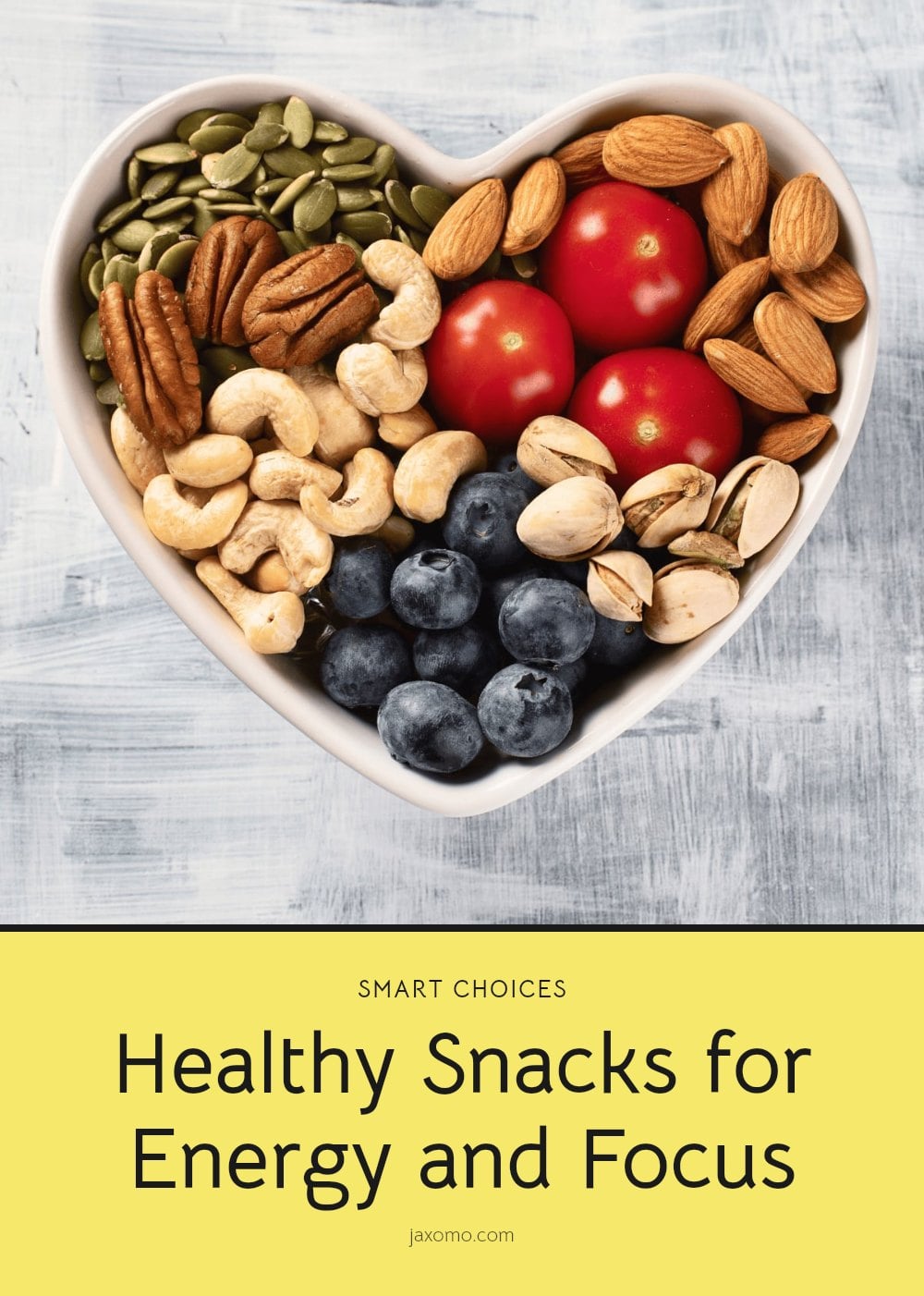
Cut back on sodas, fruit juices with added sugar, and highly processed snacks. These items are calorie-dense but low in nutrients and fiber, so they provide little satiety. A single can of soda contains around 150 calories, mostly from sugar, which can quickly add up without making you feel full.
Swap sugary drinks for water, sparkling water, or unsweetened tea. Replace processed snacks like chips and cookies with whole food options like a piece of fruit or a handful of nuts. This simple change can significantly lower your daily calorie intake without requiring major effort.
7. Increase Daily Physical Activity

Incorporate more movement into your day, even small changes like taking the stairs or walking during your lunch break. Regular physical activity burns calories and improves your overall health, supporting your weight loss journey. You don’t need a gym membership to make a difference.
Start with a 10-minute walk after dinner or park farther from the store entrance. Gradually increase your activity as it becomes a habit. The key is consistency, not intensity. Small, sustainable increases in daily movement add up over time.
8. Incorporate Strength Training
Add strength training exercises to your routine two to three times a week. Unlike cardio which burns calories mostly during the activity, building muscle mass boosts your metabolism, helping your body burn more calories even at rest. You don’t need a gym membership. Bodyweight exercises like squats, lunges, and push-ups work well. Tip: Start with two sessions per week and focus on proper form over heavy weights.
9. Prioritize Quality Sleep
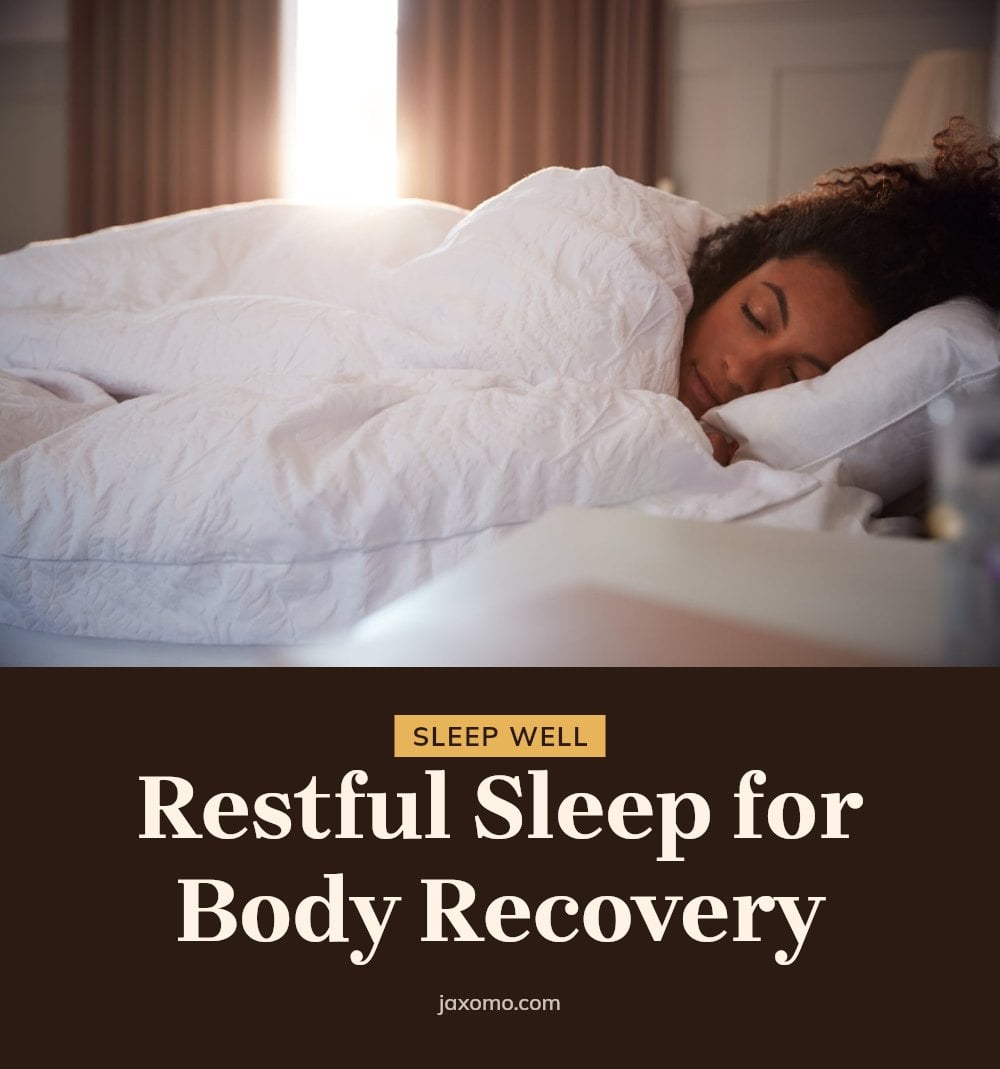
Aim for 7-9 hours of quality sleep each night. When you’re sleep-deprived, your body produces more ghrelin (the hunger hormone) and less leptin (the fullness hormone), making you crave high-calorie foods. Adequate sleep helps regulate these hormones that control appetite and fat storage, making weight management easier. Good to know: A consistent bedtime routine signals your body to wind down.
10. Manage Your Stress Levels
Practice stress-reducing techniques like meditation, yoga, or spending time in nature. Chronic stress can increase cortisol, which may promote fat storage, especially around the abdomen. Even five minutes of deep breathing when you feel overwhelmed can lower your stress response. Pro move: Schedule a short walk outside during your lunch break to reset your nervous system.
11. Focus on Small, Consistent Changes
Instead of drastic overhauls, make small, manageable changes you can stick with long-term. Swap one soda for water each day, add a 10-minute walk after dinner, or serve vegetables on half your plate. Tip: consistency is key. Sustainable habits lead to lasting weight loss and overall better health, while extreme diets often cause burnout and rebound weight gain.
When to Consult a Professional
If you have underlying health conditions, consult a healthcare professional or registered dietitian before making significant dietary or exercise changes. Seek professional help immediately if you experience symptoms of an eating disorder, such as obsessive thoughts about food or extreme restriction. If you’re not seeing results despite consistent effort, a professional can help identify potential barriers like hormonal imbalances or medication side effects.
Frequently Asked Questions
How long does it take to see results?
Most people begin to notice changes in their weight and how their clothes fit within a few weeks of consistent effort. Sustainable weight loss typically happens at a rate of 1-2 pounds per week, so visible results may take several weeks to a few months depending on your starting point and habits.
Can I lose weight without exercising?
Yes, you can lose weight through diet changes alone by creating a calorie deficit, but adding physical activity makes it easier and supports overall health. Exercise helps burn extra calories, preserves muscle, and boosts your metabolism, which can speed up your results and make them more sustainable.
What if I’m always hungry?
If you feel constantly hungry, focus on eating more protein and fiber at each meal, as these nutrients increase satiety. Also check your sleep and stress levels, as lack of sleep and chronic stress can increase hunger hormones. Drinking a glass of water before meals and eating slowly can also help you feel fuller.
Is it okay to have occasional treats?
Yes, allowing yourself occasional treats can prevent feelings of deprivation and help you stick with your healthy habits long-term. The key is moderation, enjoy a small portion mindfully and then return to your regular balanced eating pattern. Restricting all treats often leads to cravings and overeating later.
How can I lose weight without counting calories?
You can lose weight without counting calories by focusing on whole, unprocessed foods, practicing mindful eating, and increasing your physical activity. Pay attention to portion sizes, eat slowly, and stop when you’re satisfied. These habits naturally help you consume fewer calories without the need for meticulous tracking.
Final Thoughts
Start with just one or two changes from this list, like swapping one soda for water or adding a 10-minute walk after dinner. Sustainable weight loss takes time, with most people seeing results over several weeks to months of consistent effort. Focus on what feels good and works for your body, not on quick fixes or comparisons to others.
This article provides general information for healthy weight management and is not a substitute for professional medical or dietary advice. Consult a healthcare provider or registered dietitian before making significant changes to your diet or exercise routine, especially if you have underlying health conditions. If you experience symptoms of an eating disorder, seek professional help immediately.