Hyperpigmentation: Proven Remedies for Dark Spots
Discover effective hyperpigmentation remedies to fade dark spots and achieve a more even skin tone. Learn about ingredients, sun protection.

Dealing with dark spots or uneven skin tone can feel frustrating, especially when you’re not sure which products or habits actually make a difference. The good news is that hyperpigmentation is treatable, and you don’t need a complicated routine to see results. In this article, I’ll walk you through the most effective strategies, from sun protection to key skincare ingredients, so you can fade existing spots and prevent new ones from forming.
Key Takeaways
- Apply broad-spectrum SPF 30+ sunscreen every morning, even on cloudy days, to prevent new dark spots.
- Use vitamin C serum in the morning to brighten skin and inhibit melanin production.
- Introduce retinoids gradually, starting with a low concentration once or twice a week.
- Incorporate niacinamide or azelaic acid to reduce melanin transfer and calm inflammation.
- See a dermatologist if a dark spot changes in size, shape, or color, or becomes painful.
What Are the Best Ways to Treat Hyperpigmentation?
The most effective way to treat hyperpigmentation is to combine consistent sun protection with topical treatments that target melanin production and promote skin cell turnover. Key ingredients like hydroquinone, retinoids, vitamin C, niacinamide, and AHAs can significantly reduce dark spots when used correctly. Patience and consistency are crucial, as visible results typically take weeks to months. Stick with a simple routine and protect your skin daily to see the best outcome.
1. Prioritize Daily Sun Protection
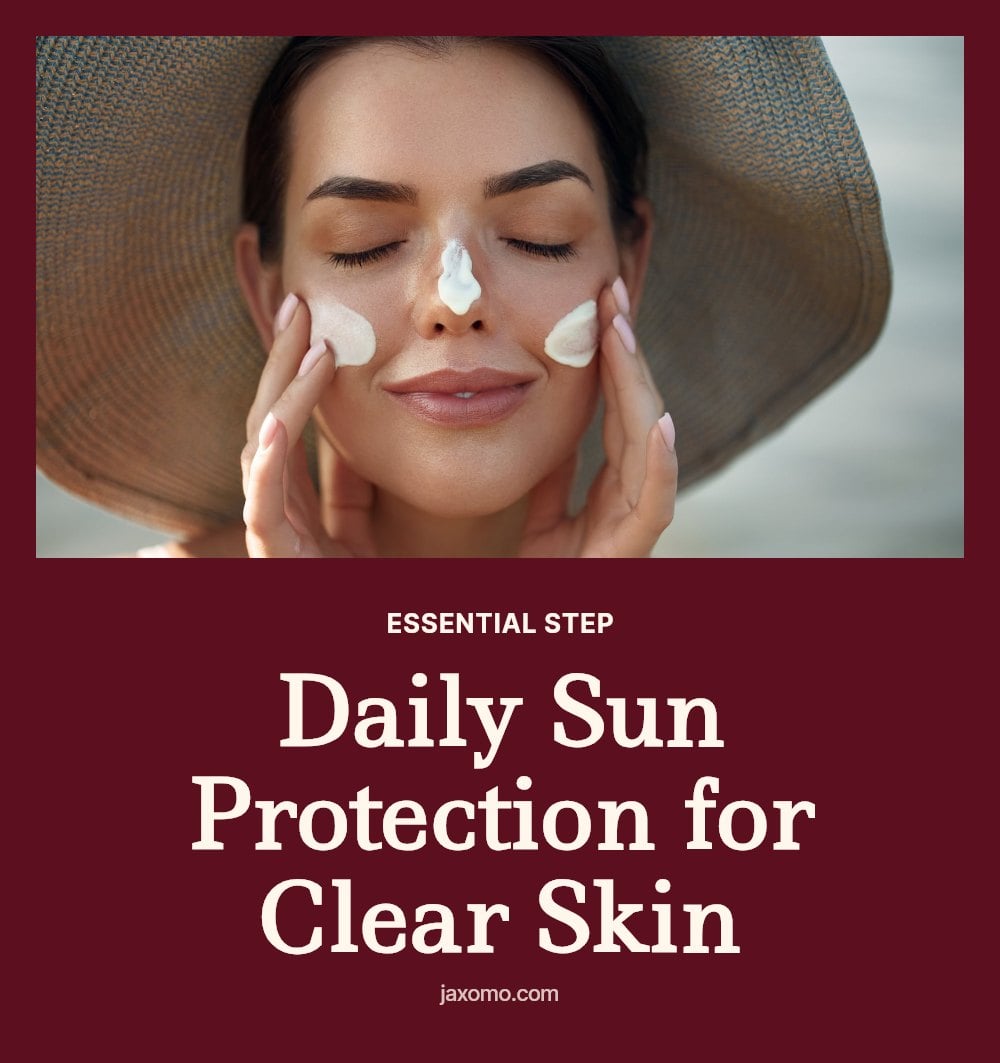
Daily use of broad-spectrum sunscreen with SPF 30 or higher is non-negotiable for preventing and treating hyperpigmentation. Sun exposure triggers melanin production, so skipping sunscreen can undo the effects of other treatments.
- Apply a generous amount as the last step of your morning routine.
- Reapply every two hours when outdoors, and after sweating or swimming.
My tip: Make sunscreen the very last step in your morning skincare routine, every single day, rain or shine.
2. Incorporate Vitamin C Serum
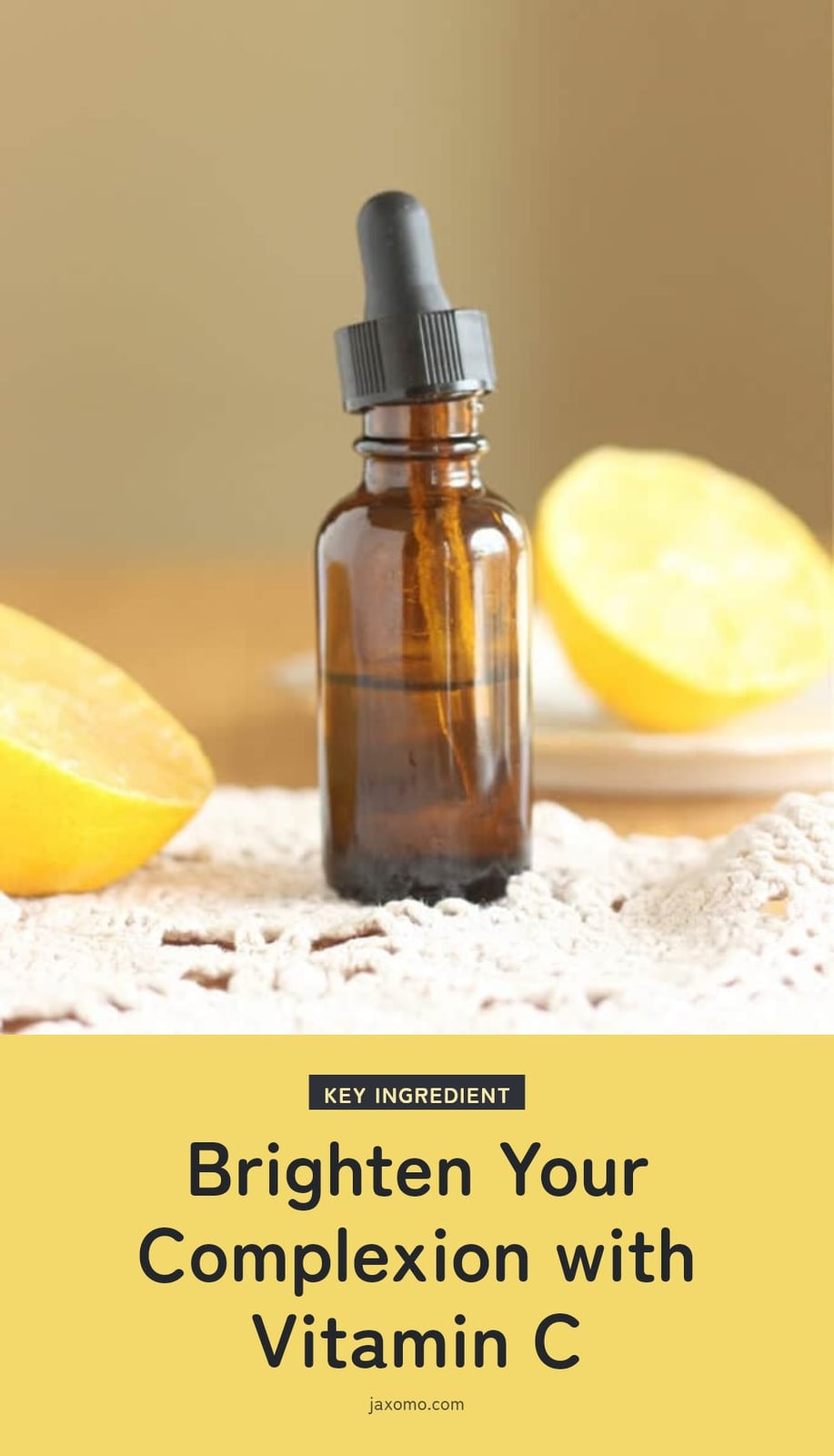
Vitamin C is a powerful antioxidant that helps brighten skin and inhibit melanin production, making it excellent for fading dark spots and evening skin tone. Look for L-ascorbic acid in concentrations between 10-20% for optimal results.
My tip: Apply vitamin C serum in the morning after cleansing and before sunscreen to maximize its protective benefits. The antioxidant boost can also enhance sun protection when used under SPF 30+ sunscreen.
3. Use Niacinamide (Vitamin B3)
Niacinamide, or Vitamin B3, helps reduce the transfer of melanin to skin cells, effectively minimizing the appearance of existing dark spots and preventing new ones. It also has anti-inflammatory properties and improves skin barrier function, making it suitable for sensitive skin.
Tip: Niacinamide pairs well with almost any other active ingredient and can be used morning or night. It’s a gentle yet effective addition to most routines.
4. Introduce Retinoids Gradually
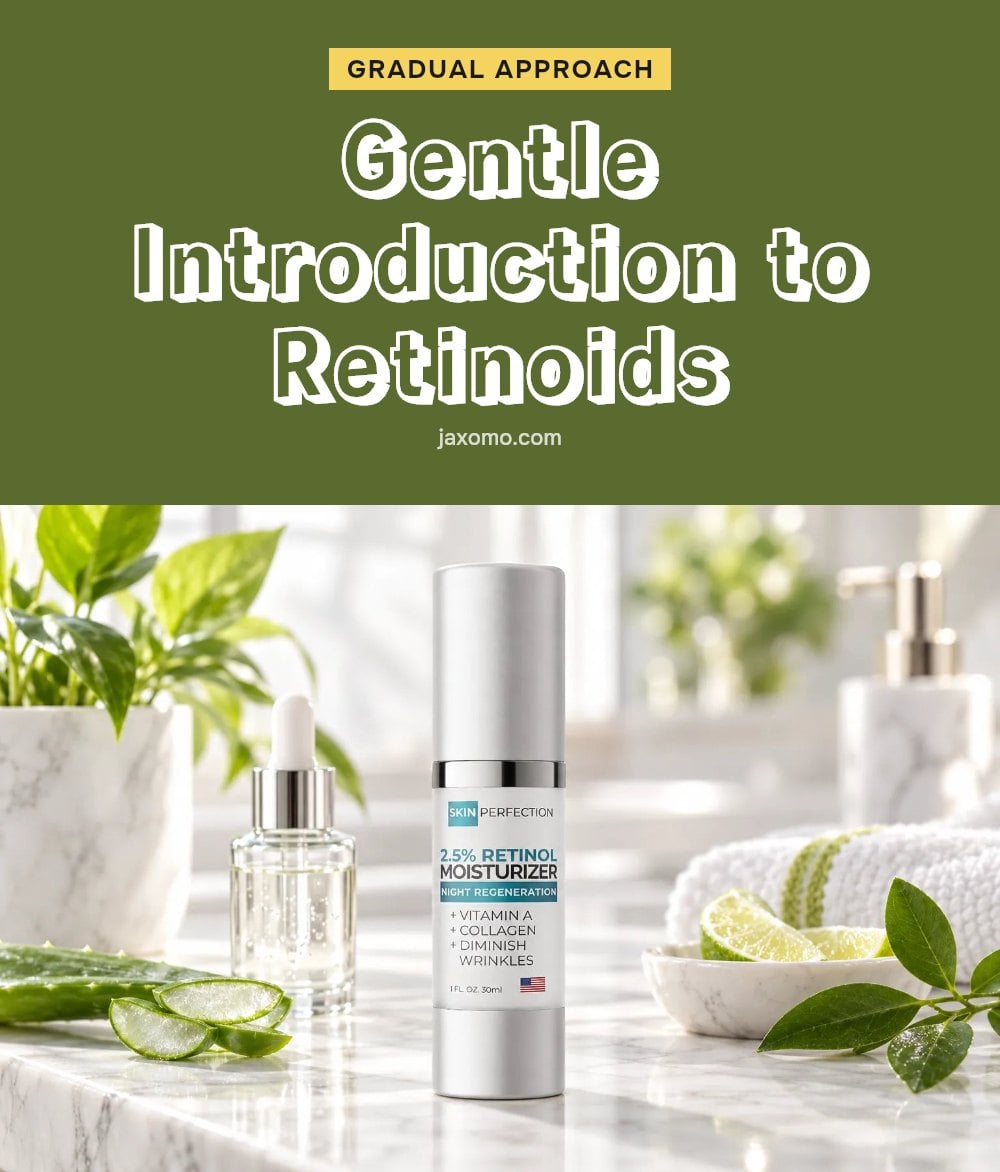
Start with a low concentration: Retinoids like retinol or prescription tretinoin speed up skin cell turnover, which helps shed pigmented cells and reveal fresher, more even-toned skin underneath. If you’re new to retinoids, begin with a low concentration (like 0.25% retinol) applied once or twice a week. Gradually increase frequency as your skin builds tolerance, moving to every other night and then nightly over several weeks.
Caution: Retinoids make your skin more sensitive to the sun. Consistent daily sunscreen use with SPF 30 or higher is absolutely critical to protect the new skin cells and prevent further pigmentation.
5. Consider Alpha Hydroxy Acids (AHAs)
Use AHAs for gentle exfoliation: Alpha hydroxy acids like glycolic or lactic acid work by loosening and removing dead, pigmented cells from the skin’s surface. This helps fade dark spots and improves overall texture and tone. AHAs can also help other active ingredients penetrate more effectively.
Good to know: Use an AHA product a few times a week, preferably in the evening. Because AHAs increase sun sensitivity, always follow up with broad-spectrum sunscreen the next morning.
6. Explore Azelaic Acid
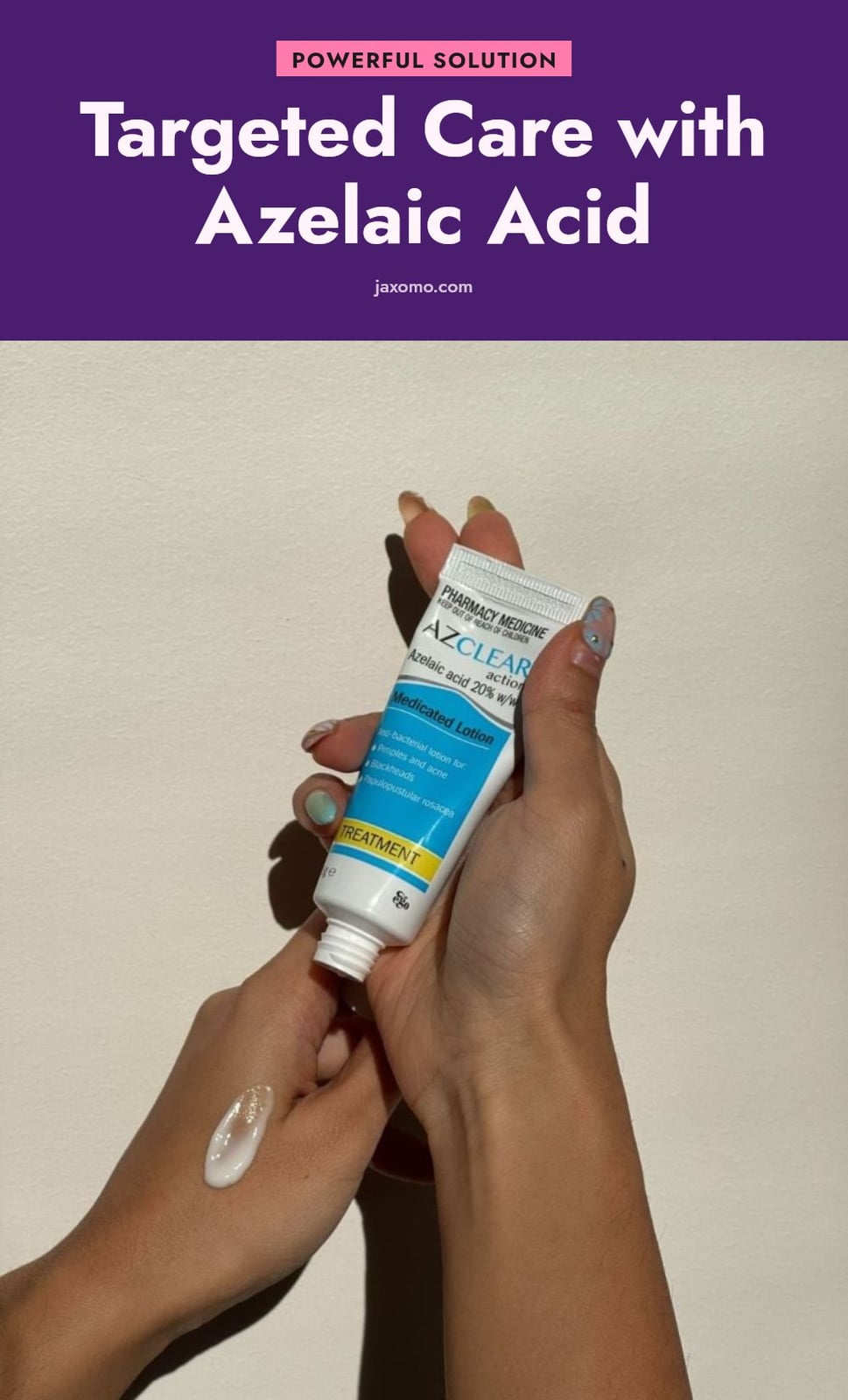
Add azelaic acid for multi-targeted help: Azelaic acid reduces hyperpigmentation by inhibiting melanin production while also calming inflammation. This makes it especially effective for post-inflammatory hyperpigmentation from acne or other skin trauma. It’s also helpful for managing acne and rosacea, so it’s a good option if you have multiple concerns.
Pro move: Azelaic acid is generally well-tolerated, even by sensitive skin. You can use it twice daily, morning and night, without the irritation that some other actives cause.
7. Ask About Hydroquinone
Consider hydroquinone for stubborn spots: Hydroquinone is one of the most potent ingredients for fading hyperpigmentation. It works by inhibiting tyrosinase, the enzyme needed for melanin production. It’s often available in prescription strengths for more persistent dark spots like melasma or deep sun damage.
Caution: Because of its strength, hydroquinone should only be used under a dermatologist’s guidance. It’s typically recommended for limited durations (a few months at a time) to avoid side effects like ochronosis, a bluish-black discoloration of the skin.
8. Wear Protective Clothing

Wear a wide-brimmed hat, sunglasses, and UV-protective clothing as an extra shield against UV radiation. This matters most during peak sun hours from 10 AM to 4 PM, and it’s especially helpful for areas prone to melasma.
Quick tip: Think of protective clothing as your first line of defense, especially when you can’t reapply sunscreen as often as you’d like.
9. Avoid Picking Blemishes
Don’t pick, squeeze, or aggressively scrub blemishes or scabs. That trauma triggers inflammation, which can lead to post-inflammatory hyperpigmentation (PIH) and make dark spots worse and longer-lasting.
Let your skin heal naturally, or use a targeted spot treatment instead.
Tip: Keep your hands off! It’s tough, I know, but it’s one of the easiest ways to prevent new dark spots.
10. Be Patient and Consistent

Fading hyperpigmentation is gradual. You can typically expect visible improvement after 4 to 12 weeks of consistent use, with full results taking several months or longer depending on severity.
Skipping days or switching products too frequently can hinder your progress.
Good to know: Stick with a routine for at least three months before evaluating its effectiveness. Real change takes time.
11. Consider Chemical Peels or Lasers
For stubborn or severe hyperpigmentation, professional treatments like chemical peels (glycolic, salicylic, or TCA) or laser therapy (IPL, fractional lasers) can offer more dramatic results. These work by removing layers of pigmented skin or targeting melanin directly.
Caution: Always consult a board-certified dermatologist to determine the best plan for your skin type and specific concerns. Improper use can worsen the issue.
When to See a Dermatologist for Hyperpigmentation
See a dermatologist right away if a dark spot changes in size, shape, or color, or if it becomes itchy, painful, or starts bleeding. These changes can sometimes signal a more serious condition, including skin cancer, so a professional evaluation is non-negotiable.
You should also book an appointment if your hyperpigmentation is severe, widespread, or has not improved after several months of consistent over-the-counter treatment. If you suspect melasma, which often appears as symmetrical patches on the face and is linked to hormonal changes, professional management is usually needed because it can be stubborn and requires prescription-strength options.
Finally, consult a dermatologist before using potent ingredients like prescription hydroquinone or undergoing in-office procedures such as chemical peels or laser therapy. A board-certified dermatologist can confirm the type of pigmentation you have and tailor a safe, effective plan for your skin.
Frequently Asked Questions
How long does it take for hyperpigmentation to fade?
You can typically expect to see visible improvement after 4 to 12 weeks of consistent use of topical treatments and daily sun protection. Full results may take several months or longer, depending on the severity and type of pigmentation. Patience and consistency are key.
Can hyperpigmentation come back after treatment?
Yes, hyperpigmentation can return if the underlying triggers, especially sun exposure, aren’t managed. Even after dark spots fade, continuing daily sunscreen use and avoiding picking at blemishes helps prevent new spots from forming. Melasma, in particular, may recur with hormonal changes or UV exposure.
Is hydroquinone safe for long-term use?
Hydroquinone should be used under professional guidance due to potential side effects and regulations on concentration and duration of use. Long-term or unsupervised use can lead to ochronosis (a bluish-darkening of the skin). It’s best to consult a dermatologist for a safe treatment plan.
What is the difference between PIH and melasma?
Post-inflammatory hyperpigmentation (PIH) occurs after skin injury or inflammation, such as acne, eczema, or cuts. Melasma is often linked to hormonal changes, like those during pregnancy or from oral contraceptives, and is worsened by sun exposure. Melasma tends to be more persistent and may require professional treatment.
Can natural remedies treat hyperpigmentation?
Some natural ingredients like licorice root extract or kojic acid may have mild brightening effects, but they are generally less potent than clinical ingredients like vitamin C or retinoids. For noticeable results, it’s best to rely on proven topical treatments and always pair them with daily sunscreen.
How do I prevent new dark spots from forming?
The most effective prevention is consistent daily use of broad-spectrum sunscreen with SPF 30 or higher, plus physical protection like wide-brimmed hats and sunglasses. Avoid picking at blemishes or scabs, and incorporate antioxidants like vitamin C into your morning routine to help protect against environmental triggers.
Final Thoughts
For most people, a consistent routine built around daily sunscreen, a vitamin C serum, and a retinoid or niacinamide will deliver noticeable improvement within 4 to 12 weeks. Don’t expect overnight results, fading dark spots is a gradual process that requires patience. Stick with your regimen, protect your skin from the sun, and you’ll start to see a more even, radiant complexion over time.
This article provides general information for educational purposes and does not constitute medical or professional advice. Individual skin conditions vary, and what works for one person may not work for another. If you have persistent or severe hyperpigmentation, or if any dark spot changes in appearance, consult a board-certified dermatologist or healthcare professional.