11 Personal Growth Habits to Start Today for a Happier You
Boost your well-being with these 12 personal growth habits. Learn how to cultivate a growth mindset, set achievable goals, and improve your life.


You’re ready to make a change, but figuring out where to start can feel overwhelming. The truth is, personal growth doesn’t require a complete life overhaul overnight. This article walks you through 11 simple, research-backed habits that can help you build a happier, more fulfilled version of yourself, one small step at a time.
From cultivating self-awareness to developing a growth mindset, these practices cover the mental, emotional, and physical dimensions of growth. I’ll share my own tips for making each habit stick, so you can start today without the pressure.

Key Takeaways
- Set SMART goals to give your growth efforts a clear direction and measurable progress.
- Practice mindfulness daily, even for just a few minutes, to boost self-awareness and emotional control.
- Step outside your comfort zone in small ways to build resilience and confidence over time.
- Seek constructive feedback from trusted people to uncover blind spots in your personal growth.
- Develop a growth mindset by viewing setbacks as learning opportunities, not failures.
What is Personal Growth?
Personal growth is a continuous journey of improving yourself across mental, emotional, spiritual, and physical well-being. It involves developing new skills, changing perspectives, and setting goals to become a more fulfilled and effective individual. This journey is unique to each person, focusing on self-awareness and intentional development. It’s not a destination, but a lifelong process of becoming your best self.
1. Cultivate Self-Awareness
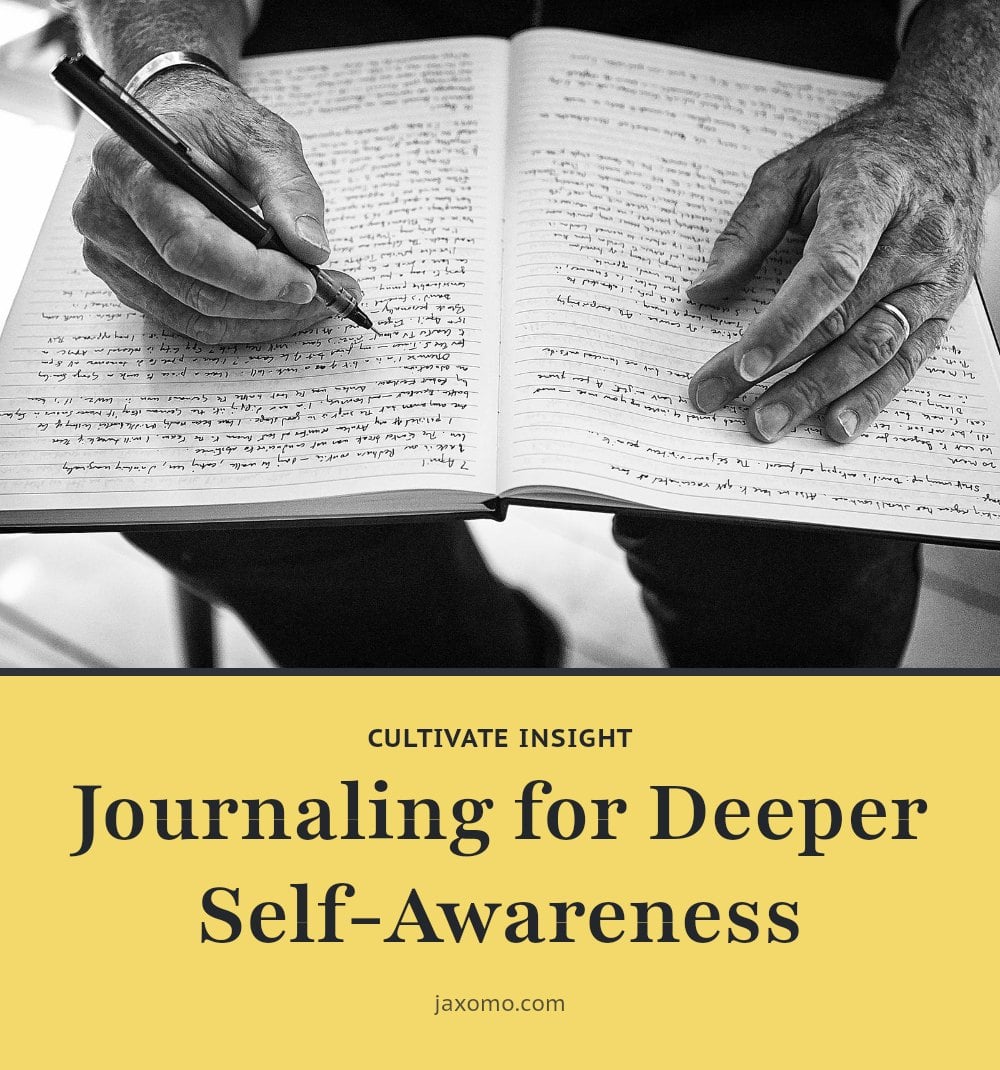
Self-awareness is the foundation of personal growth. Understanding your own thoughts, feelings, and behaviors helps you identify what to change and why. Start by checking in with yourself daily.
- Notice your reactions: When something triggers you, pause and ask what underlying belief is at play.
- Track patterns: Look for recurring emotions or situations in your life.
My tip: Journaling can be an effective tool for self-reflection and processing emotions. Write for five minutes each evening about what you felt and why.
2. Set SMART Goals

Setting clear, achievable goals is crucial for directing your personal growth efforts and measuring progress. Goals should be Specific, Measurable, Achievable, Relevant, and Time-bound. For example, instead of “exercise more,” set “walk 30 minutes three times a week for the next month.”
- Specific: Define exactly what you want to accomplish.
- Measurable: Decide how you’ll track progress.
- Achievable: Set a goal that stretches you but is still realistic.
- Relevant: Make sure it aligns with your bigger vision.
- Time-bound: Give yourself a deadline.
My tip: Focus on one or two SMART goals at a time to avoid feeling overwhelmed.
3. Practice Mindfulness
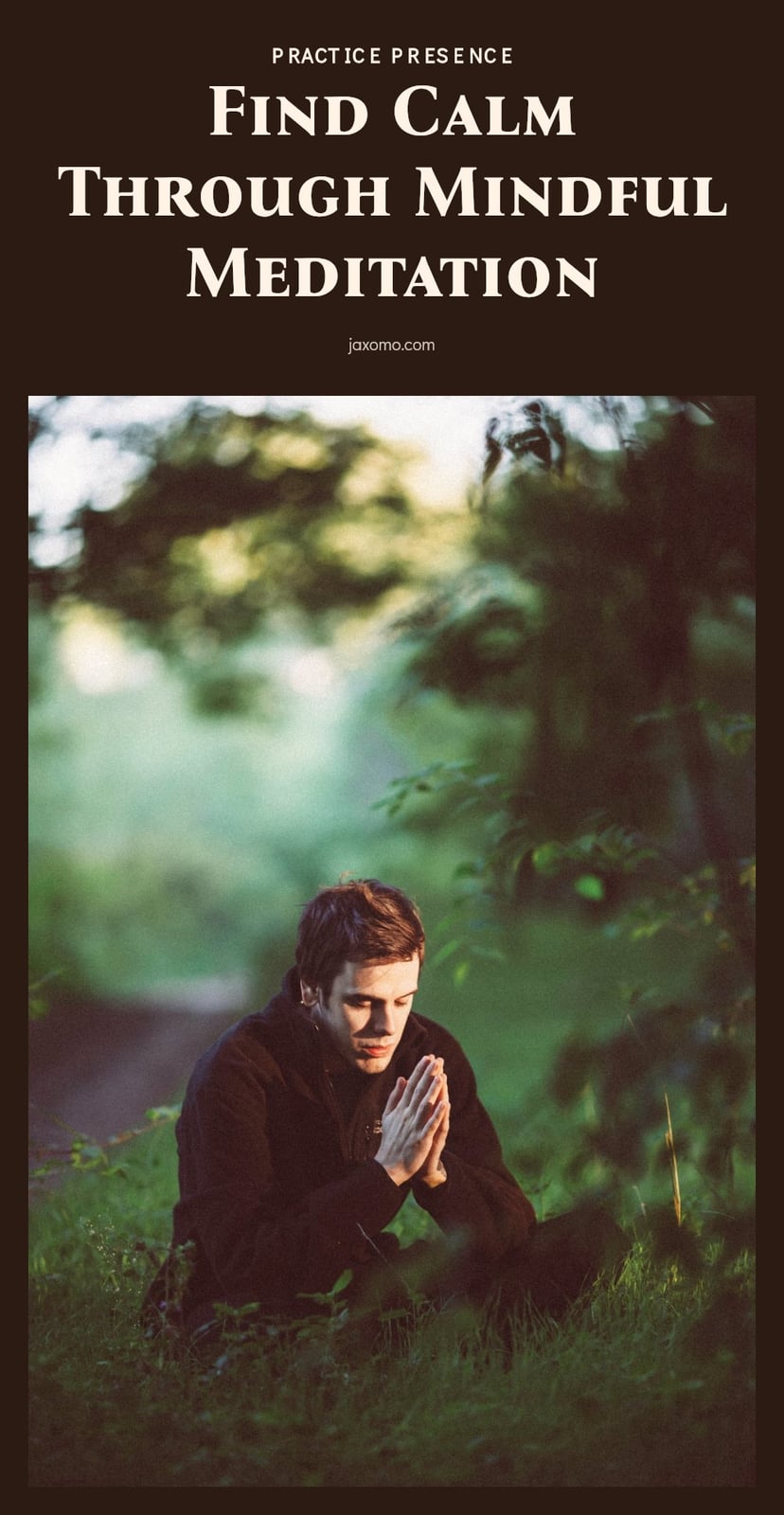
Mindfulness practices, such as meditation, can enhance self-awareness and emotional regulation. Even a few minutes a day can make a difference. Start with a short session each morning.
- Breathe deeply: Focus on your breath for three to five minutes.
- Scan your body: Notice any tension without judgment.
- Observe thoughts: Let them pass like clouds.
Tip: Try a guided meditation app to get started if you’re new to the practice. Many offer beginner sessions as short as five minutes.
4. Embrace New Learning

Learning new skills or knowledge stimulates intellectual growth and boosts confidence. This could mean reading books, taking an online course, or trying a new hobby like painting or coding. The key is to keep your brain engaged with something unfamiliar.
- Good to know: Dedicate a specific time each week for learning, even if it’s just 30 minutes. Block it on your calendar so it becomes a non-negotiable habit.
5. Prioritize Physical Well-being

Regular physical activity supports mental and emotional growth by reducing stress and improving mood. This includes adequate sleep, nutrition, and consistent exercise. Your physical health directly affects your ability to focus and stay motivated.
- Pro move: Find an activity you genuinely enjoy to make it easier to stick with. Walking, dancing, or swimming all count. What matters is that you look forward to it.
6. Practice Gratitude
Practicing gratitude shifts your perspective and increases feelings of contentment. It trains your brain to notice what’s going well instead of what’s missing. Keeping a gratitude journal or verbally expressing thanks can be powerful.
- Quick tip: Every evening, list three things you’re grateful for that day. They can be small, like a good cup of coffee or a kind word from a coworker.
7. Build Healthy Relationships

Building and maintaining healthy relationships is vital for social and emotional development. A positive support system of friends, family, or mentors provides encouragement and perspective during tough times. Quality matters more than quantity.
- Tip: Make time for meaningful connections, even if it’s a quick call or coffee. Regular check-ins strengthen bonds and remind you that you’re not alone.
8. Step Outside Your Comfort Zone
Stepping outside your comfort zone, even in small ways, fosters resilience and opens you to new experiences. Trying a new restaurant, speaking up in a meeting, or starting a hobby you’ve always avoided are all valid starting points. Each small success builds confidence for the next step.
Good to know: Start with manageable steps. If public speaking feels overwhelming, practice with one comment in a small group. The goal is progress, not perfection.
9. Seek Constructive Feedback
Seeking constructive feedback from trusted individuals provides valuable insights you might miss on your own. Choose people who have your best interests at heart and can be honest without being harsh. A mentor, close friend, or colleague who knows your strengths and weaknesses works well.
Pro move: Ask specific questions to get actionable advice. Instead of “How am I doing?” try “What is one thing I could do differently in my presentations to make them clearer?”
10. Develop a Growth Mindset
A growth mindset means believing your abilities can be developed through dedication and hard work. This contrasts with a fixed mindset, where abilities are seen as static traits you either have or don’t. When you adopt a growth mindset, setbacks become data, not verdicts.
Quick tip: Reframe challenges as opportunities to learn and grow. Instead of thinking “I can’t do this,” ask “What can I learn from trying?”
11. Practice Self-Compassion
Be patient with your progress and practice self-compassion. Growth is a gradual process, not an overnight transformation. You will have days when you slip back into old habits or feel stuck, and that is normal.
Tip: Treat yourself with the same kindness and understanding you would offer a good friend. If a friend shared a setback, you wouldn’t criticize them harshly. Offer yourself that same grace.
When to Seek Professional Help
If you experience persistent feelings of sadness, anxiety, or hopelessness that interfere with your daily life, it’s important to consult a mental health professional. Personal growth is beneficial, but it’s not a substitute for professional mental health care when needed. A therapist or counselor can provide tailored strategies and support for complex emotional challenges. They help you navigate deeper issues that self-directed growth strategies alone may not address.
Frequently Asked Questions
How long does it take to see results from personal growth?
Results vary for everyone, but many people notice small shifts in mindset or habits within a few weeks of consistent practice. Deeper changes, like improved emotional regulation or stronger relationships, often take several months of regular effort. Personal growth is a lifelong journey, not a quick fix.
Can personal growth help with anxiety?
Personal growth practices like mindfulness, gratitude, and building healthy relationships can help manage everyday stress and mild anxiety. However, if you experience persistent anxiety that interferes with daily life, these habits are not a substitute for professional mental health care. A therapist or counselor can provide tailored support.
What is the first step to personal growth?
The most effective first step is cultivating self-awareness. Take a few minutes each day to check in with your thoughts, feelings, and reactions without judgment. This clarity helps you identify what you truly want to change and why, making it easier to set meaningful goals and choose habits that align with your values.
Is personal growth always easy?
No, personal growth is rarely easy. It involves stepping outside your comfort zone, facing uncomfortable truths about yourself, and persisting through setbacks. There will be days when you feel stuck or unmotivated. That’s normal and part of the process. The key is to practice self-compassion and keep going, even when it’s hard.
How do I stay motivated on my personal growth journey?
Motivation naturally ebbs and flows, so rely on systems rather than willpower. Set small, achievable goals, track your progress, and celebrate every win, no matter how small. Surround yourself with a supportive community or accountability partner. When motivation dips, revisit your ‘why’ and remind yourself that consistency matters more than intensity.
Final Thoughts
My biggest recommendation is to pick just one or two habits from this list and focus on them for the next month. Trying to do everything at once leads to burnout, which is why I suggest starting with self-awareness or a simple gratitude practice. Real change takes consistent effort over weeks and months, not days.
Be patient with yourself on the days when old habits creep back in. That’s part of the process. The goal isn’t perfection; it’s progress. Keep showing up for yourself, and the results will follow.
This article is for general informational and educational purposes only. It does not constitute medical or professional mental health advice. If you are experiencing persistent sadness, anxiety, or other mental health concerns, please consult a qualified healthcare provider or mental health professional.