Microneedling at Home: How to Do It Safely for Better Skin
Learn how to safely perform microneedling at home. This guide covers essential steps, tools, and aftercare for improving skin texture and tone.

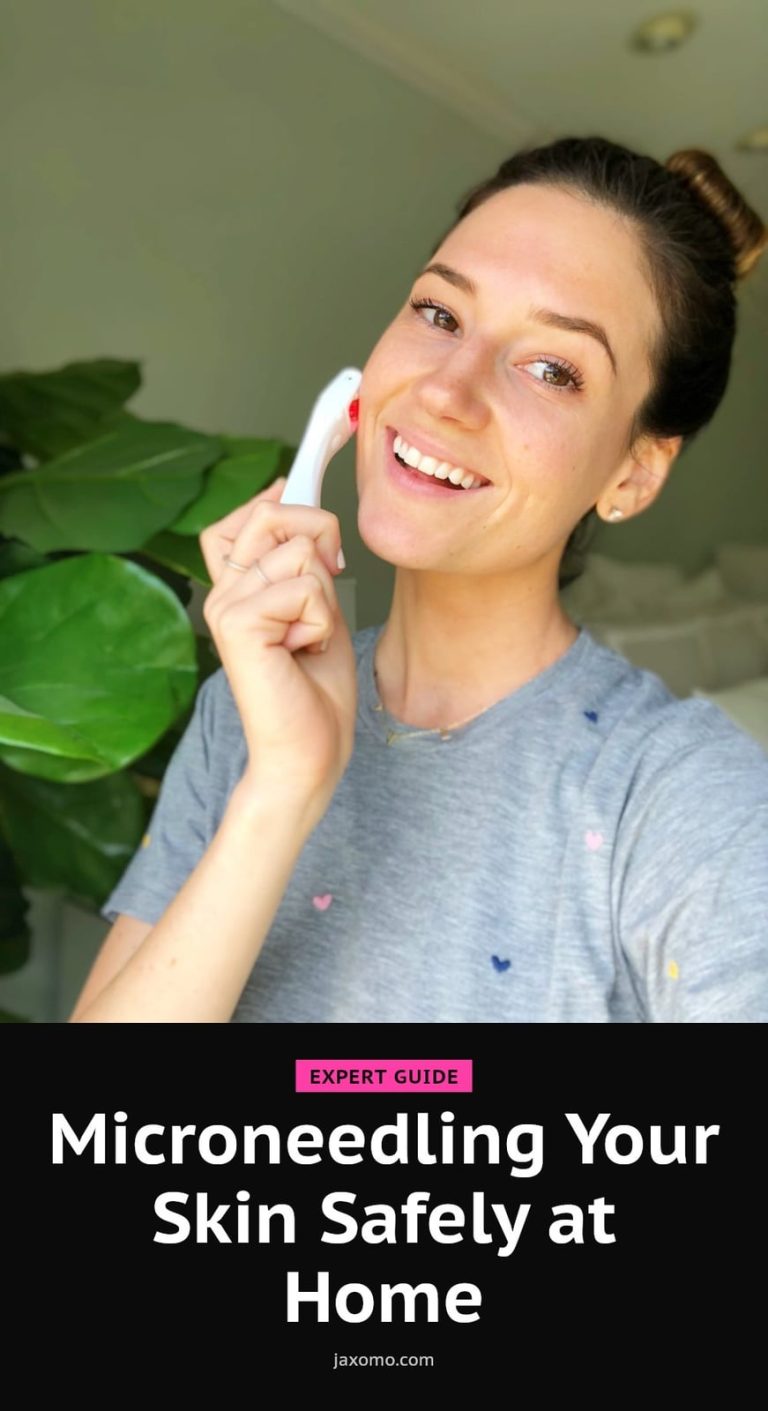
Thinking about trying microneedling at home? It’s a popular way to boost your skin’s collagen and improve texture, but doing it safely is key. This article covers what you need to know about at-home microneedling, from choosing the right device to aftercare, so you can get the benefits without the risks.
Key Takeaways
- Use needles no longer than 0.5mm for at-home microneedling to avoid complications.
- Always sterilize your device with 70% or higher isopropyl alcohol for 5-10 minutes before and after use.
- Wait 2-4 weeks between sessions to allow your skin to heal properly.
- Apply a hydrating serum like hyaluronic acid after treatment and skip harsh actives.
- Wear broad-spectrum sunscreen daily for at least a week post-treatment to protect vulnerable skin.
What Is At-Home Microneedling and How Does It Work?
Microneedling uses a device covered in fine needles to create tiny punctures in the skin. This controlled injury triggers your body’s wound healing response, which ramps up collagen and elastin production. That’s why it’s also called Collagen Induction Therapy (CIT). At-home devices come with shorter needles, typically 0.2mm to 0.5mm, compared to the longer needles a professional uses. The shorter length keeps the treatment safe for home use while still encouraging skin renewal.
Essential Tools and Products for At-Home Microneedling
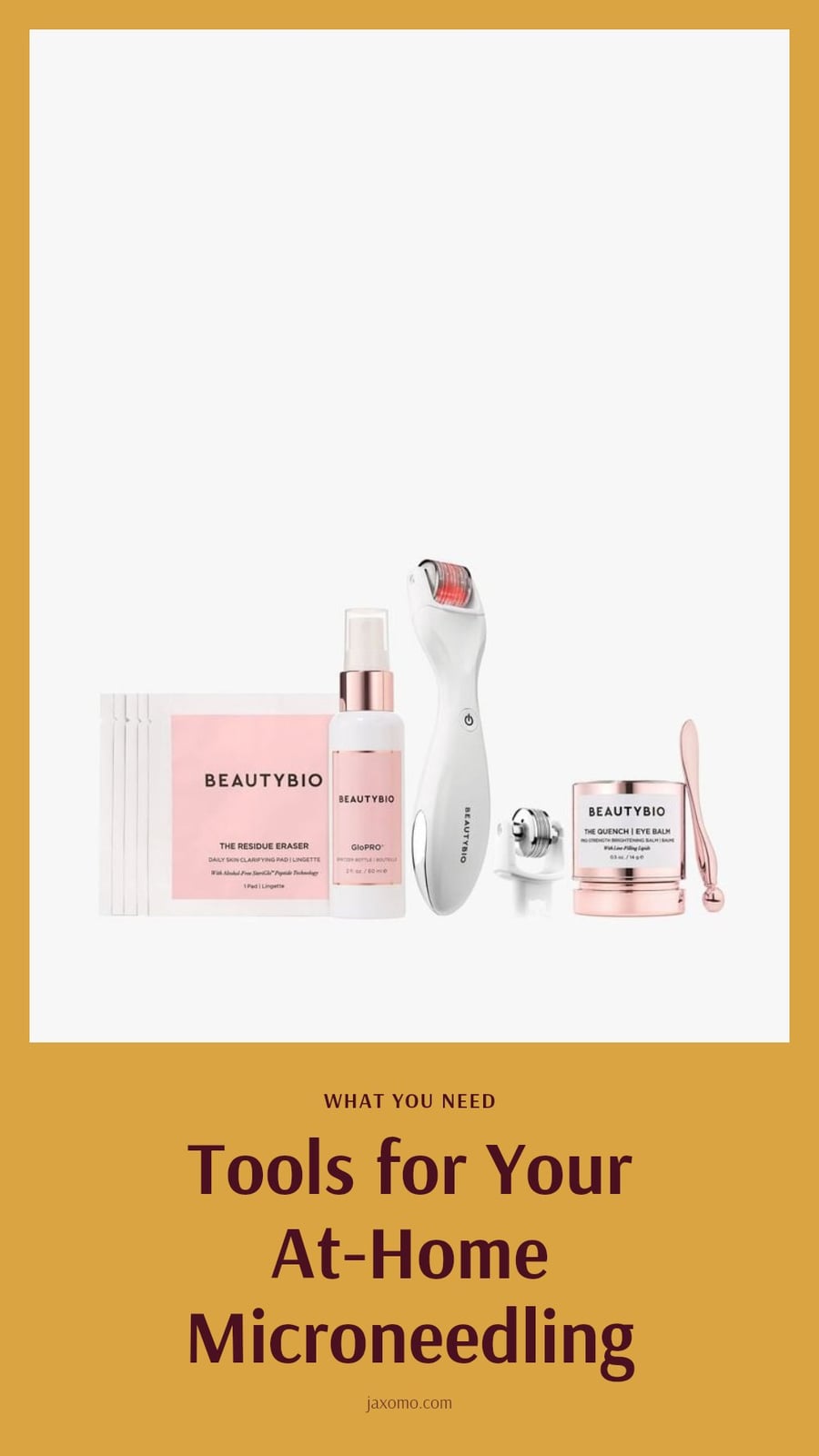
Before you start, gather everything you need. You’ll want:
- Microneedling device: Choose a derma-roller or derma-stamp with needles no longer than 0.5mm.
- 70% or higher isopropyl alcohol: This is non-negotiable for sterilizing your device before and after each use.
- Gentle cleanser: A mild, non-exfoliating face wash to prep clean skin.
- Hydrating serum: Look for one with hyaluronic acid or growth factors to apply right after rolling.
- Broad-spectrum sunscreen: SPF 30 or higher, because microneedled skin is extra vulnerable to UV damage.
Step-by-Step Guide to Safe At-Home Microneedling
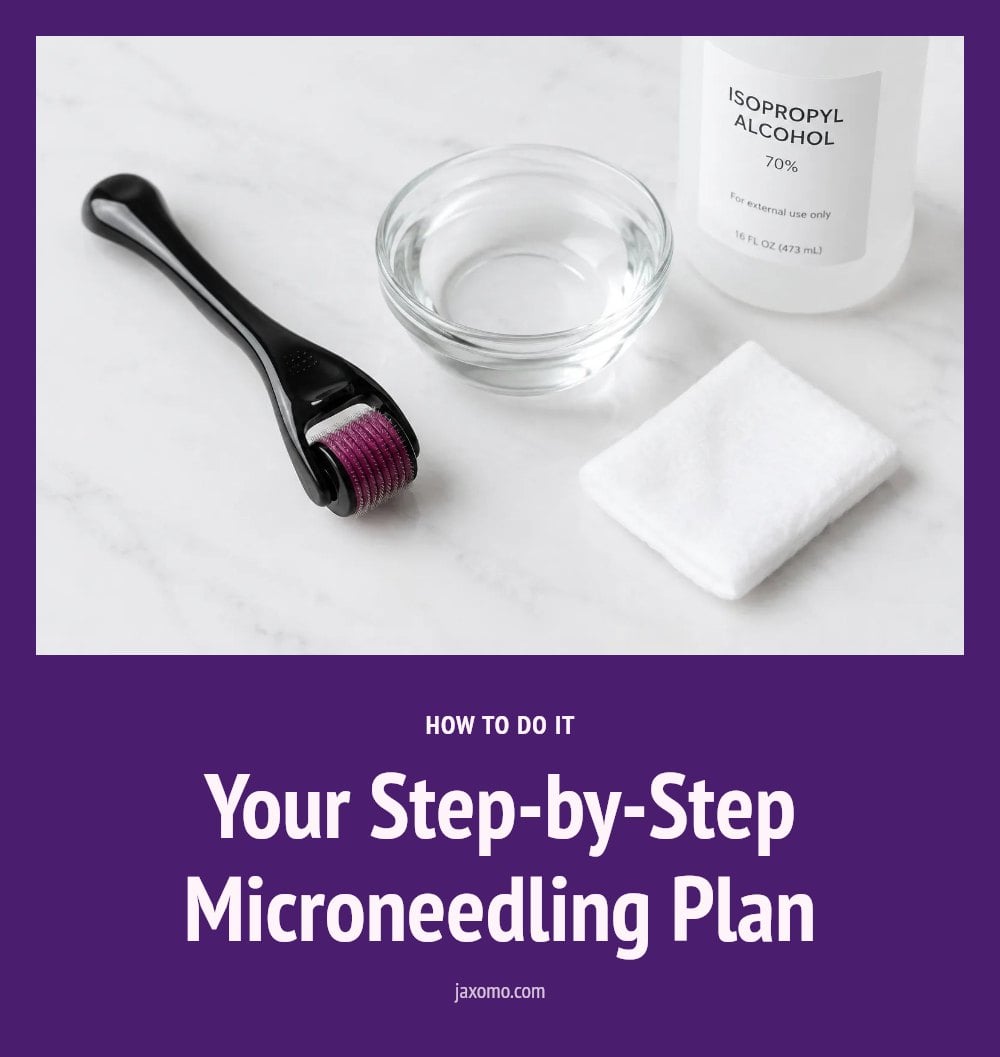
Sterilize your device: Soak the needle head in 70% or higher isopropyl alcohol for 5-10 minutes before you begin. Let it air dry on a clean towel.
- Cleanse your face: Wash with a gentle cleanser and pat dry. No makeup, no oils.
- Apply numbing cream (optional): If you use one, leave it on for 20-30 minutes, then rinse it off completely. Residue can interfere with the microneedling.
- Roll in sections: Work on one small area at a time. Roll the device gently in vertical, horizontal, and diagonal directions, about 4-6 passes per direction. Avoid over-treating; too many passes can cause unnecessary irritation.
- Apply serum immediately: After you finish rolling, pat on a hydrating serum. The micro-channels help it absorb more effectively.
My tip: Keep a clean mirror nearby and good lighting so you can see exactly where you’ve rolled. It helps you avoid missing spots or double-dipping on the same patch.
What to Do After Microneedling for Best Results and Healing
Right after microneedling, your skin will look red and feel a bit sensitive, similar to a mild sunburn. That’s normal. To support healing and see results:
- Wear sunscreen daily: Broad-spectrum SPF 30 or higher is a must for at least a week. Your skin is more prone to UV damage right after treatment.
- Avoid harsh actives: Skip retinoids, AHAs, BHAs, and vitamin C for at least 24-48 hours. Stick with gentle, hydrating products.
- Let your skin heal: Don’t pick at any flaking or peeling. Redness usually fades within a day or two.
- Replace your device regularly: After 10-15 uses, the needles dull and can bend. A fresh device keeps the treatment effective and safe.
Common Microneedling Mistakes to Avoid at Home
Not sterilizing the device: Skipping the 70% isopropyl alcohol soak before and after use is the fastest way to introduce bacteria into your skin. Always soak the needle head for a full 5-10 minutes.
Using needles over 0.5mm: Longer needles belong in a clinic. At home, anything above 0.5mm raises your risk of scarring, infection, and hyperpigmentation. Stick to 0.5mm or shorter.
Applying excessive pressure: Pressing hard won’t give you faster results. It can tear the skin, cause bruising, or leave permanent marks. Use gentle, even pressure and let the device do the work.
Microneedling too often: Your skin needs 2-4 weeks between sessions to rebuild collagen. Doing it more frequently keeps the skin in a constant state of inflammation and slows healing.
Using irritating products post-treatment: Retinoids, AHAs, BHAs, and Vitamin C all sting on freshly punctured skin and can worsen redness. Stick to a hydrating serum like hyaluronic acid for the first 24-48 hours.
Microneedling Frequency and When to Expect Results
Microneedle every 2-4 weeks, depending on your needle length and how quickly your skin recovers. Needles around 0.5mm need the full 4-week gap; smaller ones can be used closer to every 2 weeks.
Results are not instant. Most people see visible improvement in skin texture, fine lines, and scarring after 3-4 sessions. Plan on 2-3 months of consistent treatment before you notice a real shift. At-home devices are generally affordable compared to professional sessions, making regular use budget-friendly.
When to See a Professional for Microneedling or Complications
Signs of infection: If you see pus, feel increased pain, or develop a fever, stop immediately and see a dermatologist. Do not wait it out.
Persistent issues: Redness, hyperpigmentation, or new scarring that doesn’t fade after a week also needs professional evaluation. A dermatologist can assess whether the skin is healing normally.
Conditions that rule out home use: Avoid microneedling over active acne, eczema, rosacea, or any area with open wounds. If you have a clotting disorder or take blood thinners, skip the procedure entirely. Pregnant or breastfeeding? Consult your doctor first.
Frequently Asked Questions
How often can I microneedle at home?
You can microneedle every 2-4 weeks, depending on the needle length and your skin’s recovery. For needles around 0.5mm, wait the full 4 weeks. Shorter needles allow for sessions closer to every 2 weeks. Overdoing it prevents healing and can cause damage.
Is at-home microneedling safe?
At-home microneedling can be safe if you follow strict hygiene and use needles 0.5mm or shorter. Always sterilize your device, cleanse your skin, and avoid active acne or irritated areas. If you have a history of keloid scarring or a compromised immune system, consult a dermatologist first.
Can microneedling help with acne scars?
Microneedling may help improve the appearance of certain types of acne scars by stimulating collagen production. However, deep or severe scarring often responds better to professional treatments. At-home devices with shorter needles are more suited for texture and minor scarring. Do not microneedle over active acne.
Is microneedling painful?
Many people describe the sensation as mild discomfort or a light prickling. At-home devices with shorter needles are generally less painful than professional ones. You can use a numbing cream 20-30 minutes before treatment if you are sensitive, but remove it completely before starting. Stop if you feel excessive pain.
What should I apply to my skin immediately after microneedling?
Right after microneedling, use a hydrating serum with ingredients like hyaluronic acid or growth factors. Avoid harsh actives such as retinoids, AHAs/BHAs, or Vitamin C, as they can irritate your skin. Sunscreen is non-negotiable for at least a week afterward to protect your healing skin.
Final Thoughts
Start with a conservative approach: use a 0.5mm or shorter needle, sterilize every time, and stick to a 2-4 week schedule. Realistic expectations are key, visible improvements usually take several sessions over 2-3 months. With patience and proper care, at-home microneedling can be a safe addition to your skincare routine.
This article provides general information about at-home microneedling and is not a substitute for professional medical advice. Results vary, and improper use can lead to infection or scarring. Consult a dermatologist or licensed skincare professional if you have specific skin concerns, persistent issues, or a medical condition that may affect treatment.