How to Start Living the Soft Life: Rituals for Calmer Days
Discover how to embrace the 'soft life' with intentional rituals for peace and comfort. Learn to reduce stress and prioritize well-being in your daily routine.

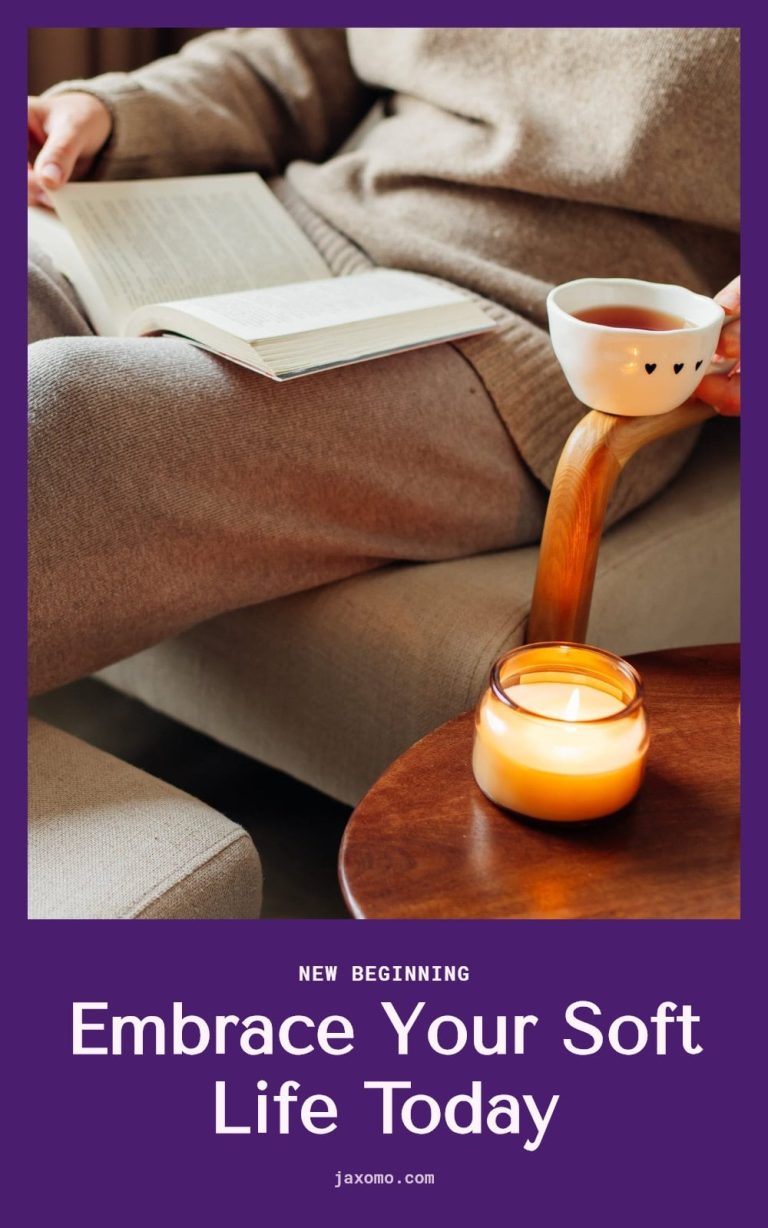
If you’re feeling stretched thin by the constant pressure to do more, be more, and achieve more, the soft life might be the reset you need. It’s a lifestyle philosophy that puts ease, comfort, and peace ahead of hustle and stress, and it’s been gaining traction on social media as a direct rejection of overwork. This article walks you through the seven practical steps to start living softly, along with extra tips, essentials for a calming home, and common misconceptions to avoid.
Key Takeaways
- Reject hustle culture and reframe your mindset to believe life can be calm.
- Set clear boundaries to eliminate stressors and protect your peace.
- Accept help from others, whether by delegating or asking for support.
- Use a timer for cleaning tasks, like 15 or 30 minutes, to stay focused.
- Spend time in nature regularly to ground yourself and reduce stress.
What is the Soft Life?
The ‘soft life’ is a lifestyle philosophy that puts ease, comfort, and peace ahead of constant hustle and stress. It’s about intentionally building a life that feels gentle and supportive, not demanding and exhausting. This idea gained traction on social media as a direct rejection of ‘hustle culture’ and the glorification of overwork. You choose rest, boundaries, and intentional calm over a packed schedule.
7 Steps to Cultivating Your Soft Life

These seven steps come from a practical guide on actually living a soft life while working full time. Follow them in order to shift your daily experience.
- Shift your mindset: Consciously reject hustle culture. Believe that life doesn’t have to be constantly stressful. Reframe thoughts from being overwhelmed to knowing you have the tools and time to manage tasks and self-care.
- Set clear boundaries: Identify the situations or people that cause you anxiety. Create firm limits around them, such as capping work hours or delegating tasks. Be ready to remove people who consistently disturb your peace.
- Accept help: Let go of the idea that you must do everything yourself. Ask friends, family, or coworkers for support. If your budget allows, consider hiring help like a housekeeper.
- Pour into yourself: Dedicate time to nourish your spirit, body, and mind. Choose exercise you enjoy, like long walks. Eat meals without interruption and allow yourself to move slowly through your day.
- Plan your tasks: Schedule activities to avoid chaos and procrastination. Use a timer for focused work like cleaning, set it for 15 or 30 minutes to stay efficient without overdoing it.
- Establish routines: Create consistent routines for yourself and your family. Routines automate desired activities, making it easier to fit in workouts and personal time without constant planning.
- Spend time outdoors: Get outside regularly. Time in nature grounds you and reduces stress from technology and constant distractions.
If you learn better by watching, this 14-minute video from KristiDoingThings shows every step. The how-to part starts at 2:24.
Watch: How to Actually Live a Soft Life
Watch: How to Actually Live a Soft Life
This video offers practical tips to integrate the soft life philosophy into your daily routine, even while working full time. It walks through the same seven steps above with real examples and warnings about common pitfalls. The creator emphasizes that a soft life isn’t about doing nothing. It’s about managing responsibilities without constant stress. She also warns against equating asking for help with failure and against letting rushing become your default mode.
Best Tips for a Softer Existence
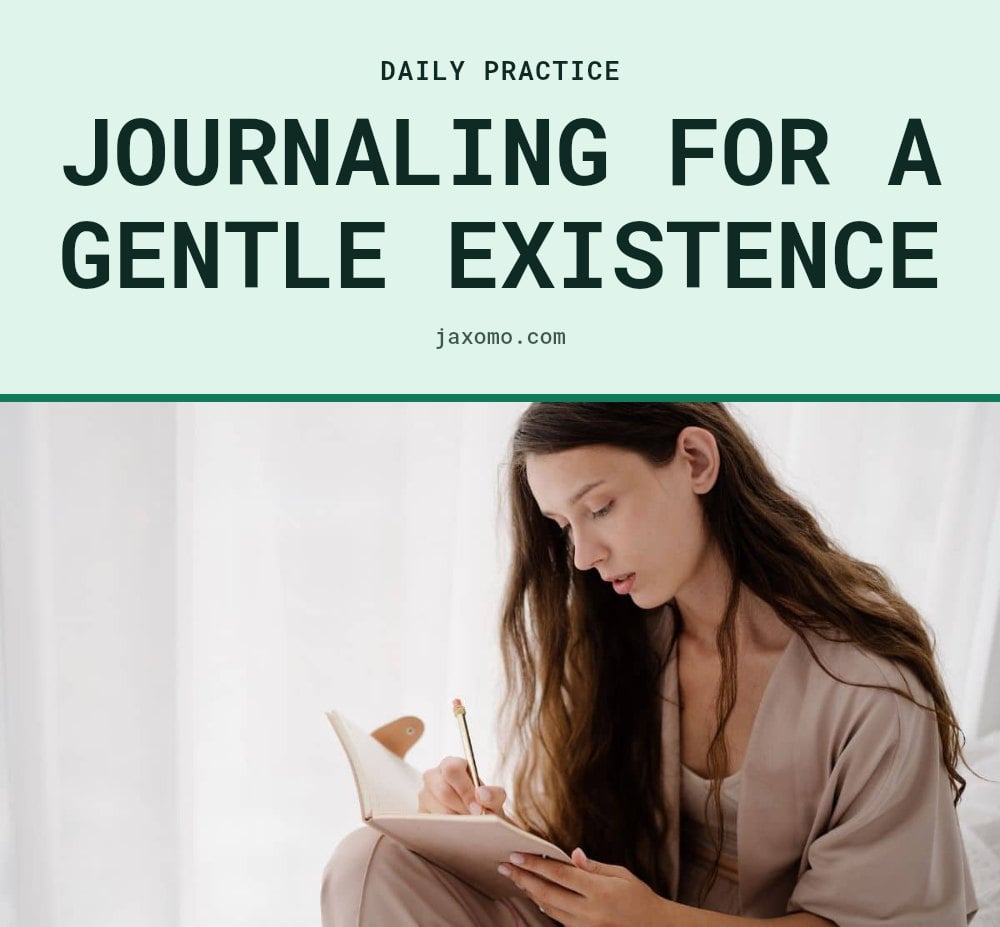
These extra tips from the same creator help you handle specific situations that come up when you start living softly.
- When you feel frantic: Pause and do something calming. Try prayer, talking to a trusted person, or briefly switching to another activity.
- Setting boundaries: Be prepared to cut people or situations from your life if they consistently disturb your peace. Not every relationship can stay.
- If work stresses you: Update your resume or build new skills that align with your current role. Focus on reducing stress within your existing job rather than adding more work.
- Don’t procrastinate: Tackle tasks promptly. Start with small tasks to build momentum, or begin with a large one to feel a big sense of accomplishment.
- Cleaning smarter: Use a timer for 15 to 30 minutes. This prevents you from getting too absorbed and spending too much time on one chore, keeping the process easy rather than exhausting.
Essentials for Your Soft Life Sanctuary

Comfortable bedding: Invest in soft sheets and pillows that support restorative sleep. Your bed should feel like a retreat.
Cozy loungewear: Choose clothes that actually make you feel relaxed at home, not just pajamas you tolerate.
Scented candles or essential oil diffusers: A calming aroma signals your nervous system to slow down.
Herbal teas: Keep a few varieties on hand for warm, comforting moments of peace.
Journals or planners: Use them to organize thoughts and schedule self-care without adding mental strain.
Bath salts or bubble bath: Turn your bathing routine into a relaxing ritual rather than a quick rinse.
Soft throws or blankets: Add layers of comfort and warmth to your living spaces.
Comfortable footwear: Prioritize ease for your feet, even around the house. Supportive slippers or house shoes make a difference.
Common Soft Life Misconceptions to Avoid
Believing a soft life means never working or facing challenges: It is about managing responsibilities without constant stress, not avoiding them entirely.
Thinking it requires significant wealth: You can start small with intentional choices, regardless of your current financial situation.
Expecting immediate and constant bliss without any effort: Cultivating a soft life is an ongoing process that requires consistent intentional choices and adjustments.
Confusing self-care with self-indulgence to the point of neglecting responsibilities: True self-care supports your overall well-being and allows you to meet your obligations more effectively.
Failing to set boundaries, leading to burnout despite intentions: Without clear boundaries, even the best intentions for a soft life can be derailed by external demands.
Trying to adopt every soft life trend without personalizing it: Your soft life should be unique to your needs and preferences, not a copy of what you see on social media.
Allowing constant rushing to be your default mode: A soft life actively rejects the habit of always being in a hurry; intentional slowness is key.
Equating asking for help with failure: Asking for assistance is a sign of strength and a way to embrace a community-oriented approach to life, reducing your personal burden.
Timeline and Investment for Your Soft Life
Timeline: Cultivating a soft life is an ongoing process of consistent intentional choices and adjustments over time. You might notice small improvements in your daily mood and stress levels within weeks of making initial changes.
Cost: The soft life does not require significant wealth. Many aspects, like setting boundaries, prioritizing rest, and practicing mindfulness, are free. While some elements, such as comfortable bedding or delegating tasks, might involve financial investment, you can start with what you have and gradually add items that support your peace.
Frequently Asked Questions
What does ‘soft life’ really mean?
The soft life is a lifestyle philosophy that prioritizes ease, comfort, and peace over constant hustle and stress. It’s about intentionally creating a life that feels gentle and supportive, rather than demanding and exhausting. This doesn’t mean avoiding work or responsibilities, but approaching them in a way that minimizes strain and maximizes well-being.
Can I live a soft life if I work full-time?
Absolutely. The soft life is not about quitting your job or avoiding work. It’s about changing how you approach your responsibilities. You can set boundaries around your work hours, delegate tasks, and incorporate self-care rituals into your daily routine. Even small changes, like taking a walk during lunch or setting a timer for chores, can help you feel softer while working full-time.
How do I set boundaries without feeling guilty?
Setting boundaries is a key part of the soft life, and guilt is a common hurdle. Start by reminding yourself that boundaries protect your peace and allow you to show up better for others. You can practice saying no in a gentle but firm way, and remember that you don’t need to justify your decision. Over time, as you see the positive effects, the guilt tends to fade.
Is the soft life just about being lazy?
No, the soft life is not about laziness. It’s about managing your responsibilities without constant stress. The philosophy encourages working smarter, not harder, and prioritizing rest and self-care so you can be more present and effective. It’s about rejecting hustle culture, not rejecting ambition or productivity.
What are some simple daily soft life rituals?
Simple rituals can include starting your day with a calming cup of herbal tea, taking a short walk in nature, or setting a timer for 15 to 30 minutes to tidy up without overdoing it. You might also practice mindfulness by eating a meal without interruptions, or engage in a hobby you enjoy purely for relaxation. The key is to choose small, intentional actions that bring you peace.
How long does it take to feel the benefits of a soft life?
You may start to notice small improvements in your daily mood and stress levels within a few weeks of making initial changes. However, cultivating a soft life is an ongoing process that involves consistent intentional choices and adjustments over time. Be patient with yourself and focus on progress, not perfection.
Final Thoughts
To start living the soft life, begin by shifting your mindset and setting one or two boundaries that reduce your biggest stressors. Don’t try to overhaul everything at once; small intentional choices can lead to noticeable improvements in your daily mood within a few weeks. Remember, the soft life isn’t about doing nothing, it’s about managing your responsibilities without constant stress. Embrace the process, and give yourself permission to move more slowly through your days.