7 Metabolism Boosting Habits for a Healthier You
Learn effective metabolism boosting habits that can help you feel more energized and support your body's natural fat-burning processes. Start today.


Feeling sluggish and wondering if your metabolism is working against you? You’re not alone. The good news is that while genetics play a role, your daily habits have a big impact on how efficiently your body turns food into energy. This article walks you through seven simple, sustainable habits that can support a healthy metabolism, from strength training to sleep, plus common mistakes to avoid and a realistic timeline for seeing changes.

Key Takeaways
- Strength train at least two to three times per week to build muscle and support a healthy metabolism.
- Prioritize 7-9 hours of quality sleep each night to keep appetite hormones in check.
- Include lean protein with most meals to benefit from its higher thermic effect.
- Avoid extreme calorie restriction, which can slow your metabolism.
- Expect noticeable changes in energy and body composition after several weeks to months of consistency.
What Are Metabolism-Boosting Habits?
Metabolism-boosting habits are sustainable lifestyle changes focused on diet, exercise, and sleep that help your body efficiently convert food into energy and maintain muscle mass. These habits support your basal metabolic rate (BMR), the calories your body burns at rest, and help optimize energy use throughout the day. The key is consistency, not quick fixes. Small, repeatable actions like adding protein to meals or taking a daily walk can make a real difference over time.
How a Healthy Metabolism Works in Your Body

Your metabolism is the complex set of chemical processes that turn food into energy, crucial for everything from breathing to thinking. A healthy metabolism efficiently uses this energy, with muscle tissue burning more calories at rest than fat tissue. That’s why building and maintaining muscle through strength training can help you burn more calories even when you’re sitting still.
Hormones, sleep, and activity levels all play a role in how effectively your body manages its energy. For example, poor sleep can disrupt appetite-regulating hormones, while chronic stress can alter hormone levels in ways that slow metabolism. Keeping these factors in balance supports your body’s natural energy management.
7 Key Habits to Boost Your Metabolism
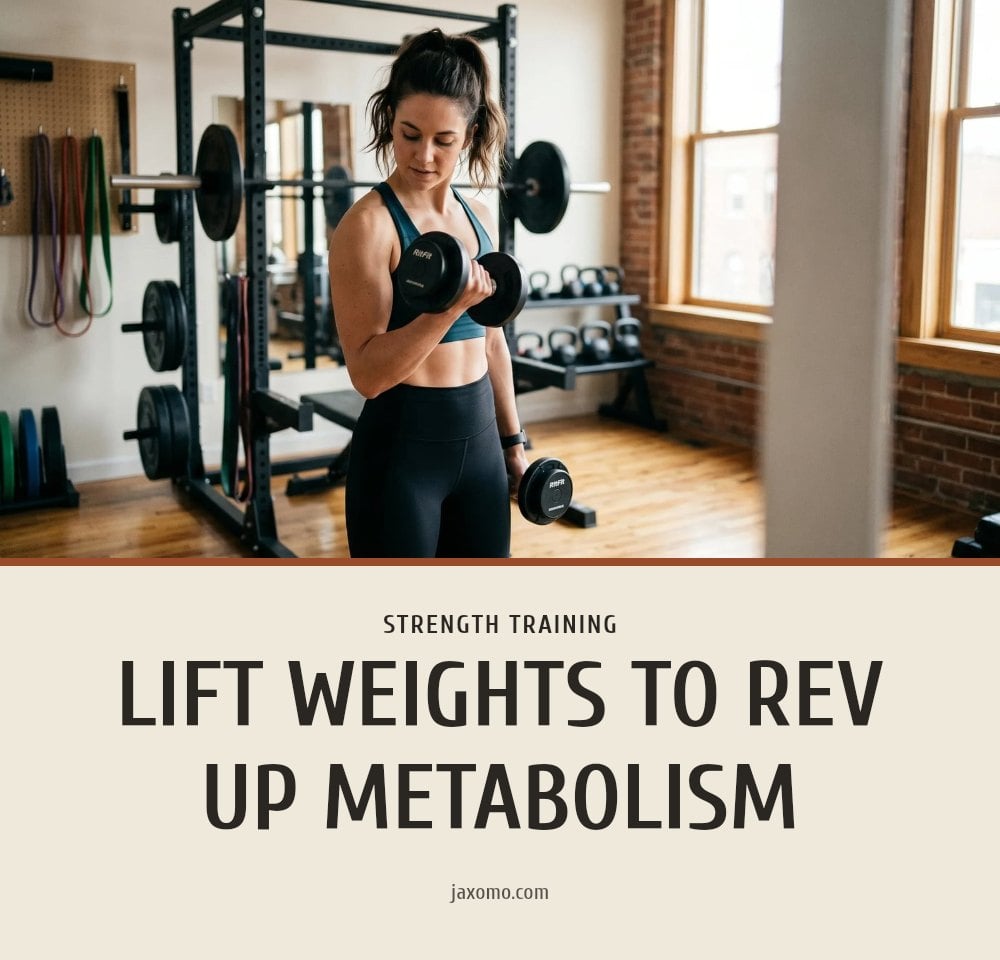
- Strength train twice a week: Incorporate strength training into your routine at least two to three times per week. Use dumbbells, resistance bands, or bodyweight exercises like squats and push-ups to build muscle, which burns more calories at rest.
- Prioritize sleep: Aim for 7-9 hours of quality sleep nightly. Sleep deprivation can disrupt hormones that regulate appetite and metabolism, making it harder to maintain a healthy weight.
- Add lean protein to meals: Include lean protein sources like chicken, fish, tofu, or beans with most meals. Protein has a higher thermic effect than carbs or fats, meaning your body burns more calories digesting it.
- Stay hydrated: Drink plenty of water throughout the day. Even mild dehydration can slow down bodily functions, including metabolism. Keep a water bottle handy and sip regularly.
- Manage stress: Practice meditation, yoga, or simple deep breathing to manage stress. Chronic stress can alter hormone levels, negatively affecting metabolic health.
- Eat regular meals: Eat balanced meals and snacks at consistent times to stabilize blood sugar and prevent extreme hunger, which can lead to overeating. My tip: prep snacks like cut veggies or nuts so you’re never caught off guard.
- Move more throughout the day: Aim for consistent activity beyond structured workouts. Take the stairs, walk during phone calls, or do a few stretches every hour. Small movements add up.
Essential Tools for Your Metabolism Journey

You don’t need a gym full of equipment to support your metabolism. Here are the essentials:
- Dumbbells or resistance bands: For effective strength training at home or the gym.
- Water bottle: To ensure you stay hydrated throughout your day.
- Nutritious whole foods: Lean proteins, vegetables, fruits, and whole grains for a balanced diet.
- Comfortable walking shoes: To encourage regular movement and activity.
- Journal or meditation app: For stress management and mindfulness practices.
Common Mistakes That Can Slow Your Metabolism
Extreme Calorie Restriction: Drastically cutting calories can signal your body to conserve energy, slowing your metabolism. Instead, aim for a moderate deficit with balanced meals.
Neglecting Strength Training: Focusing only on cardio misses the chance to build calorie-burning muscle. Add two to three strength sessions weekly.
Skipping Sleep: Underestimating sleep’s impact on appetite and metabolic hormones is a common pitfall. Prioritize 7-9 hours nightly.
Ignoring Chronic Stress: Allowing stress to linger alters hormone levels, hurting metabolic health. Try daily meditation or a short walk.
Expecting Quick Fixes: Supplements and ‘miracle pills’ won’t replace consistent healthy habits. My tip: invest in sustainable changes like meal prep and regular movement.
Extra Tips for Optimal Metabolic Health

Try HIIT Workouts: High-intensity interval training can create an ‘afterburn effect,’ so you burn more calories post-workout. Short bursts of effort followed by rest work well.
Consider Green Tea: Some research suggests green tea may modestly increase metabolic rate. I enjoy a cup in the afternoon.
Eat Fiber-Rich Foods: Fiber supports satiety and healthy digestion, indirectly helping your metabolism. Add beans, oats, and berries.
Avoid Over-Processed Foods: Limit sugary drinks and highly processed snacks that can negatively affect metabolic function. Choose whole foods instead.
Listen to Your Body: Pay attention to hunger and fullness cues to support mindful eating. Eat when hungry, stop when satisfied.
Timeline for Noticing Metabolic Changes
Timeline: Consistent application of these habits over several weeks to months is typically needed to notice changes in energy and body composition. Be patient.
Ongoing Commitment: Long-term benefits require sticking with these sustainable lifestyle changes, not just a short-term push.
Cost: Most habits involve minimal to no direct cost. Investing in quality whole foods or basic exercise equipment can have a moderate cost, but it’s optional.
When to Consult a Professional
If you have underlying health conditions, consult a healthcare professional or registered dietitian before making significant dietary changes.
If you experience persistent fatigue, unexplained weight changes, or other concerning symptoms, seek medical advice.
If you are considering supplements claiming to ‘boost metabolism,’ discuss them with your doctor to ensure safety and avoid interactions with medications.
Always listen to your body during exercise and consult a fitness professional if you need guidance on proper form or injury prevention.
Frequently Asked Questions
How long does it take to see results from metabolism-boosting habits?
Most people need to stick with these habits for several weeks to months before noticing meaningful changes in energy or body composition. Consistency is key, and the timeline varies based on your starting point, age, and how closely you follow the habits. Don’t get discouraged if you don’t see immediate results; sustainable change takes time.
Can certain foods really boost metabolism?
Yes, but the effect is modest. Foods high in protein have a higher thermic effect, meaning your body burns more calories digesting them. Green tea may slightly increase metabolic rate, but it’s not a magic bullet. Focus on a balanced diet with whole foods, lean proteins, and fiber rather than chasing specific ‘boosting’ foods.
Is metabolism entirely determined by genetics?
No, genetics play a role, but your lifestyle has a significant influence. Building muscle through strength training, getting enough sleep, managing stress, and staying active can all support a healthy metabolism. You’re not stuck with the metabolism you were born with; your daily choices matter.
What is the ‘afterburn effect’?
The afterburn effect, or EPOC, is when your body continues to burn calories at an elevated rate after a workout, especially after high-intensity interval training (HIIT). This happens because your body works to restore itself to its resting state. It’s a nice bonus, but it shouldn’t replace overall activity and strength training.
How does stress affect metabolism?
Chronic stress can alter hormone levels, which may negatively affect your metabolism. Elevated stress hormones can influence appetite and energy regulation, potentially leading to weight gain or difficulty losing weight. Managing stress through practices like meditation, yoga, or time in nature can support metabolic health.
Final Thoughts
My tip: pick just one or two habits to start, like adding strength training or going to bed 30 minutes earlier, and build from there. Realistic expectations matter: you won’t see a dramatic shift overnight, but with consistent effort over several weeks to months, you can notice improved energy and body composition. Remember, this is a long-term lifestyle, not a quick fix.
This article is for general informational purposes only and is not a substitute for professional medical advice. Always consult a healthcare provider or registered dietitian before making significant dietary or exercise changes, especially if you have underlying health conditions. If you experience persistent fatigue, unexplained weight changes, or other concerning symptoms, seek medical advice.