Oversharing: Understanding Why We Do It and How to Stop
Learn the reasons behind oversharing and discover practical methods to manage communication, build boundaries, and improve relationships.

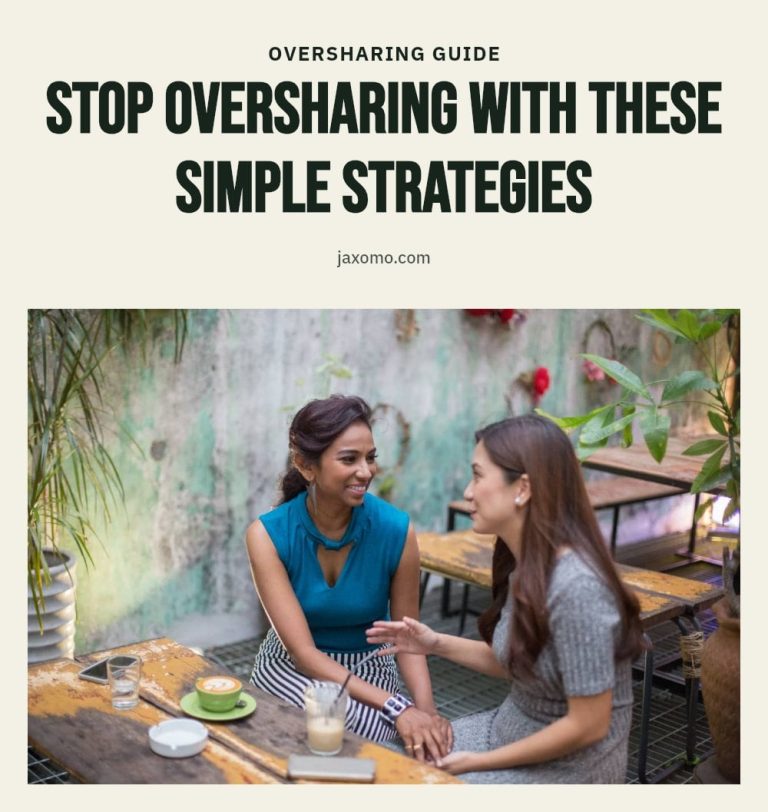
You’ve probably been in a conversation where you shared something personal and immediately thought, “Why did I just say that?” Oversharing is a common habit that can leave both you and the listener feeling awkward. This article covers why we tend to overshare and practical, straightforward ways to build better communication boundaries.
Key Takeaways
- Oversharing means revealing too much personal information for the relationship or setting.
- Pause before speaking to ask if the detail is appropriate for this person and context.
- Watch for signs of discomfort like avoiding eye contact or changing the subject.
- Start with less personal topics to build rapport gradually before going deeper.
- If oversharing damages relationships or your career, consider speaking with a therapist.
What Exactly Is Oversharing?
Oversharing means disclosing too much personal or intimate information, especially in a new or casual relationship. It often involves revealing sensitive details like health concerns, financial struggles, or past trauma to people who aren’t close friends or family. The core issue is the mismatch between what is shared and the context or relationship, which usually makes the listener feel uncomfortable or burdened.
Why We Tend to Overshare
Why We Tend to Overshare
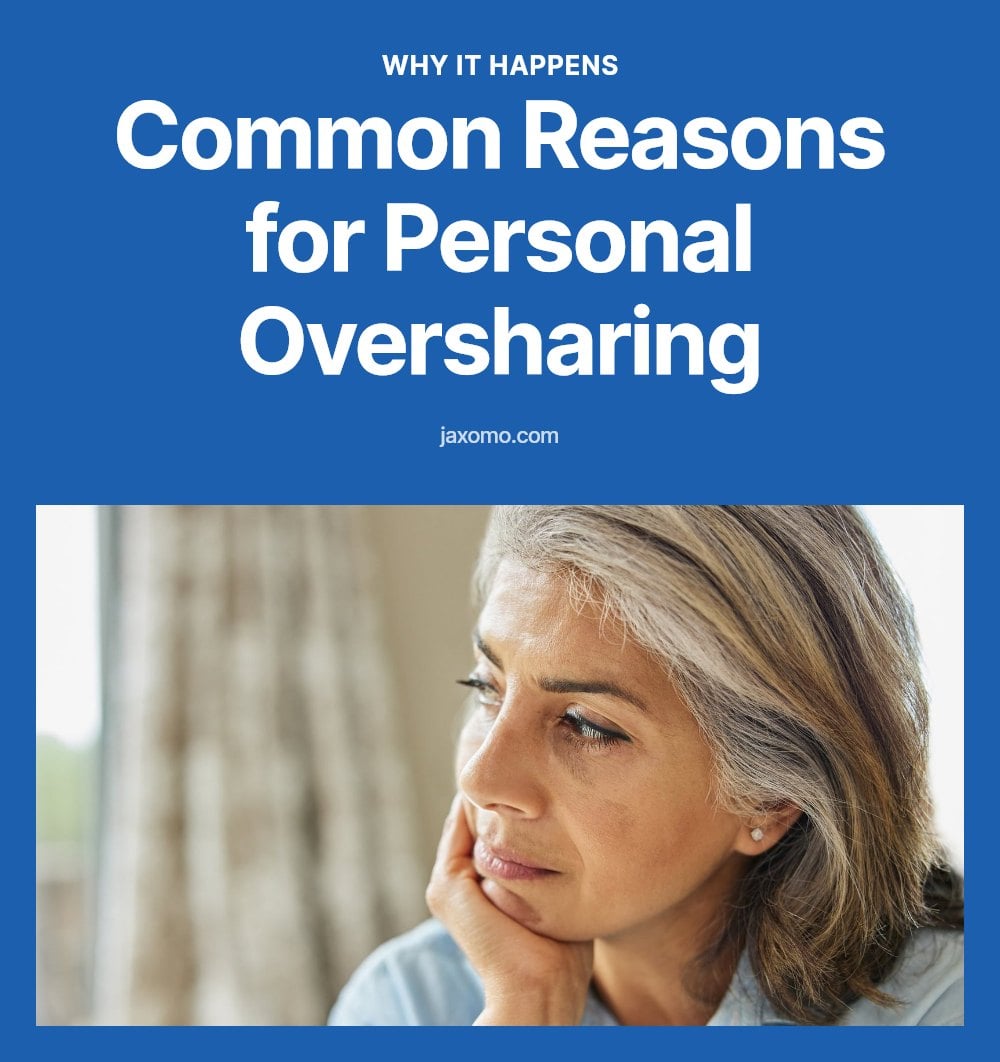
Most of us overshare because we want connection, validation, attention, or empathy. It feels good when someone listens, and we mistakenly believe that revealing everything will speed up closeness.
Underlying factors can make this tendency stronger. Anxiety, loneliness, low self-esteem, or simply a lack of clear social boundaries often play a role. When you feel isolated or unsure, sharing personal details can seem like a shortcut to feeling understood.
The problem is that this strategy usually backfires. Dumping too much too fast can overwhelm the other person and push them away instead of drawing them in. Building real connection takes time and reciprocity.
Practical Methods to Manage Oversharing

Practical Methods to Manage Oversharing
Managing oversharing starts with pausing before you speak. Take a breath and ask yourself: Is this information appropriate for this person and this setting? That split second can save you from a flood of regret later.
Watch for social cues: Pay attention to the other person’s body language. If they glance away, change the subject, or give short answers, those are signs they may feel uncomfortable. My tip: If you notice these signals, pivot to a lighter topic or ask them a question instead.
Shift the focus: Ask open-ended questions that invite the other person to share. Questions like “What’s been keeping you busy lately?” or “How did you get into that hobby?” naturally balance the conversation and take the pressure off you.
Reflect on your motivation: Before you share, check in with yourself. Are you trying to connect, or are you offloading stress? If it’s the latter, consider journaling or talking to a therapist instead.
Build rapport slowly: In new relationships, start with neutral or lightly personal topics, favorite books, weekend plans, shared interests. Let trust and mutual comfort grow over time before diving into heavier subjects.
Common Oversharing Mistakes to Avoid
Common Oversharing Mistakes to Avoid
- Mistaking politeness for genuine interest: Just because someone nods and smiles doesn’t mean they want to hear your entire life story. Polite listening is not an invitation to disclose everything.
- Using conversations as therapy: Friends are not trained therapists. Constant emotional dumping can strain relationships. Save deep processing for a professional who can help you work through it.
- Ignoring social cues: Averted eyes, crossed arms, or a quick subject change are clear signals to stop. If you continue talking despite these signals, you risk damaging the relationship.
- Confusing vulnerability with oversharing: True vulnerability is intentional, reciprocal, and appropriate to the relationship. Oversharing is usually a spontaneous, one-sided dump that leaves the listener feeling awkward.
- Disclosing others’ information: Never share details about someone else without their explicit permission. Doing so breaks trust and can have serious social and professional consequences.
Building Stronger Boundaries to Prevent Oversharing
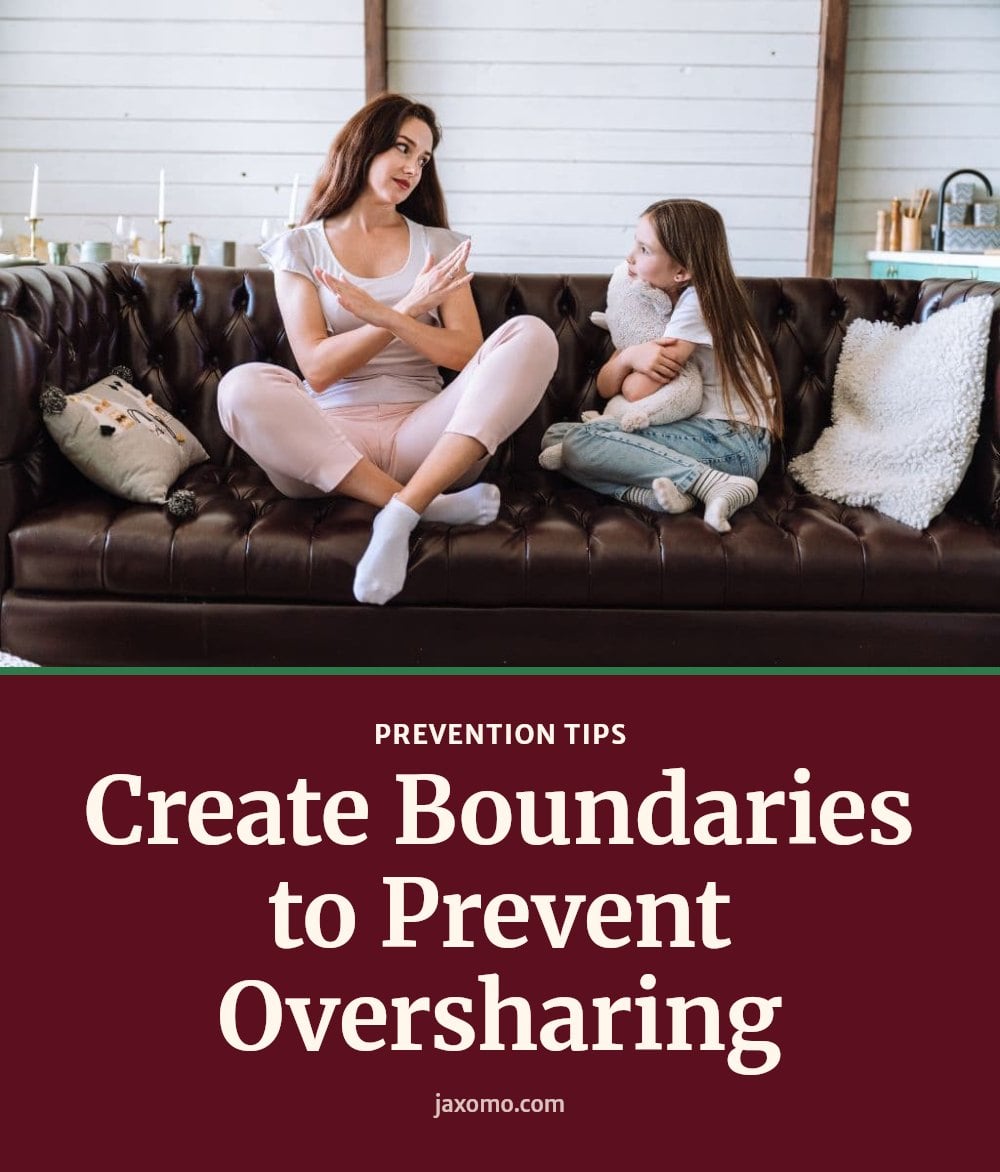
Boundaries work best when you name them out loud and to yourself. Tell a friend, “I’d rather not discuss my finances,” and remind yourself that a new colleague doesn’t need your dating history. Internal rules are just as important as spoken ones.
Before you share, check the context and the relationship. A close sister may be the right person for your health worries, but someone you’ve just met is not. Not all information is for everyone, and that’s a fact, not a judgment.
Balance the conversation with active listening. Ask a question about the other person and actually focus on their answer. If you notice you’ve been talking for several minutes, steer back to them.
Ask yourself why you’re sharing. Are you trying to connect, or are you offloading stress? Connection is mutual, offloading is one-sided.
Caution: Online oversharing reaches a broad audience and stays public. Before posting personal details, consider whether you’d say them to a room of strangers, because that’s effectively what you’re doing.
When to Seek Professional Help for Oversharing
If oversharing is consistently damaging your relationships, hurting your career, or taking a toll on your mental well-being, it is worth considering professional support. A therapist or counselor can help you explore whether anxiety, past trauma, or low self-esteem is driving the behavior.
Therapy is not about judgment; it is about understanding. A professional can help you identify the root causes of your oversharing and work with you to build healthier communication habits. Many people find that a few sessions provide clarity and practical strategies.
Good to know: You do not need to hit a crisis point to seek help. If oversharing leaves you feeling embarrassed, anxious, or isolated on a regular basis, talking to a professional can be a proactive step.
Frequently Asked Questions
Is oversharing always a bad thing?
Not necessarily. Sharing personal details can build trust and connection when done at the right time and with the right person. The problem is when the information is too intimate for the relationship or setting, making others uncomfortable. The key is context and reciprocity.
How can I tell if I’m making someone uncomfortable?
Watch for subtle cues like the person looking away, giving short answers, shifting their body away, or changing the subject. If you notice these signs, it’s a good signal to pull back and ask a question about them instead. Polite listening doesn’t always mean genuine interest.
What’s the difference between vulnerability and oversharing?
Vulnerability is intentional and reciprocal. You share something meaningful with a trusted person who shares back. Oversharing often happens impulsively, with someone who hasn’t earned that trust, and it doesn’t invite a balanced exchange. Vulnerability strengthens bonds; oversharing can strain them.
Can oversharing affect my professional life?
Yes. In a work setting, oversharing about finances, health, or relationships can be seen as unprofessional or a sign of poor judgment. It may distract colleagues, damage your reputation, or make you less likely to be considered for leadership roles. Keep work conversations focused on work topics.
How long does it take to change oversharing habits?
There’s no set timeline, but most people notice improvement within a few weeks of consistent practice. The key is to pause before each conversation and reflect on what’s appropriate. Like any habit, the more you practice mindful communication, the more automatic it becomes.
Final Thoughts
The key is to match your disclosure level to the relationship. A good rule: share only what you’d be comfortable having a casual acquaintance know. Changing this habit takes consistent practice over weeks or months, but each mindful pause builds a stronger boundary. You can still be open and warm without giving away everything at once.
This article is for informational purposes only and is not a substitute for professional advice. If oversharing is significantly affecting your relationships, career, or mental health, please consult a licensed therapist or counselor.