11 Skincare Mistakes that Damage Your Skin Barrier
Learn about common skincare mistakes damaging your skin barrier, causing dryness and redness. Discover how to fix them for healthier, more resilient skin.


You may have noticed your skin feeling dry, red, or unusually sensitive lately, and you are probably wondering what is going wrong. The answer often lies in your daily routine, because many common habits can quietly damage your skin barrier. This article walks you through the 11 most frequent skincare mistakes that compromise that protective layer, from harsh cleansers to skipping sunscreen, so you can recognize them and make simple changes for healthier, calmer skin.

Key Takeaways
- Use a gentle, pH-balanced cleanser twice daily to avoid stripping natural oils.
- Limit exfoliation to 1-3 times per week and avoid harsh scrubs or daily acids.
- Apply moisturizer to damp skin after cleansing to lock in hydration.
- Wear broad-spectrum sunscreen with SPF 30+ every day, even indoors.
- Introduce new active ingredients one at a time and patch test first.
What Is Your Skin Barrier and Why Is It So Important?
Your skin barrier, or stratum corneum, is the outermost layer of your skin. It works like a protective shield, keeping environmental aggressors out and locking moisture in. When that barrier is healthy, your skin looks calm and hydrated. When it’s compromised, you may notice dryness, redness, sensitivity, or even breakouts. That’s why gentle, consistent care is the foundation of resilient skin.
1. Using Harsh Cleansers
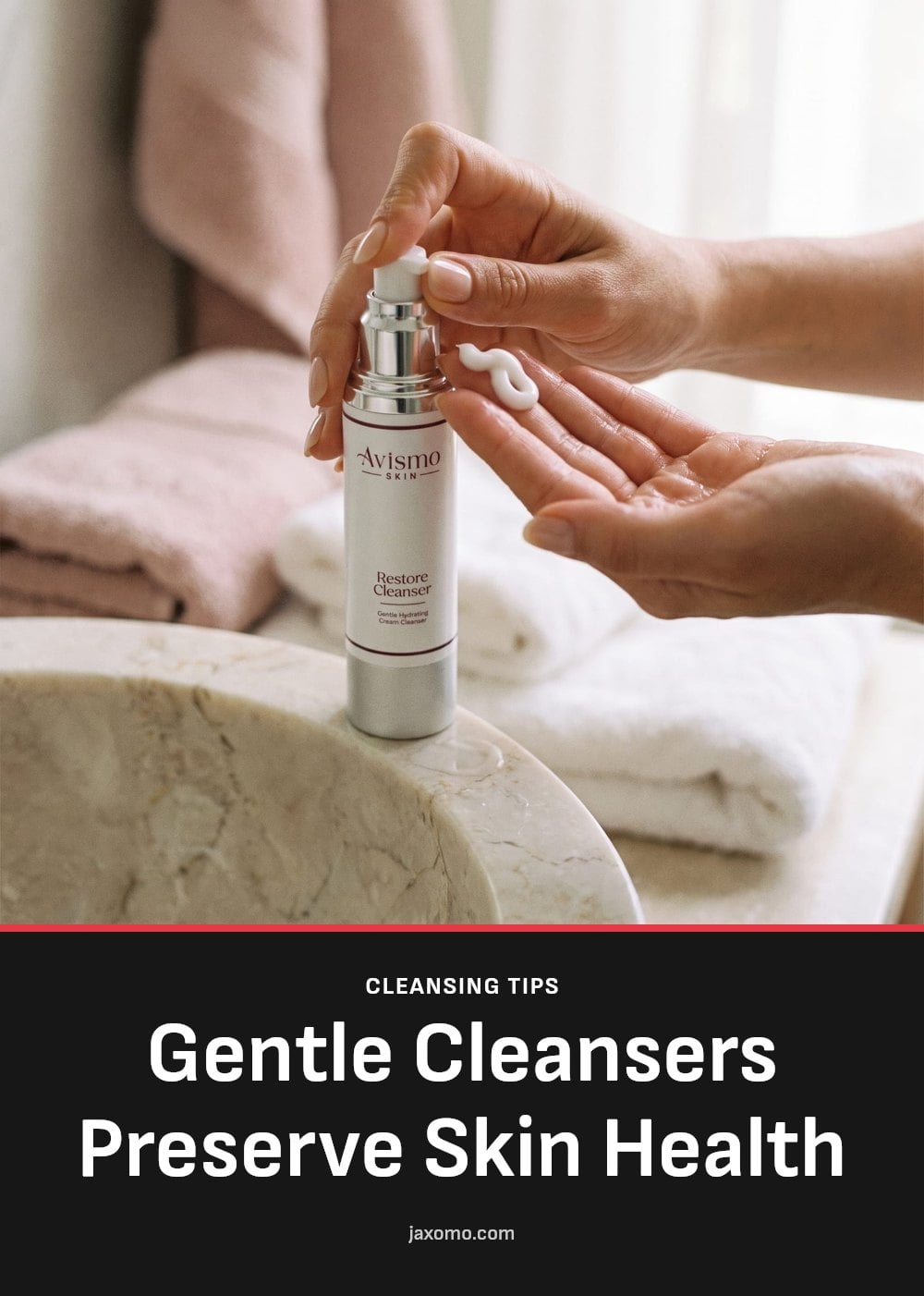
Harsh cleansers, especially those with a high pH, strip away your skin’s natural oils and disrupt its acidic mantle. That tight, ‘squeaky clean’ feeling after washing is actually a sign of damage, not cleanliness.
My tip: Choose a gentle, pH-balanced cleanser that leaves your skin feeling soft and comfortable. Cream or gel formulas work well for most skin types.
2. Over-Exfoliating Your Skin

Excessive exfoliation, whether from a gritty scrub or daily chemical acids, can strip essential lipids and create micro-tears in your skin. This weakens the barrier and leads to irritation.
My tip: Limit exfoliation to 1-3 times a week, depending on your skin type. Pay attention to how your skin feels if it starts to sting or look red, give it a break.
3. Washing with Hot Water
Hot water may feel relaxing, but it strips your skin of its natural protective oils. This leads to dryness and a compromised barrier over time.
Tip: Use lukewarm water when you wash your face. It’s gentle enough to preserve your skin’s moisture while still getting you clean.
4. Skipping Daily Moisturizer

Not moisturizing, even if you have oily skin, leads to increased transepidermal water loss (TEWL) and a weakened barrier. Your skin can actually produce more oil to compensate, making the problem worse.
Good to know: Apply a good moisturizer to damp skin right after cleansing to lock in hydration and support your barrier. This works for all skin types.
5. Neglecting Daily Sunscreen
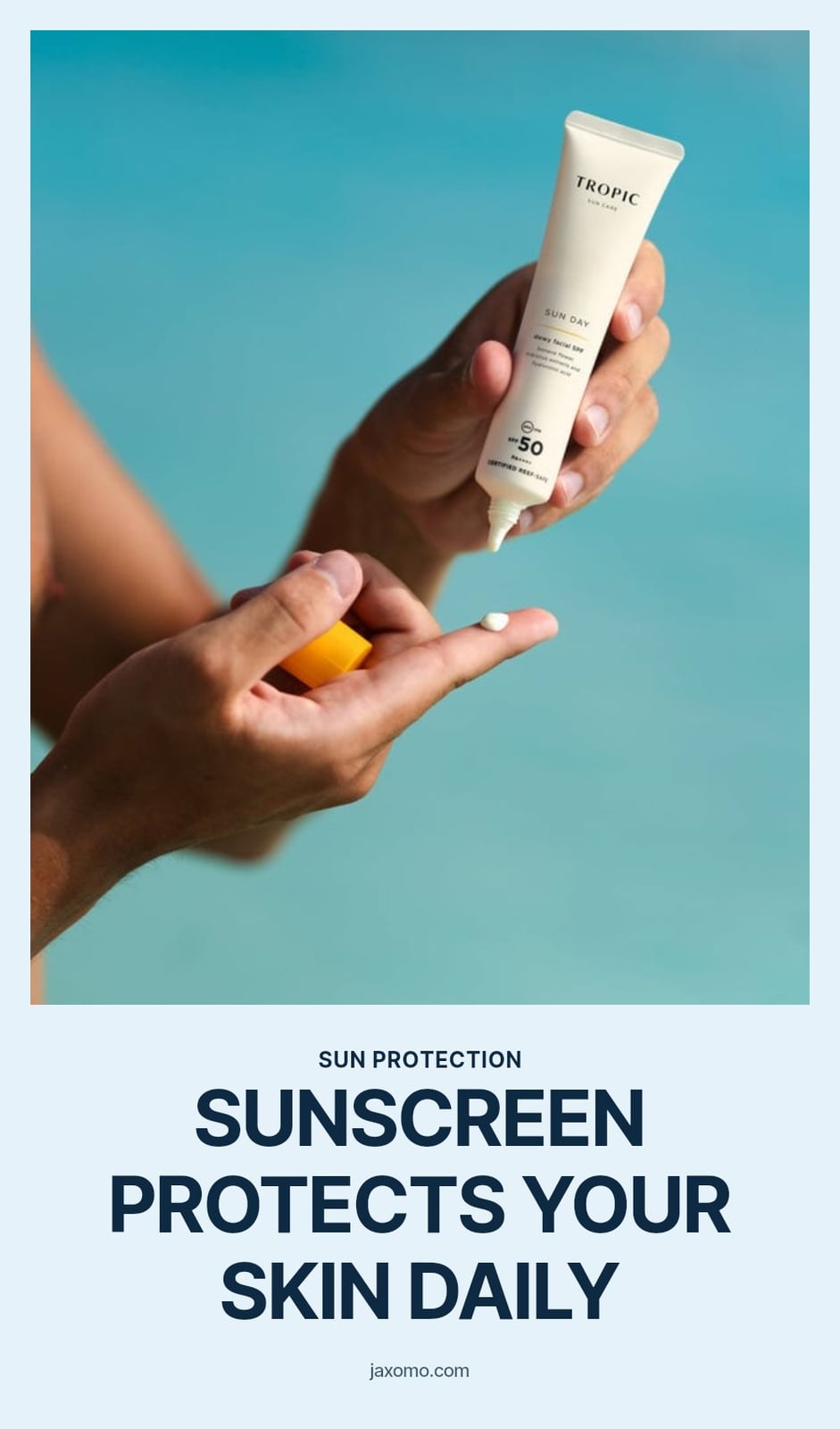
UV damage from sun exposure weakens the skin barrier over time, increasing sensitivity and signs of aging. This happens even on cloudy days or when you’re indoors near windows.
Pro move: A broad-spectrum SPF 30+ sunscreen is non-negotiable every single day, rain or shine, indoors or out. Apply it as the last step in your morning routine.
6. Applying Too Many Actives
Overwhelming your skin with multiple strong active ingredients like retinoids, AHAs, and Vitamin C at once can cause irritation and barrier damage. Your skin needs time to adjust to each one.
Quick tip: Introduce new active products one at a time and space them out over several weeks. Give your skin a break between active uses to avoid overwhelming it.
7. Picking at Blemishes

Picking or squeezing blemishes introduces bacteria, damages the skin barrier, and can lead to inflammation, scarring, and prolonged healing. What seems like a quick fix often makes things worse.
Tip: Resist the urge to pick. Let blemishes heal naturally or use targeted spot treatments. If you must touch your face, use clean tools and hands.
8. Using Harsh Fragrances or Alcohol
Products with high concentrations of alcohol or strong artificial fragrances can be irritating and compromise your skin’s delicate barrier. Alcohol denat., often listed near the top of ingredient lists, evaporates quickly and pulls moisture from the skin, while synthetic fragrances are a common trigger for sensitivity.
My tip: Check ingredient lists for ‘alcohol denat.’ or ‘fragrance’ high up. Opt for fragrance-free or naturally scented products instead, especially if your skin already feels tight or reactive.
9. Over-Cleansing Your Face
Washing your face too frequently, more than twice a day, strips beneficial lipids and disrupts the skin’s natural balance. Each cleanse removes some of the protective oils your barrier needs to function, so extra washing can actually leave you drier and more prone to irritation.
My tip: Cleanse morning and night, and after heavy sweating. That’s usually enough to keep your skin happy. If you feel the urge to refresh midday, splash with lukewarm water and pat dry instead of reaching for another cleanser.
10. Ignoring Stress and Sleep

Chronic stress and lack of sleep can negatively impact your skin barrier function, leading to inflammation and slower repair. When you’re run down, your skin produces more cortisol, which can weaken the barrier and make existing concerns like dryness or breakouts worse.
My tip: Prioritize good sleep and find stress-management techniques. Even a 10-minute walk or a short breathing break during the day can help. Your skin (and mind) will thank you.
11. Not Patch Testing New Products
Introducing new products without patch testing can cause widespread irritation or allergic reactions, damaging your barrier. A reaction on a small area is easier to manage than one across your entire face, and it gives you a chance to catch problems early.
My tip: Always patch test a new product on a small, inconspicuous area, like behind your ear or along your jawline, for a few days before applying it to your whole face. If you notice any redness, itching, or burning, skip that product entirely.
When to See a Dermatologist
If persistent redness, itching, burning, or severe breakouts don’t improve with gentle care, it is time to see a dermatologist. The same applies if you have a known condition like eczema or rosacea and your symptoms worsen. A professional can provide a proper diagnosis and a personalized treatment plan for a severely compromised skin barrier. They may also recommend prescription-strength products or procedures that are not available over the counter.
Frequently Asked Questions
How long does it take to repair a damaged skin barrier?
Repair time varies, but with consistent gentle care you may see initial improvements in a few days to a week. Full repair of the skin barrier can take several weeks to months, depending on the extent of the damage and how well you stick to a protective routine.
Can a damaged skin barrier cause acne?
Yes, a compromised barrier can actually worsen acne or oiliness. When the barrier is weak, your skin may produce more oil to compensate, which can clog pores and lead to breakouts. Gentle care and barrier-supporting ingredients can help break that cycle.
What ingredients are best for barrier repair?
Look for ceramides, hyaluronic acid, glycerin, and fatty acids in your moisturizer. These ingredients help restore the lipid matrix and lock in moisture. A gentle cleanser and a broad-spectrum sunscreen also support the barrier by preventing further damage.
Should I stop all active ingredients if my barrier is damaged?
It is wise to pause strong active ingredients like retinoids, AHAs, and vitamin C until your barrier recovers. Focus on a simple routine of gentle cleansing, moisturizing, and sunscreen. Once your skin feels calm, reintroduce actives one at a time with a few days between each new product.
Is my skin barrier damaged if my skin feels tight after cleansing?
That tight feeling is a sign that your cleanser is stripping away natural oils, which can weaken the barrier over time. Switch to a gentle, pH-balanced cleanser that leaves your skin feeling comfortable rather than tight. If tightness persists, your barrier may already be compromised.
Final Thoughts
A good starting point is to switch to a gentle, pH-balanced cleanser and a moisturizer with ceramides, then add sunscreen to your morning routine. With consistent gentle care, initial improvements can appear within a few days to a week, though full barrier repair may take several weeks to months. Stick with the basics, listen to your skin, and you will be on your way to a stronger, more resilient complexion.
This article provides general information and is not a substitute for professional medical or dermatological advice. If you experience persistent redness, itching, burning, or severe breakouts, or if you have a known skin condition such as eczema or rosacea, please consult a dermatologist for a proper diagnosis and treatment plan.