Best Full Body Workout Routine for Women
Discover the best full body workout routine to build strength, tone muscles, and boost your fitness efficiently. Get expert tips and a weekly plan.

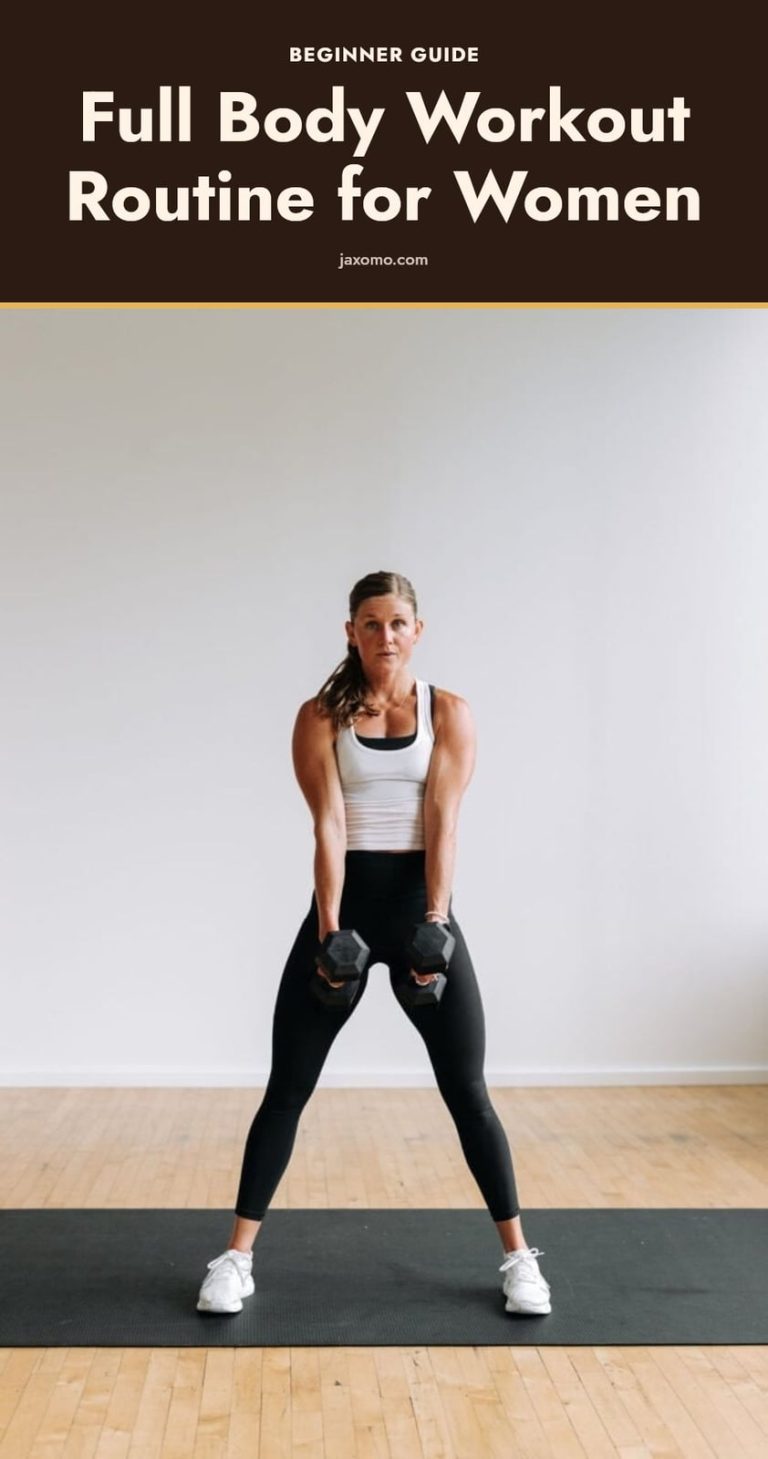
You want a workout that hits every major muscle group without spending hours at the gym. A full body routine is the answer: it combines compound moves like squats and presses into one efficient session, so you build strength and burn calories in 30-60 minutes. This article walks you through a complete workout you can do at home, including warm-up, exercises, cool-down, and a weekly schedule.
Key Takeaways
- Perform full body workouts 2-3 times per week with at least one rest day between sessions.
- Focus on compound exercises such as squats, push-ups, rows, and presses for maximum efficiency.
- Warm up with 5-10 minutes of light cardio and dynamic stretches before each workout.
- Cool down with 5-10 minutes of static stretches, holding each for 20-30 seconds.
- Gradually increase weight, reps, or sets over time to keep making progress.
What Is a Full Body Workout?
A full body workout targets all major muscle groups in a single session: chest, back, shoulders, arms, core, glutes, and legs. This approach is efficient for building strength and improving overall fitness, especially when you have limited time. It focuses on compound movements like squats and presses that engage multiple joints and muscles at once, giving you a comprehensive workout without spending hours at the gym.
1. Warm-Up: Dynamic Stretches
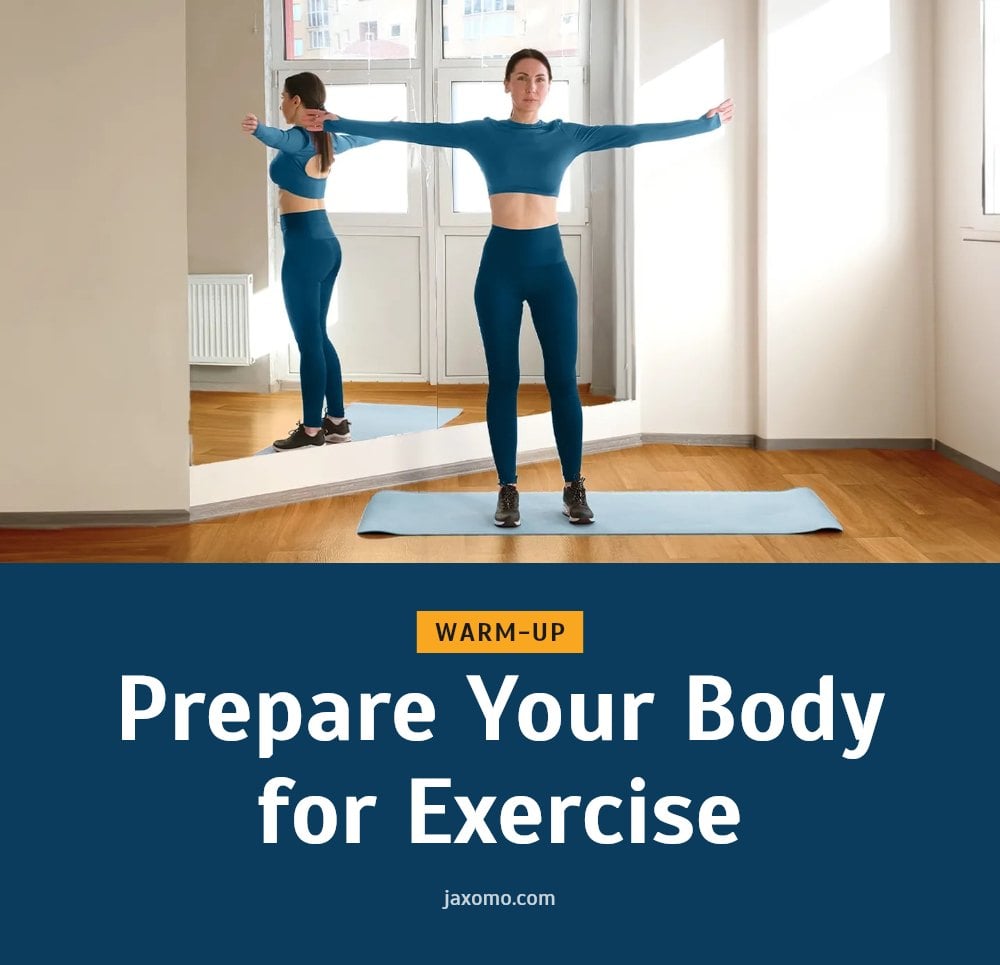
Start your workout with 5-10 minutes of light cardio to get your blood flowing. Do jumping jacks, high knees, or a brisk walk. Then move through dynamic stretches that take your joints through their full range of motion. Arm circles, leg swings, and torso twists are solid choices.
- Time: 5-10 minutes total
- Form cue: Keep all movements controlled and steady, never bouncy
- Make it easier or harder: Shorten or lengthen the warm-up based on how you feel; add more dynamic moves like walking lunges if you need extra hip mobility
2. Dumbbell Squats
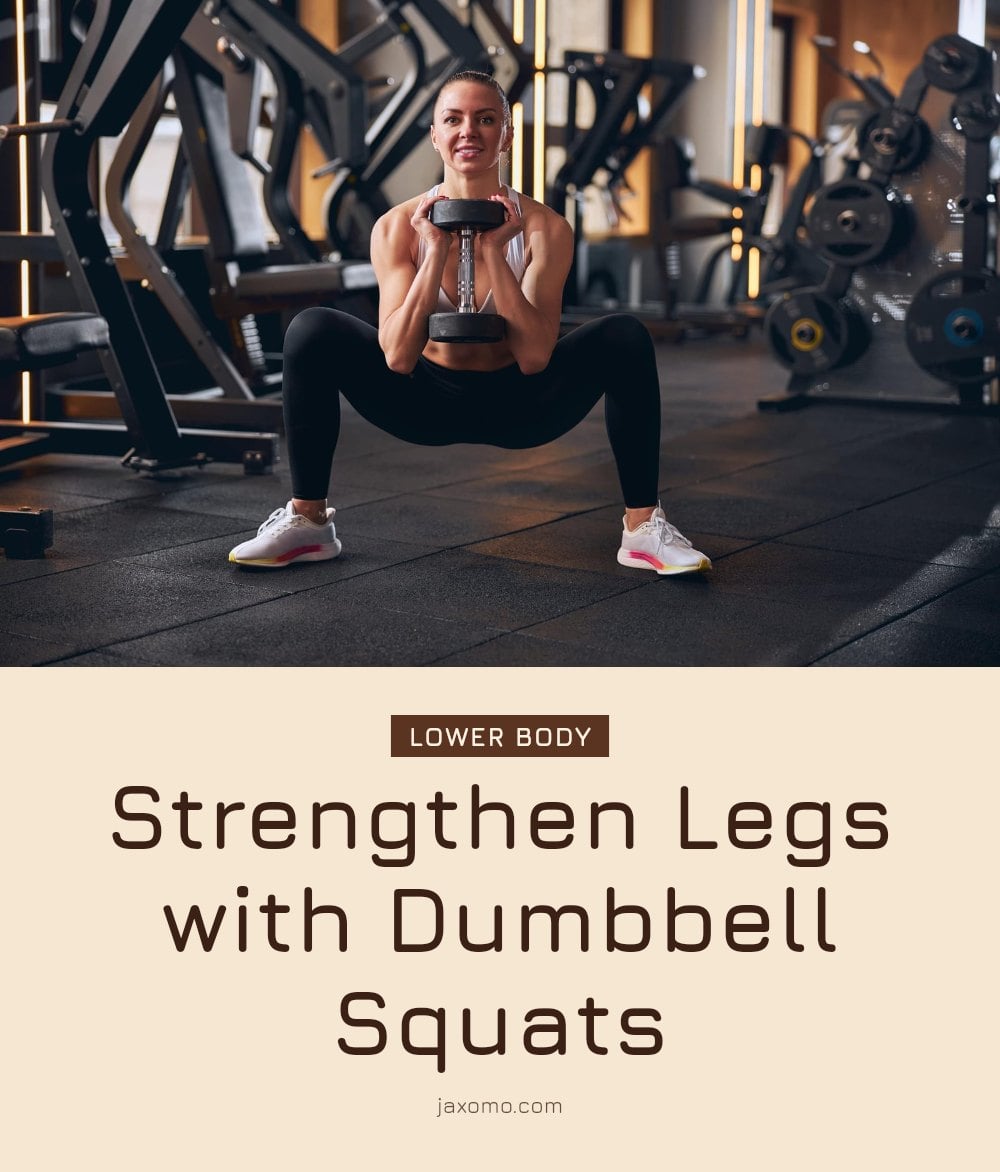
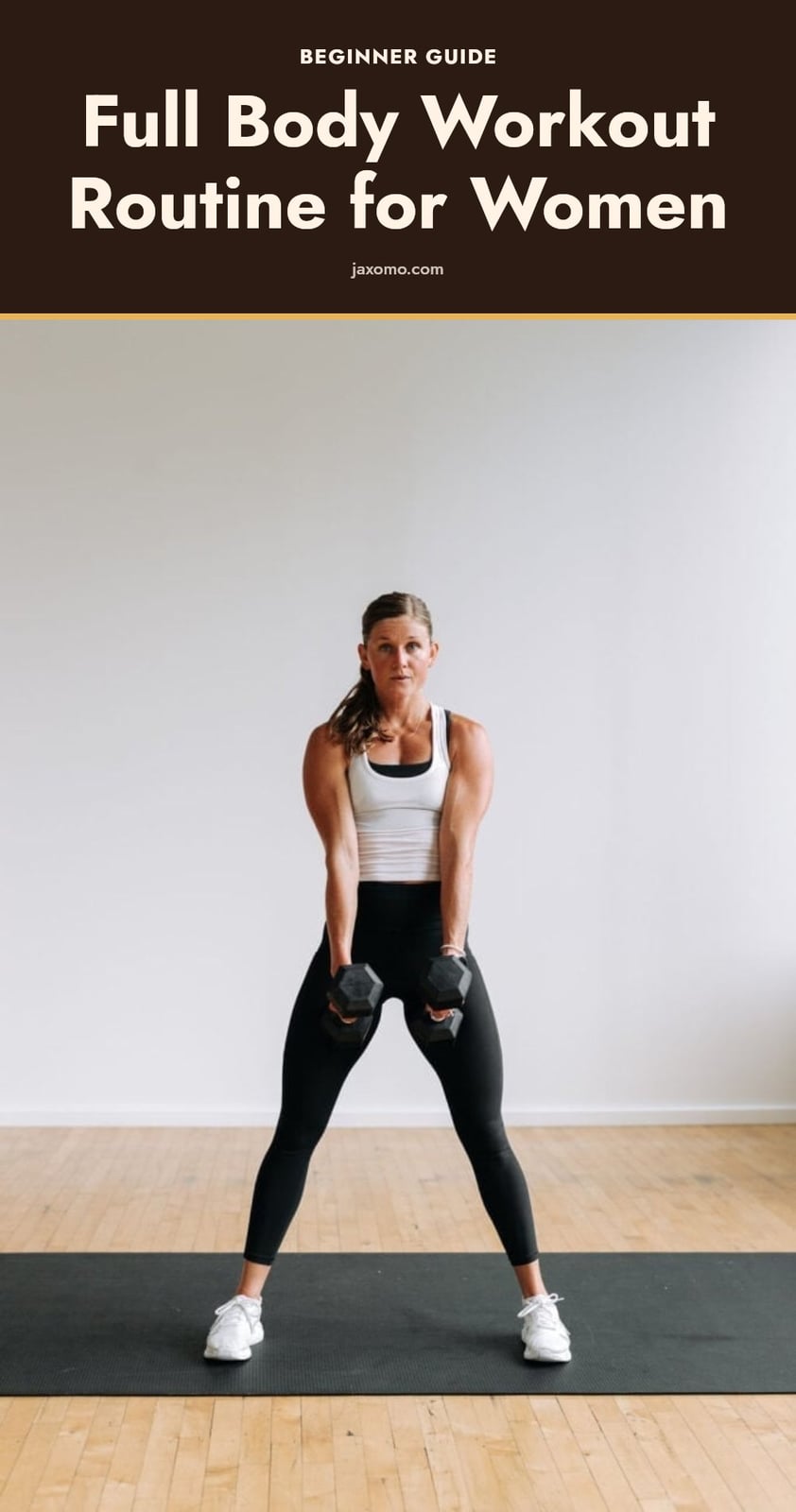
Hold a dumbbell in each hand with your feet shoulder-width apart. Lower your hips as if sitting in a chair, keeping your chest up and your back straight. Press through your heels to return to standing.
- Sets and reps: 3 sets of 8-12 reps
- Form cue: My tip: make sure your knees don’t cave inward as you lower
- Make it easier or harder: Use lighter dumbbells or no weight to dial in your form; go heavier or add a pause at the bottom for more challenge
3. Push-Ups (or Incline Push-Ups)
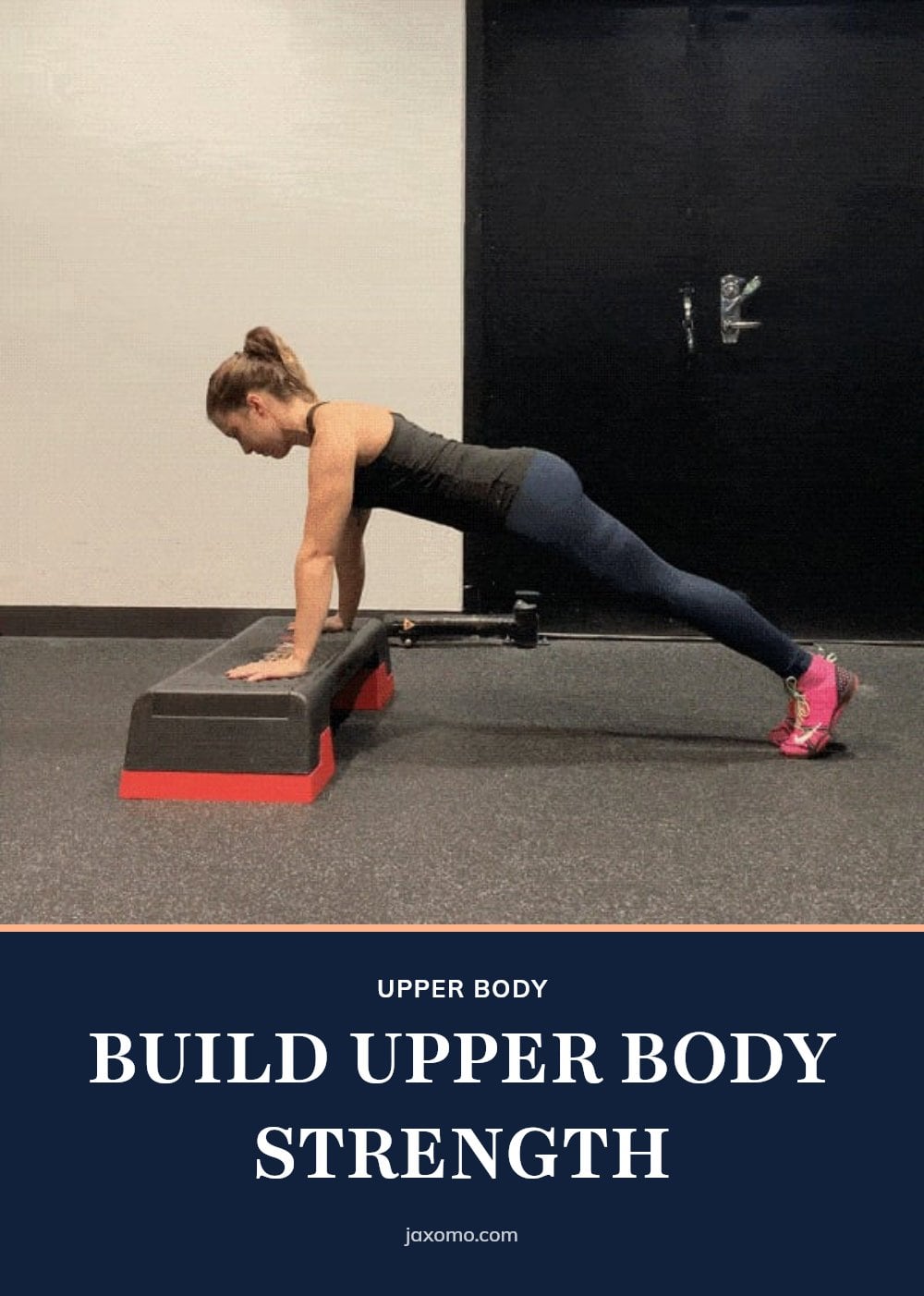
Start in a plank position with your hands slightly wider than shoulder-width. Lower your chest toward the floor, keeping your body in a straight line from head to heels. Press back up to the start.
- Sets and reps: 3 sets of 8-12 reps
- Form cue: Keep your core tight and elbows at about 45 degrees from your body
- Make it easier or harder: Elevate your hands on a bench or wall for incline push-ups; for a challenge, elevate your feet or add a weight plate on your back
4. Dumbbell Rows
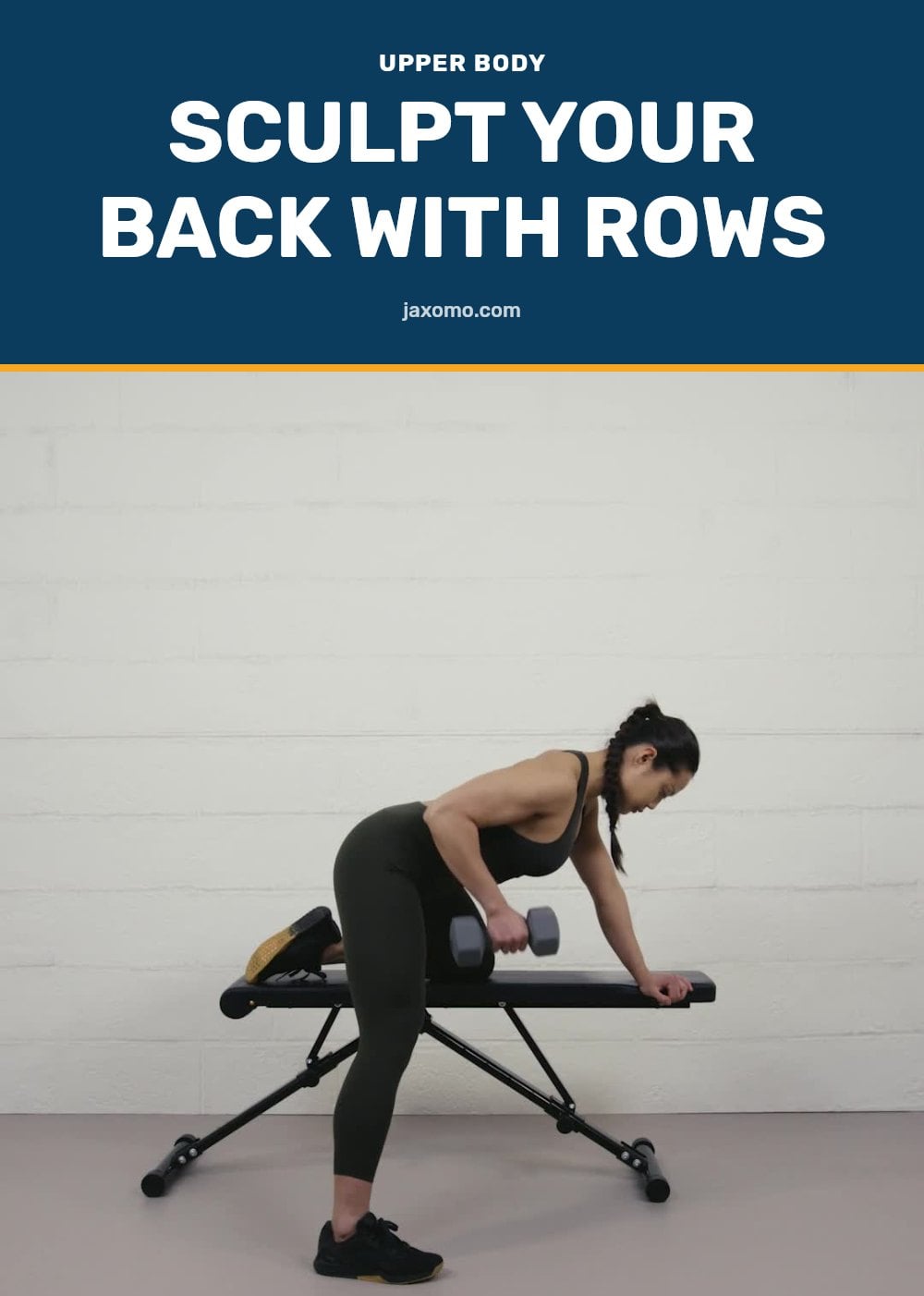
Hinge at your hips, keeping your back flat and a dumbbell in each hand. Pull the dumbbells toward your chest, squeezing your shoulder blades together at the top of the movement. Lower with control before starting the next rep.
- Sets and reps: 3 sets of 8-12 repetitions.
- Form cue: Keep your back neutral and your neck in line with your spine throughout.
- Make it easier or harder: Use lighter dumbbells or just bodyweight to master the hinge first. To increase difficulty, use heavier dumbbells or add a pause at the top.
My tip: Avoid shrugging your shoulders; focus on pulling with your back muscles, not your arms.
5. Overhead Press (Dumbbells)
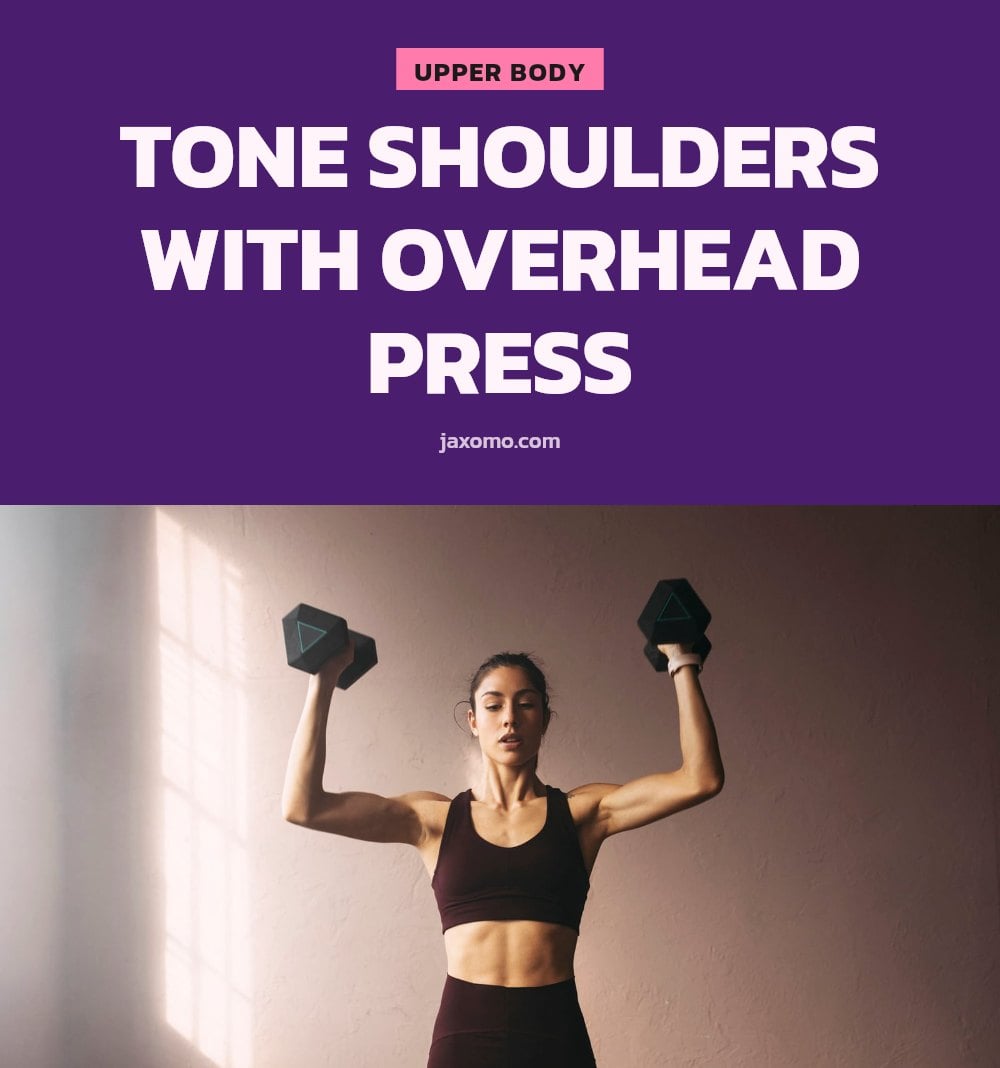
Stand with a dumbbell in each hand at shoulder height, palms facing forward. Press the dumbbells directly overhead until your arms are fully extended, then lower them back to shoulder height with control.
- Sets and reps: 3 sets of 8-12 repetitions.
- Form cue: Keep your core braced and your ribs pulled down to prevent arching your lower back.
- Make it easier or harder: Perform the exercise seated on a bench with back support, or use lighter weights. For more challenge, press one dumbbell at a time or increase the weight.
My tip: Engage your core to protect your lower back and prevent arching.
6. Lunges (Alternating Legs)

Step forward with one leg, lowering your hips until both knees are bent at a 90-degree angle. Your front knee should be directly over your ankle, and your back knee should hover just above the floor. Push through your front heel to return to standing, then repeat on the other leg.
- Sets and reps: 3 sets of 10-12 repetitions per leg (alternating).
- Form cue: Keep your torso upright and your shoulders stacked over your hips throughout the movement.
- Make it easier or harder: Start with bodyweight lunges or reduce the range of motion. To increase difficulty, hold dumbbells or try walking lunges.
Tip: Keep your torso upright and avoid leaning forward to protect your lower back and maintain balance.
7. Plank
Start in a push-up position, then lower onto your forearms. Keep your body in a straight line from head to heels, engaging your core, glutes, and quads. Hold this position without letting your hips sag or rise too high.
- Sets and reps: 3 sets of 30-60 seconds. To progress, increase hold time by 5-10 seconds each week.
- Form cue: Pull your belly button toward your spine and squeeze your glutes to maintain a neutral spine.
- Make it easier or harder: Drop to your knees for a modified plank, or hold for shorter intervals. For more challenge, lift one leg or one arm off the floor.
Good to know: Imagine pulling your belly button towards your spine for maximum core engagement.
8. Cool-Down: Static Stretches
Finish your workout with 5-10 minutes of static stretching. Hold each stretch for 20-30 seconds without bouncing. Focus on the major muscle groups you just worked: quads, hamstrings, glutes, chest, and back.
- Hamstring stretch: Sit on the floor with one leg extended, reach toward your toes.
- Quad stretch: Stand, pull one heel toward your glutes, keep knees together.
- Chest opener: Clasp hands behind your back, open your chest by lifting arms.
- Triceps stretch: Reach one arm overhead, bend the elbow, gently pull it with the other hand.
Essential Equipment for Your Full Body Workout
You don’t need a gym to get a great full body workout. Here’s the basic equipment that makes it possible at home.
- Dumbbells: The most versatile tool for strength training. Start with a moderate weight you can control through all reps.
- Resistance bands: Great for adding resistance to bodyweight moves or assisting with pull-ups. They pack easily and vary in tension.
- Exercise mat: Provides cushioning for floor exercises like planks, lunges, and stretches. Protects your joints and your floor.
- Weight bench: Optional, but helpful for seated overhead presses, dumbbell rows, and incline push-ups. A sturdy chair can work in a pinch.
Your Weekly Full Body Workout Schedule
Perform full body workouts 2-3 times per week with at least one rest day between sessions. This schedule allows your muscles to recover and grow. Adjust rest days based on your soreness and energy levels.
| Day | Activity | Notes |
|---|---|---|
| Monday | Full Body Workout | Complete all 6 exercises |
| Tuesday | Rest or Active Recovery | Walking, light yoga, stretching |
| Wednesday | Full Body Workout | Focus on form, increase weight if ready |
| Thursday | Rest | Let your body recover |
| Friday | Full Body Workout | Push for full effort |
| Saturday | Active Recovery | Gentle movement, foam rolling |
| Sunday | Rest | Listen to your body |
Consistency matters more than intensity. Noticeable strength and endurance gains often appear within 4-6 weeks of sticking to this schedule.
Frequently Asked Questions
How often should I do a full body workout?
Aim for 2-3 sessions per week with at least one full rest day between workouts. This frequency allows your muscles time to recover and adapt, which is key for building strength and preventing burnout.
Can I do full body workouts every day?
Performing full body workouts on consecutive days is not recommended because your muscles need recovery time. Working the same muscle groups daily can lead to overtraining, fatigue, and a higher risk of injury. Stick to 2-3 non-consecutive days per week.
What if I don’t have access to a gym?
You can do this full body routine at home with basic equipment like dumbbells, resistance bands, or even just your body weight. Exercises such as push-ups, lunges, and planks require no equipment, while dumbbell rows and overhead presses can be done with household items like water bottles if needed.
How long should a full body workout take?
A typical full body workout session lasts between 30 and 60 minutes, depending on the number of exercises, sets, and rest periods you include. A 45-minute session with 3 sets of each exercise and 60-90 seconds of rest between sets is a common and effective format.
Is a full body workout good for weight loss?
Yes, full body workouts can support weight loss because they engage multiple large muscle groups, which burns more calories per session than isolated exercises. Combined with a balanced diet and consistent routine, it can help create the calorie deficit needed for fat loss.
Final Thoughts
Stick with this routine 2-3 days a week, and expect to notice improvements in strength and endurance within about 4-6 weeks. My tip: choose a weight that challenges you on the last few reps of each set, but never at the cost of good form. Consistency matters more than perfection, so show up, move well, and let the results follow.
This information is for general fitness guidance only and is not a substitute for professional medical advice. Consult a healthcare provider before starting any new exercise program, especially if you have pre-existing health conditions or concerns. Listen to your body and stop immediately if you experience sharp pain.