Shaping Nails: How to Shape Your Nails at Home Like a Pro
Master the art of shaping nails at home with our easy guide. Learn essential tools and techniques to achieve salon-quality results and healthy, beautiful nails.

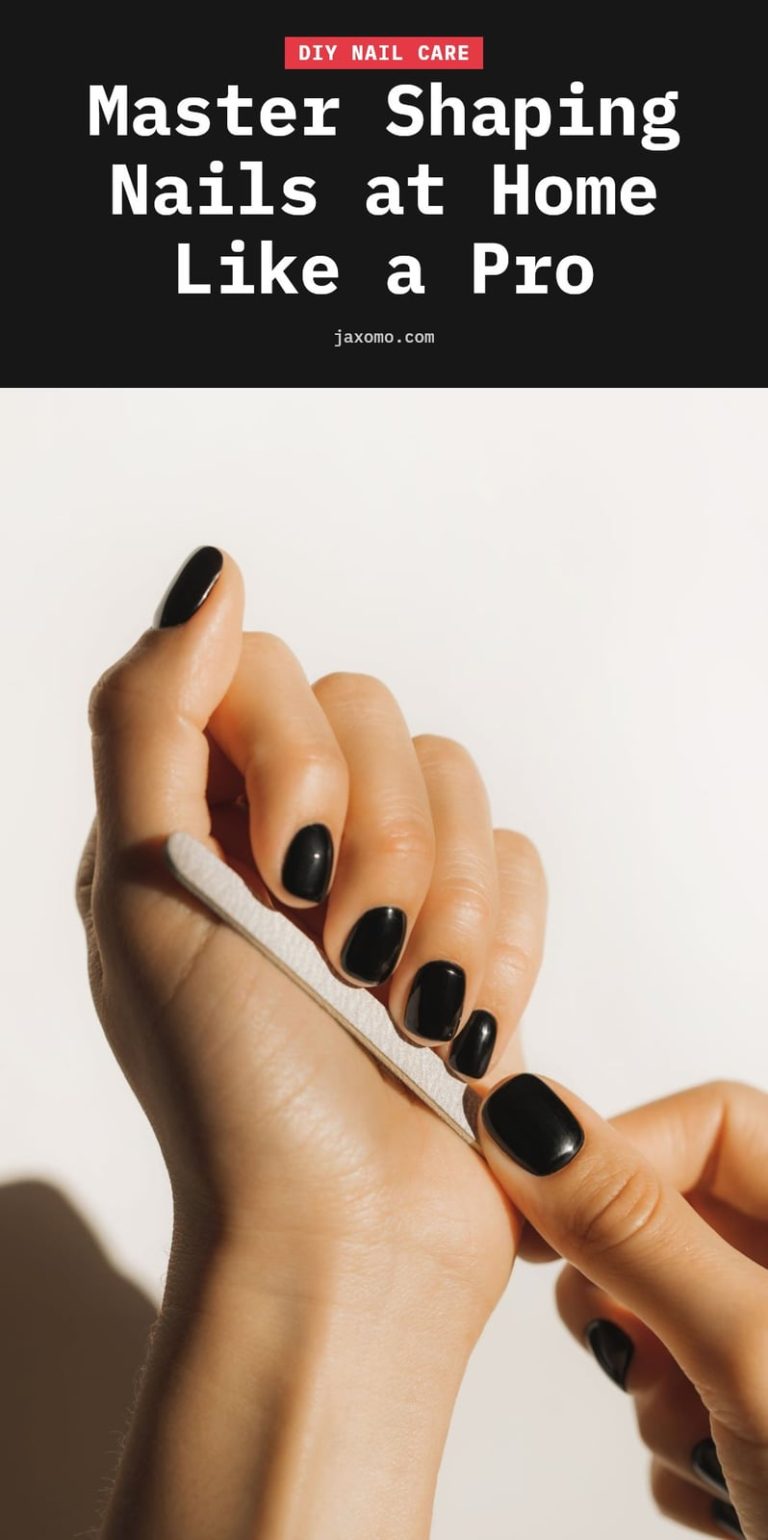
Whether you’re maintaining a classic shape or trying something new, shaping your nails at home can save you time and money. The key is using the right tools and technique to avoid breakage and keep your nails healthy. This guide walks you through the process step by step, from choosing a flattering shape to filing safely.
Key Takeaways
- Soak nails in warm water for 5-10 minutes before shaping to soften them.
- Always file in one direction, from the side to the center, to prevent splitting.
- Use a nail file with 180-240 grit for natural nails.
- Choose a shape that complements your finger length and nail bed.
- Maintain your shape by trimming and filing every 1-2 weeks.
How to Shape Your Nails at Home
Shaping your nails at home starts with cleaning and softening them, then choosing a shape that flatters your fingers. Use clean, sharp tools and always file in one direction, from the side to the center, to prevent splitting. Finish by gently pushing back cuticles and applying moisturizer for a polished, healthy look.
Essential Tools for At-Home Nail Shaping
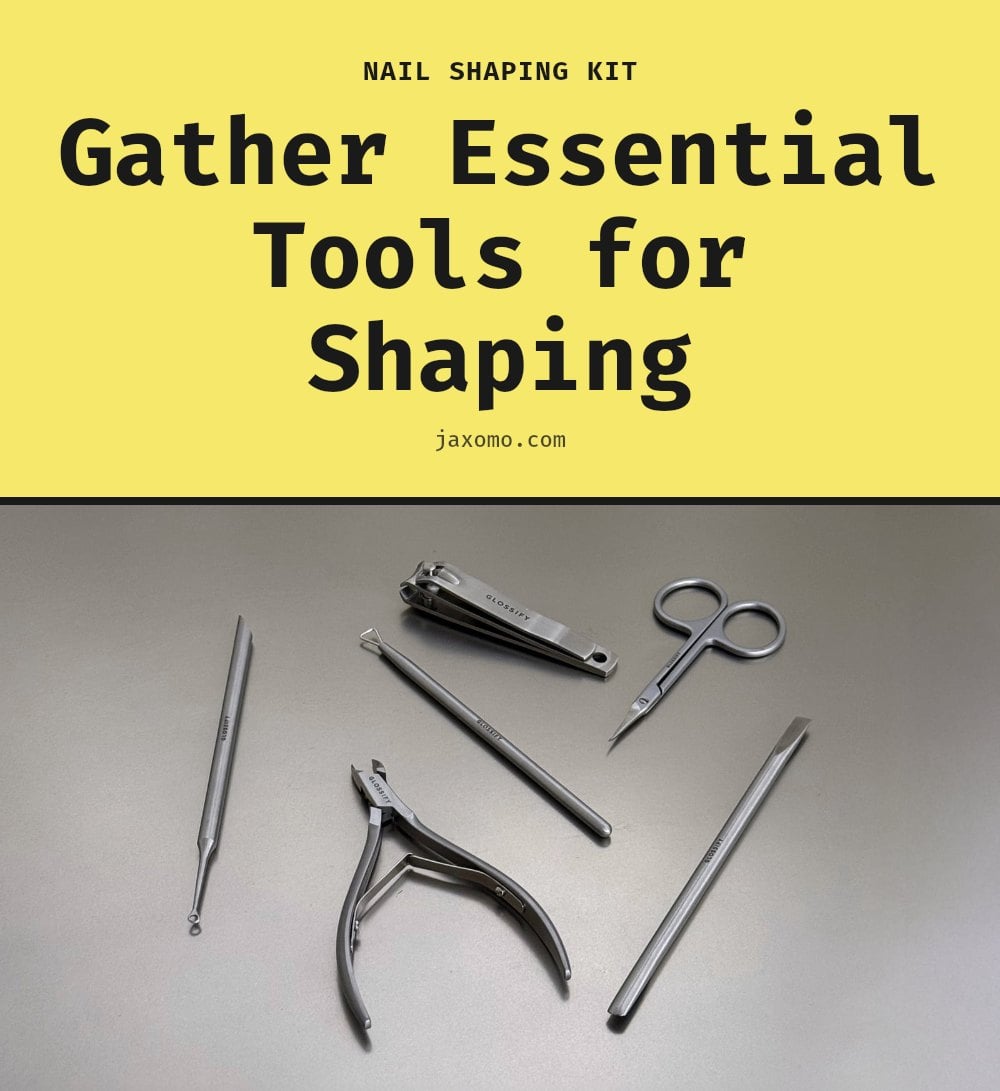
Gather these essentials before you start:
- Nail clippers: For removing significant length before filing.
- Nail file (180-240 grit): Ideal for natural nails; avoid metal files.
- Buffer: Smooths ridges and adds shine.
- Cuticle pusher: Wood or rubber, for gentle cuticle care.
- Small bowl with warm water and mild soap: For soaking nails to soften them.
- Cuticle oil and hand lotion: To hydrate and finish.
Make sure all tools are clean to prevent infections.
Step-by-Step: Achieve Your Desired Nail Shape
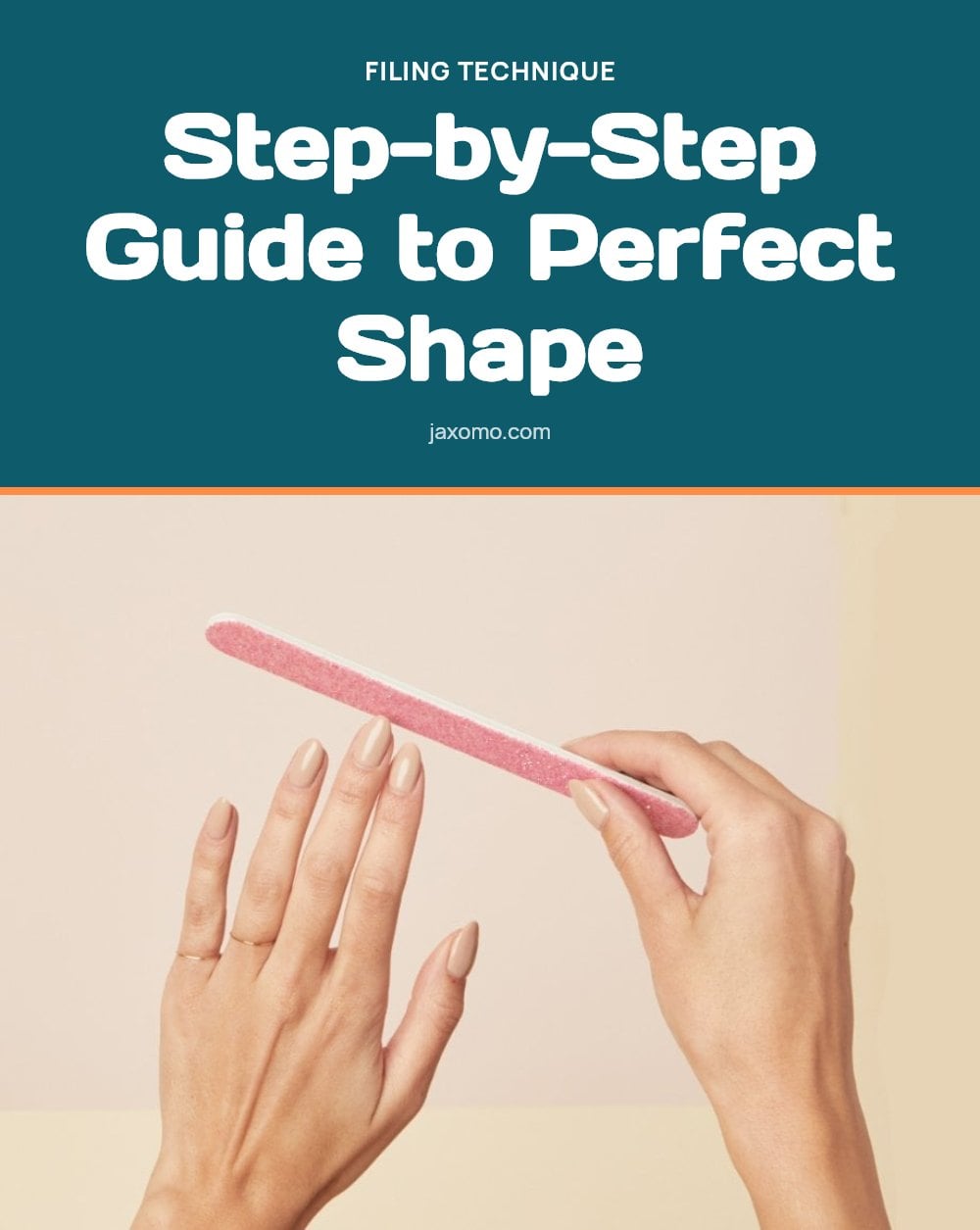
Follow these steps for a professional-looking shape at home.
- Clean and soak: Wash your hands, then soak nails in warm water for 5-10 minutes to soften them.
- Trim length: Use clippers to remove excess length, leaving a little extra to refine.
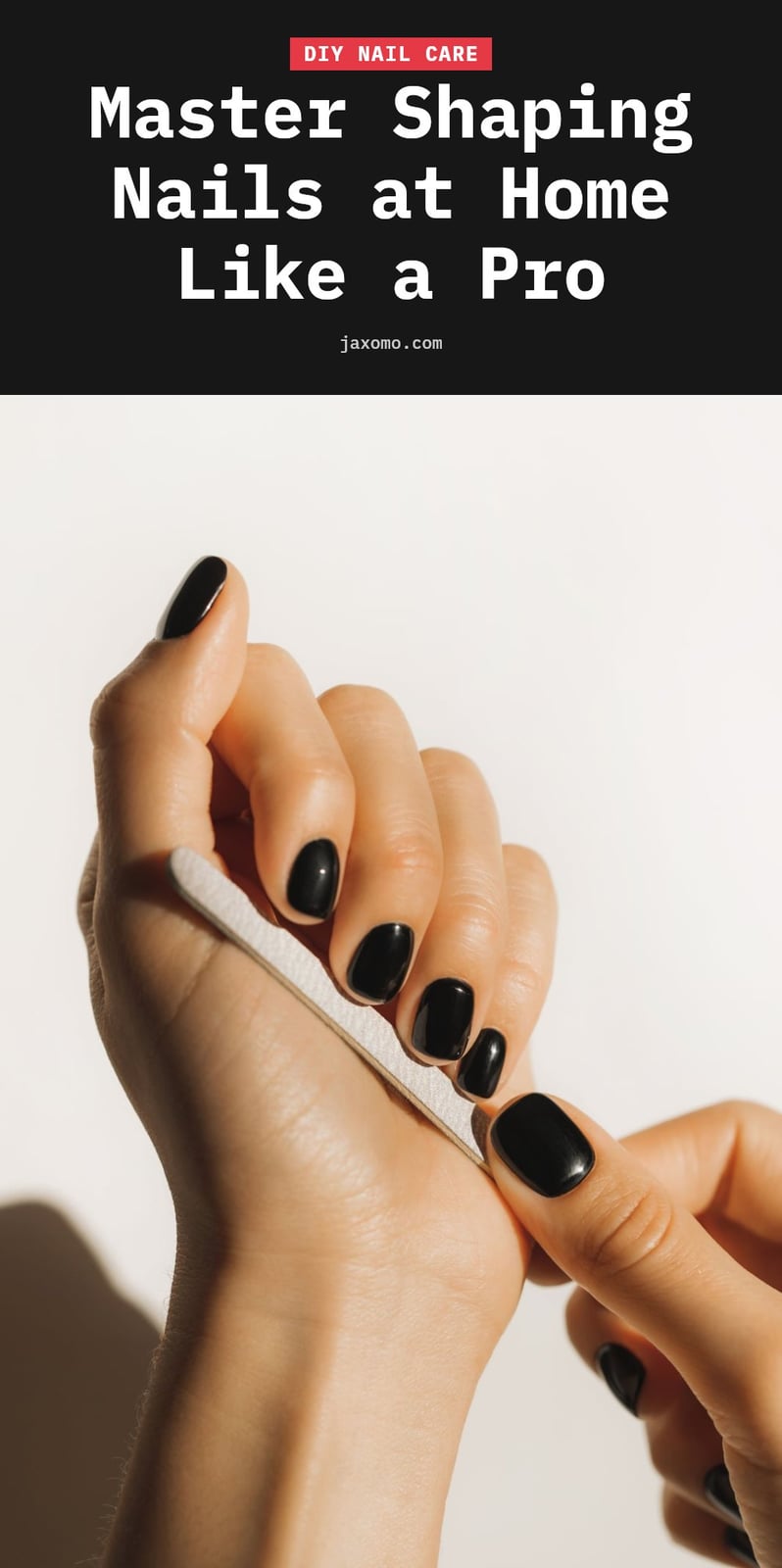
- File in one direction: Starting at the side, file toward the center in one direction. Never saw back and forth, as this frays the edge.
- Shape the free edge: File according to your chosen style. For round, follow the fingertip’s curve. For oval, taper sides toward the center. For square, file straight across. For almond, file sides to a tapered point. For squoval, file straight across then round the corners. For coffin, taper sides and flatten the tip.
- Push back cuticles: Gently push them back with a cuticle pusher, never cut them.
- Buff and moisturize: Use a buffer to smooth the surface, then apply cuticle oil and lotion.
Choosing the Best Nail Shape for You

Your nail shape should complement your finger length and nail bed. Here are the common options:
Square
File straight across for a strong, modern look. Best for long fingers.
Round
Follow the natural curve of your fingertip. Ideal for short nails and active hands.
Oval
File sides toward the center, creating a rounded tip. Flatters most nail beds.
Almond
Taper the sides to a point, resembling an almond. Suits long, slender fingers.
Squoval
Combine square edges with rounded corners. A popular choice for its balance of strength and softness.
Coffin/Ballerina
Taper the sides and flatten the tip, like a coffin. Requires longer nails.
Tip: If your nail beds are short, round or squoval shapes are more forgiving and less likely to break.
Common Nail Shaping Mistakes to Avoid
Filing dry nails: Shaping brittle nails can cause splits and breaks. Soak them in warm water for 5-10 minutes first so they are slightly soft.
Sawing back and forth: This motion frays the free edge and weakens the nail. Always file in one direction, from the side toward the center.
Cutting cuticles: Cutting them opens the door to infection. Gently push them back with a wood or rubber pusher instead.
Using the wrong grit: A file that is too coarse (under 180 grit) can damage natural nails. Stick to 180-240 grit for daily shaping.
Over-filing or shaping damaged nails: Filing too deep into the nail bed or over an infected nail can cause injury. Stop if you see redness, swelling, or feel pain.
Maintaining Your Beautifully Shaped Nails
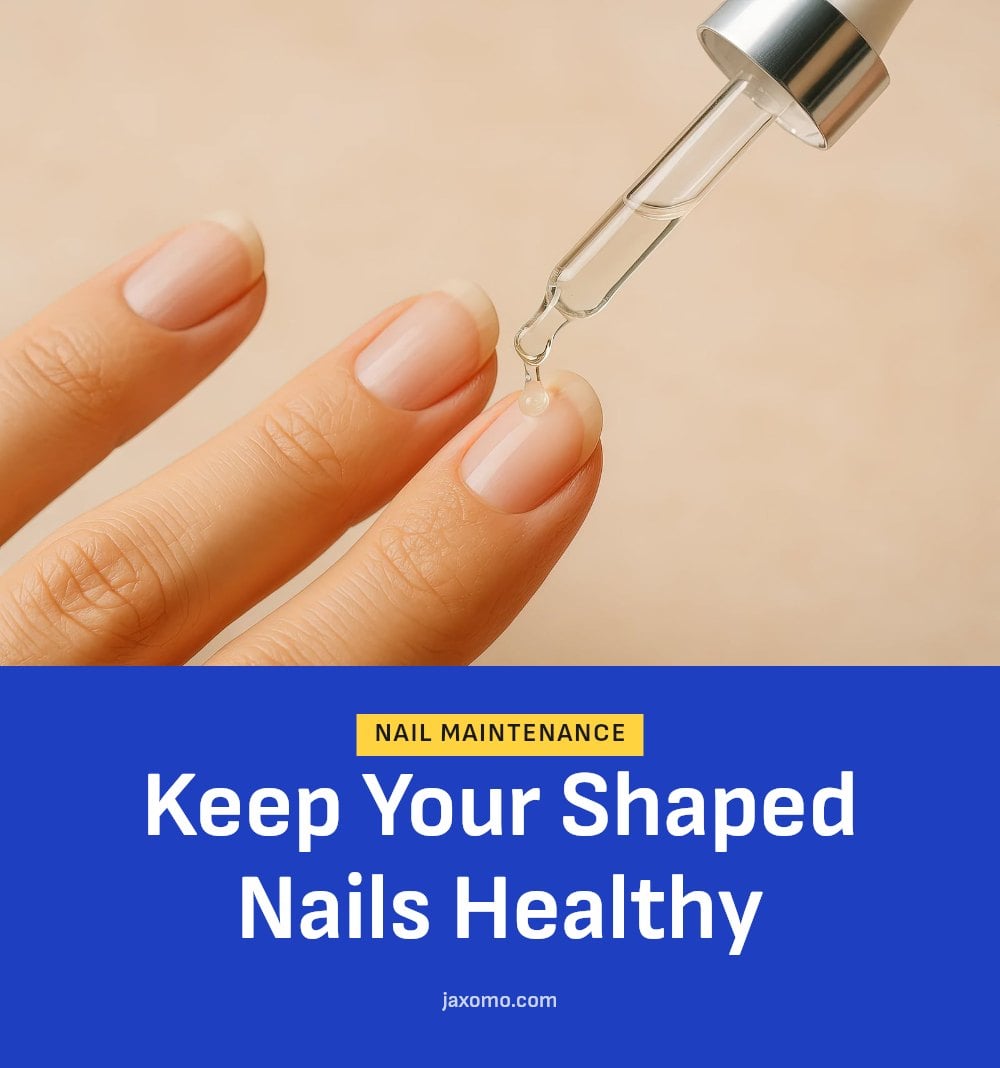
To keep your shape looking fresh, trim and file every 1-2 weeks. Apply cuticle oil daily to keep the nail bed soft and healthy, and follow with hand lotion to prevent dryness. For a smooth, shiny surface, use a nail buffer in gentle strokes across the nail plate. This routine helps your shape last longer and reduces the chance of snags.
When to Consult a Professional
If you feel pain or discomfort while shaping, stop immediately. See a professional if you notice redness, swelling, or pus around the nail, as these can be signs of infection. Avoid shaping over an injured nail bed. A healthcare provider can treat the issue safely and prevent it from worsening.
Frequently Asked Questions
How often should I shape my nails?
You should shape your nails every 1-2 weeks to maintain the desired length and shape. If your nails grow quickly or you notice rough edges sooner, you can touch up more frequently. Regular maintenance helps prevent breakage and keeps your nails looking neat.
What nail shape is best for short fingers?
Round or oval shapes are ideal for short fingers because they follow the natural curve of the fingertip and create an elongating effect. Avoid square shapes, which can make fingers appear shorter. Almond or squoval shapes can also work if you have a bit of length.
Can I use nail clippers for shaping?
Yes, nail clippers are best for removing significant length before you refine the shape with a file. Use them to trim the free edge to a manageable length, then follow up with a file to shape the sides and tip. This saves time and reduces the risk of over-filing.
Why do my nails keep splitting after I file them?
Splitting often happens when you file nails when they are too dry or brittle, or when you use a back-and-forth sawing motion. Always soak your nails in warm water for 5-10 minutes first, and file in one direction from the side to the center. Using a file with 180-240 grit also helps.
Is it better to file nails wet or dry?
It is better to file nails when they are slightly soft, such as after soaking in warm water for 5-10 minutes. Filing completely dry and brittle nails can cause splits and breakage. Avoid filing wet nails right out of the shower, as they can be too soft and prone to tearing.
Final Thoughts
For the best results, pick a shape that suits your hands and stick to a regular maintenance routine every 1-2 weeks. Expect that your nails will look polished and feel stronger when you file in one direction and keep them moisturized. With a little practice, you can achieve a salon-quality shape at home.