Wrinkles: 10 Simple Habits to Smooth and Prevent Fine Lines
Learn 10 simple, effective habits to smooth existing fine lines and prevent new wrinkles. Discover proven skincare and lifestyle tips for youthful skin.

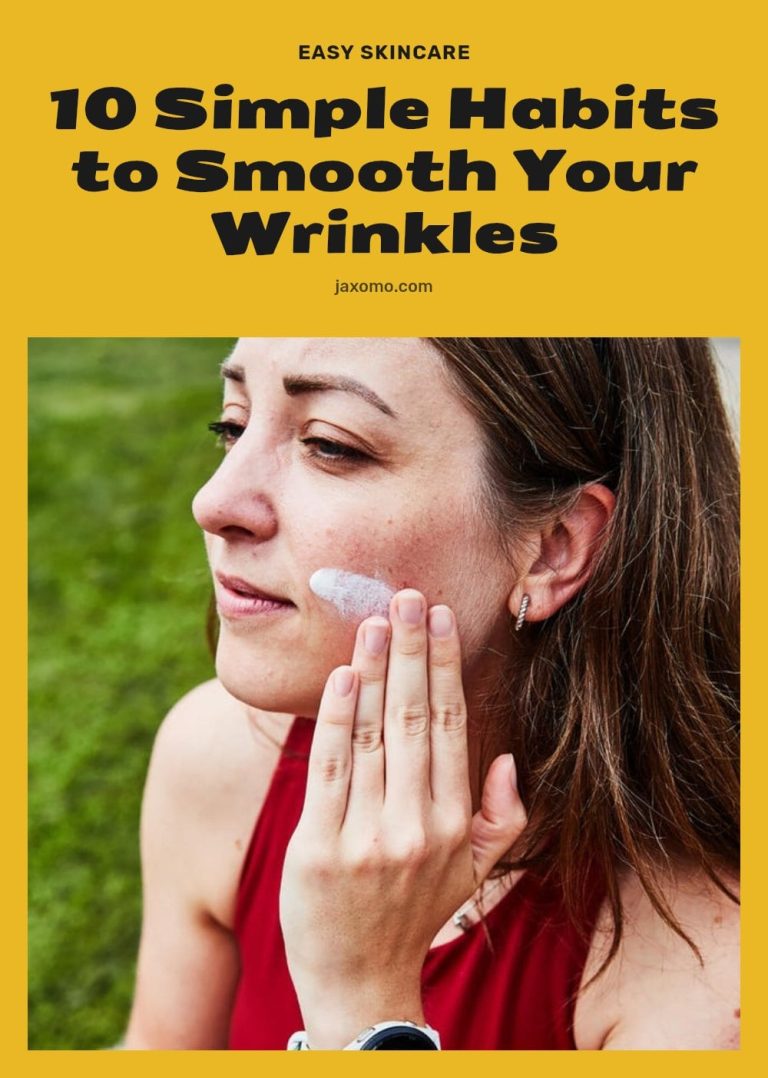
You’ve probably started noticing a few fine lines around your eyes or mouth, and you’re wondering what actually works to smooth them out. The truth is, wrinkles are a natural part of aging, but your daily habits play a huge role in how quickly they appear and how visible they become. In this article, I’ll walk you through ten simple, science-backed habits that can help prevent new wrinkles and soften the ones you already have, from sunscreen to sleep to the right skincare ingredients.
Key Takeaways
- Apply broad-spectrum sunscreen with SPF 30 or higher every day, even on cloudy days.
- Moisturize twice daily to keep your skin’s hydration barrier strong.
- Start retinoids or bakuchiol slowly, using a pea-sized amount at night.
- Get 7-9 hours of sleep nightly to support your skin’s repair process.
- Expect visible improvements in fine lines within 3 to 6 months of consistent care.
What Causes Wrinkles and How Can I Reduce Them?
Wrinkles are a natural part of aging, and they form when collagen and elastin, the proteins that keep skin firm and springy, break down over time. The main culprits are sun exposure, genetics, and repetitive facial movements like squinting or frowning. You can’t erase wrinkles completely, but you can do a lot to prevent new ones and soften existing lines. The key is a consistent routine that protects your skin from UV damage, keeps it hydrated, and supports its natural collagen production.
1. Protect Your Skin from the Sun

UV radiation is the number one cause of premature skin aging. It’s often called photoaging for a reason. Sun damage breaks down collagen and elastin faster than anything else.
- Wear sunscreen every single day: Choose a broad-spectrum formula with SPF 30 or higher, and apply it even when it’s cloudy or you’re staying indoors near windows. UV rays penetrate glass.
- Add physical barriers: Sunglasses and a wide-brimmed hat do double duty. They block UV rays and also stop you from squinting, which prevents those lines around your eyes.
2. Moisturize Daily, Morning and Night
Dehydration doesn’t cause permanent wrinkles, but it does make fine lines stand out more. When your skin is dry, it looks crepey and less plump. Moisturizing twice a day, morning and night, helps maintain your skin’s hydration barrier and plumps up skin cells, making lines less visible.
- Look for humectants like hyaluronic acid: These draw water into the skin.
- Pair with emollients: Ingredients like squalane or ceramides seal that moisture in so it stays.
3. Embrace Retinoids or Bakuchiol

Retinoids, vitamin A derivatives, are one of the most effective topical ingredients for reducing wrinkles. They work by speeding up cell turnover and stimulating collagen production. If your skin is sensitive, bakuchiol is a gentler plant-based alternative with similar benefits.
- Start slow: Apply a pea-sized amount to clean, dry skin two or three nights a week, then gradually increase frequency as your skin adjusts.
- Use only at night: Retinoids break down in sunlight.
Caution: Retinoids can cause initial dryness, redness, and peeling. They also increase your skin’s sensitivity to the sun, so never skip your morning sunscreen while using them.
4. Boost with Vitamin C and Antioxidants
Free radicals from pollution, UV rays, and daily stress attack your skin cells and speed up aging. That’s where antioxidants come in. Vitamin C is a powerhouse: it neutralizes those free radicals, brightens your complexion, and helps stimulate collagen production. I add a Vitamin C serum every morning right after cleansing and before moisturizer. Look for serums with vitamin E or ferulic acid too. They boost the protective effect. Other antioxidant-rich options like green tea or niacinamide serums can round out your routine and shield your skin from environmental damage.
5. Prioritize Quality Sleep
Your skin does its main repair work while you sleep. During deep sleep, cell turnover increases and your body produces growth hormone, which helps rebuild collagen and elastin. Aim for 7-9 hours of quality sleep each night so this process has time to happen. My tip: Sleeping on your back can also help prevent ‘sleep wrinkles’ caused by facial compression against a pillow. A silk or satin pillowcase reduces friction even further.
6. Nourish Your Skin from Within

What you eat directly affects your skin’s ability to repair and protect itself. A diet rich in colorful fruits, leafy greens, nuts, and healthy fats provides the antioxidants and nutrients your skin needs to fight free radical damage. Berries, spinach, walnuts, and avocados are great choices. Hydration matters too, drink water throughout the day so your skin cells stay plump and fine lines look softer. Your skin will show the difference.
7. Quit Smoking and Avoid Secondhand Smoke
Smoking constricts blood vessels, which starves your skin of oxygen and nutrients. It also directly damages collagen and elastin, leading to deep wrinkles and a dull complexion. Quitting is one of the most powerful things you can do for your skin. Avoid secondhand smoke too, the same toxins reach your skin and accelerate aging. Your skin will start to repair itself as soon as you stop.
8. Cleanse and Exfoliate Gently

Cleanse your face gently twice a day to remove makeup, oil, and debris without stripping your skin’s natural protective barrier. Harsh scrubbing or foaming cleansers with sulfates can leave skin tight and irritated, which actually makes fine lines more noticeable. Caution: Don’t over-exfoliate. Exfoliating 1-3 times a week helps slough off dead skin cells for a smoother texture and better product absorption, but doing it daily can damage your barrier. Stick to a gentle chemical exfoliant (like lactic acid) or a soft physical scrub, and always follow with moisturizer.
9. Manage Stress and Facial Expressions
Repetitive facial expressions like squinting, frowning, or raising your eyebrows create dynamic wrinkles that eventually become permanent static lines. You can’t stop expressing yourself, but being mindful of habitual tension helps. My tip: Wear sunglasses outdoors to reduce squinting in bright light, which directly prevents lines around your eyes. Also, try relaxing your face during the day: unclench your jaw and soften your brow. Small habits add up over time.
10. Be Consistent and Patient
Expecting immediate results from anti-aging products is one of the most common mistakes. Retinoids, vitamin C, and moisturizers all need consistent use over months to show real change. Noticeable improvements in skin texture and fine lines typically appear within 3 to 6 months, with continued benefits after that. Tip: Stick with your routine for at least three months before deciding if it’s working. Patience and consistency matter more than any single product.
When to Consult a Dermatologist
If you experience severe irritation, burning, or allergic reactions to any product, stop using it immediately and consult a dermatologist. For deep wrinkles that bother you and don’t respond to over-the-counter methods, a dermatologist can discuss professional treatments like prescription retinoids, chemical peels, or microneedling. Always seek medical advice for any new or concerning skin changes. Your health comes first.
Frequently Asked Questions
How quickly can I see results from anti-aging products?
Most anti-aging products, especially retinoids and vitamin C, need consistent use for at least three to six months before you notice a real difference in fine lines and skin texture. Some people see a subtle glow sooner, but lasting changes take time. Patience is key, and don’t expect overnight results.
Can drinking more water really reduce wrinkles?
Drinking water keeps your body and skin hydrated, which can make fine lines look less noticeable, especially if you’re dehydrated. However, water alone won’t prevent or erase wrinkles, because wrinkles are mainly caused by sun damage, collagen loss, and facial movements. It’s one piece of the puzzle, not a cure.
Is it possible to completely get rid of wrinkles?
No, wrinkles are a natural part of aging, and no product or lifestyle change can completely erase them. You can reduce their appearance, soften fine lines, and prevent new ones with consistent care like sunscreen, moisturizing, and retinoids. For deeper wrinkles, professional treatments may help, but they still won’t make skin perfectly smooth forever.
What’s the difference between fine lines and deep wrinkles?
Fine lines are shallow, often appearing around the eyes and mouth, and they’re usually the first signs of aging. Deep wrinkles are more pronounced, and they form when fine lines become permanent due to repeated facial movements and collagen loss over time. The same habits that prevent fine lines can also help soften deep ones, though deep wrinkles may need professional help.
Do facial exercises help prevent wrinkles?
There’s no strong evidence that facial exercises prevent wrinkles, and some experts worry that repetitive movements could actually make lines worse over time. Since wrinkles are linked to facial expressions, adding more movement might not help. Instead, focus on proven methods like sunscreen, moisturizing, and retinoids to protect your skin.
Final Thoughts
My biggest tip is to build a simple routine you can stick with: sunscreen every morning, moisturizer morning and night, and a retinoid or bakuchiol a few nights a week. Consistency matters far more than any single miracle product. Give it at least three to six months before judging results, because that’s how long your skin needs to show real change. And if deep wrinkles bother you or you have any reactions, a dermatologist can guide you toward stronger options. Start today, and your future skin will thank you.
This article is for general information only and is not medical or professional skincare advice. Everyone’s skin is different, and what works for one person may not work for another. If you have persistent skin concerns, severe irritation, or deep wrinkles that bother you, please consult a dermatologist or qualified skincare professional.