Hygiene Checklist: Daily Habits to Feel Clean and Fresh
Follow this daily hygiene checklist to maintain personal cleanliness, prevent illness, and feel your best. Learn essential habits for a healthy lifestyle.

You probably already know that good hygiene is important, but it’s easy to overlook a few daily habits that make a real difference. The truth is, a consistent routine doesn’t have to be complicated. It’s about the small, simple steps you take every day to protect your health and feel fresh. This article covers the essential practices for personal cleanliness, home sanitation, and food safety, so you can build a routine that works for you.
Key Takeaways
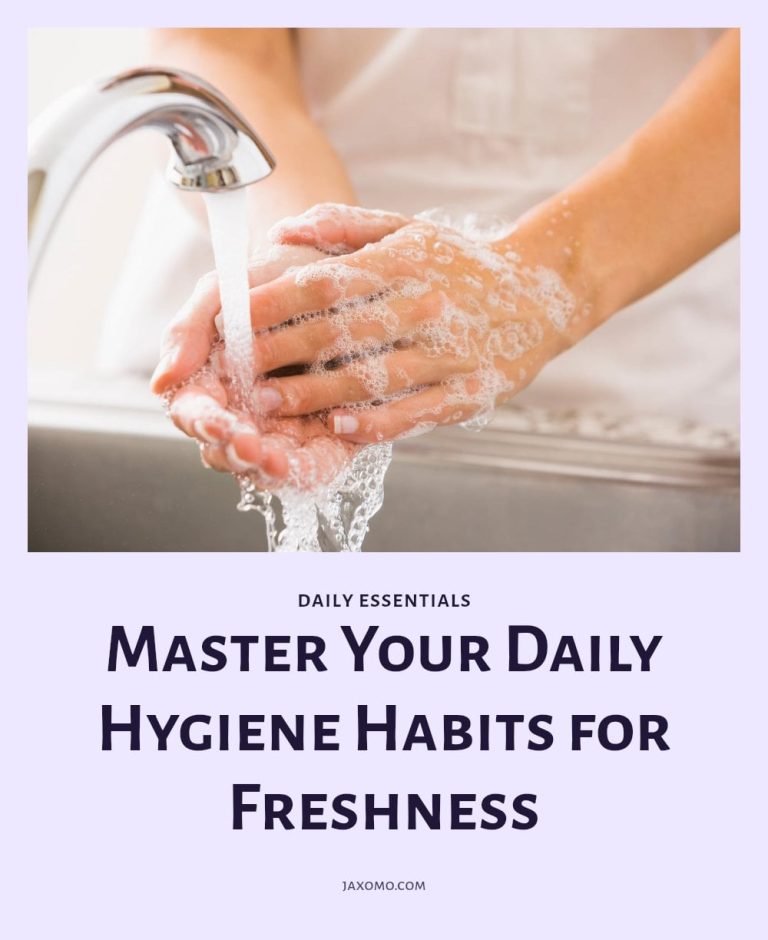
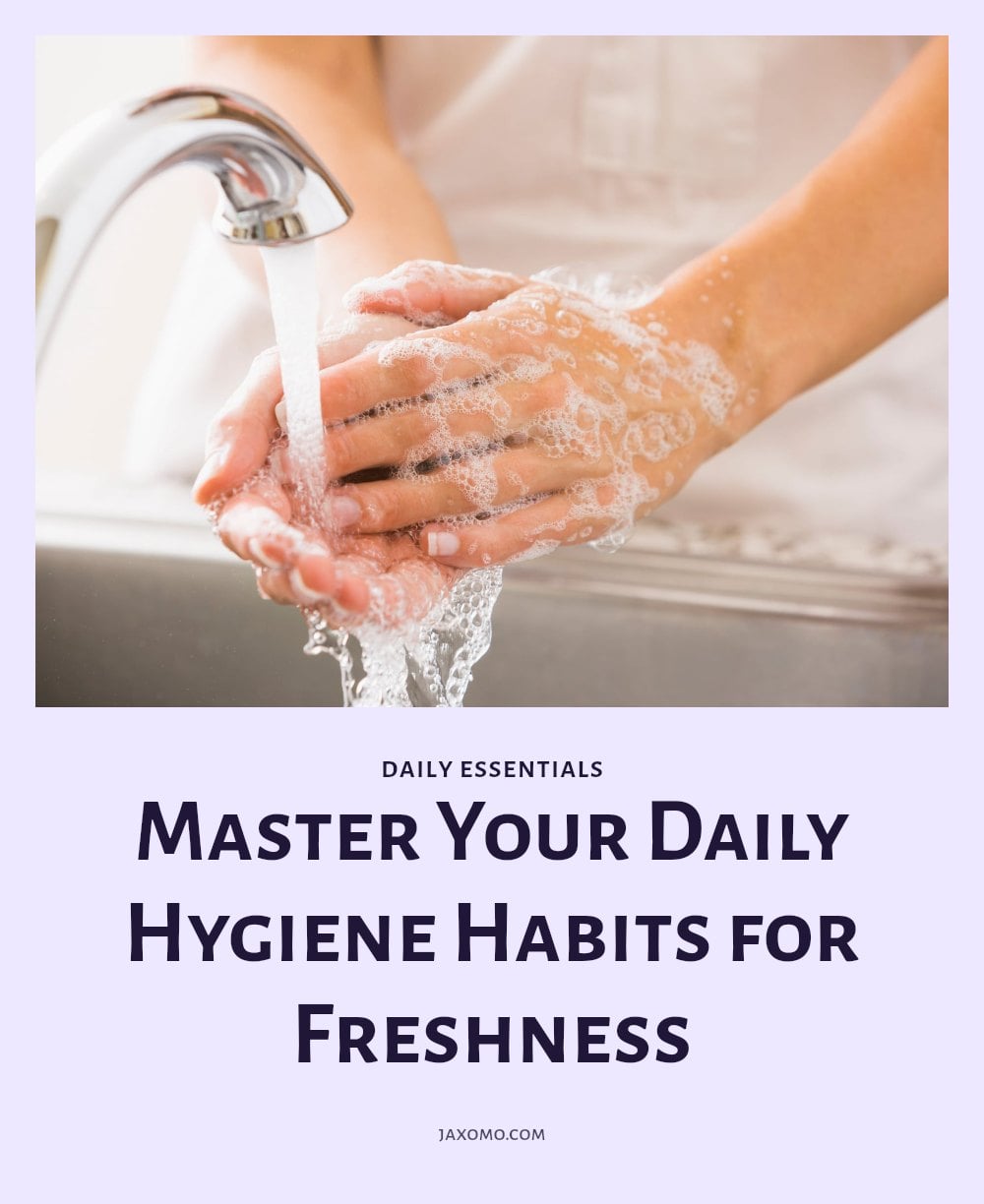
- Wash your hands with soap and water for at least 20 seconds to prevent germ spread.
- Shower or bathe daily to remove dirt, sweat, and dead skin cells.
- Brush your teeth twice a day for two minutes with fluoride toothpaste.
- Change into clean clothes, especially underwear and socks, every day.
- Disinfect high-touch surfaces like doorknobs and phones regularly.
What is Hygiene and Why Does it Matter?
Hygiene is the set of practices that help maintain health and prevent the spread of disease. It covers personal cleanliness, home sanitation, and food safety. A consistent hygiene routine matters for physical health, personal comfort, and social interactions. When you keep yourself and your surroundings clean, you reduce the risk of infections and feel more confident in daily life.
Your Daily Personal Hygiene Essentials

These daily habits keep your body clean and fresh. Stick to them consistently, and they become second nature.
- Shower or bathe daily with soap and water.
- Wash your hands for at least 20 seconds.
- Use soap on your hands every time.
- Brush your teeth twice a day for two minutes.
- Floss daily to remove plaque between teeth.
- Wash your hair regularly based on your hair type.
- Use deodorant or antiperspirant to manage body odor.
- Change into clean clothes every day.
- Put on fresh underwear and socks daily.
- Dry yourself thoroughly after bathing.
- Clean under your fingernails when washing hands.
- Use a clean towel each time you dry off.
- Wash your face with a gentle cleanser.
- Rinse your mouth after meals if you can.
- Replace your toothbrush every three months.
Maintaining a Clean and Healthy Home Environment

A clean home reduces germs and keeps your family healthier. Focus on high-touch spots and items you handle daily.
- Wipe down doorknobs and light switches weekly.
- Disinfect your phone with a wipe daily.
- Clean your keys with a disinfectant wipe.
- Wash reusable bags regularly.
- Sanitize countertops after food prep.
- Clean your shower curtain or liner monthly.
- Machine wash bath mats weekly.
- Vacuum floors at least once a week.
- Mop hard floors with a cleaner.
- Dust surfaces to reduce allergens.
- Clean remote controls and keyboards.
- Wash bedding every one to two weeks.
- Empty trash bins regularly.
- Air out rooms by opening windows.
- Declutter spaces to make cleaning easier.
Food Safety and Kitchen Hygiene Habits

Safe food handling prevents illness. Keep your kitchen clean and follow these habits every time you cook or eat.
- Wash your hands before touching food.
- Wash fruits and vegetables under running water.
- Cook meat to safe temperatures using a thermometer.
- Keep raw meat separate from other foods.
- Use different cutting boards for raw meat and produce.
- Refrigerate leftovers within two hours.
- Don’t leave food out for extended periods.
- Clean kitchen sponges in the dishwasher or microwave.
- Replace sponges every few weeks.
- Wash dishcloths often in hot water.
- Sanitize sink and faucet regularly.
- Wipe down fridge handles and cabinet pulls.
- Thaw frozen food in the fridge, not on the counter.
- Check expiration dates on perishables.
- Keep your fridge at or below 40°F.
Beyond the Basics: Other Important Hygiene Practices
A few extra habits round out a solid hygiene routine and target areas people sometimes overlook.
- Trim your nails: Keep them short so dirt and germs can’t hide underneath.
- Clean under nails: Use a nail brush during handwashing to remove trapped debris.
- Cough into your elbow: Cover your mouth and nose with your arm, not your hand.
- Sneeze into a tissue: Use it once, then throw it away and wash your hands.
- Don’t share toothbrushes: Germs and bacteria transfer easily between mouths.
- Don’t share towels: Moist towels can host bacteria and fungi.
- Don’t share razors: Sharing increases the risk of skin infections and nicks.
- Don’t share earbuds or headphones: They can transfer earwax and bacteria.
- Wash your hands after touching animals: Pets can carry germs you can’t see.
- Keep your hairbrush clean: Remove hair and wash the brush weekly with shampoo.
- Change your pillowcases weekly: Oil, sweat, and dead skin build up fast.
- Wash reusable water bottles daily: Bacteria thrive in moist, enclosed spaces.
- Disinfect your phone weekly: It touches your face and hands all day.
- Clean your keys and wallet: These travel everywhere and rarely get wiped down.
- Keep your gym bag dry: Let it air out after each use to prevent mildew.
Frequently Asked Questions
What is the most important hygiene practice?
Handwashing with soap and water for at least 20 seconds is widely considered the most effective single practice for preventing the spread of germs. It’s especially important before eating, after using the restroom, and after coughing or sneezing. While all hygiene practices matter, this one has the biggest impact on stopping illness.
How often should I shower or bathe?
Most people benefit from showering or bathing daily with soap and water to remove dirt, sweat, and dead skin cells. However, your skin type and activity level can affect how often you need to wash. If you have very dry or sensitive skin, you might shower every other day and focus on key areas in between.
Can poor hygiene affect my social life?
Yes, poor hygiene can impact social interactions because body odor, bad breath, or unkempt appearance may make others uncomfortable. Good hygiene helps you feel confident and approachable. It’s not about perfection, but consistent daily habits go a long way in how you present yourself to the world.
Are there different types of hygiene?
Yes, hygiene covers several areas: personal hygiene (bathing, handwashing, oral care), home hygiene (cleaning surfaces and laundry), food hygiene (safe handling and cooking), and sometimes social hygiene (covering coughs and sneezes). Each type works together to maintain health and prevent the spread of germs.
How do I maintain good hygiene when traveling?
Pack travel-sized essentials like soap, hand sanitizer, a toothbrush, and deodorant. Wash your hands frequently, especially before meals. Use disinfectant wipes for high-touch surfaces on planes and in hotels. Stick to your daily routine as much as possible, even if you have to adjust timing or use portable products.
Final Thoughts
My tip: Start with the non-negotiables, handwashing, daily bathing, and brushing your teeth, and build from there. You don’t need to do everything at once, but consistency is key. Expect these habits to become second nature within a few weeks if you stick with them. A solid hygiene routine is one of the simplest ways to protect your health and feel your best every day.
This article is for general informational purposes only and does not constitute medical or professional advice. Individual needs may vary. If you experience persistent skin irritation, unusual body odor, or other health concerns despite good hygiene, consult a healthcare provider or dermatologist.