What Is a High Protein Diet and How Do You Start It
Learn what a high protein diet is and how it can support weight loss and muscle building. Discover essential foods and tips for starting safely and effectively.

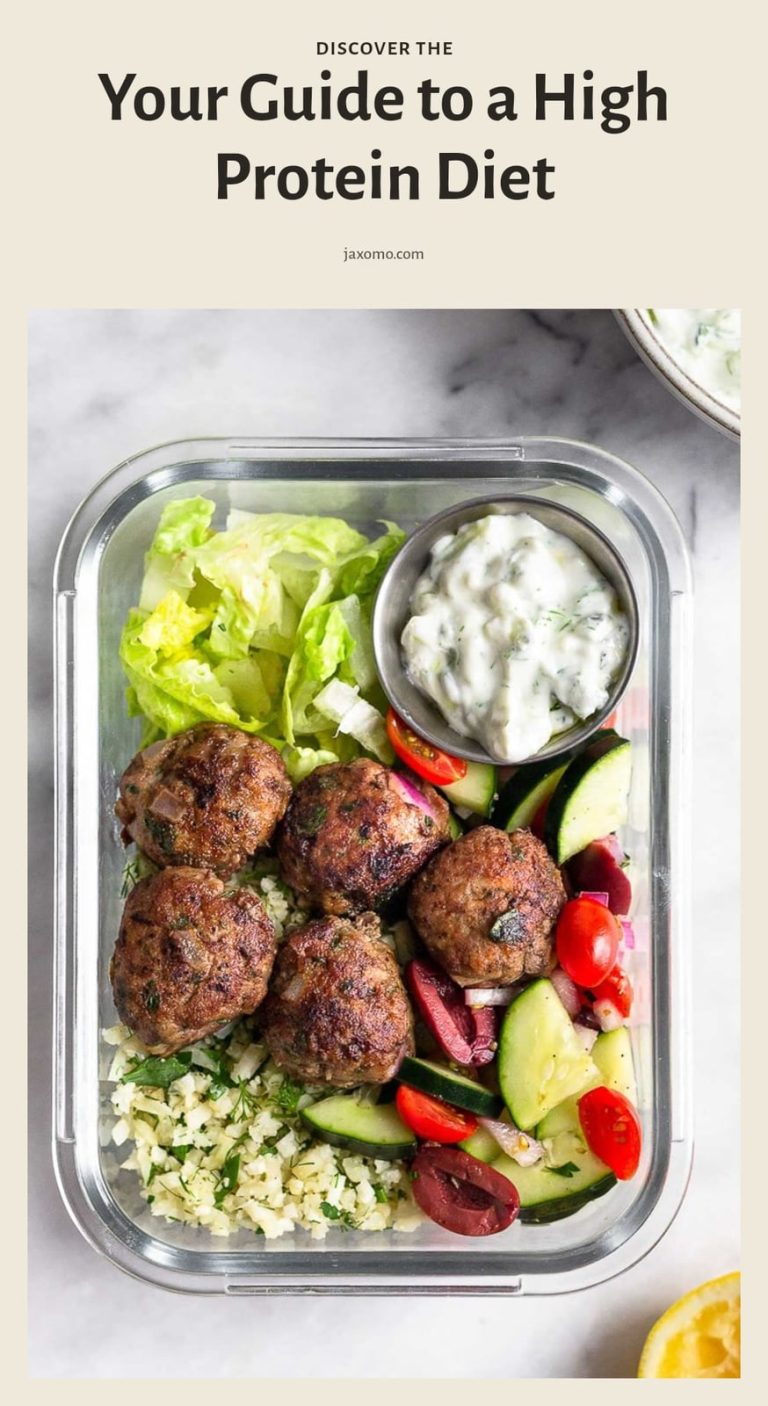
If you are looking to manage your weight, build muscle, or simply feel fuller throughout the day, a high protein diet might be the right shift for you. This approach means eating more protein than the standard recommendation, which can help with satiety and muscle repair. In this guide, I cover what a high protein diet is, why protein matters, which foods to eat, and how to start safely. My tip: always pair your protein with plenty of fiber and water for the best results.
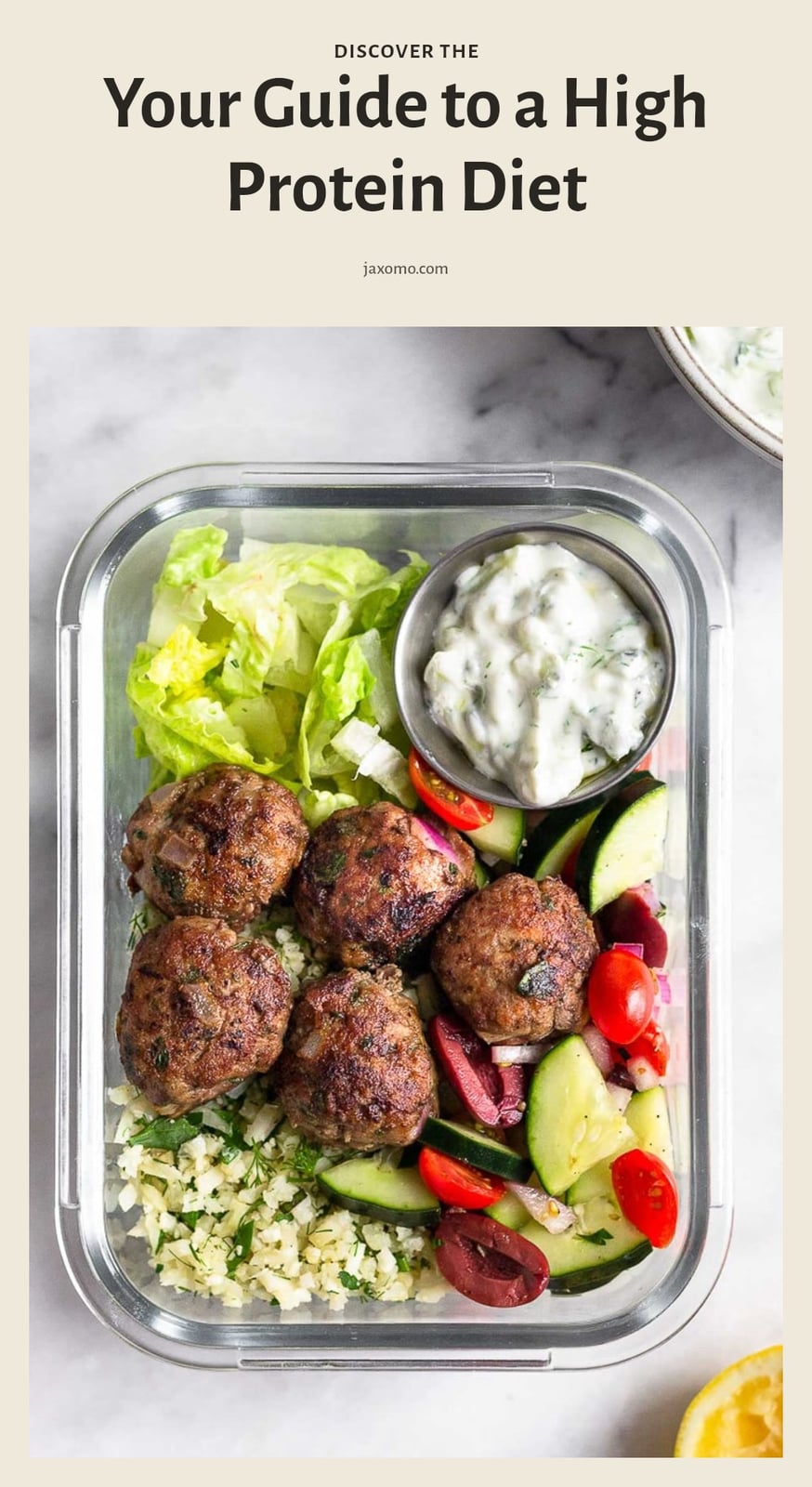
Key Takeaways
- A high protein diet typically provides 1.2 to 2.0 grams of protein per kilogram of body weight daily.
- Choose lean protein sources like chicken, fish, eggs, and legumes for balanced nutrition.
- Spread your protein intake evenly across all meals to support muscle repair and satiety.
- Drink extra water to help your kidneys process the increased protein load.
- Consult a healthcare professional before starting if you have kidney concerns or other health conditions.
What Exactly Is a High Protein Diet?
A high protein diet means you consume more protein than the standard daily recommendation of 0.8 grams per kilogram of body weight. Typical intake on this diet ranges from 1.2 to 2.0 grams per kilogram per day, depending on your goals and activity level. It is popular for weight management, muscle building, and feeling fuller for longer. The focus stays on lean protein sources while keeping overall dietary balance.
Why Protein Is So Important for Your Body
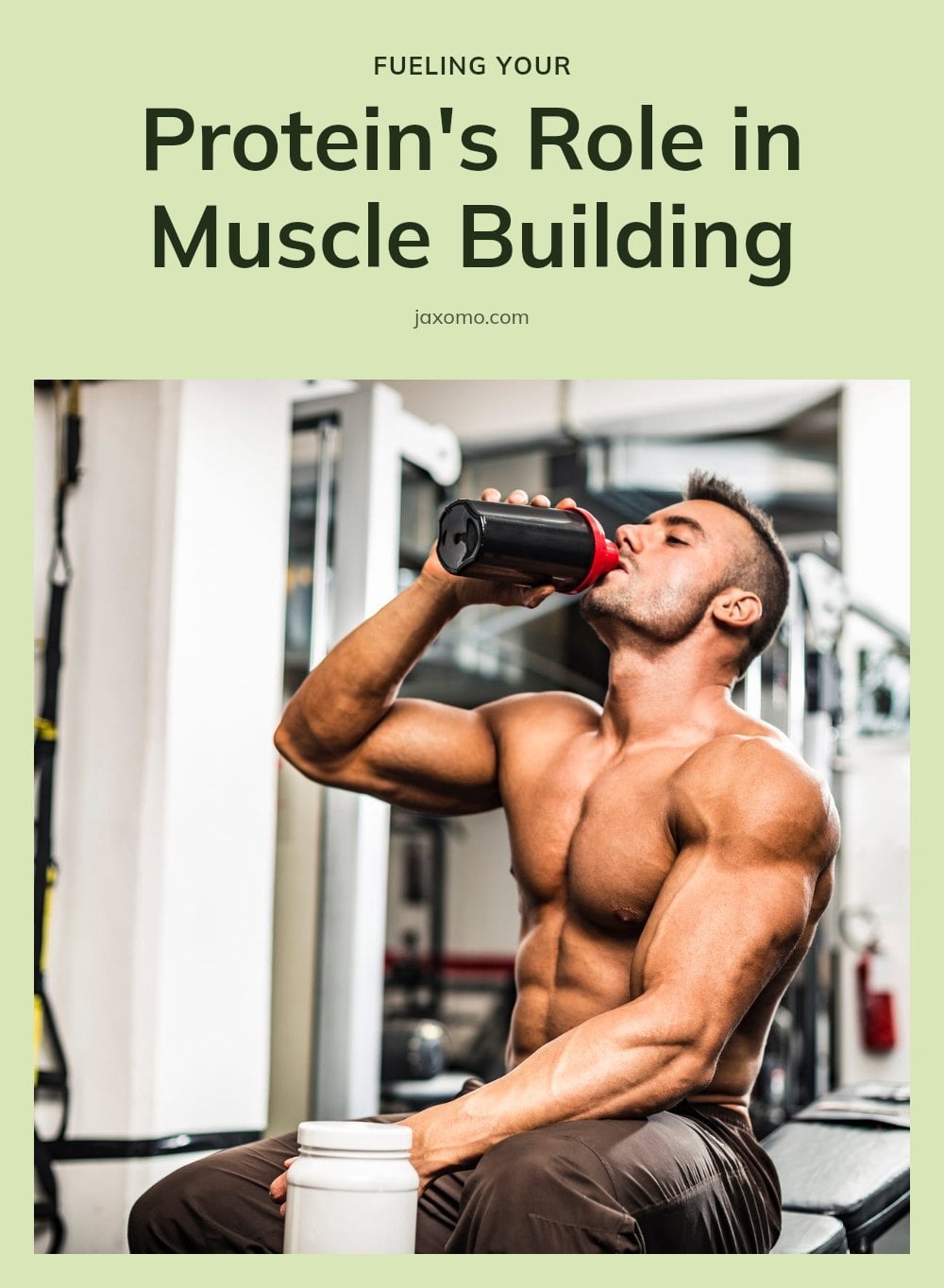
Protein is one of the three macronutrients your body relies on every day. It builds and repairs tissues, makes enzymes and hormones, and supports immune function. Unlike carbs or fats, protein has a higher thermic effect of food (TEF), meaning your body burns more calories just digesting it.
Getting enough protein helps preserve muscle mass, especially during weight loss, and promotes satiety so you feel satisfied between meals. For better muscle protein synthesis, try distributing your protein intake across all meals and snacks rather than loading up at dinner. This steady supply keeps your body working efficiently throughout the day.
Essential High Protein Foods for Your Kitchen
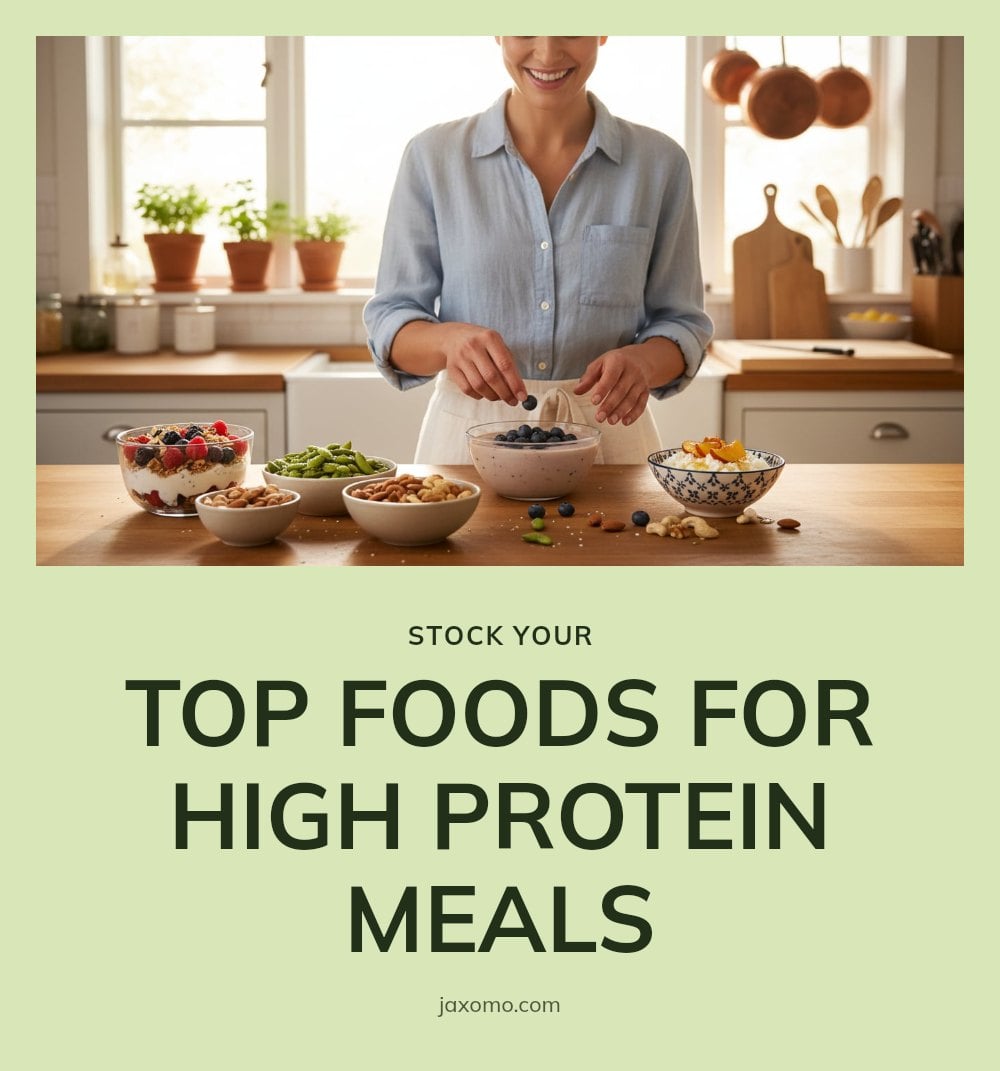
Stock your kitchen with a mix of animal and plant-based proteins to keep meals interesting and nutritionally complete. Lean meats like chicken breast, turkey, and lean beef are go-to options. Fish such as salmon, tuna, and cod provide omega-3s along with protein. Eggs are versatile and affordable. Dairy products like Greek yogurt, cottage cheese, and milk offer quick protein boosts.
For plant-based choices, turn to legumes (lentils, beans, chickpeas), nuts, seeds, tofu, tempeh, and edamame. These also deliver fiber and other nutrients. If you need a convenient option, protein powder (whey, casein, soy, or pea) can supplement your intake but should not replace whole foods.
How to Start Your High Protein Diet Safely and Effectively
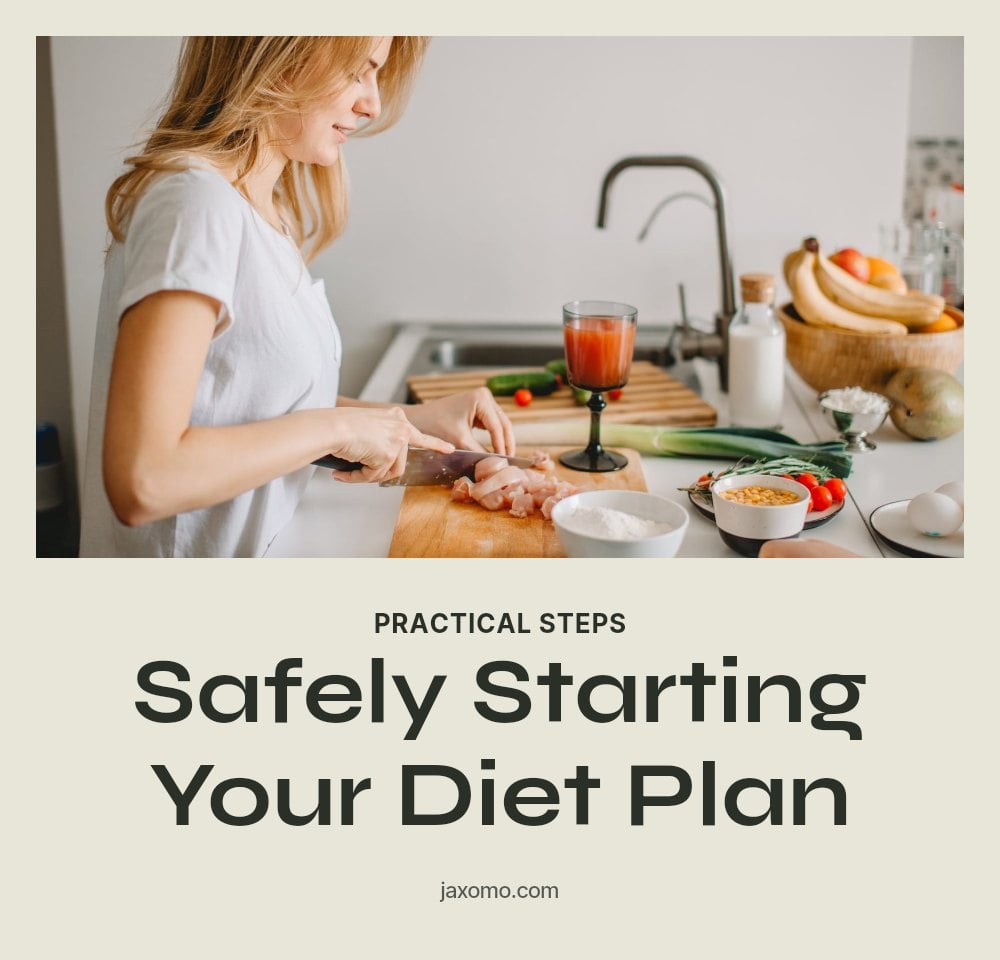
- Calculate your target: Multiply your body weight in kilograms by 1.2 to 2.0 grams, depending on your activity level and goals. Start at the lower end if you are new to high protein intake.
- Choose whole foods first: Prioritize lean meats, fish, eggs, dairy, legumes, and tofu over protein powders. Whole foods provide additional vitamins, minerals, and fiber that supplements lack.
- Spread protein across meals: Aim for 20-30 grams of protein per meal and include some in snacks. This distribution supports muscle protein synthesis more effectively than loading up at dinner.
- Rotate your sources: Combine animal and plant proteins to get a full amino acid profile. For example, pair rice with beans or have eggs with a side of lentils.
- Pair protein with fiber: Add vegetables, fruits, or whole grains to each meal. Fiber helps prevent constipation, a common issue when protein intake rises.
- Hydrate consistently: Drink water throughout the day, especially as you increase protein. Your kidneys need extra fluid to process protein byproducts, so keep a water bottle handy.
Common Mistakes to Avoid on a High Protein Diet
One of the biggest mistakes is not drinking enough water. As you increase protein, your kidneys need more fluid to process it, so aim for increased fluid intake throughout the day. Over-relying on the same few protein sources, like only chicken or eggs, can lead to nutrient gaps. Rotate in fish, legumes, and tofu to cover your vitamin and mineral needs.
Neglecting fiber is another common issue. Without enough fruits, vegetables, and whole grains, constipation can become a problem. Pair every protein-rich meal with a fiber source. Also, more protein is not always better. Tailor your intake to your activity level and goals rather than piling it on. Finally, remember that protein-rich foods still have calories. Monitor your total intake to avoid unintended weight gain.
Smart Tips for Sustaining Your High Protein Journey
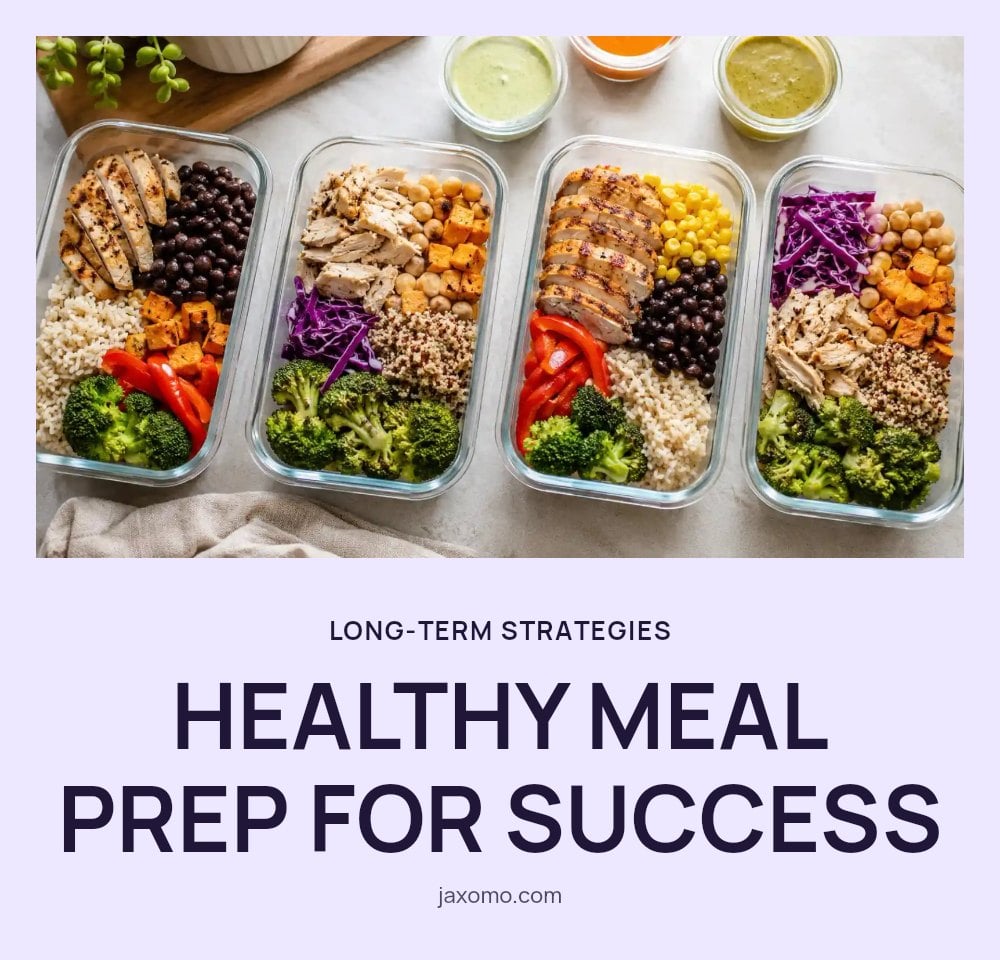
Meal Prep for Success: Plan and prepare protein-rich meals and snacks in advance. Cook a batch of grilled chicken or hard-boiled eggs at the start of the week to grab when you are busy.
Read Labels Carefully: Check the protein content per serving and look for lean options. Avoid products with excessive saturated fat or sodium.
Experiment with Plant-Based Proteins: Incorporate tofu, tempeh, lentils, and beans to diversify your amino acid profile. They also add fiber and phytonutrients.
Listen to Your Body: Pay attention to satiety cues and digestive comfort. If you feel bloated or overly full, adjust your portions or try different protein sources.
Stay Hydrated: Carry a water bottle and sip throughout the day. Proper hydration supports kidney function and helps your body use protein efficiently.
When to Consult a Professional About Your Diet
Consult a healthcare professional or registered dietitian before starting a high protein diet if you have pre-existing kidney disease or other chronic health conditions. Seek advice if you experience persistent digestive issues like bloating, constipation, or discomfort. Pregnant or breastfeeding women and those with specific dietary restrictions should also get personalized guidance. Athletes with very high protein needs can benefit from a tailored plan. Finally, if you are considering significant dietary changes for weight loss or muscle gain, a professional can help you do it safely and effectively.
What to Expect: Timeline and General Costs
You may notice increased satiety and better muscle recovery within days to weeks of starting a high protein diet. Significant changes in body composition, such as fat loss or muscle gain, usually take several weeks to months of consistent effort. Cost-wise, a high protein diet can be affordable if you focus on budget-friendly sources like eggs, legumes, and certain cuts of poultry. Organic meats and specialized protein supplements can raise the price. My tip: Buying in bulk and choosing seasonal produce helps keep costs down.
Frequently Asked Questions
How much protein do I need on a high protein diet?
Your target depends on your body weight and activity level. A common range is 1.2 to 2.0 grams of protein per kilogram of body weight per day. If you are very active or aiming to build muscle, aim for the higher end. For general health and weight management, the lower end often works well.
Can a high protein diet help with weight loss?
Yes, it can help. Protein increases satiety, meaning you feel fuller for longer, which may reduce overall calorie intake. It also has a higher thermic effect than carbs or fat, so your body burns more calories digesting it. However, total calorie intake still matters for weight loss.
Are there any side effects of eating too much protein?
Some people experience digestive issues like bloating or constipation, especially if they increase protein too quickly without enough fiber or water. For those with pre-existing kidney disease, excessive protein can strain the kidneys. Always increase fluid intake and include fiber-rich foods to minimize side effects.
What are good plant-based protein sources?
Excellent plant-based options include legumes like lentils, beans, and chickpeas, as well as tofu, tempeh, edamame, nuts, and seeds. To get all essential amino acids, eat a variety of these sources throughout the day. Quinoa and soy products are complete proteins on their own.
How quickly will I see results from a high protein diet?
You may notice increased satiety and better muscle recovery within days to weeks. More significant changes in body composition, such as fat loss or muscle gain, typically take several weeks to months of consistent effort. Results depend on your overall diet, activity level, and individual factors.
Final Thoughts
My main recommendation is to start at the lower end of the protein range if you are new to this diet, then adjust based on how you feel and your activity level. Realistically, you may notice better satiety and muscle recovery within days to weeks, while significant body composition changes typically take several weeks to months of consistent effort. Stick with whole foods, stay hydrated, and listen to your body.
This article provides general information about high protein diets and is not a substitute for professional medical advice. Always consult a healthcare provider or registered dietitian before making significant dietary changes, especially if you have a medical condition or are pregnant or breastfeeding.