11 Anti-Aging Tips for Youthful Skin You Can Start Today
Discover 12 effective anti-aging tips for youthful skin. Learn practical strategies and key ingredients to reduce signs of aging and maintain a radiant.

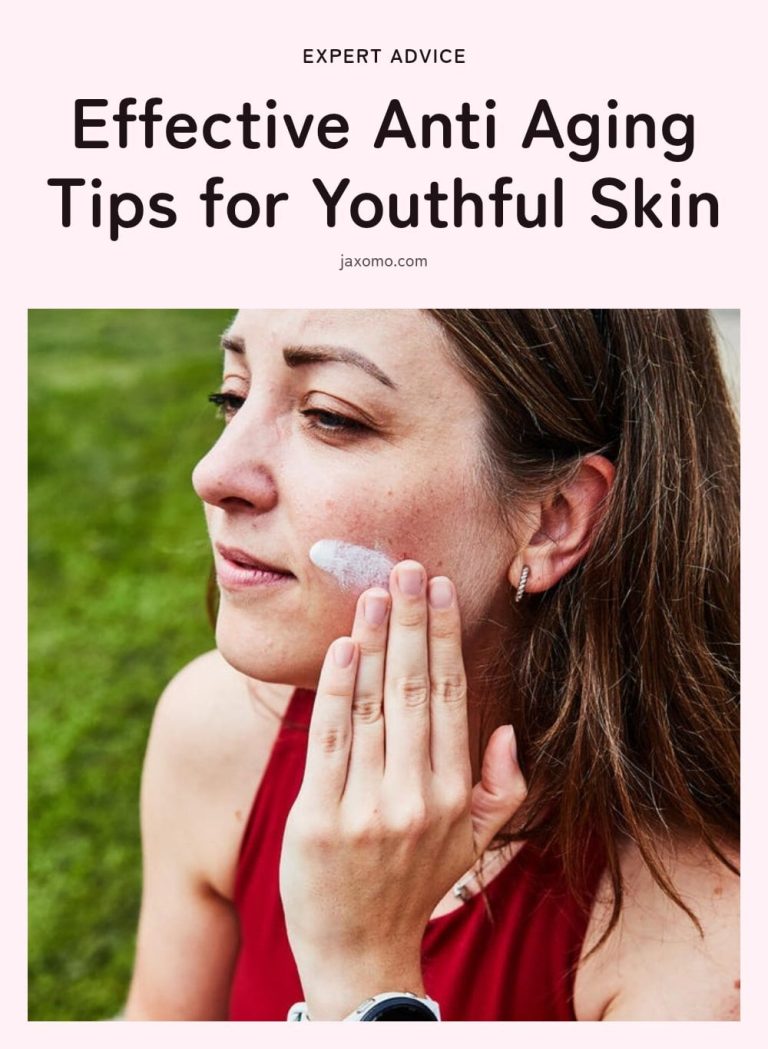
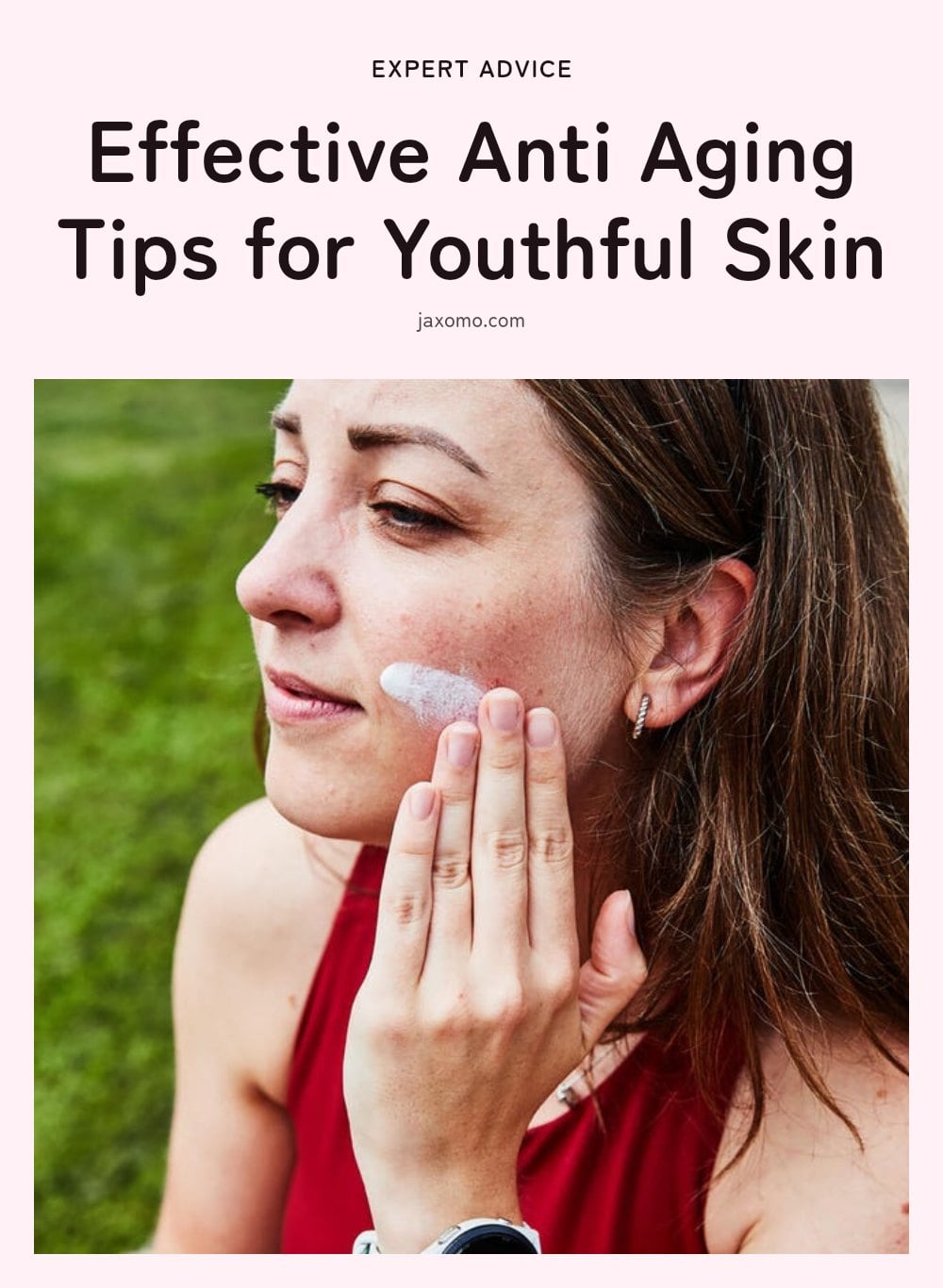
You’ve probably started noticing a few fine lines or a loss of that youthful bounce, and you’re wondering what actually works. The truth is, effective anti-aging skincare is less about magic creams and more about smart, consistent habits. This article covers the 11 most impactful tips you can start today to protect your skin, support its natural repair, and keep it looking its best for years to come.
Key Takeaways
- Wear broad-spectrum sunscreen with SPF 30+ every single day, even indoors.
- Incorporate a retinoid into your nighttime routine, starting slowly to avoid irritation.
- Use a vitamin C serum in the morning for antioxidant protection against free radicals.
- Moisturize twice daily and hydrate with hyaluronic acid to plump and smooth skin.
- Prioritize 7-9 hours of quality sleep and manage stress to support skin repair.
What is Anti-Aging Skincare?
Anti-aging skincare is about preventing and reducing the visible signs of aging, such as fine lines, wrinkles, and loss of firmness. It works by protecting your skin from damage and supporting its natural repair processes. A well-rounded routine includes sun protection, hydration, and active ingredients that improve skin texture and tone over time.
1. Protect Your Skin from the Sun
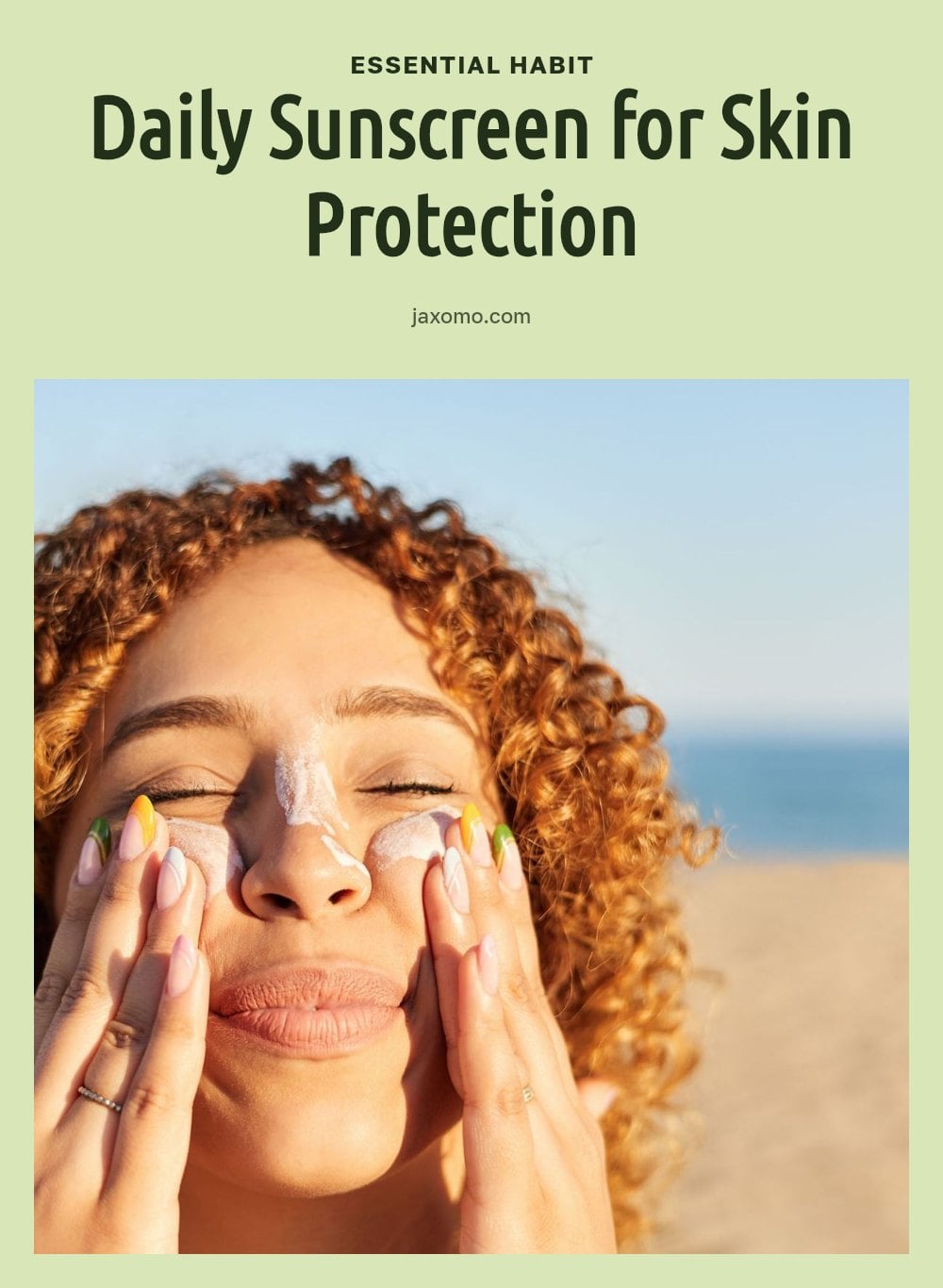
Sun exposure is the leading cause of premature skin aging, accounting for up to 80% of visible signs like wrinkles and sunspots. Apply a broad-spectrum sunscreen with SPF 30+ every single day, even on cloudy days or when you are indoors near windows.
- Reapply: every two hours when you are in direct sunlight, or after swimming or sweating.
- My tip: Make sunscreen the very last step in your morning skincare routine, every day without exception.
2. Incorporate a Retinoid Product
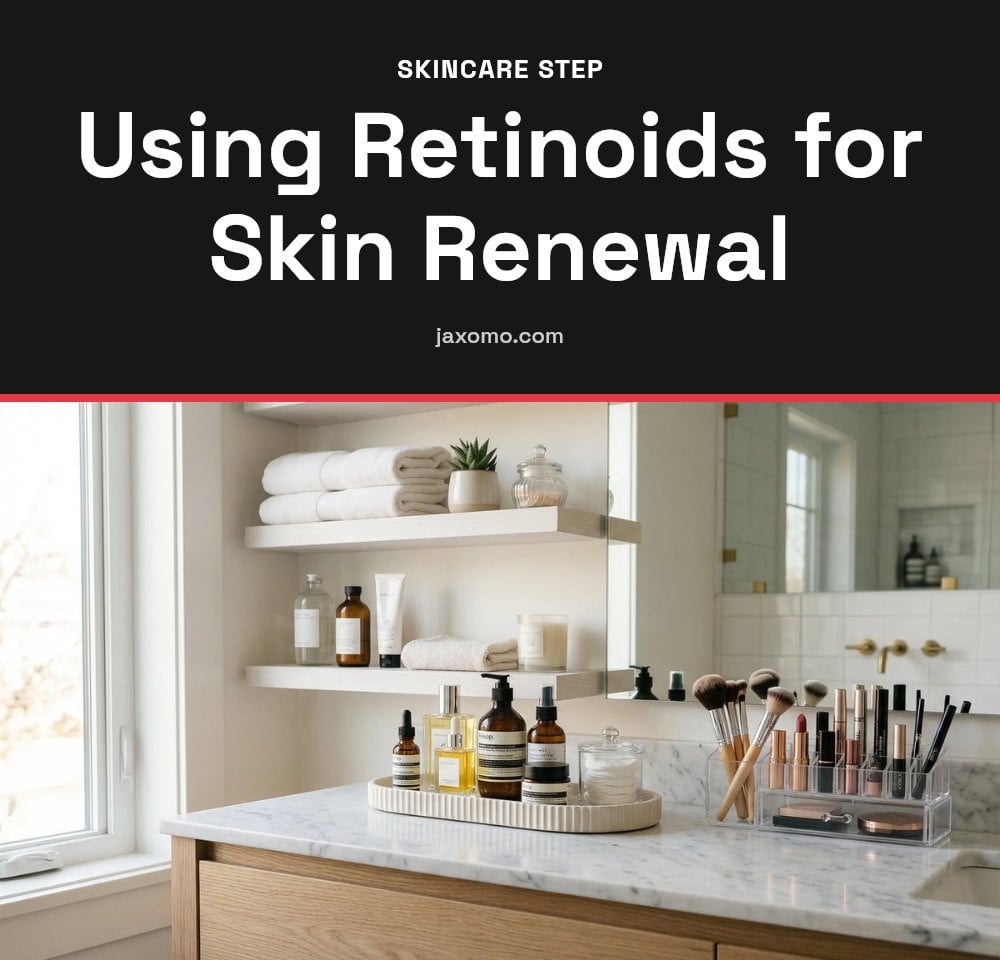
Retinoids, which are vitamin A derivatives, are among the most effective ingredients for stimulating collagen production and accelerating cell turnover. Start with a lower concentration retinoid in your nighttime routine, and increase use gradually as your skin adapts. This helps minimize initial redness or peeling.
- Always follow: with a good moisturizer to combat potential dryness.
- Caution: Retinoids can increase sun sensitivity, so consistent daytime SPF is non-negotiable.
3. Boost with Vitamin C Serum
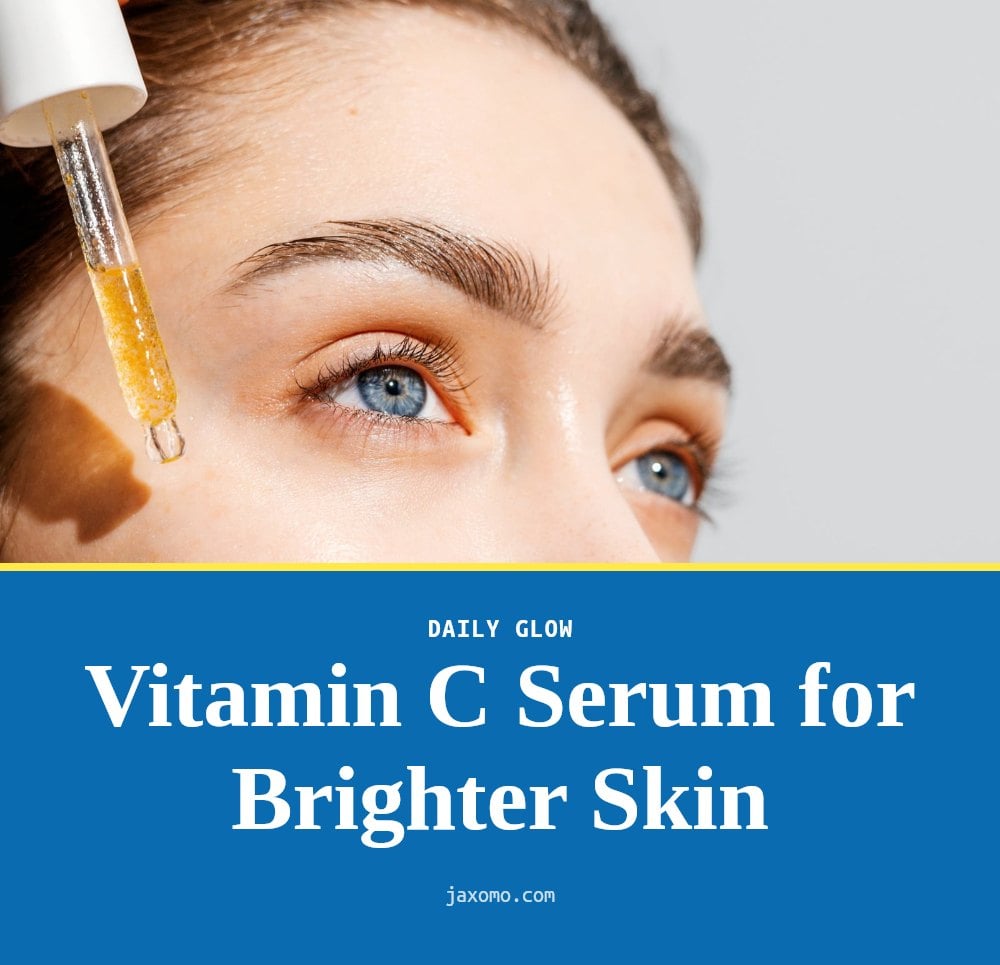
Antioxidants like vitamin C help protect your skin cells from damage caused by free radicals, which contribute to premature aging. Use a vitamin C serum in the morning for antioxidant protection against environmental stressors. It also helps brighten your complexion and can improve skin tone over time.
- My tip: Look for serums in dark, opaque bottles, as vitamin C can degrade when exposed to light and air.
4. Hydrate with Hyaluronic Acid
Hyaluronic acid is a powerful humectant that can hold up to 1000 times its weight in water, providing intense hydration to the skin. Consistent hydration helps plump the skin, reducing the appearance of fine lines and improving overall texture.
Tip: Apply a hyaluronic acid serum to damp skin before your moisturizer to lock in moisture. My tip: Don’t just rely on topical hydration; staying hydrated by drinking plenty of water also supports overall skin health.
5. Moisturize Regularly
Moisturizing twice daily is crucial to maintain skin hydration and strengthen the skin’s natural barrier function. A healthy skin barrier is better equipped to protect against environmental damage and retain moisture, which is key for a youthful appearance.
Choose a moisturizer suited for your skin type and apply it after serums. Don’t neglect your neck and décolletage in your skincare routine, these areas show signs of aging too.
6. Exfoliate Gently
Exfoliation helps remove dead skin cells, promoting a brighter, smoother complexion and allowing other skincare products to penetrate more effectively. Over-exfoliating can strip the skin and damage its barrier, so choose a gentle chemical exfoliant (like AHA/BHA) once or twice a week.
Caution: Avoid harsh physical scrubs that can cause micro-tears in the skin. My tip: If you’re using a retinoid, be extra careful with exfoliation; alternate nights or use on different days.
7. Cleanse Your Face Properly
Gentle cleansing helps maintain the skin’s natural barrier function, which is vital for preventing premature aging. Cleanse your face gently twice a day to remove makeup, dirt, and impurities without stripping natural oils.
Use lukewarm water and avoid harsh cleansers that leave your skin feeling tight or squeaky clean. My tip: Always remove all makeup before bed; sleeping in makeup can clog pores and contribute to dullness.
8. Prioritize Quality Sleep
Your skin repairs itself while you sleep, with growth hormone production peaking during deep sleep to support collagen renewal. Aim for 7-9 hours of quality sleep each night to give your skin enough time for this regeneration process. Lack of sleep can lead to dullness, dark circles, and can make existing skin issues worse. They don’t call it ‘beauty sleep’ for nothing, and it’s one of the easiest anti-aging steps you can take.
9. Eat an Antioxidant-Rich Diet
A balanced diet rich in fruits, vegetables, and healthy fats supports your skin health from the inside out. Antioxidants found in colorful produce help combat oxidative stress, which can damage skin cells and speed up aging. Focus on foods like berries, leafy greens, nuts, and fatty fish for their skin-friendly nutrients.
Tip: Think of your plate as a rainbow. The more colors you include, the more diverse antioxidants you are getting.
10. Avoid Smoking and Vaping
Smoking accelerates skin aging by reducing blood flow and damaging collagen and elastin, leading to premature wrinkles and a dull complexion. Even exposure to secondhand smoke can harm your skin. Quitting smoking is one of the most impactful anti-aging steps you can take for your skin and overall health.
Good to know: If you are a smoker, seeking support to quit will make a huge difference in how your skin looks and feels.
11. Manage Stress Effectively
Chronic stress can worsen skin issues and contribute to premature aging by triggering inflammation and affecting your skin’s barrier function. Managing stress is an often overlooked but important part of an anti-aging routine. Incorporate stress-reducing activities into your day, such as meditation, yoga, or spending time in nature.
Pro move: Even 10-15 minutes of mindfulness a day can make a difference for both your mental well-being and your skin.
Common Anti-Aging Mistakes to Avoid
Only using sunscreen on sunny days is one of the biggest missteps. UV rays reach you through clouds and windows, so daily application is non-negotiable. Another common error is inconsistency with products. Visible improvements take weeks or months of regular use, not a few applications.
Using too many active ingredients at once can backfire, causing redness and compromising your skin barrier. Introduce new products one at a time and slowly. Over-exfoliating is another trap. Harsh scrubs or too-frequent exfoliation damage the protective barrier, leading to sensitivity and irritation.
Tip: Skincare products are only part of the equation. Neglecting lifestyle factors like diet, sleep, stress, and smoking can undermine your routine. A holistic approach matters just as much as what you put on your face.
Frequently Asked Questions
Can anti-aging products really reverse wrinkles?
No product can completely reverse wrinkles, but many can significantly reduce their appearance. Ingredients like retinoids stimulate collagen production, which can plump the skin and soften fine lines over time. Consistent use leads to smoother, firmer-looking skin, but it’s about improvement, not erasing every line.
Is it ever too late to start an anti-aging skincare routine?
It’s never too late to start. Your skin can always benefit from sun protection, hydration, and active ingredients. Even if you’re starting later in life, you can still improve skin texture, tone, and firmness. The key is to begin with a gentle routine and build up gradually.
What’s the most important anti-aging step?
Daily sunscreen application is the most important step. Sun exposure is responsible for up to 80% of visible aging signs like wrinkles and sunspots. No other product or habit can match the protective benefit of consistent, broad-spectrum SPF 30+ use.
Can diet truly impact skin aging?
Yes, a diet rich in antioxidants from fruits, vegetables, and healthy fats supports skin health from the inside. These nutrients help combat oxidative stress that damages skin cells. While diet alone isn’t a cure, it’s a powerful complement to a good topical routine.
What are the best anti-aging ingredients?
Some of the most effective ingredients include retinoids (vitamin A) for collagen production, vitamin C for antioxidant protection, and hyaluronic acid for deep hydration. A routine combining these, along with daily sunscreen, targets multiple signs of aging effectively.
Final Thoughts
If you take one thing from this, let it be daily sunscreen. It’s the single most effective step you can take to prevent premature aging. Remember, consistency is everything. Visible improvements in texture and tone usually take 4 to 12 weeks of regular use, with more significant changes appearing over several months. Stick with a simple, well-rounded routine, and your skin will thank you.
This article is for informational purposes only and is not a substitute for professional medical advice. Skincare products and routines can affect individuals differently. If you have persistent skin concerns, severe irritation, or a medical condition, please consult a board-certified dermatologist.