How to Use Tea Tree Oil: 10 Uses for Skin, Hair and Home
Learn 10 practical and safe ways to use tea tree oil for common skin issues, hair care, and natural cleaning around your home.


You’ve probably heard about tea tree oil and its reputation as a natural remedy for everything from acne to household cleaning. It’s a potent essential oil from the Australian Melaleuca alternifolia plant, with antiseptic and anti-inflammatory properties. But using it safely and effectively comes down to proper dilution and knowing the right applications. This article breaks down ten practical uses for your skin, hair, and home, along with the safety rules that keep it from causing more harm than good.

Key Takeaways
- Always dilute tea tree oil with a carrier oil before applying to skin.
- Patch test on a small area before using it more widely.
- Mix 5 drops per teaspoon of carrier oil for acne treatment.
- Add 2-3 drops to shampoo to help with dandruff.
- Never ingest tea tree oil; it’s toxic if swallowed.
What is Tea Tree Oil and Why Use It?
Tea tree oil is a potent essential oil derived from the Australian Melaleuca alternifolia plant, known for its natural antiseptic and anti-inflammatory properties. It’s widely used for topical applications on skin and hair, and as a natural cleaner, offering a versatile solution for many common household and personal care needs. Always dilute tea tree oil with a carrier oil before skin application and perform a patch test to avoid irritation.
1. Treating Mild to Moderate Acne
Tea tree oil’s antibacterial properties can help target the bacteria that contribute to acne breakouts. Its anti-inflammatory effects may reduce redness and swelling associated with pimples. To use it effectively:
- Dilute properly: Mix 5 drops of tea tree oil per teaspoon of a carrier oil like jojoba or almond oil.
- Apply precisely: Use a cotton swab to dab the diluted oil directly onto affected areas.
- Be consistent: Results may take several weeks of regular use.
2. Soothing Minor Skin Irritations and Cuts
Tea tree oil’s antiseptic qualities make it useful for cleaning minor cuts and scrapes, helping to prevent infection. The anti-inflammatory action can soothe general skin irritations. For application:
- Mix a small amount: Combine 3-5 drops of tea tree oil with a teaspoon of carrier oil.
- Clean the area first: Gently wash the cut or irritation with mild soap and water.
- Dab gently: Apply the diluted mixture to the clean affected area using a cotton swab.
3. Managing Dandruff and Itchy Scalp
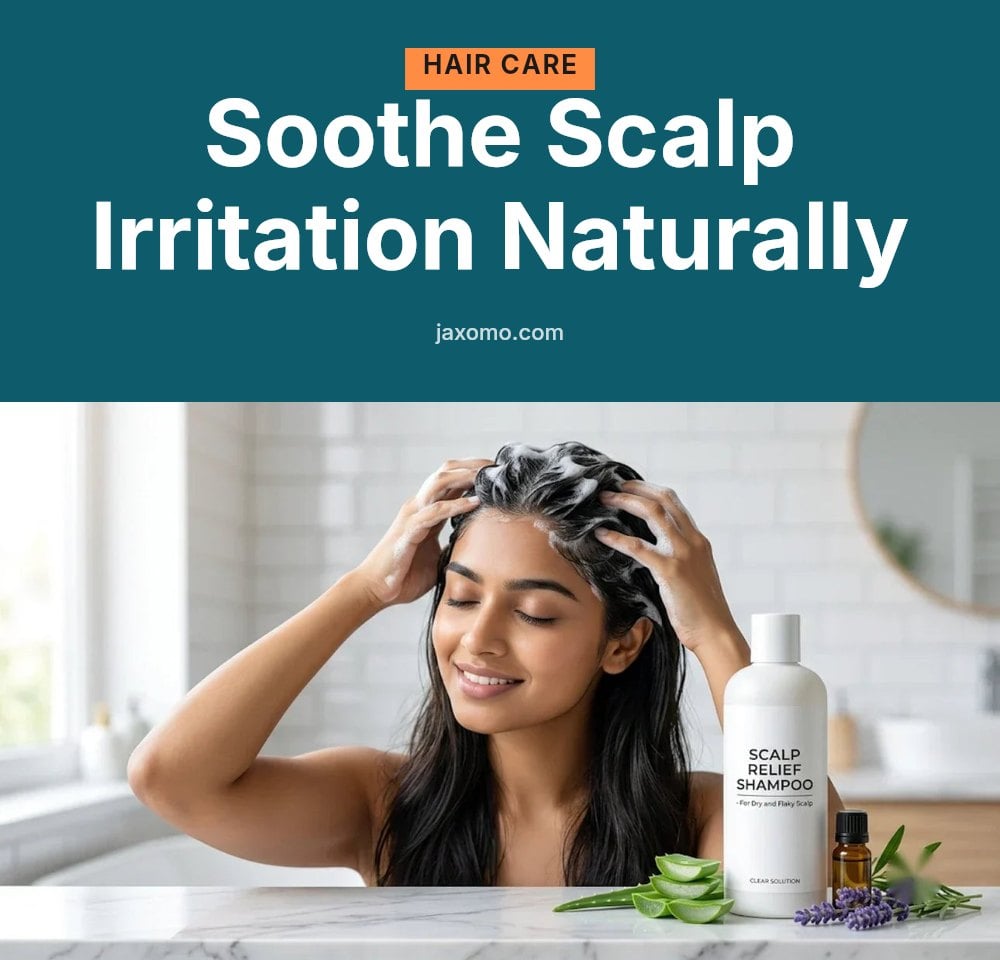
Tea tree oil can help address the fungal causes of dandruff and soothe an itchy, flaky scalp. To incorporate it into your routine:
- Add to shampoo: Mix 2-3 drops of tea tree oil into your regular shampoo or conditioner in your hand before applying.
- Massage thoroughly: Work the mixture into your scalp, focusing on problem areas.
- Let it sit: Leave it on for a few minutes before rinsing thoroughly.
4. Relieving Athlete’s Foot and Nail Fungus
Tea tree oil’s antifungal properties may help manage fungal infections like athlete’s foot and nail fungus. For athlete’s foot, apply a 5-10% dilution (5-10 drops per teaspoon of carrier oil) to clean, dry feet twice daily. For nail fungus, apply the same diluted solution directly to the affected nail and surrounding skin. Tip: Keep the area clean and dry between applications to support the oil’s action.
5. Making Natural Household Cleaners
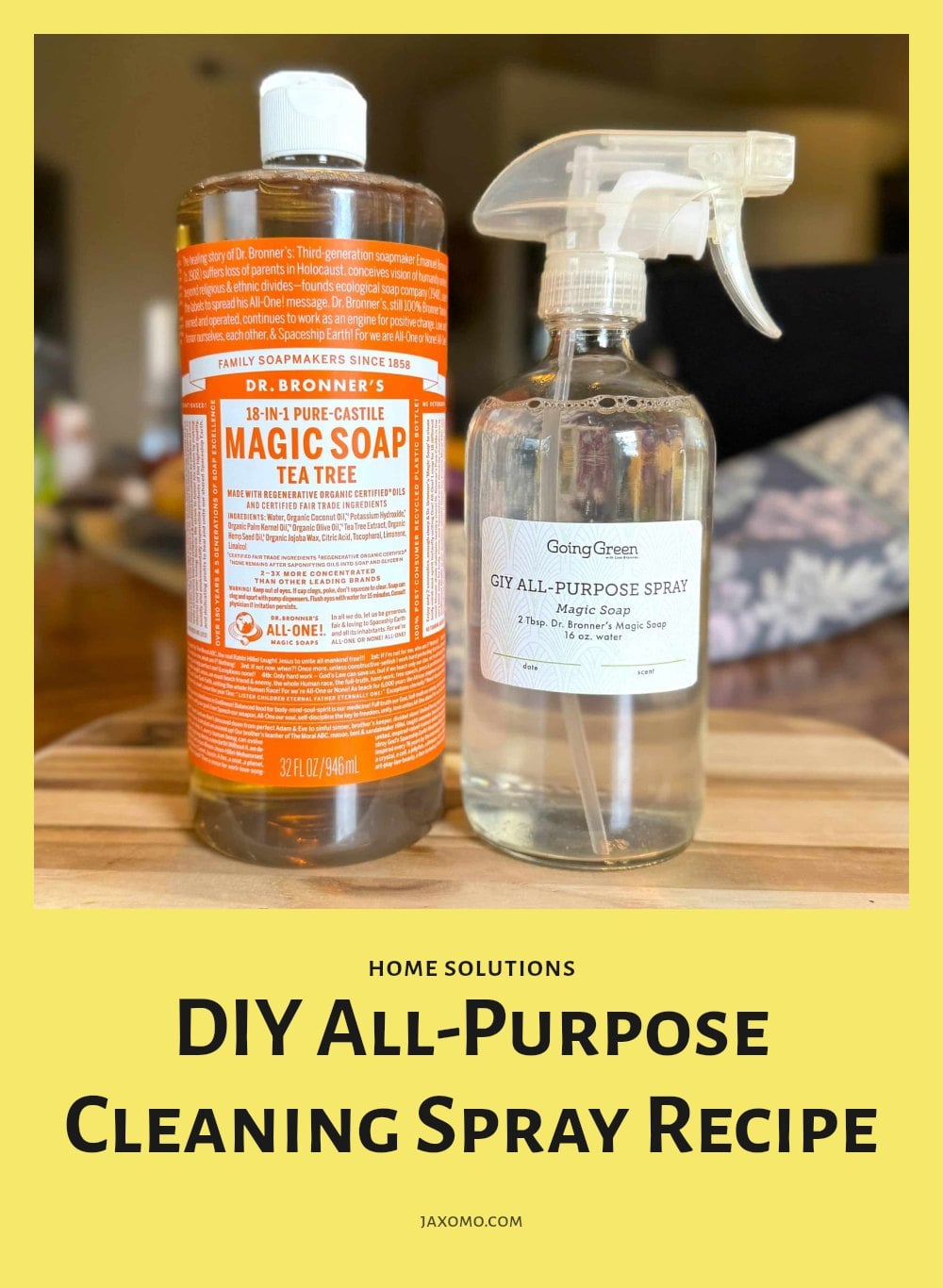
Tea tree oil acts as a natural disinfectant, making it a great addition to homemade cleaning solutions. Mix 10-15 drops of tea tree oil with a cup of water and half a cup of white vinegar in a spray bottle for an all-purpose cleaner. Use it to wipe down kitchen counters, bathroom fixtures, and other surfaces. Caution: Test on a small area first, as vinegar can damage some surfaces.
6. Freshening Laundry and Removing Odors
Add a few drops of tea tree oil to your laundry cycle to help eliminate musty odors and freshen clothes. For particularly smelly items, add 5-10 drops to the wash cycle along with your detergent. You can also add a few drops to a dryer ball for a natural scent boost. Pro move: Mix the oil with your detergent before pouring it in for even distribution.
7. Creating an Insect Repellent Spray
While its effectiveness can vary, tea tree oil may act as a natural insect repellent. Combine 10-15 drops of tea tree oil with a tablespoon of witch hazel and 4 ounces of water in a spray bottle. Spray onto skin or clothing before going outdoors, avoiding eyes and mouth. Caution: Reapply as needed, especially after sweating or swimming.
8. Using for Aromatherapy and Air Freshening
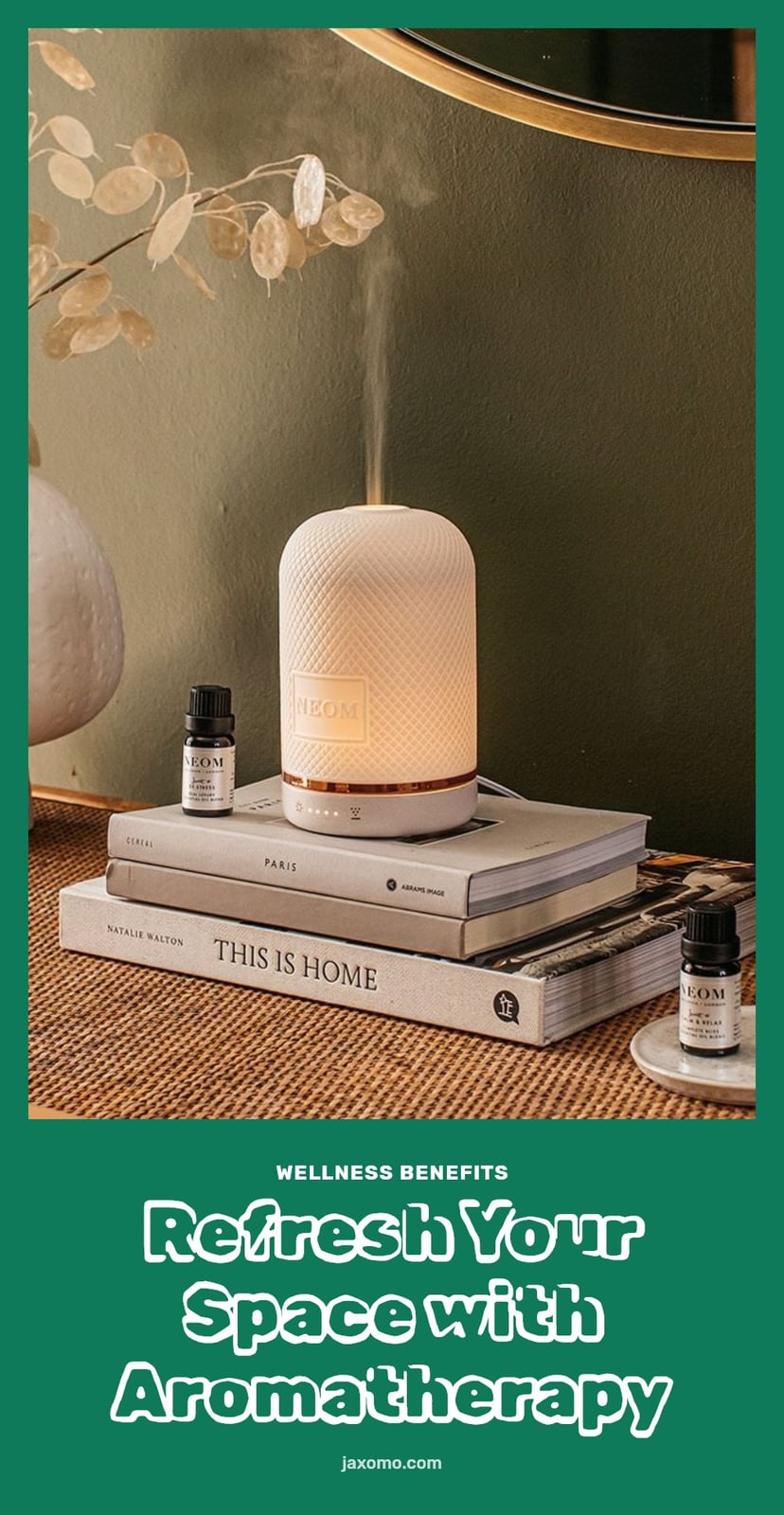
Diffusing tea tree oil can help purify the air and create a fresh, clean scent. Add 3-5 drops to your essential oil diffuser to disperse its aroma throughout a room. It can also help neutralize odors in stuffy spaces, making it a good choice for bathrooms or kitchens.
9. Soothing Razor Burn and Ingrown Hairs
The anti-inflammatory properties of tea tree oil can help calm irritated skin after shaving. Its antiseptic qualities may also help prevent ingrown hairs from becoming infected. My tip: Dilute 2-3 drops of tea tree oil in a teaspoon of aloe vera gel or a light carrier oil like jojoba and apply gently to the affected area after shaving.
Common Mistakes When Using Tea Tree Oil
Even with its many benefits, tea tree oil can cause problems if used incorrectly. Here are the most common mistakes to avoid.
- Applying Undiluted Oil: Always dilute tea tree oil with a carrier oil before applying to skin to prevent irritation, redness, or dryness.
- Skipping the Patch Test: Always perform a patch test on a small, inconspicuous area of skin to check for sensitivity before widespread use.
- Ingesting Tea Tree Oil: Never ingest tea tree oil; it is toxic if swallowed and can cause serious side effects like drowsiness and confusion.
- Using on Sensitive Areas: Avoid applying tea tree oil near eyes or other sensitive mucous membranes. If contact occurs, rinse thoroughly with water.
- Improper Storage: Store tea tree oil in a cool, dark place in a tightly sealed, dark glass bottle to prevent oxidation and maintain potency.
Frequently Asked Questions
Is tea tree oil safe for daily use?
Yes, for most people, when diluted properly, tea tree oil can be used daily. For example, a 5% dilution for acne is common. However, if you have sensitive skin, start with a lower dilution and use it every other day. Watch for any irritation, and if you notice redness or itching, reduce frequency or stop use.
Can I mix tea tree oil with my moisturizer?
You can, but it’s better to mix a drop or two into your moisturizer right before applying, rather than adding it to the whole jar. That way, you control the dilution and avoid contaminating your product. Use about 1 drop per teaspoon of moisturizer, and patch test first.
How long does tea tree oil take to work?
It varies by use. For acne, you may need several weeks of consistent application to see improvement. For minor cuts or soothing irritation, you might notice a difference within a day or two. For fungal issues like athlete’s foot, it can take longer, sometimes a month or more. Be patient and consistent.
What’s the best carrier oil for tea tree oil?
There isn’t one best carrier oil; it depends on your skin type. Jojoba oil is lightweight and similar to skin’s natural oils, good for acne-prone skin. Coconut oil is moisturizing but may clog pores for some. Almond oil is gentle. Choose one that suits your skin and feels comfortable.
Does tea tree oil expire?
Yes, tea tree oil can oxidize and lose potency over time. Stored in a cool, dark place in a tightly sealed dark glass bottle, it can last a few years. If the scent changes or becomes stronger, it may be oxidized. Replace it if it smells off or less effective.
Final Thoughts
For most everyday uses, stick to the dilution ratios and patch test first. Tea tree oil can be a helpful addition to your routine for acne, minor cuts, or scalp issues, but it’s not a quick fix. Give it a few weeks of consistent use to see results, and stop if you notice any irritation. If a problem persists or seems serious, see a dermatologist or healthcare professional.
This article is for general information only and is not medical or professional advice. Tea tree oil is potent and can cause irritation or allergic reactions in some people. Always patch test and dilute. If you have a persistent skin condition, are pregnant, or plan to use it for a medical issue, consult a doctor or dermatologist first. Keep out of reach of children and pets.