How to Control Your Appetite for Lasting Wellness
Learn how to control your appetite naturally with practical, healthy habits. Discover food choices and lifestyle changes for lasting satiety and wellness.


You know that feeling when you finish a meal but still want to snack an hour later? It’s frustrating, but it’s not about willpower. Controlling your appetite is about working with your body, not against it. By focusing on the right foods and habits, you can feel satisfied and in control. This article covers the key strategies, common mistakes, and when to seek help, so you can build a healthier relationship with food.

Key Takeaways
- Anchor every meal with a palm-sized portion of lean protein to reduce hunger.
- Include fiber-rich foods like fruits, vegetables, and whole grains to stay full longer.
- Drink water throughout the day, especially before meals, to avoid confusing thirst with hunger.
- Aim for 7-9 hours of quality sleep to help regulate appetite hormones.
- Practice mindful eating by eating slowly and paying attention to fullness cues.
The Secret to Managing Your Appetite Naturally
Managing appetite is not about eating less or going hungry. It is about learning your body’s signals and responding to them with informed choices. Protein, fiber, and healthy fats are the three levers that promote satiety and keep blood sugar steady, so hunger does not spike an hour after a meal. Lifestyle matters just as much: consistent hydration, 7 to 9 hours of sleep, and active stress management all shape how hungry you feel. Treat these as daily habits, not occasional fixes, and appetite becomes something you work with rather than fight.
Essential Tools and Foods for Appetite Control
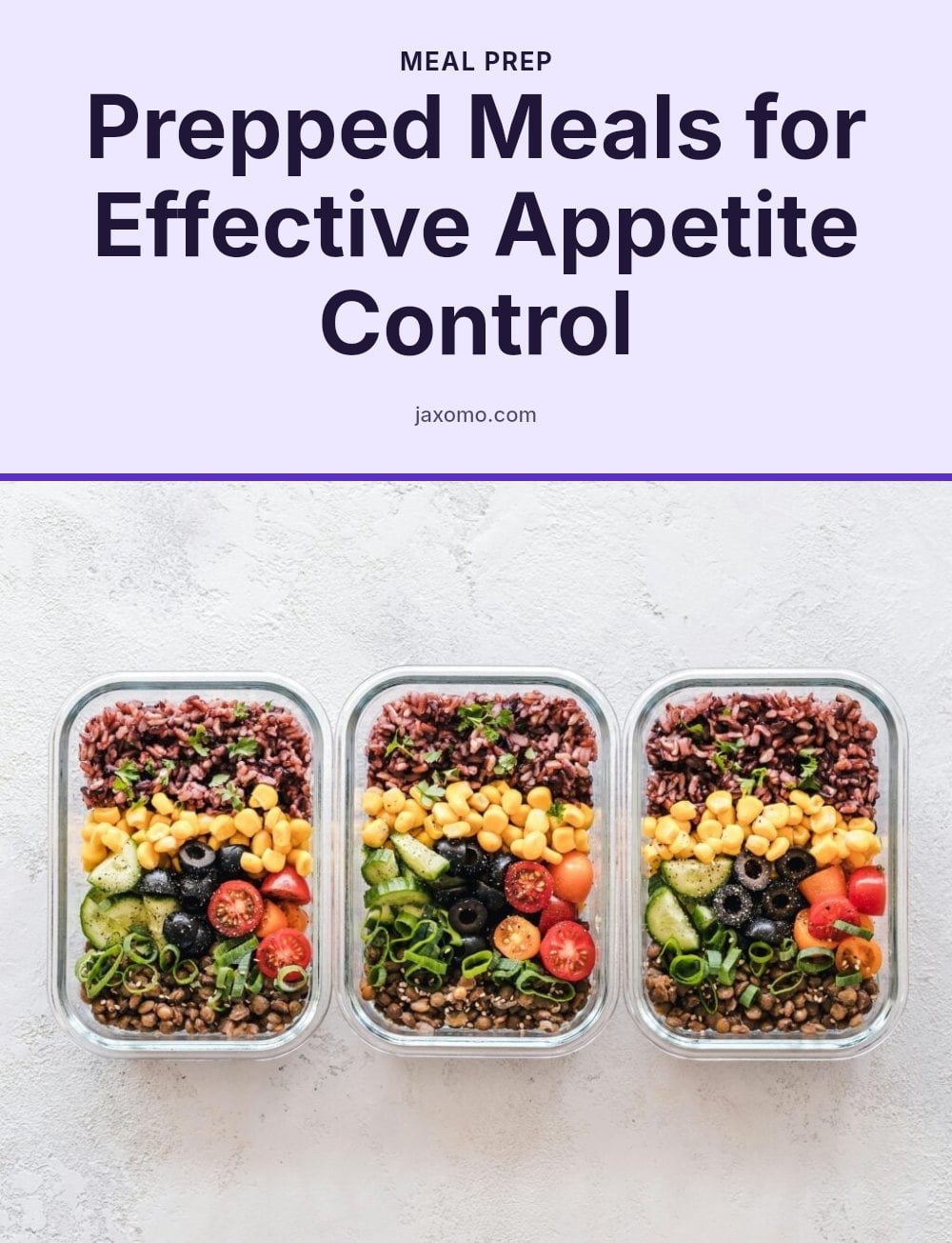
You do not need specialty products. A well-stocked kitchen and two simple tools cover most of it.
- Lean protein: chicken, fish, eggs, tofu, and lentils, the base of every meal.
- High-fiber foods: fruits, vegetables, whole grains, and beans for slower digestion.
- Healthy fats: avocados, nuts, seeds, and olive oil for flavor and staying power.
- A reusable water bottle: keeps hydration visible and consistent through the day.
- A journal: optional, but useful for spotting food and emotional triggers.
Simple Steps to Take Charge of Your Hunger

These are the changes that tend to make the biggest difference, and most of them cost nothing.
- Anchor every meal with protein: Aim for a palm-sized portion of chicken, fish, eggs, tofu, or lentils. Protein is the most satiating macronutrient, so it blunts hunger that would otherwise hit you mid-afternoon.
- Add fiber to each plate: A side of vegetables, a handful of berries, or a scoop of beans slows digestion and stretches fullness past the next meal.
- Drink water before you eat: A glass 20 to 30 minutes before a meal helps, and sipping through the day prevents thirst from masquerading as hunger.
- Slow down at the table: Put your fork down between bites and check in with yourself halfway through. Your body needs time to register fullness, and eating fast outruns that signal.
- Protect your sleep: Aim for 7 to 9 hours. Short sleep shifts hunger hormones in the wrong direction, which makes cravings harder to resist the next day.
- Have a stress outlet: A walk, ten minutes of breathing, or yoga lowers the cortisol response that drives comfort-food cravings.
- Do not skip the healthy fats: Olive oil, avocado, nuts, and seeds add satisfaction and slow gastric emptying, so a meal holds longer.
- Eat on a rhythm: Regular balanced meals and snacks prevent the extreme hunger that leads to overeating later.
Understanding What Influences Your Appetite
Hunger is not one signal. Several systems feed into it, and knowing which one is talking helps you respond well.
Hormones and macronutrients
- Protein: The most satiating macronutrient, it directly reduces hunger and tends to lower how much you eat later in the day.
- Fiber: Soluble fiber slows digestion, so fullness lasts longer after the meal ends.
- Refined carbs: Rapid blood sugar spikes and drops bring hunger back quickly, often within a couple of hours.
Lifestyle triggers
- Dehydration: Thirst can read as hunger, which leads to eating when a glass of water would do.
- Sleep debt: Short sleep raises ghrelin, a hunger hormone, and lowers leptin, a satiety hormone, so appetite climbs.
- Stress: Cortisol release increases cravings, especially for high-sugar and high-fat foods.
Emotional hunger
Boredom, sadness, and stress commonly drive eating beyond physical need. Emotional hunger tends to arrive suddenly and asks for specific comfort foods, while physical hunger builds gradually and any balanced meal can satisfy it.
Common Appetite Control Mistakes to Avoid
Believing hunger is failure: Hunger is a natural signal, not a sign you are doing something wrong. The goal is how you respond to it, not whether you feel it at all.
Cutting out entire food groups: This often leads to nutrient deficiencies and intense cravings. A balanced plate with a variety of foods is more sustainable.
Eating too quickly: Your body needs about 20 minutes to register fullness. Slow down, put your fork down between bites, and check in with yourself mid-meal.
Ignoring sleep and stress: Both are powerful drivers of appetite. Poor sleep raises hunger hormones, and stress can trigger cravings for high-sugar, high-fat foods. Managing both matters as much as what you eat.
Confusing emotional and physical hunger: Emotional hunger comes on suddenly and craves specific comfort foods. Physical hunger builds gradually and can be satisfied with a variety of options. Ask yourself what you are really feeling before you eat.
Thinking it is about deprivation: Constant restriction backfires and leads to cravings. True appetite control is about balanced, nourishing eating that keeps you satisfied.
Smart Tips for Sustained Appetite Management

My tip: plan your meals ahead. When I map out even a loose idea of what I will eat, the 5 p.m. hunger spiral loses its power. A quick dinner plan stops me from grabbing whatever is closest when my energy dips.
Chew your food thoroughly. It sounds simple, but slowing down this way aids digestion and gives your brain time to register fullness. Put your fork down between bites and notice the texture and flavor.
Include a source of fiber at every meal. A side of roasted veggies, a handful of berries with yogurt, or a serving of quinoa all work. Fiber keeps you satisfied longer, so you are less likely to snack an hour later.
Don’t be afraid of healthy fats. Avocado on toast, a sprinkle of seeds, or olive oil on your salad adds flavor and slows digestion, which means you stay full for hours.
Listen to your body’s true hunger cues. Eat when you are physically hungry, and stop when you are comfortably full, not stuffed. That pause before seconds makes a real difference.
Keep healthy snacks on hand. Pre-portion nuts, cut veggies, or boiled eggs so when peckish hits, the easy choice is also the nourishing one.
When to Seek Professional Help for Appetite Concerns
If your appetite shifts suddenly and without explanation, whether extreme hunger or a complete lack of appetite, talk to a healthcare professional. This kind of change can signal an underlying issue that deserves attention, not a new diet.
Be skeptical of extreme diets or products that promise quick fixes for appetite control. Many are unhealthy or simply ineffective, and they can derail the balanced approach that actually works.
If you suspect an eating disorder or disordered eating patterns, reach out to a doctor, therapist, or registered dietitian. A registered dietitian can also offer personalized guidance for balanced eating and appetite management, helping you build a plan that fits your life.
Frequently Asked Questions
How long does it take to see results from appetite control strategies?
Many people notice changes in their hunger levels within days to weeks of consistently applying these strategies. The exact timing depends on your individual body, how consistently you follow the habits, and other factors like sleep and stress. Sustained effort over several weeks typically leads to more lasting benefits.
Can exercise help with appetite control?
Exercise may temporarily suppress appetite in some people, though the long-term effects are complex and vary from person to person. Regular physical activity supports overall wellness, which can indirectly help with appetite regulation. If you enjoy exercise, it can be a helpful part of your routine, but it’s not a standalone solution.
What is the difference between physical and emotional hunger?
Physical hunger builds gradually and is satisfied by any food, while emotional hunger often comes on suddenly and craves specific comfort foods. Emotional eating is often triggered by boredom, sadness, or stress. Recognizing the difference can help you respond appropriately, such as choosing a snack when truly hungry or finding a non-food coping strategy when emotional.
Are there specific foods that suppress appetite?
Yes, foods high in protein, fiber, and healthy fats are known to promote satiety. Examples include lean meats, fish, eggs, legumes, fruits, vegetables, whole grains, beans, avocados, nuts, and seeds. These foods slow digestion and help you feel full longer, which can naturally reduce overall calorie intake.
Why do I feel hungry all the time even after eating?
Feeling hungry soon after eating can happen if your meal lacks protein, fiber, or healthy fats, or if you eat quickly without giving your body time to register fullness. It can also be due to refined carbohydrates that spike and drop blood sugar, or from not drinking enough water. Stress and lack of sleep can also increase hunger hormones.
Final Thoughts
Start with one change: add a protein source to your breakfast or drink a glass of water before lunch. You might notice a difference in your hunger levels within a few days. Remember, this is about balance, not perfection. If you try these strategies and your appetite still feels out of control, or if you notice sudden changes, it’s wise to talk to a healthcare professional. Your body is unique, and finding what works for you is a journey worth taking.
This article is for general informational purposes only and is not a substitute for professional medical or nutritional advice. If you have persistent concerns about your appetite, eating habits, or overall health, please consult a doctor, registered dietitian, or other qualified healthcare provider.