Easy Face Mask DIY Recipes for All Skin Types
Learn how to create effective DIY face masks using natural ingredients. Hydrate, soothe, and improve your skin with these easy homemade recipes.

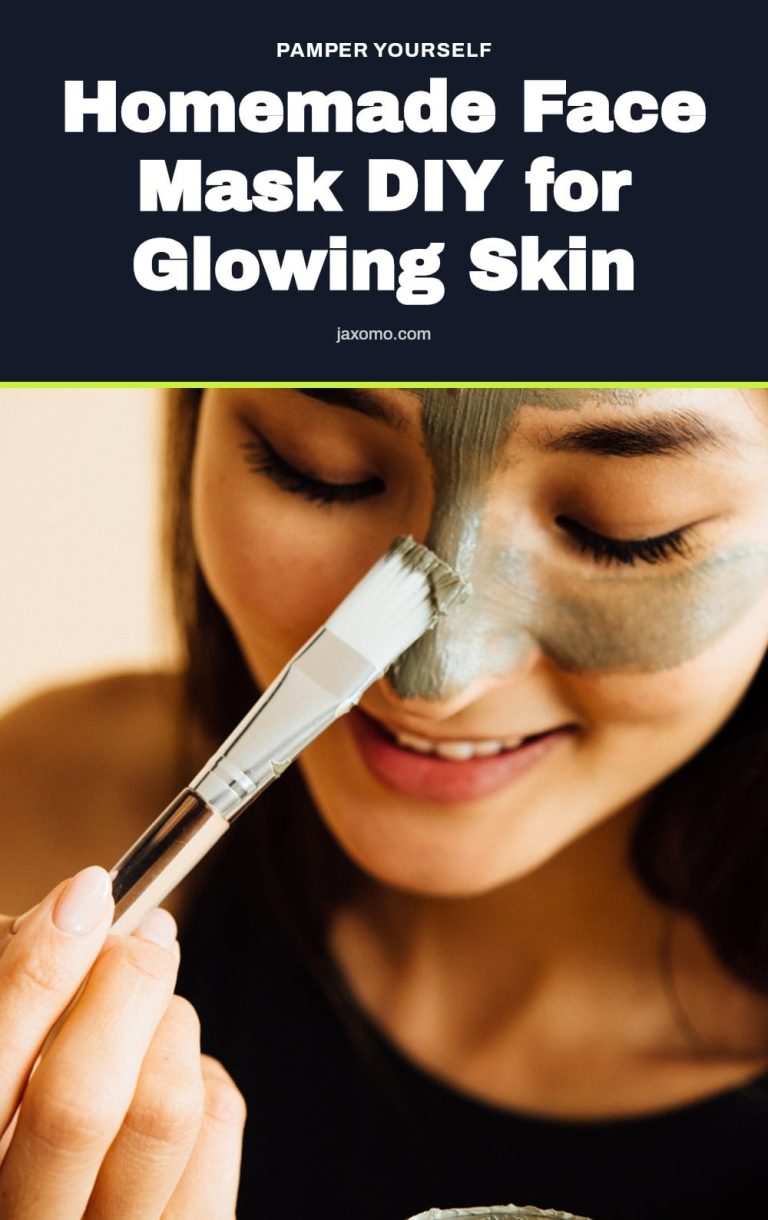
You probably have the ingredients for a great face mask sitting in your kitchen right now. DIY face masks let you skip the long ingredient lists and choose exactly what your skin needs, whether it’s extra hydration, gentle exfoliation, or calming redness. This article covers how to make a simple, safe mask for any skin type, how to customize it, and what common mistakes to avoid.
Using fresh, common items like honey, oatmeal, and yogurt, you can create a mask that targets your specific concerns. The key is picking ingredients that match your skin type and always patch testing before you go all in.
Key Takeaways
- Always patch test a new mask on your inner arm or behind your ear at least 24 hours before applying it to your face.
- For dry or sensitive skin, honey and oatmeal are gentle, hydrating, and soothing choices.
- For oily or acne-prone skin, bentonite clay or plain yogurt can help absorb excess oil and provide gentle exfoliation.
- Leave your mask on for 10 to 20 minutes, then rinse with lukewarm water and follow with your regular moisturizer.
- Use DIY masks 1 to 2 times per week for consistent results, but don’t expect them to cure serious skin conditions.
Why DIY Face Masks Are a Skincare Game Changer
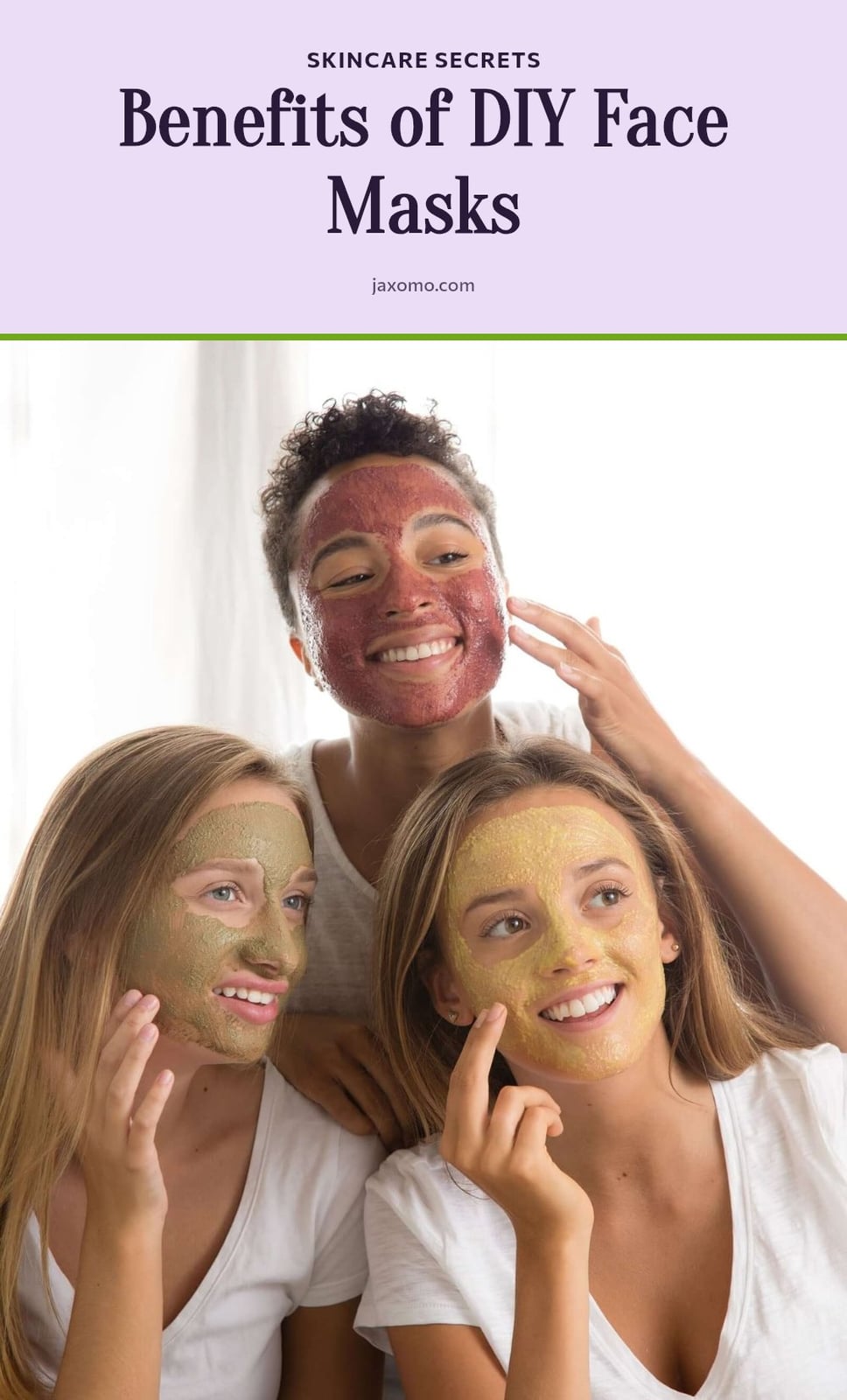
DIY face masks let you skip the long ingredient lists and choose exactly what your skin needs. Using fresh, common items from your kitchen, you can create a mask that targets your specific concerns, whether that is extra hydration, gentle exfoliation, or calming redness. The best part: you avoid harsh chemicals and preservatives often found in store-bought products. A simple honey and oatmeal mix can soothe and moisturize, while a clay mask can help control oil. It is a flexible, natural approach that puts you in control.
Basic Hydrating Honey-Oat Mask Recipe
This simple mask is a great starting point for most skin types, especially dry or sensitive skin. Honey acts as a natural humectant, drawing moisture into the skin, and has antibacterial properties. Oatmeal calms inflammation and reduces redness.
- Ingredients: 1 tablespoon rolled oats (or colloidal oatmeal) and 1 tablespoon raw honey.
- Instructions: Grind the oats into a fine powder using a blender or food processor. Mix with the honey until a smooth paste forms. Apply to clean skin and leave on for 15 minutes. Rinse with lukewarm water.
Step-by-Step: Mixing and Applying Your Mask
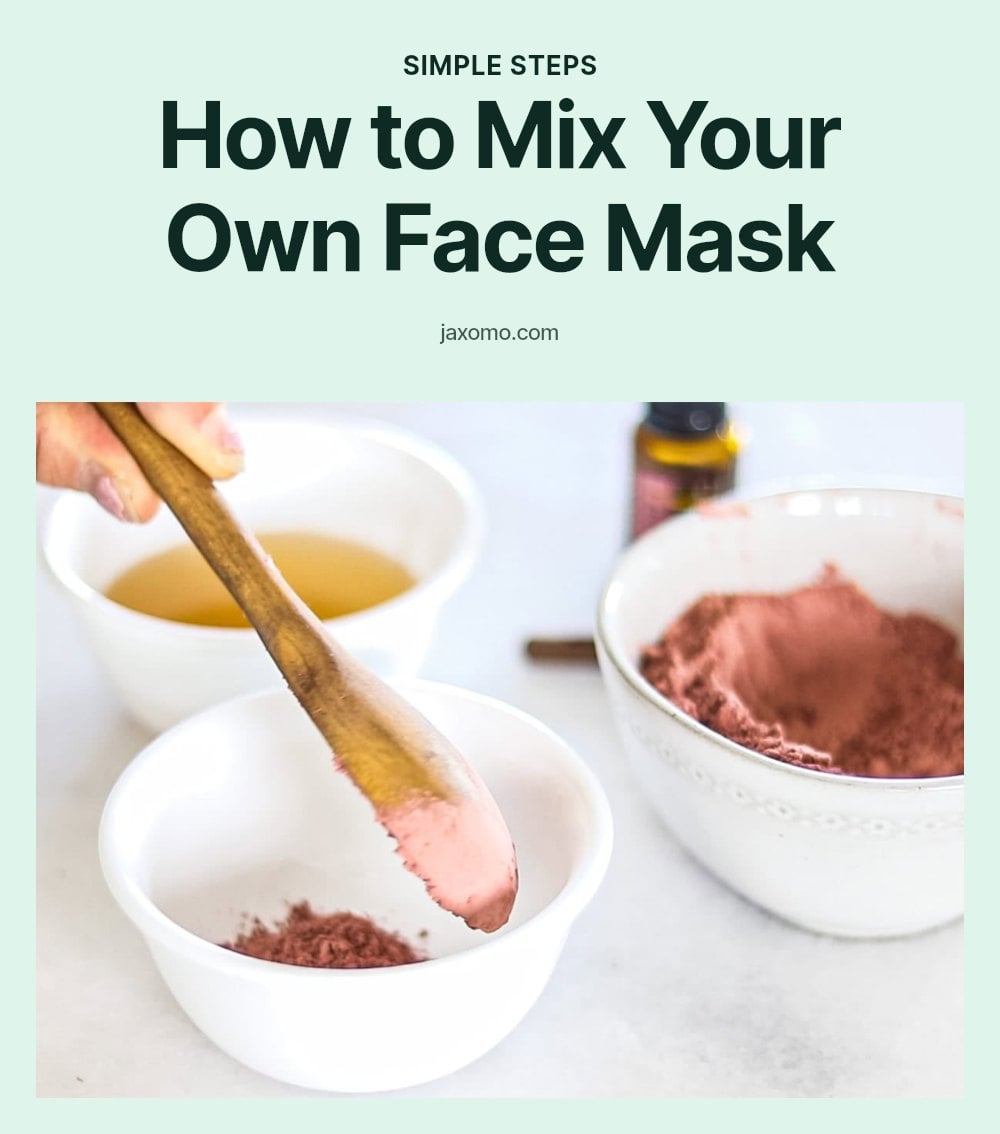
Follow these steps for a safe and effective DIY mask experience.
- Patch test first: Apply a small amount of the mask to the inside of your wrist or behind your ear. Wait 24 hours to check for any redness, itching, or irritation before using it on your face.
- Cleanse your face: Wash your face with a gentle cleanser and pat dry. A clean surface helps the ingredients work better.
- Mix the mask: Combine the ingredients in a clean bowl until you have a smooth, spreadable paste. Use fresh, food-grade ingredients only.
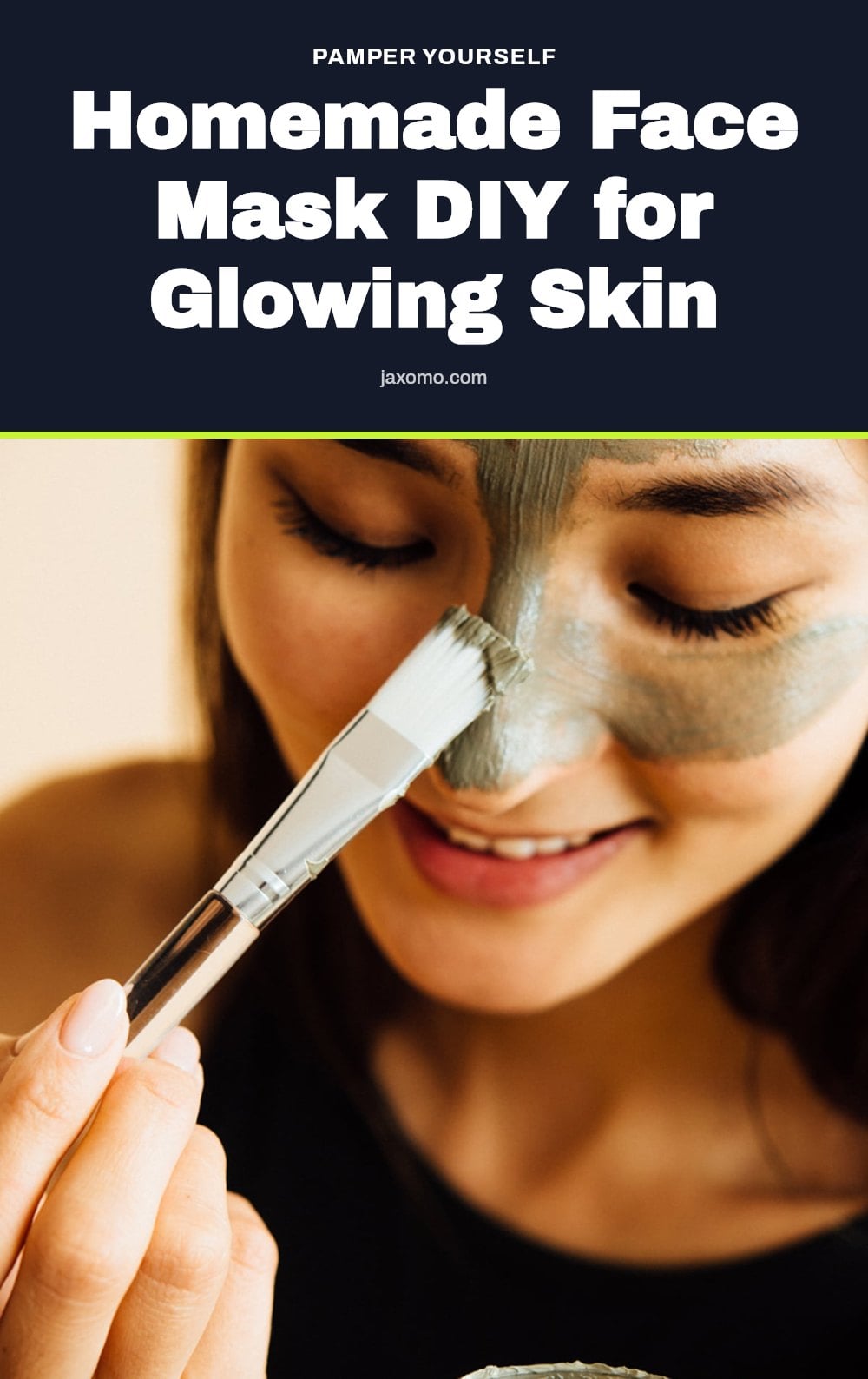
- Apply evenly: Use clean fingers or a soft brush to spread the mask over your face. Avoid the eye area and lips.
- Wait 10-20 minutes: Leave the mask on for the recommended time. Do not leave it on longer, as this can cause dryness or irritation.
- Rinse with lukewarm water: Gently wet your face and massage the mask off with your fingertips. Rinse completely, then pat dry with a clean towel.
- Moisturize: Follow with your regular moisturizer to lock in hydration.
Customizing Your Mask for Specific Skin Concerns
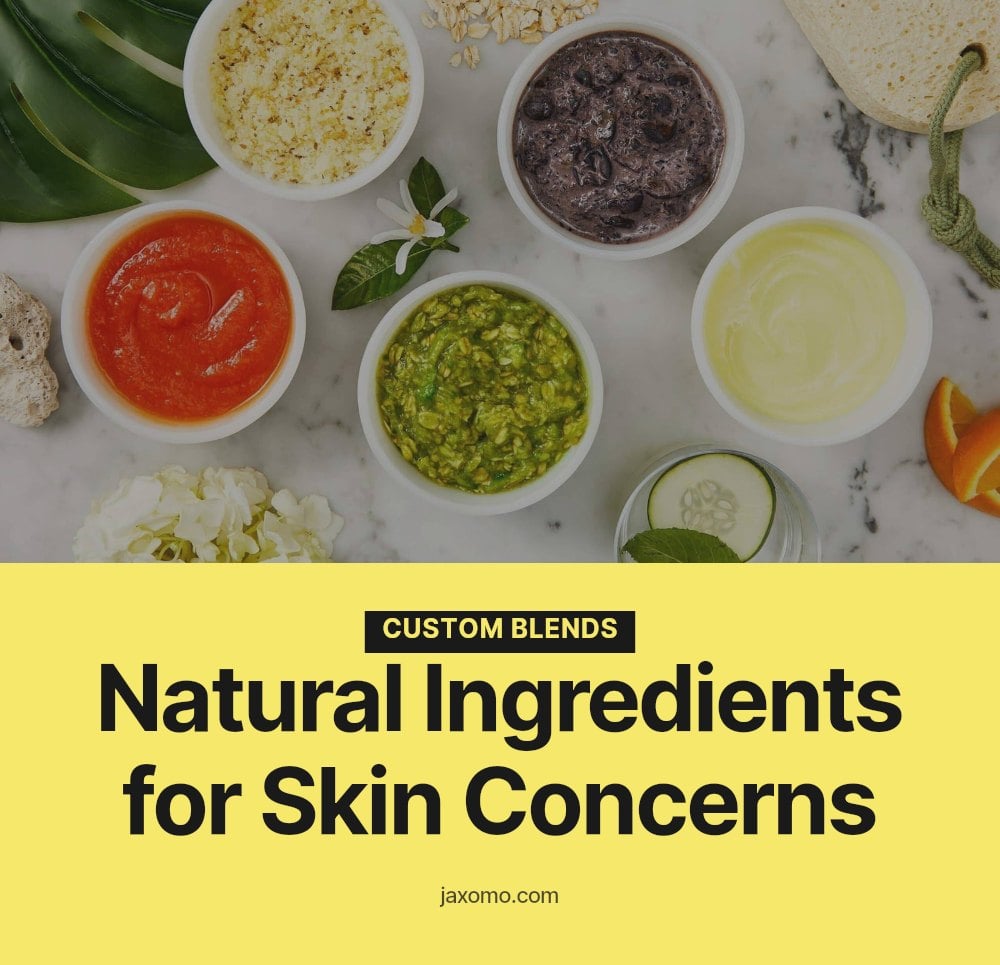
Once you have the basic recipe down, you can adjust ingredients to match your skin type. Here is how to customize your mask for common concerns.
For Oily or Acne-Prone Skin
- Clay or yogurt: Bentonite or kaolin clay absorbs excess oil and draws out impurities. Plain yogurt contains lactic acid, which gently exfoliates and can help brighten skin. Mix 1 tablespoon clay with enough water or yogurt to form a paste.
For Dry or Dehydrated Skin
- Avocado or banana: Both are rich in healthy fats and vitamins that provide deep moisture. Mash half a ripe avocado or banana and mix with 1 tablespoon honey for a nourishing mask.
For Sensitive or Irritated Skin
- Aloe vera or green tea: Aloe vera soothes and cools inflammation. Brewed and cooled green tea adds antioxidants that help calm redness. Mix 2 tablespoons aloe vera gel with 1 teaspoon cooled green tea.
Caution: Avoid pure lemon juice in DIY masks. It is highly acidic and can cause chemical burns or increase your skin’s sensitivity to sunlight. Turmeric can brighten the complexion but may temporarily stain skin yellow. Mix turmeric with yogurt or honey to reduce staining, and rinse off promptly.
Common DIY Face Mask Mistakes to Avoid
Skipping the patch test is one of the most common mistakes. Always test a small amount of the mask on your inner arm or behind your ear at least 24 hours before applying it to your face. This helps you catch any allergic reaction before it spreads.
Using irritating ingredients like pure lemon juice or undiluted essential oils can cause chemical burns or photosensitivity. Stick to gentle, food-grade items such as honey or oatmeal. Leaving a mask on longer than 10-20 minutes can strip natural oils and lead to dryness or irritation. Set a timer to avoid this.
Old or unclean ingredients and tools introduce bacteria to your skin. Use fresh items and a clean bowl each time. Finally, don’t expect miraculous cures. DIY masks support general skin health but cannot treat serious conditions like severe acne or eczema. For those, see a dermatologist.
When to Consult a Dermatologist
If you experience persistent irritation, redness, or allergic reactions after using a DIY mask, stop immediately and consult a dermatologist. For serious skin conditions such as severe acne, rosacea, or eczema, homemade remedies are not a substitute for professional care. If a homemade mask worsens your skin, seek medical advice. A dermatologist can provide a proper diagnosis and prescribe treatments that DIY methods cannot match.
Frequently Asked Questions
How often should I use a DIY face mask?
Most DIY face masks are safe to use 1 to 2 times per week. Using them more often can strip your skin of natural oils or cause irritation. Consistency over several weeks is more important than frequency for seeing improvement.
Can I use store-bought ingredients for my DIY face mask?
Yes, store-bought ingredients are fine as long as they are fresh and food-grade. Avoid anything that has gone bad, is moldy, or has added preservatives or fragrances that might irritate your skin. Pure, plain ingredients work best.
What if my skin feels tingly after applying a mask?
A mild tingling can be normal with certain ingredients like yogurt or clay, but stinging, burning, or intense redness is not. If you feel discomfort, remove the mask immediately with lukewarm water and discontinue use. If irritation persists, consult a dermatologist.
Can DIY face masks help with severe acne?
DIY masks may help with occasional breakouts by absorbing oil or soothing inflammation, but they are not a treatment for severe acne. If you have persistent, painful, or cystic acne, see a dermatologist. Homemade remedies are not a substitute for professional care.
Are DIY face masks safe for all ages?
DIY masks are generally safe for adults and older teens, but children’s skin is more sensitive. For young children, stick to very gentle ingredients like oatmeal and avoid any acidic or strong ingredients. Always patch test first and consult a pediatrician or dermatologist if you have concerns.
Final Thoughts
My tip: start with the simple honey-oat mask if you’re new to DIY skincare. It’s forgiving for most skin types and gives you a feel for the process. Realistic expectation: you won’t see dramatic changes overnight, but with consistent use once or twice a week, many people notice calmer, more hydrated skin over several weeks. When in doubt, patch test first and listen to your skin.
This article is for general informational purposes only and does not constitute medical or dermatological advice. Homemade face masks are not a substitute for professional skincare or treatment. If you have a persistent skin condition, allergy concerns, or experience irritation, consult a dermatologist or healthcare provider.