How to Get Healthy Hair Naturally: Easy Daily Routine
Unlock the secrets to healthy hair naturally with an easy daily routine. Learn gentle care, nutrition, and protection for stronger, shinier hair.

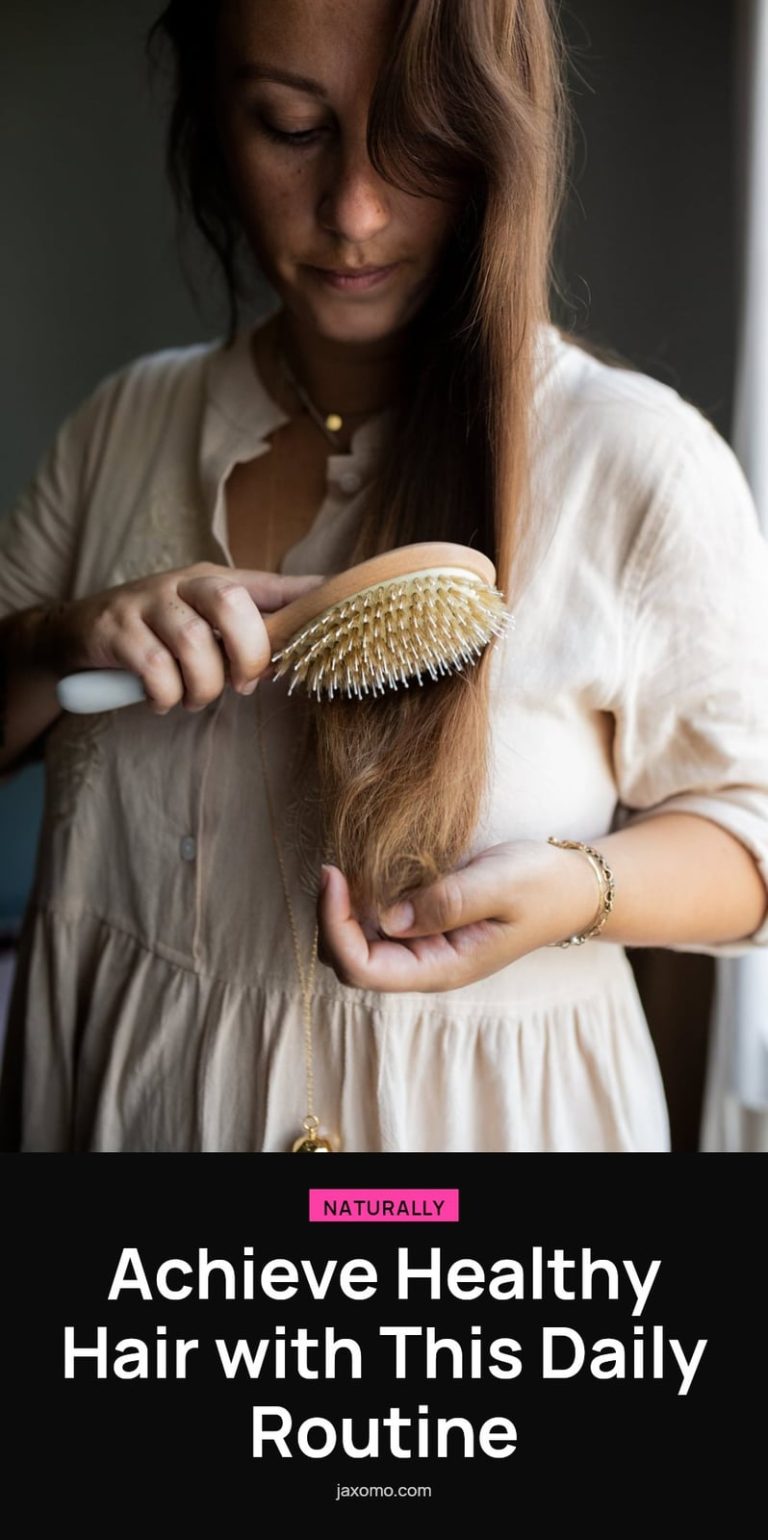
You’ve tried countless products and routines, yet your hair still feels dry, frizzy, or dull. The truth is, healthy hair isn’t about one miracle product, but a consistent daily routine that respects your hair’s natural needs. This article covers the essential steps, common mistakes, and timeline for seeing real results.
Key Takeaways
- Wash with sulfate-free shampoo and condition the ends every time.
- Detangle wet hair with a wide-tooth comb, starting from the ends.
- Air dry whenever possible and always use a heat protectant.
- Eat a diet rich in protein, vitamins, and minerals like iron and zinc.
- Get a trim every 6-8 weeks to prevent split ends.
How to Achieve Healthy Hair Naturally
Healthy hair starts with a consistent routine built on gentle care, proper nutrition, and protection from damage. The key is understanding your hair type and giving it the right balance of moisture and protein. Small, daily changes like using a sulfate-free shampoo or air-drying more often can lead to noticeable improvements in strength, shine, and overall vitality. Focus on what your hair actually needs, not what a product label promises.
Essential Tools and Products for Healthy Hair
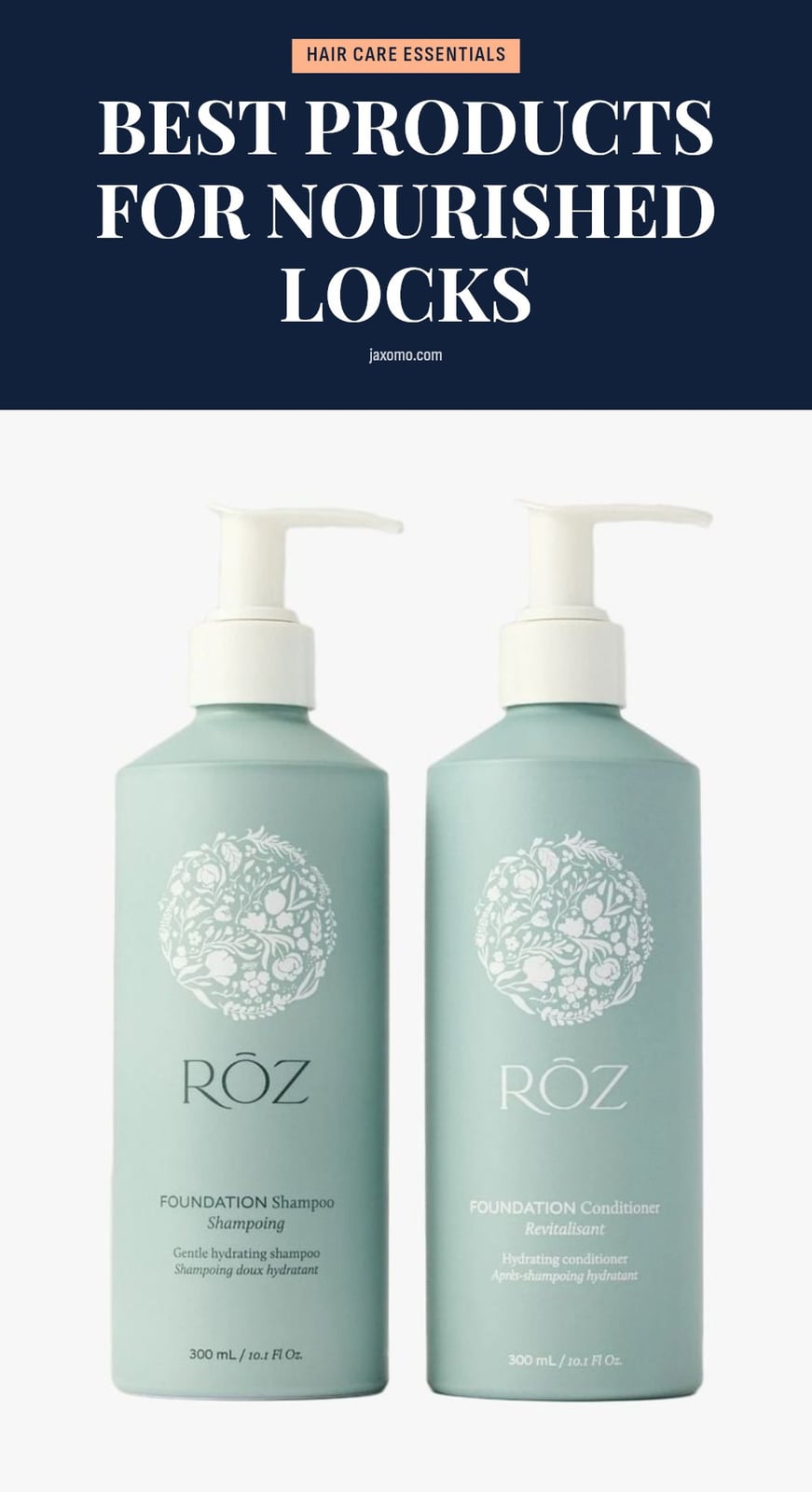
Stock your bathroom with these basics to support your hair goals.
- Sulfate-free shampoo and conditioner: Cleans without stripping natural oils. Pick formulas suited to your hair type.
- Wide-tooth comb: The only tool for detangling wet hair without breakage.
- Microfiber towel or old cotton t-shirt: Reduces friction and frizz compared to a regular towel.
- Heat protectant spray: Necessary before any blow-drying, straightening, or curling.
- Deep conditioning mask: Use weekly to replenish moisture and nutrients.
- Hair oil (argan, jojoba, or coconut): Adds nourishment and seals the cuticle.
- Silk or satin pillowcase: Minimizes friction overnight, reducing breakage and frizz.
Your Step-by-Step Guide to a Healthy Hair Routine
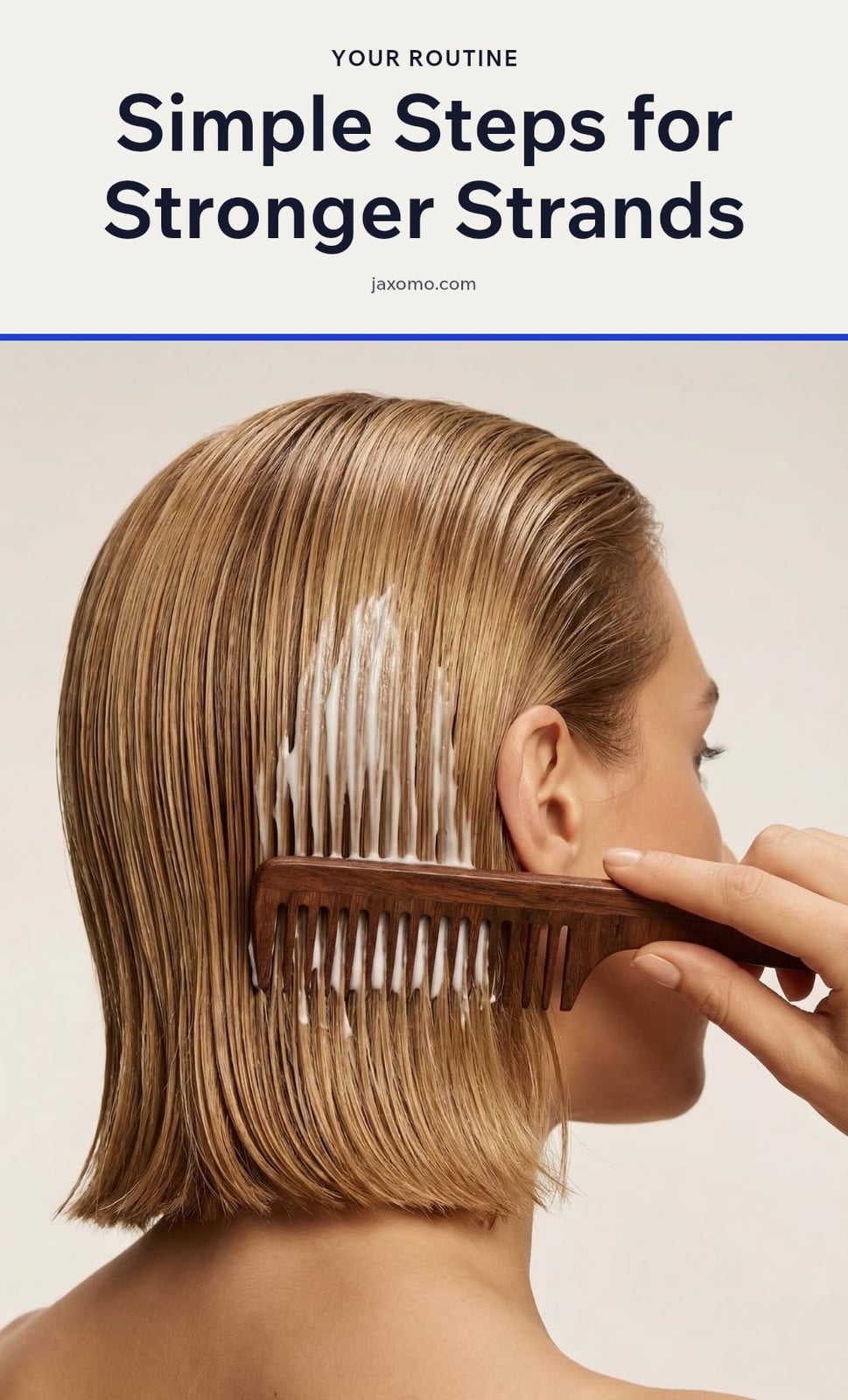
Choose the right shampoo and conditioner: Pick formulas designed for your specific hair type, whether it’s oily, dry, curly, or color-treated. Sulfate-free options clean without stripping natural oils. Use a quarter-sized amount of shampoo and focus it on your scalp, not the lengths.
- Wash gently: Massage your scalp with your fingertips, not your nails, using small circular motions. Rinse with lukewarm water, finishing with a cool rinse to help seal the cuticle and enhance shine. Hot water can dry out your hair and scalp.
- Condition every time: Apply conditioner from the mid-lengths to the ends, avoiding the roots unless your hair is very dry. Leave it on for 2-3 minutes before rinsing.
- Rinse thoroughly: Spend an extra 30 seconds rinsing to remove all product residue. Leftover conditioner can weigh hair down and cause buildup over time.
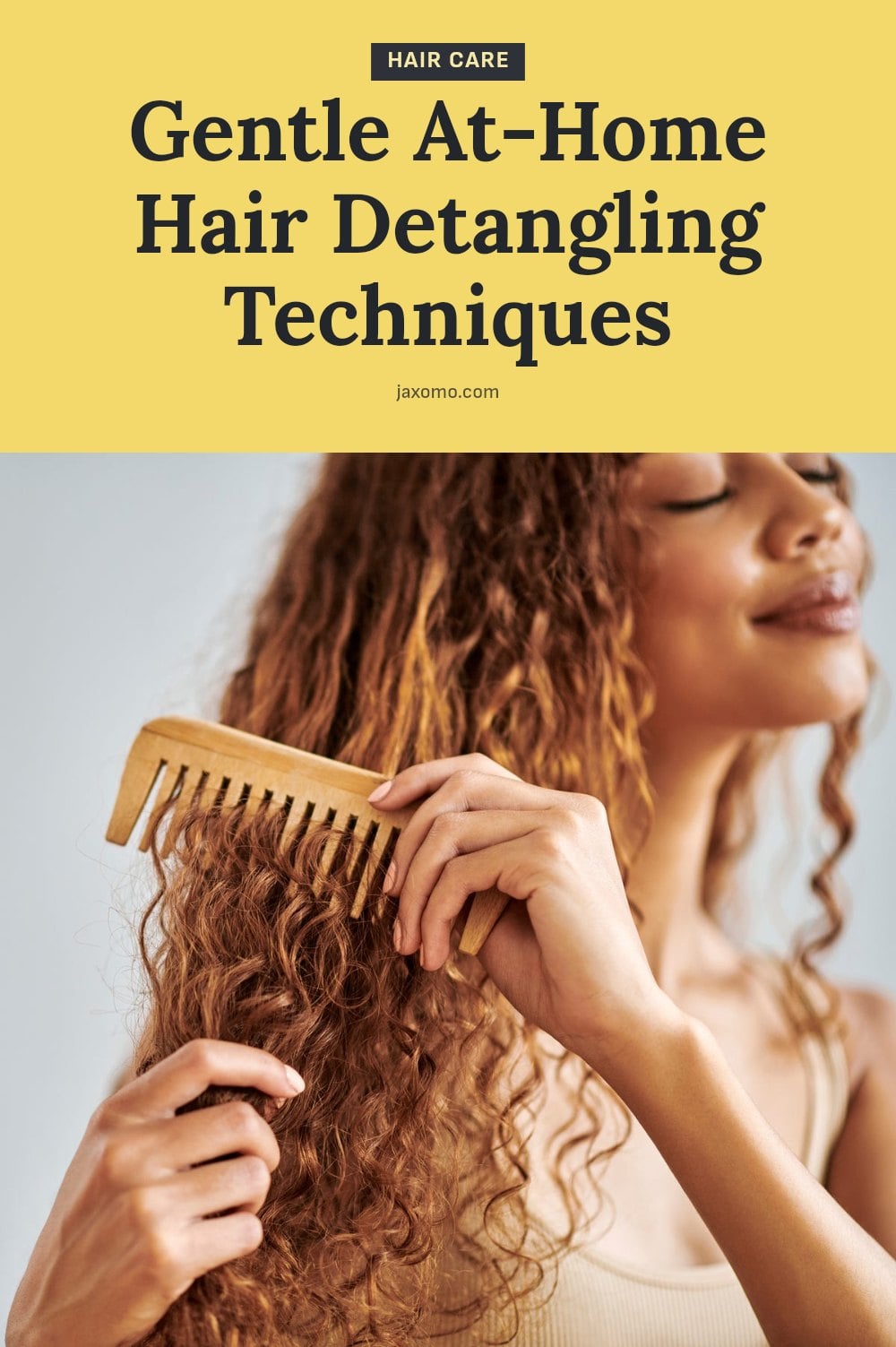
- Detangle wet hair gently: Use a wide-tooth comb, starting at the ends and working your way up. Never pull through knots aggressively, as wet hair is more elastic and prone to breakage.
- Dry without rubbing: Wrap your hair in a microfiber towel or an old cotton t-shirt and press gently to absorb excess water. Rubbing with a regular towel creates friction that damages the cuticle and leads to frizz.
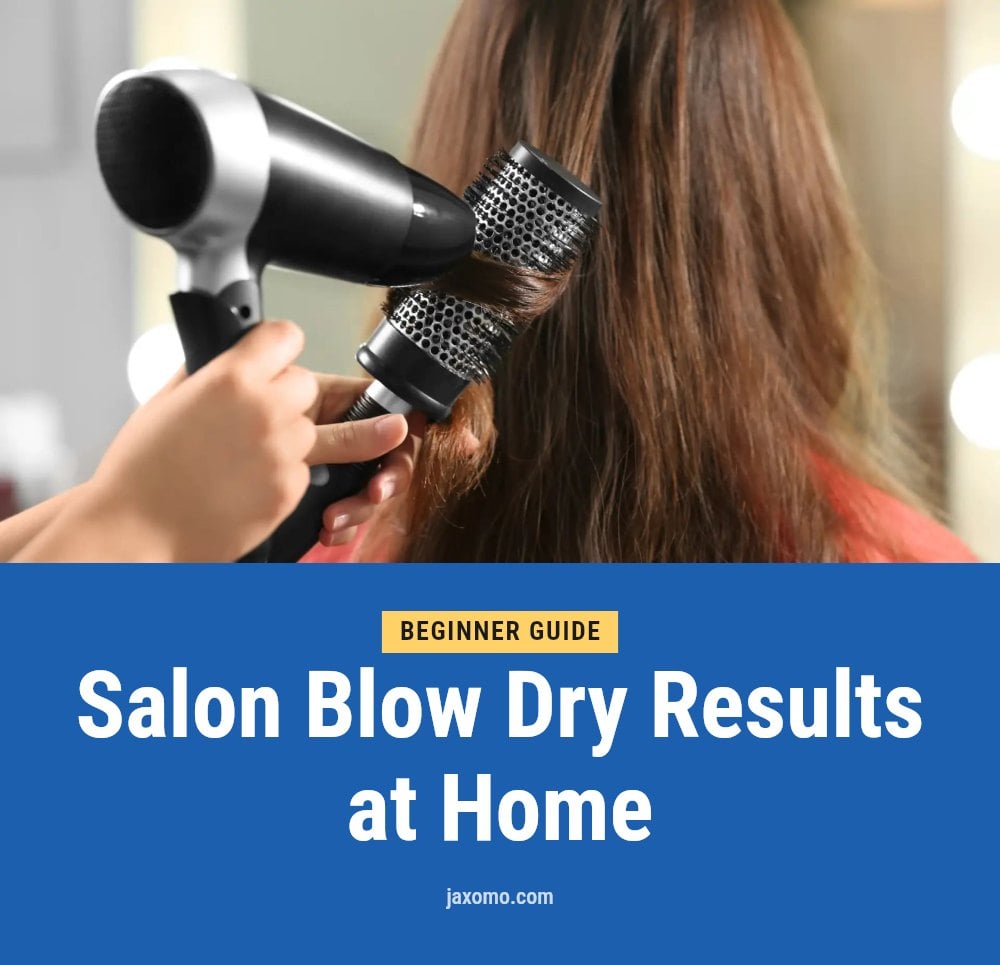
- Air dry when possible: Letting your hair dry naturally avoids heat damage from blow dryers. If you must use heat, apply a heat protectant spray first and keep the dryer on a low or medium setting.
My tip: If your hair feels weighed down after conditioning, try a lightweight leave-in conditioner instead of a heavy rinse-out formula. This gives you moisture without the risk of buildup.
Understanding What Damages Your Hair
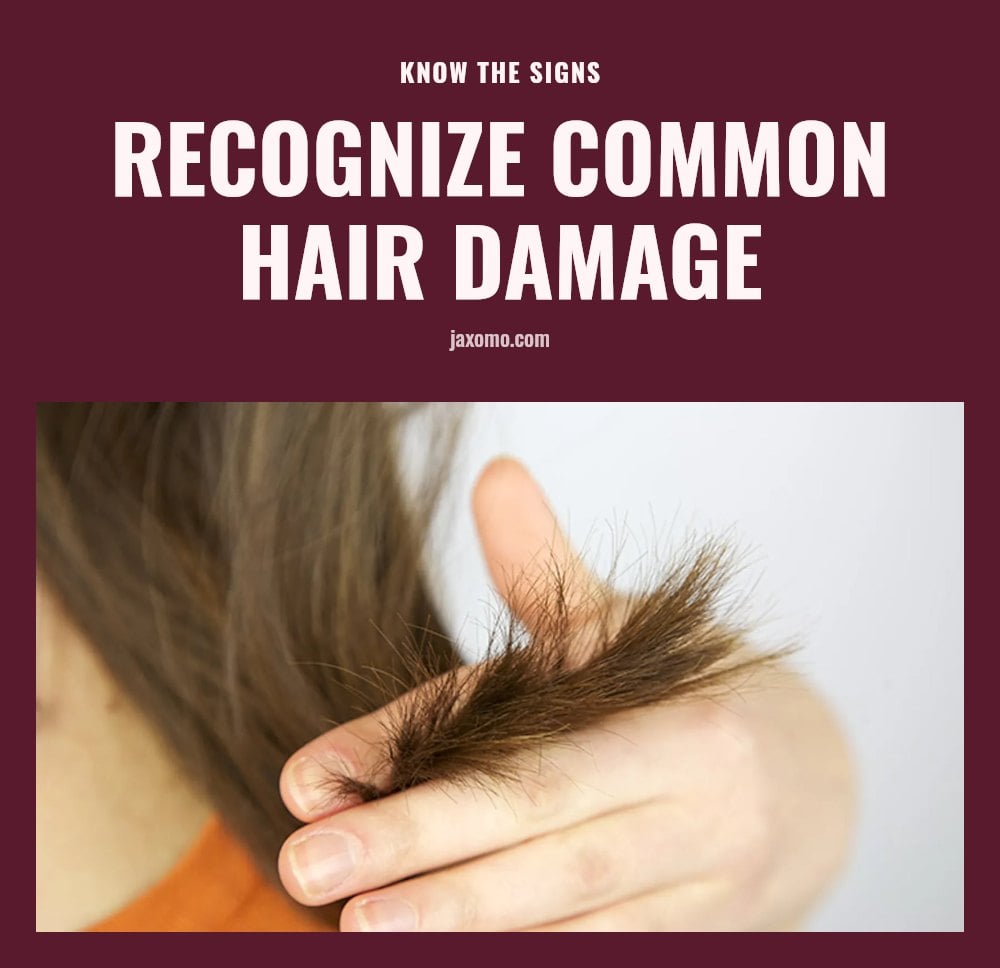
What’s happening inside your hair
Hair is made mostly of keratin, a protein. The outer layer, the cuticle, protects the inner structure and reflects light to give hair its shine. When the cuticle is damaged, hair looks dull and feels rough.
Common causes of damage
- Over-washing: Strips the scalp’s natural oils (sebum), leaving hair dry and brittle.
- Heat styling: Blow dryers, straighteners, and curling irons warp the cuticle, leading to breakage and frizz.
- Aggressive brushing of wet hair: Hair is more elastic when wet, so pulling a brush through it causes snapping and split ends.
- UV radiation: Sun exposure weakens the protein structure, dries out the strands, and fades color.
Common Hair Care Mistakes to Avoid
Using too much shampoo or conditioner leaves residue that weighs hair down and dulls shine. Use just enough to cleanse or condition. Skipping conditioner because your hair feels oily is a mistake. Conditioner provides essential moisture and protection for the ends, even on oily scalps. Ignoring scalp health can hinder growth. Gently massage your scalp while washing to stimulate circulation, and avoid harsh sulfates that cause irritation. Washing hair daily strips natural oils. Adjust frequency to your hair type: oily hair may need every other day, dry hair twice a week. Not protecting hair from sun and chlorine causes damage. Wear a hat or use a UV-protective spray outdoors, and rinse hair with fresh water after swimming. Over-brushing creates friction and breakage. Brush only when needed, using a wide-tooth comb on wet hair and a soft bristle brush on dry hair.
Advanced Tips for Maximizing Hair Health

Nourish from within with a diet rich in protein, vitamins A, C, D, E, and B, plus minerals like iron and zinc. These nutrients support strong hair growth from the root. Get regular trims every 6-8 weeks to remove split ends and prevent them from traveling up the shaft. Finish your wash with a cool rinse to help seal the cuticle and enhance shine. Protect your hair from UV radiation by wearing a hat or using a UV-protective spray when you’re outdoors. Avoid tight hairstyles, especially when hair is wet, to prevent breakage at the hairline and along the shaft. My tip: If you use heat tools, always apply a heat protectant spray first to minimize cuticle damage.
When to Expect Results and What to Budget
Consistent daily and weekly practices will show noticeable improvements in hair health within 4-8 weeks. Full results become apparent over several months as new, healthier hair grows. The cost of healthy hair care ranges from budget-friendly drug store options to premium salon brands. Focus on ingredient quality over price. Most practices are daily or weekly, with trims every 6-8 weeks.
When to Consult a Professional for Hair Concerns
Consult a dermatologist or doctor if you notice significant hair loss or thinning that is unusual for you. Seek help for sudden changes in hair texture, such as unexplained dryness, brittleness, or oiliness. Persistent scalp irritation like redness, itching, burning, or flaking that doesn’t improve with gentle care also warrants a professional opinion. These symptoms can sometimes indicate nutritional deficiencies, hormonal imbalances, or other medical conditions.
Frequently Asked Questions
How often should I wash my hair for optimal health?
It depends on your hair type. For most people, washing 2-3 times a week is enough to remove buildup without stripping natural oils. If your hair is very oily, you might need more frequent washing, but try to stretch it out gradually. If your hair is dry or curly, washing once a week may be sufficient.
Can diet truly impact my hair’s health and growth?
Yes, a balanced diet is crucial. Hair is made of protein, so adequate protein intake is essential. Vitamins A, C, D, E, and B, along with minerals like iron and zinc, support hair growth and strength. Deficiencies can lead to dull, brittle hair or increased shedding.
What is hair porosity and why does it matter?
Hair porosity refers to how well your hair absorbs and retains moisture. Low porosity hair repels moisture, while high porosity hair absorbs it quickly but loses it fast. Knowing your porosity helps you choose the right products and treatments, like lightweight oils for low porosity or heavier creams for high porosity.
Are expensive hair products necessary for healthy hair?
No, price doesn’t guarantee quality. The best products are those that suit your hair type and porosity, regardless of cost. Look for sulfate-free formulas and ingredients that address your specific concerns. Budget-friendly options can work just as well as premium brands.
How can I protect my hair from sun damage?
UV radiation can dry out hair, fade color, and weaken the protein structure. Wear a hat when spending extended time in the sun, or use a UV-protective spray. If you swim in chlorinated pools, rinse your hair with fresh water before and after to minimize damage.
Final Thoughts
Start with one simple change today, like swapping your regular shampoo for a sulfate-free one or air-drying your hair twice a week. Expect noticeable improvements in 4-8 weeks, with full results appearing over several months as new hair grows. Be patient and consistent, and your hair will thank you.
This article is for general informational purposes only and is not a substitute for professional medical or hair care advice. If you experience significant hair loss, sudden changes in texture, or persistent scalp irritation, consult a dermatologist or doctor.