Strength Training for Beginners: Your Guide to Getting Started
New to strength training? Learn how to start safely and effectively with our guide, covering exercises, form, and common mistakes for women.

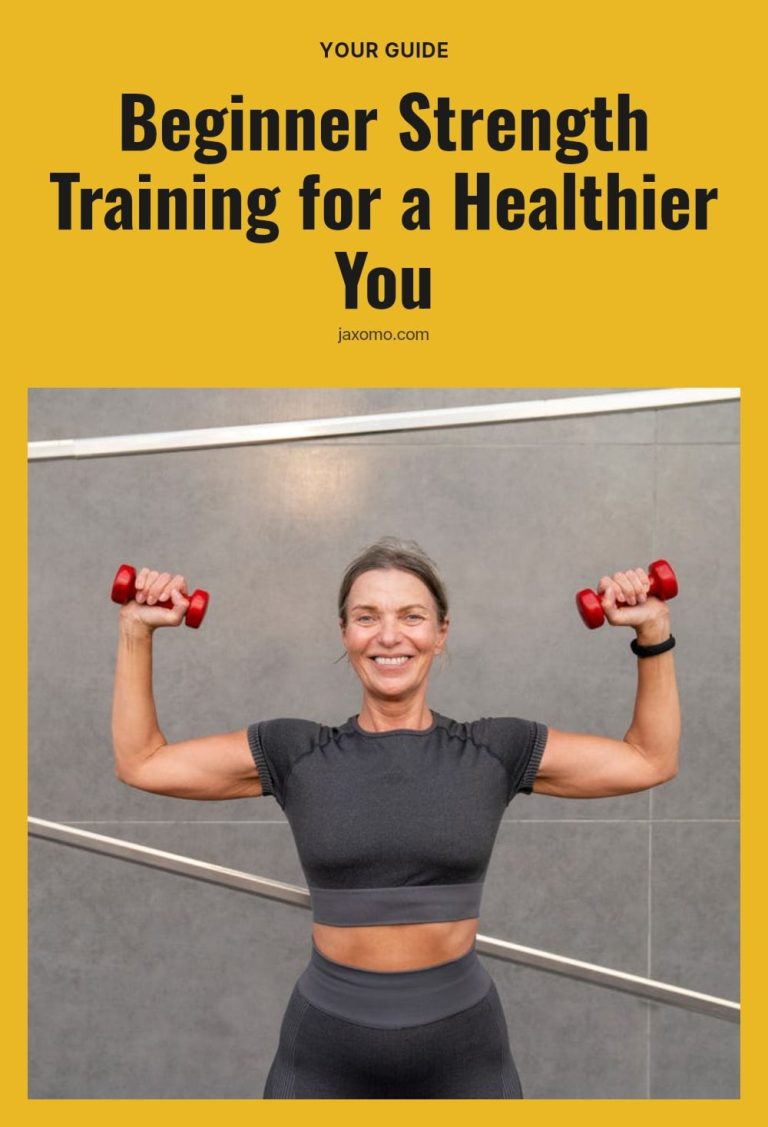
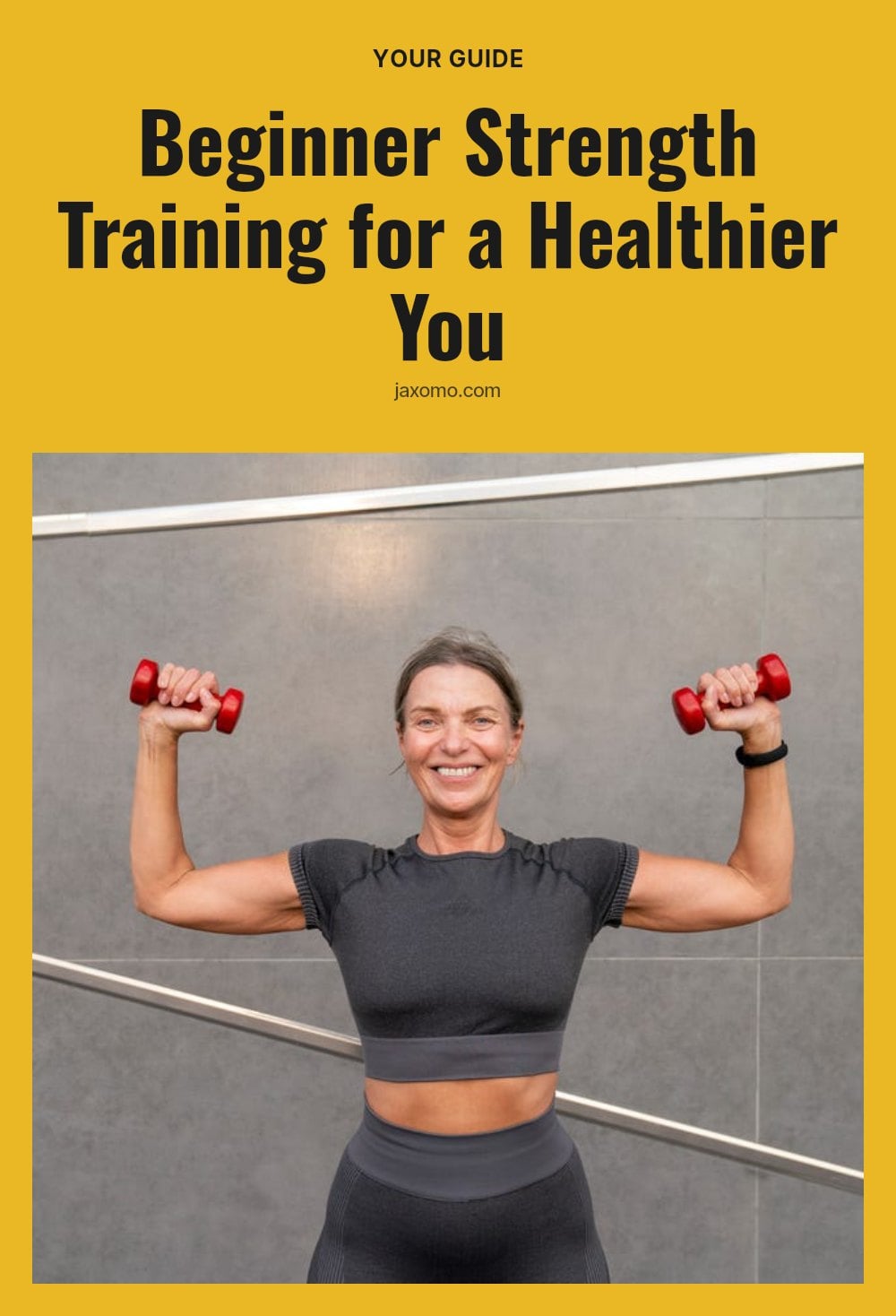
If you are ready to get stronger, feel more capable in your daily life, and build a body that works for you, strength training is the way to go. It is not about lifting the heaviest weight in the room; it is about using resistance, from dumbbells to your own body weight, to build muscle and confidence. This guide covers exactly how to start safely, what gear you actually need, and how to avoid the common beginner mistakes that slow you down.
Key Takeaways
- Start with bodyweight exercises to master form before adding external resistance.
- Aim for 2 to 3 strength training sessions per week with at least one rest day between same muscle groups.
- Focus on compound movements like squats, push-ups, and rows to work multiple muscles at once.
- Increase weight, reps, or sets gradually over time for continued progress.
- Always warm up with light cardio and dynamic stretches, and cool down with static stretches.
What is Strength Training and Why Should Women Do It?
Strength training, also called resistance training, is any exercise where your muscles work against a force, dumbbells, resistance bands, machines, or your own body weight. The goal is to build muscle, strength, and endurance. For women, the benefits go far beyond appearance. Regular strength training increases bone density, which helps prevent osteoporosis later in life. It also boosts your resting metabolism because muscle tissue burns more calories than fat, even when you are sitting still. And it improves functional strength, making everyday tasks like carrying groceries or lifting kids easier. No, you will not get bulky. Most women lack the testosterone to build large muscles without very specific, heavy training.
Essential Gear for Your Strength Training Journey
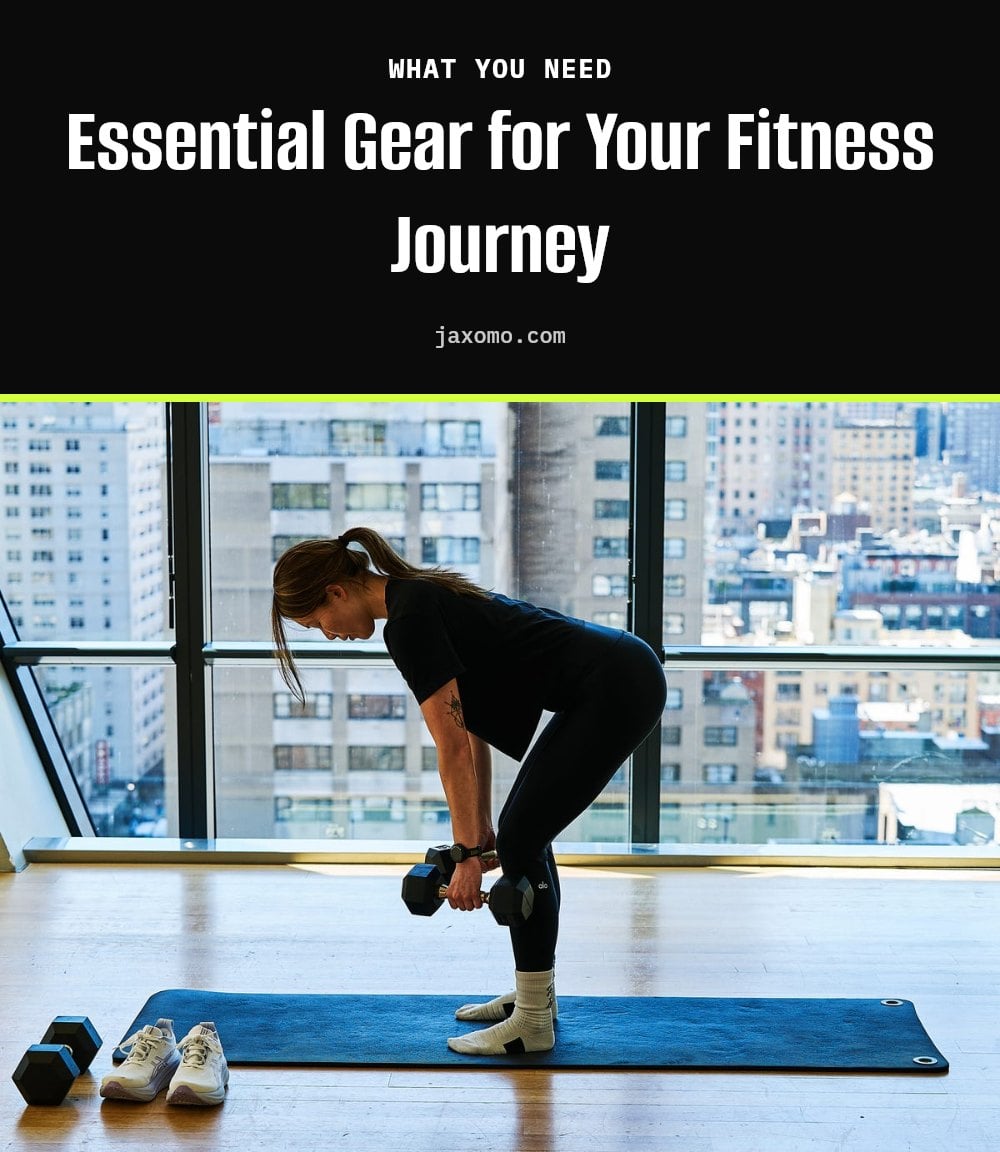
You do not need a gym membership or a closet full of gear to start. Here is what actually matters.
- Dumbbells: A pair of medium-weight dumbbells (5-15 lbs) covers most beginner exercises. You can use them for rows, presses, goblet squats, and more.
- Resistance bands: Lightweight and portable, bands are perfect for travel and for adding variable resistance to moves like glute bridges or lateral walks.
- A yoga mat: Floor exercises like planks, glute bridges, and push-ups need a non-slip surface for comfort and grip.
- Proper workout shoes: Flat, stable shoes with a wide toe box keep your feet grounded during lifts. Avoid running shoes with thick cushioning. They can throw off your balance.
Your Step-by-Step Guide to Starting Strength Training
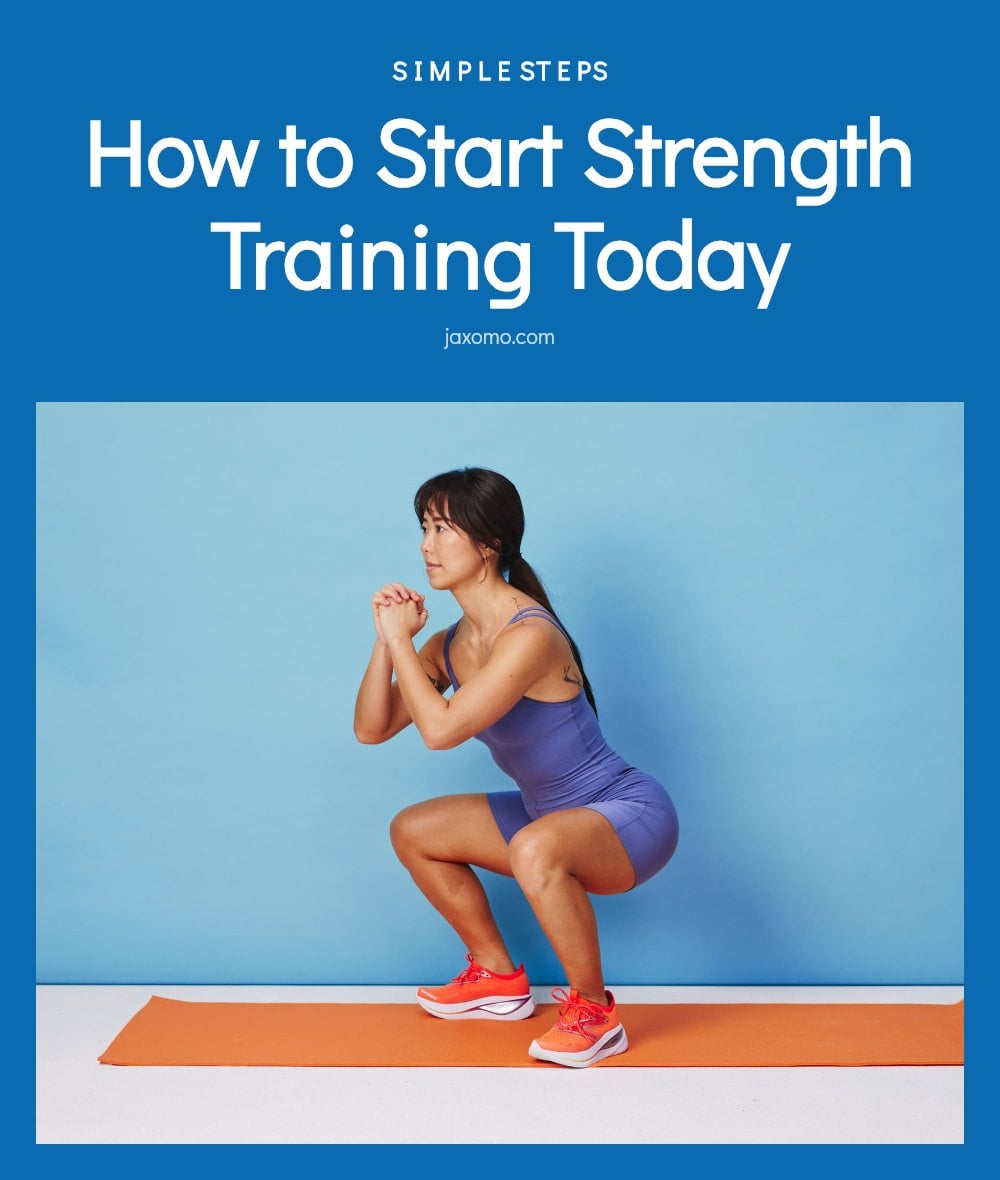
Starting strength training safely comes down to a few non-negotiable steps. Follow them in order, and you will build a strong foundation.
- Consult your doctor: Before any new exercise program, especially if you have a pre-existing health condition, injury, or are pregnant, get medical clearance.
- Warm up: Spend 5-10 minutes on light cardio (brisk walking, jumping jacks) followed by dynamic stretches like leg swings and arm circles. This increases blood flow and reduces injury risk.
- Master form with bodyweight: Practice squats, push-ups (on knees if needed), and glute bridges without any added weight. Focus on controlled movement and alignment before picking up a dumbbell.
- Choose your starting weight: Pick a weight that lets you complete 8-12 repetitions with good form. The last 2-3 reps should feel challenging but not impossible. Do 2-3 sets per exercise.
- Target all major muscle groups: Include compound movements that work multiple joints, squats, deadlifts, rows, chest presses, and overhead presses. This hits your chest, back, shoulders, arms, core, glutes, and legs in one session.
- Apply progressive overload: Each week, try to add one more rep, one more set, or slightly more weight. This gradual increase is what tells your muscles to keep growing and getting stronger.
- Cool down: End with 5 minutes of static stretches, hold each stretch for 20-30 seconds without bouncing. This helps reduce muscle stiffness.
- Schedule rest days: Never train the same muscle group intensely two days in a row. Aim for 2-3 strength sessions per week with at least 48 hours of rest between them for each muscle group.
Common Strength Training Mistakes and How to Fix Them
Even with good intentions, a few common habits can slow your progress or cause injury. Here is what to watch for and how to fix it.
- Using momentum instead of muscle control: Swinging weights takes the tension off the target muscle. Slow down each rep, 2 seconds up, 2 seconds down.
- Not progressively challenging yourself: Doing the same weight and reps for weeks leads to plateaus. Increase weight, reps, or sets by a small amount each week.
- Neglecting certain muscle groups: Skipping back or leg work creates imbalances that can lead to poor posture and injury. Include exercises for every major group in your routine.
- Not allowing enough rest and recovery: Muscles repair and grow during rest, not during the workout. Schedule at least one full rest day between sessions for the same muscles.
- Skipping proper nutrition: Your muscles need protein to repair after training. Aim for a source of protein, eggs, chicken, tofu, or a shake, within a couple of hours after your workout.
Top Tips for a Successful Strength Training Routine

Listen to your body: Muscle fatigue during the last rep is normal. Sharp pain, a popping sensation, or dizziness is not. Stop immediately if something feels wrong and rest that muscle group for a few days.
Stay hydrated: Drink water before your workout, sip during breaks, and rehydrate after. Even mild dehydration can reduce strength and coordination.
Engage your core: Tighten your abdominal muscles before each rep. This stabilizes your spine and transfers power from your lower body to your upper body. Breathe properly: Exhale during the hard part (lifting or pushing) and inhale as you return to the starting position. Do not hold your breath.
Consider professional guidance: A certified personal trainer can watch your form for one or two sessions and correct habits you may not notice yourself. Many offer single-session consultations.
What to Expect: Timeline and Consistency
Most women notice a difference in how their clothes fit and how easily they can lift everyday objects within 4 to 6 weeks of consistent training. Significant muscle definition and strength gains usually take several months. The key is consistency, not intensity. Two to three sessions per week with at least one rest day between them will produce better long-term results than sporadic hard workouts.
You can start strength training at home with zero cost using bodyweight exercises. Resistance bands and a pair of dumbbells cost very little and offer plenty of room to progress for months.
When to Consult a Professional or Stop Your Workout
Consult your doctor before starting strength training if you have a pre-existing health condition, an old injury, or are pregnant. Stop your workout immediately if you feel sharp pain, chest pain, dizziness, or nausea. These are not signs of a good workout.
If you are unsure about proper form for a specific exercise, a certified personal trainer can teach you in one session. If pain in a joint or muscle persists after a few days of rest, see a medical professional to rule out an injury before training that area again.
Frequently Asked Questions
How long does it take to see results from strength training?
Most women notice a difference in how their clothes fit and how easily they can lift everyday objects within 4 to 6 weeks of consistent training. Significant muscle definition and strength gains usually take several months. The key is consistency, not intensity.
Can strength training help with weight loss?
Yes, it can help. Muscle tissue burns more calories at rest than fat tissue, so building muscle can boost your metabolism. Combined with a balanced diet and adequate protein intake, strength training supports weight loss by increasing your overall calorie burn throughout the day.
Do I need a gym membership to start strength training?
Not at all. You can start with bodyweight exercises like squats, push-ups, and lunges at home. Resistance bands or a pair of medium-weight dumbbells (5 to 15 lbs) are affordable additions that give you more options without a gym membership.
What should I eat after a strength training workout?
Focus on getting protein and carbohydrates within a couple of hours after your workout. Protein helps repair and build muscle, while carbs replenish your energy stores. A simple option is a smoothie with protein powder and fruit, or a chicken and vegetable wrap.
Final Thoughts
My tip for you: pick just two or three compound exercises and do them consistently for a month before adding anything new. You do not need a gym or fancy gear, just your body and a commitment to showing up. Expect to feel stronger and notice changes in how your clothes fit within 4 to 6 weeks if you stick with it. That feeling of lifting something heavy that used to be impossible is worth every rep.
This article is for general informational purposes only and does not constitute medical or professional advice. Always consult your doctor before starting any new exercise program, especially if you have a pre-existing health condition, injury, or are pregnant. Stop your workout immediately if you experience sharp pain, dizziness, or nausea.