How to Minimize the Appearance of Pores for Smoother Skin
Learn how to effectively minimize the appearance of pores and achieve smoother skin. Discover expert tips and product recommendations for a clearer complexion.


If you’ve ever caught your reflection in a magnifying mirror and felt frustrated by visible pores, you’re not alone. The good news is that while you can’t permanently shrink them, you can absolutely minimize their appearance with the right routine. This article walks you through the causes, a step-by-step skincare plan, key ingredients, and common mistakes to avoid, so you can achieve smoother-looking skin.

Key Takeaways
- Pore size is genetic and fixed; focus on minimizing appearance, not shrinking.
- Cleanse daily with a salicylic acid-based cleanser to remove oil and dead skin.
- Incorporate retinoids and niacinamide to control oil and boost collagen.
- Use clay masks and non-comedogenic moisturizers to manage excess oil.
- Expect noticeable improvements within several weeks to months of consistent care.
Can You Really Shrink Your Pores?
If you’ve ever stared in a magnifying mirror and wished your pores would just disappear, you’re not alone. The truth: pore size is largely genetic and fixed, so you can’t permanently shrink them. What you can do is significantly minimize their appearance by keeping them clean, controlling oil, and improving skin elasticity. Consistent skincare with the right ingredients can make a noticeable difference, and that’s what this routine is about.
Why Pores Appear Larger Than They Are
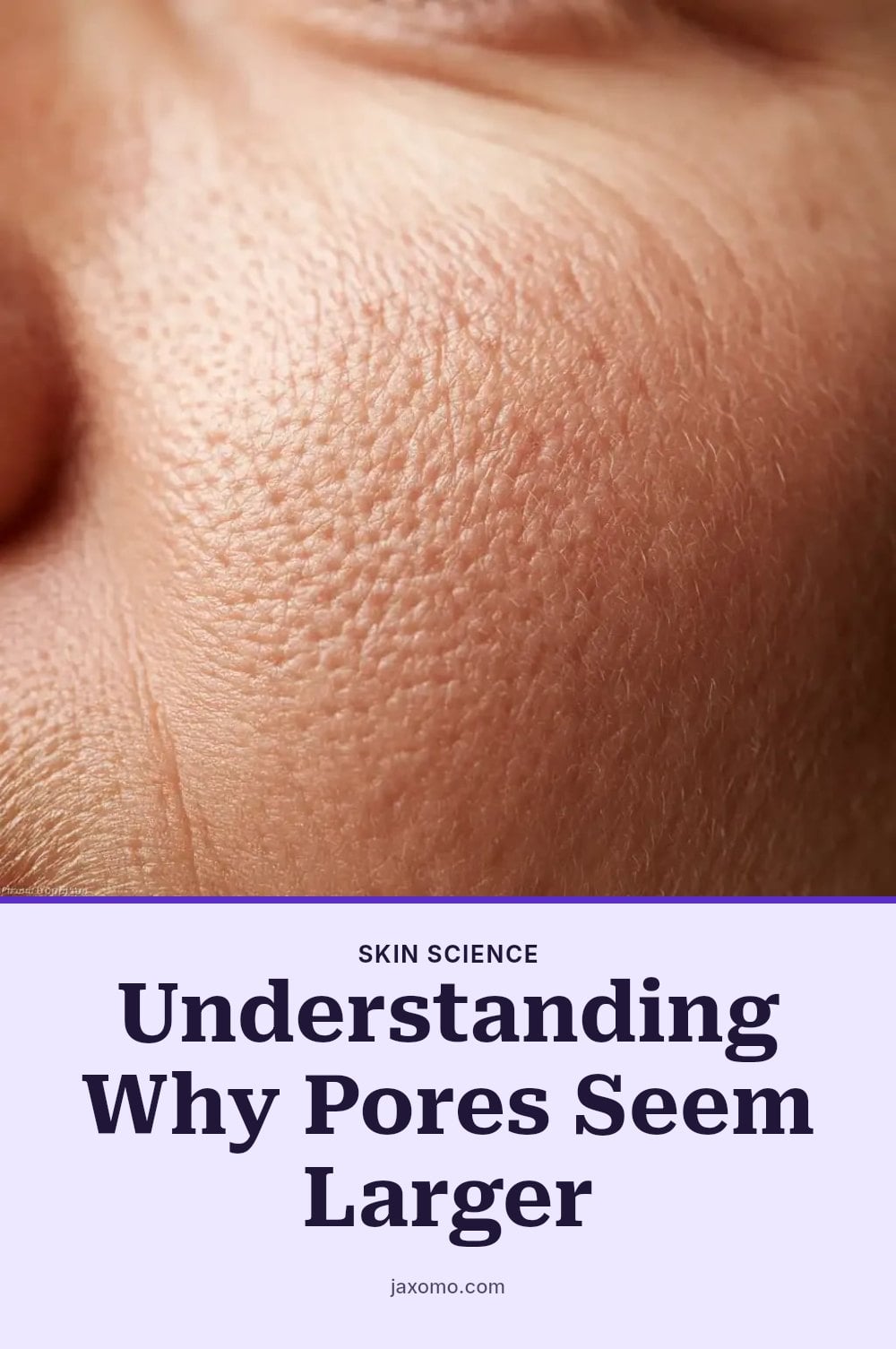
Pores are tiny openings on your skin that let sweat and sebum reach the surface. Each one houses a hair follicle and an oil gland. Their size is mostly determined by genetics, your skin type (oily skin often has larger-looking pores), and age. But several factors can make them appear bigger than they really are.
What Makes Pores Look Larger
- Clogged pores: When oil and dead skin cells build up, they stretch the opening, making it more visible.
- Loss of collagen: As you age, your skin loses elasticity and collagen, causing pores to sag and look larger. Sun damage accelerates this process.
- Hormonal fluctuations: Changes in hormones can increase sebum production, which makes pores more noticeable.
- Genetics and skin type: Some people naturally have larger pores, especially if they have oily skin.
Your Step-by-Step Routine to Minimize Pore Appearance
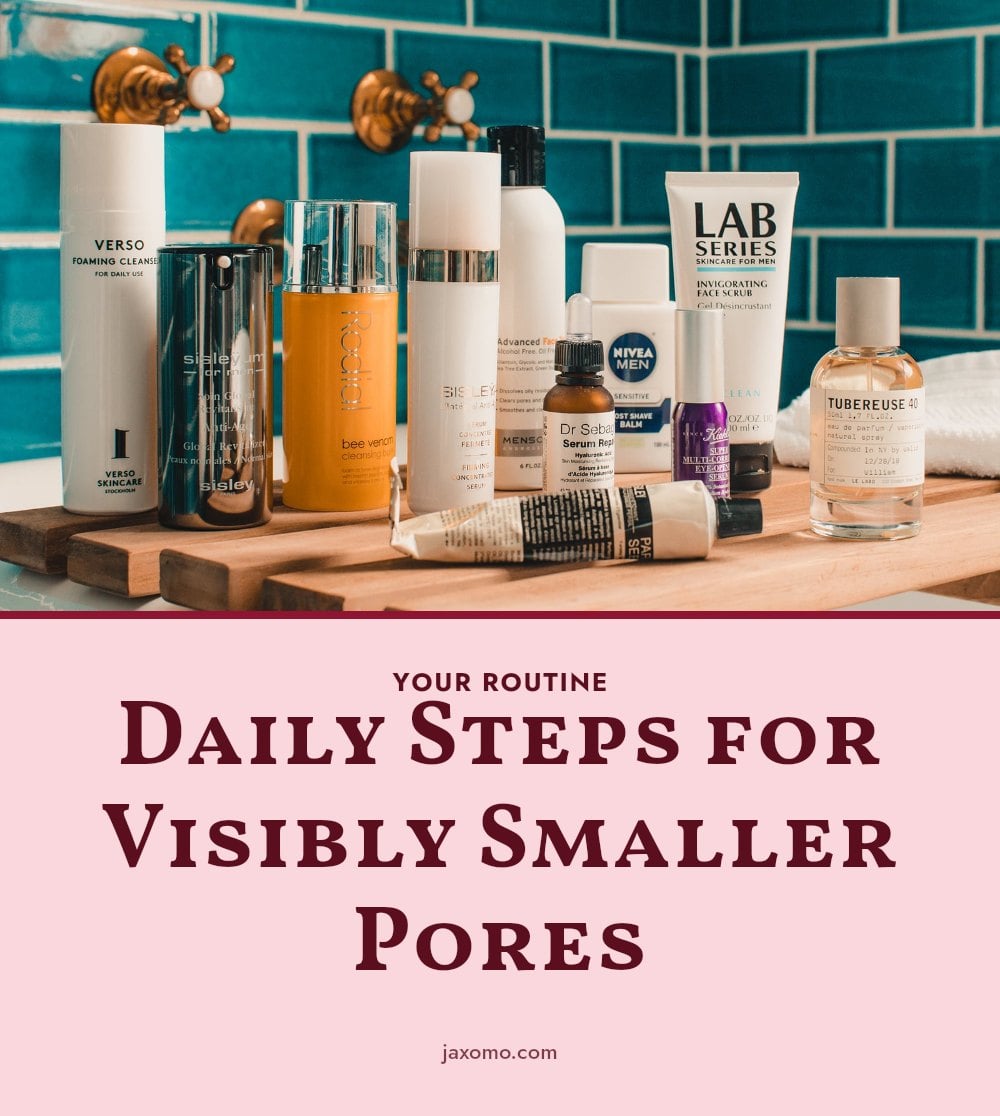
This step-by-step routine follows the method dermatologists recommend for minimizing pore appearance. Consistency is key, and you’ll see results in several weeks to months.
- Cleanse to remove oil and dead skin: Use a salicylic acid-based cleanser or an oil-based cleanser daily. For deeper cleaning, professional facials can help, but use pore strips very sparingly, at most once a month or every two months, and avoid them entirely if you use retinol, as they can cause irritation or pull off skin.
- Control oil production: Incorporate ingredients like retinoids, niacinamide, green tea, L-carnitine, or azelaic acid into your routine. These help regulate sebum so pores stay less filled.
- Absorb oil as it forms: Choose a moisturizer with oil-absorbing ingredients like perlite or silica. These manage oil throughout the day without drying out your skin.
- Promote skin cell turnover: Use retinoids or salicylic acid to thin the top layer of skin (stratum corneum). This makes pores appear smaller by reducing the buildup around them.
- Strengthen collagen structures: Retinoids and glycolic acid help build collagen, which ‘hugs’ pores tighter. For more significant structural changes, consider in-office treatments like microneedling or laser resurfacing.
- Protect your progress: Apply a broad-spectrum sunscreen (SPF 30 or higher) every single day. Sun damage breaks down collagen, undoing all your hard work.
If you learn better by watching, this 19-minute video from Doctorly shows every step. The how-to part starts at 4:56.
Key Ingredients and Tools for Pore Minimization
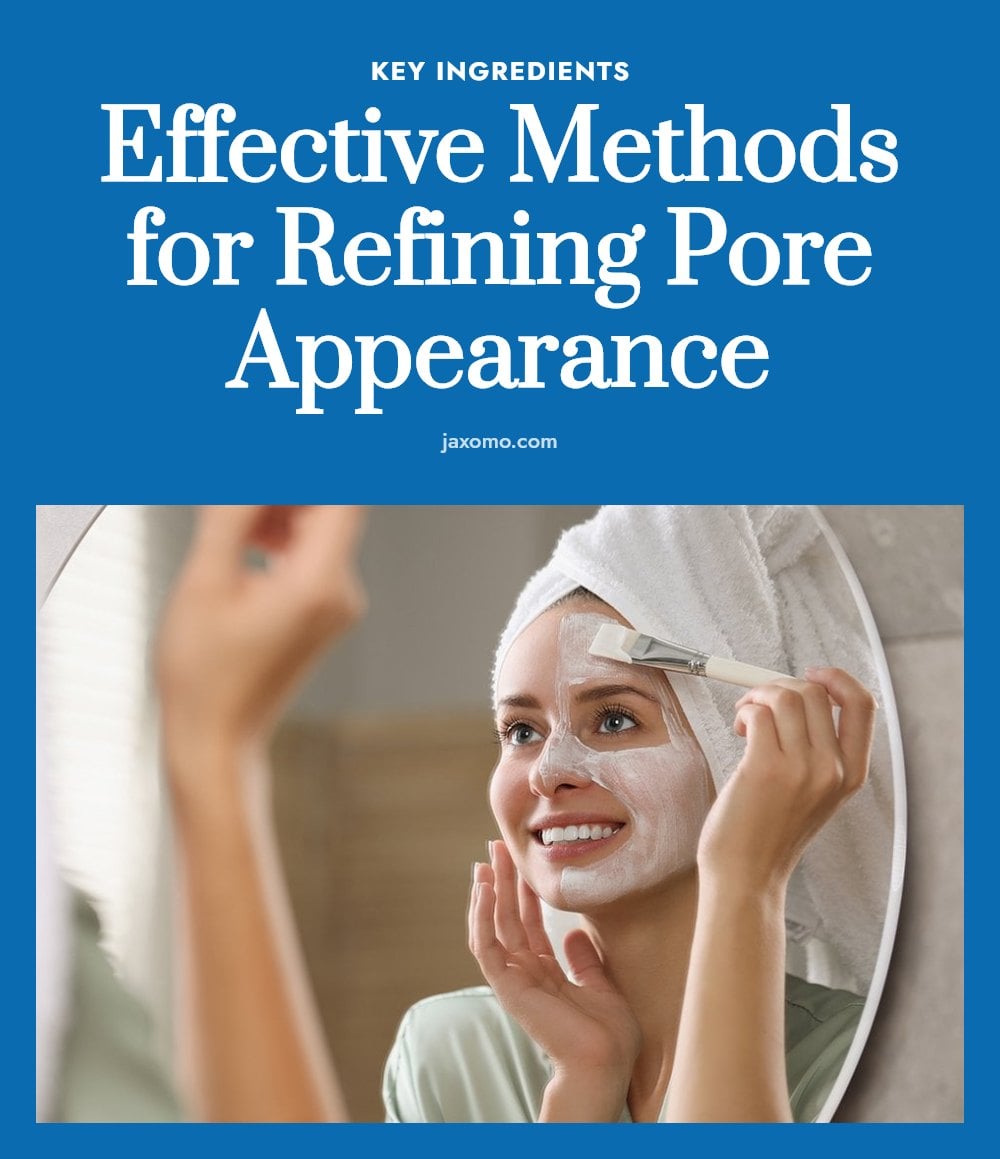
Each ingredient in your routine has a specific job. Here’s what they do and how to use them safely.
Key Ingredients and How to Use Them
- Salicylic acid: A beta hydroxy acid (BHA) that penetrates deep into pores to dissolve oil and dead skin. Use in a cleanser or leave-on treatment 2-3 times a week. Caution: Start slowly to avoid over-exfoliation.
- Retinoids (retinol, tretinoin): These vitamin A derivatives speed up cell turnover, control oil, and boost collagen. Use at night, starting with a pea-sized amount every other day. Caution: Can cause dryness and sensitivity; always use sunscreen in the morning.
- Niacinamide: This form of vitamin B3 regulates oil production and strengthens the skin barrier. Use a serum with 2-5% niacinamide daily, morning or night. My tip: It pairs well with retinoids to reduce irritation.
- Glycolic acid: An alpha hydroxy acid (AHA) that exfoliates the surface and supports collagen. Use a toner or serum 1-2 times a week. Caution: Do not mix with retinoids on the same night.
- Clay masks: They absorb excess oil and impurities from pores. Apply once a week, leave on for 10-15 minutes, then rinse. My tip: Follow with a moisturizer to prevent dryness.
- Sunscreen: Daily broad-spectrum SPF 30+ protects collagen from UV damage. Apply as the last step in your morning routine, even on cloudy days.
Common Mistakes That Make Pores Look Worse
One of the biggest mistakes is believing pores can permanently shrink. They can’t, so focus on minimizing their appearance instead. Another common error is using harsh scrubs or at-home pore vacuums. These can irritate your skin, cause bruising, and even damage the skin barrier, making pores look worse.
Neglecting sun protection is also a problem. Sun damage weakens collagen, which allows pores to appear larger over time. Over-drying oily skin with aggressive products can backfire too, triggering more oil production. And if you expect instant results, you’ll be disappointed. Skincare takes time and consistency, usually several weeks to months, before you see noticeable changes.
Pro Tips for Keeping Pores Clear and Skin Smooth

Don’t let mirrors frustrate you. They can exaggerate the appearance of pores, making them look bigger than they are. Understand that sebaceous filaments, which are oil and dead skin cells, are normal and fill pores. They’re not dirt, so don’t try to scrub them away.
Hydration is key for smoother-looking skin. Well-hydrated skin appears plumper and more even, which makes pores less noticeable. If you want significant structural changes, consider in-office procedures like microneedling or laser resurfacing. These treatments stimulate collagen production and can tighten pores.
Tip: Always patch test new products, especially active ingredients like retinoids, to avoid irritation.
What to Expect: Timeline and Professional Options
With consistent use of topical products, you can expect noticeable improvements in pore appearance within several weeks to months. Professional treatments like microneedling or laser resurfacing offer more dramatic structural changes, but they typically require multiple sessions for optimal results.
Costs vary widely: topical products are generally affordable, while professional treatments range from moderate to high cost. Weigh the investment against your goals and budget.
When to Consult a Dermatologist
See a dermatologist if you experience persistent redness, burning, or severe breakouts. These could signal irritation or an underlying condition that needs medical attention. Also consult a pro if you have concerns about severe acne or other skin issues.
If over-the-counter products aren’t delivering the results you want, a dermatologist can recommend stronger options. They can also discuss advanced in-office treatments like microneedling or laser therapy to address structural pore concerns.
Frequently Asked Questions
Are large pores a sign of unhealthy skin?
Not necessarily. Large pores are often genetic or related to skin type, especially oily skin. They can become more noticeable with age or sun damage, but having them doesn’t mean your skin is unhealthy. However, if pores are clogged or inflamed, that could indicate a need for better cleansing or exfoliation.
Can diet affect pore size?
Diet may play a minor role in skin health, but there’s no direct evidence that specific foods change pore size. A balanced diet rich in antioxidants supports overall skin health, which can indirectly improve texture. However, genetics and skincare habits have a much larger impact on pore appearance.
How long does it take to see results from pore-minimizing routines?
With consistent use of appropriate products, you can typically expect noticeable improvements within several weeks to months. Retinoids and exfoliants work gradually, and collagen-building effects take time. Patience and consistency are key; don’t expect overnight changes.
Is it bad to use pore strips?
Pore strips can be used, but sparingly. Dermatologists suggest using them at most once a month or every two months, especially if you use retinol, as they can be irritating and may pull off skin. They’re not a long-term solution, so focus on daily cleansing and exfoliation instead.
Final Thoughts
To see real change, commit to a consistent routine that includes gentle cleansing, chemical exfoliation, and oil-controlling ingredients like niacinamide or retinoids. Pair this with daily sunscreen and a non-comedogenic moisturizer, and you’ll likely notice smoother, less noticeable pores within a few weeks to months. Remember, perfection isn’t the goal; healthy, clear skin is. Stick with it, and don’t let the mirror dictate your confidence.
This article is for general informational purposes only and does not constitute medical or professional advice. Always consult a dermatologist or healthcare provider for persistent skin concerns or before starting new treatments, especially if you have sensitive skin or underlying conditions.