How to Stop Overworking and Find Balance Again
Learn practical strategies to stop overworking, set healthy boundaries, and regain control of your well-being for a more balanced life.

Feeling like work never ends, even after you close your laptop? You’re not alone. Overworking isn’t just about long hours; it’s the constant mental load, the guilt, and the exhaustion that follow you home. This article breaks down why you overwork, offers practical strategies to reclaim your time, and helps you spot the traps that keep you stuck. You’ll find simple steps to set boundaries, manage your energy, and build a more balanced life.
Key Takeaways
- Set firm start and end times for your workday and stick to them.
- Schedule short breaks throughout the day to improve focus and productivity.
- Use the Eisenhower Matrix to prioritize urgent and important tasks.
- Delegate tasks when possible to lighten your workload.
- Seek professional help if you experience persistent burnout symptoms.
Why Overworking Is More Than Just Long Hours
Overworking isn’t just about the hours you spend at your desk. It’s the constant mental replay of work tasks, the emails you check before bed, and the guilt you feel when you step away. That ongoing mental and emotional burden is what truly drains you, leading to chronic stress that shows up as fatigue, irritability, and trouble focusing. The real goal isn’t simply to cut your hours. It’s to build a sustainable work-life balance that supports both your productivity and your health.
Understanding the Root Causes of Overworking
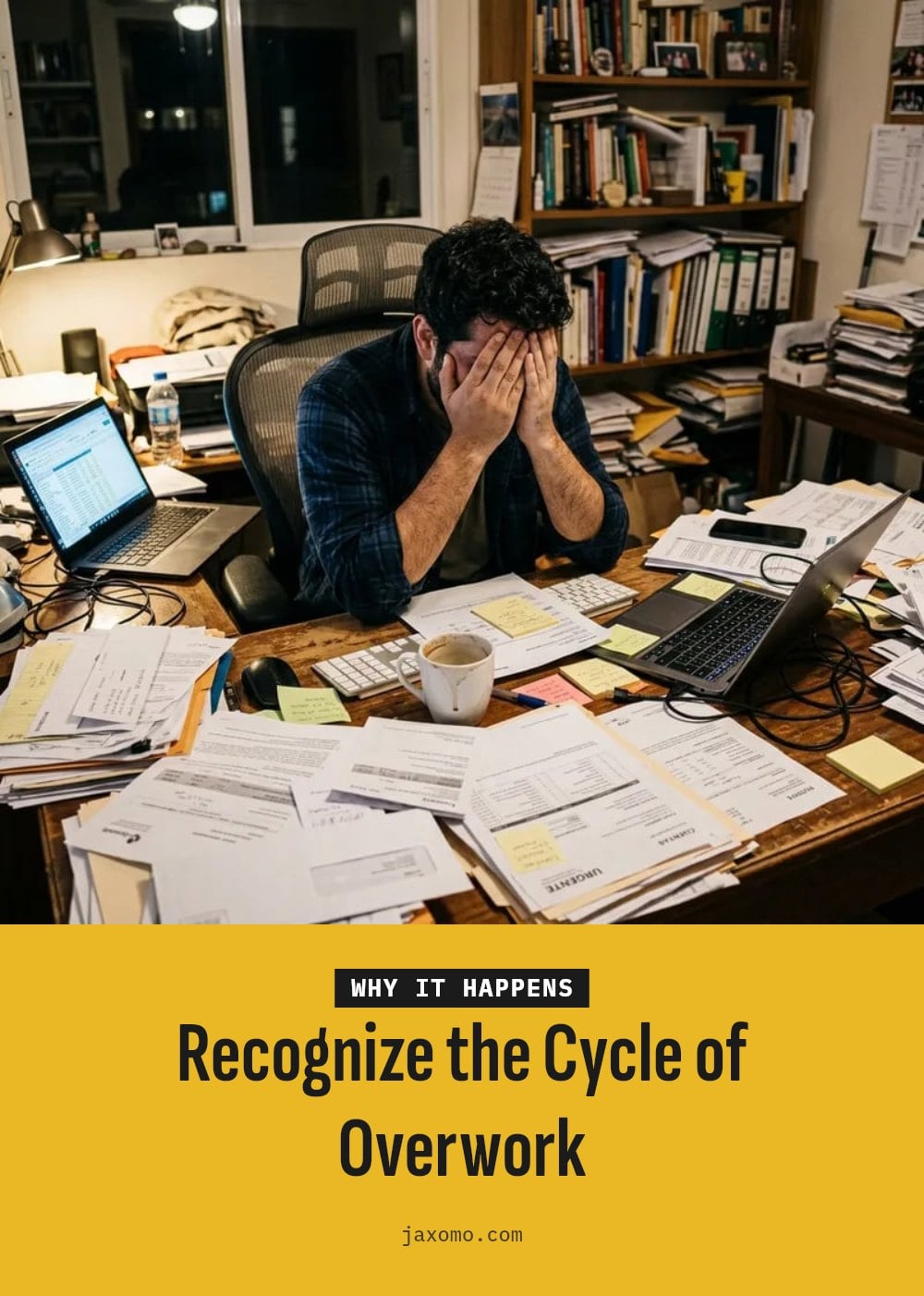
Understanding why you overwork is the first step to stopping it. Many common beliefs and habits quietly drive the cycle.
Common Root Causes
- Mistaking hours for output: Believing that longer hours mean better results is a widespread misconception. Productivity depends on focus and efficiency, not time spent.
- No boundaries between work and life: When you don’t set clear lines, work seeps into evenings, weekends, and vacations. It becomes a constant presence.
- Ignoring early warning signs: Fatigue, irritability, and trouble concentrating are your body’s signals. Hoping they’ll go away on their own usually makes things worse.
- Guilt about taking breaks: Many people feel they don’t deserve rest or self-care. That guilt pushes them to keep working when they should stop.
- Not speaking up: If you don’t communicate your workload or capacity limits to your manager, they can’t adjust expectations or offer support.
- Doing everything yourself: Refusing to delegate or ask for help leads to an overwhelming pile of tasks that no one person can handle well.
Effective Strategies to Reclaim Your Time and Energy
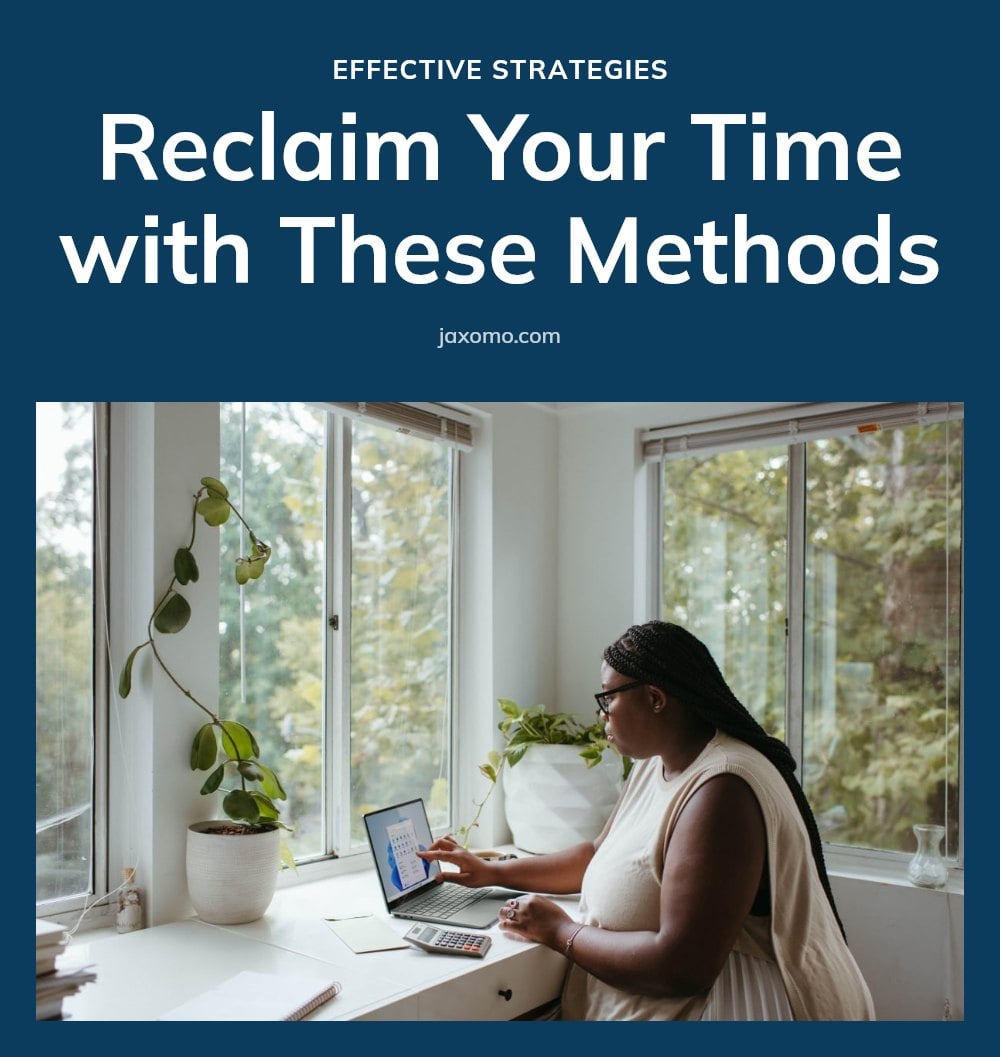
Reclaiming your time and energy starts with small, consistent actions. Here are strategies that actually work.
Set Firm Work Hours
Decide on a start and end time for your workday and treat them like non-negotiable appointments. When the workday ends, stop. No checking emails or finishing one more task.
Schedule Breaks
Short breaks throughout the day improve focus and prevent mental fatigue. Even five minutes away from your screen can reset your attention. Tip: Use a timer to remind yourself to stand up and stretch every hour.
Prioritize With Purpose
Use the Eisenhower Matrix to sort tasks by urgency and importance. Focus on what truly matters, not just what feels urgent. This helps you stop wasting energy on low-priority items.
Delegate and Share the Load
Hand off tasks that others can handle. Delegating lightens your workload and gives team members a chance to contribute and grow.
Protect Your Personal Time
Engage in hobbies, exercise, or simply relax. These activities are not optional; they are essential for mental and emotional rejuvenation.
Prioritize Sleep
Most adults need 7-9 hours of sleep per night. Adequate rest counteracts the negative effects of continuous work and improves your decision-making the next day.
Communicate Boundaries
Tell your manager and team what you can realistically handle. Clear communication prevents misunderstandings and sets realistic expectations.
Practice Saying No
When your plate is full, say no to additional tasks. It’s a vital skill for protecting your time and energy.
Common Overworking Traps and How to Avoid Them
Even with good intentions, it’s easy to fall into common overworking traps. Here’s how to spot and avoid them.
- Believing More Hours Equals More Productivity: This is a myth. Quality over quantity is key. Focus on efficient work within reasonable hours.
- Ignoring Early Signs of Burnout: Don’t wait until you’re completely exhausted. Pay attention to fatigue, irritability, and difficulty concentrating, and address them promptly.
- Feeling Guilty About Self-Care: Taking breaks, sleeping, and pursuing hobbies are not luxuries. They are essential for your well-being and long-term productivity.
- Failing to Communicate Workload: Your manager can’t help if they don’t know you’re struggling. Be proactive in discussing your capacity and potential bottlenecks.
- Trying to Be a Perfectionist on Every Task: Not every task requires 100% perfection. Learn to identify when ‘good enough’ is truly good enough, saving your energy for critical items.
Tools and Habits for a Balanced Work Life
A planner or calendar is your anchor for visualizing your week. I use a physical one to block out both work hours and personal time, which makes it harder for work to creep into evenings. Time management apps like Trello or a simple reminder app help you organize tasks and set deadlines without forgetting anything.
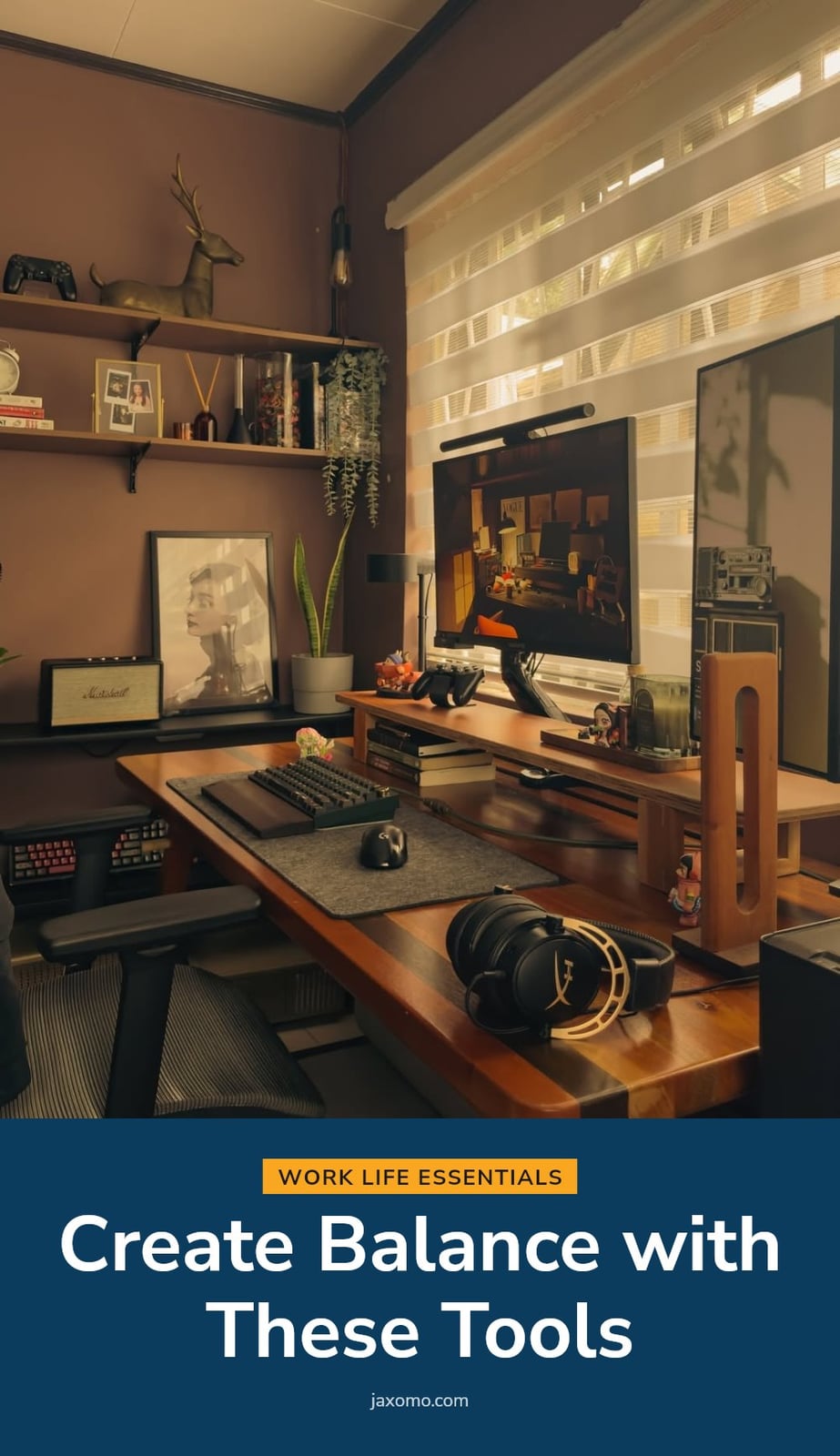
Noise-canceling headphones can be a lifesaver in a busy office or noisy home. They create a focused bubble that minimizes distractions. A comfortable workspace setup, an ergonomic chair, proper lighting, a tidy desk, reduces physical strain and keeps your mind clear during work hours.
A journal for reflection is my favorite tool for catching patterns. A few minutes writing about your stress levels or work habits can reveal when you’re slipping into overworking. It’s a simple way to stay aware and adjust before burnout sets in.
When to Seek Professional Help for Overworking Symptoms
If you experience persistent symptoms of burnout, severe emotional exhaustion, cynicism, or a reduced sense of personal accomplishment, it is time to consult a healthcare professional. These signs go beyond typical tiredness and may require medical attention. Seek help if you struggle with severe anxiety, depression, or panic attacks that you suspect are linked to work stress. Do not ignore these symptoms or hope they resolve on their own.
Consult a doctor if you develop physical health issues such as chronic headaches, digestive problems, or cardiovascular symptoms that may be worsened by stress. Chronic overworking can contribute to serious health conditions. Do not attempt to self-diagnose or manage severe stress or burnout without professional guidance, especially if your symptoms are debilitating or significantly impact your daily life.
Frequently Asked Questions
What are the long-term effects of overworking?
Chronic overworking can lead to serious health conditions, including cardiovascular problems, a weakened immune system, and mental health disorders. It also raises your risk of burnout, which brings emotional exhaustion and cynicism. If you notice these patterns, it’s wise to talk to a healthcare professional early.
How can I tell if I’m truly overworking or just busy?
Overworking shows up as persistent fatigue, irritability, trouble concentrating, and sleep problems, even after a busy but normal day. If you constantly think about work during off hours or feel guilty when you step away, that’s a clue. Busy periods pass, but overworking becomes a chronic state.
Is it possible to enjoy my job without overworking?
Yes, enjoying your job and maintaining balance are not opposites. Focus on quality over quantity, set clear boundaries, and take regular breaks to sustain your energy. Many people find that working smarter, not longer, actually increases satisfaction and reduces stress.
What if my workplace culture encourages overworking?
When the culture rewards long hours, start by communicating your workload and capacity with your manager. Suggest more efficient ways to meet goals, and model healthy boundaries yourself. If the pressure continues and your health suffers, consider whether this environment is sustainable for you.
How do I say no to extra tasks without offending my boss?
Be direct and honest about your current workload. Say something like, ‘I can’t take this on right now without compromising quality on my existing projects.’ Offer an alternative, such as a later deadline or delegating to someone else. This shows you’re thoughtful, not unwilling.
Final Thoughts
Start by picking one strategy, like setting a firm end time or scheduling a daily break, and commit to it for a week. Consistency over weeks and months is what brings real change, not a single overhaul. Expect gradual improvements in your energy and mood as you build these habits. Remember, balance isn’t a destination; it’s a daily practice you can keep refining.
This article is for general information only and is not medical or professional advice. If you experience persistent burnout, severe anxiety, depression, or physical health issues related to stress, please consult a healthcare provider or mental health professional.