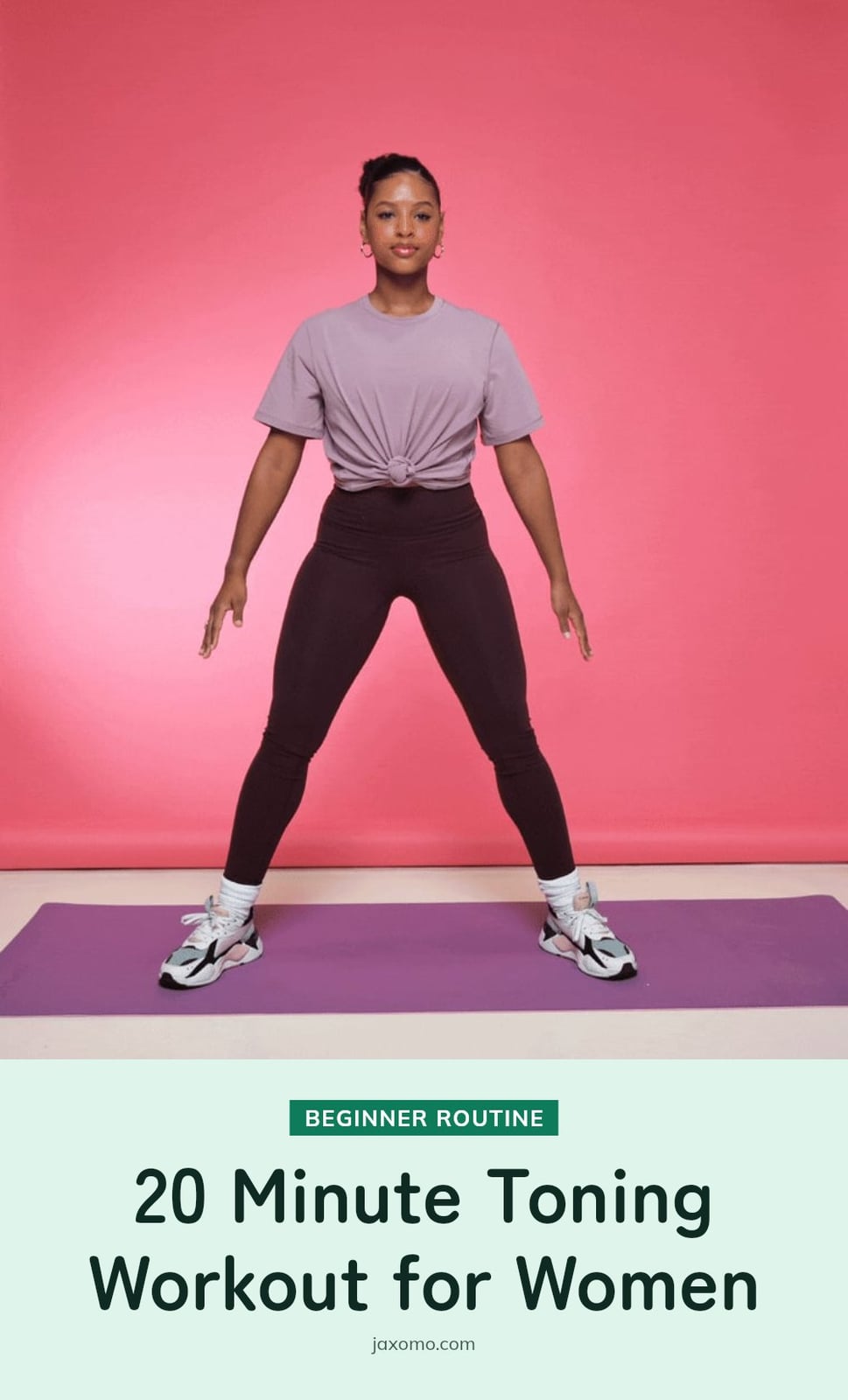
Mastering Stretching: A Guide to Full-Body Flexibility
Learn how to perform effective stretching exercises for your entire body to increase flexibility and reduce muscle stiffness.

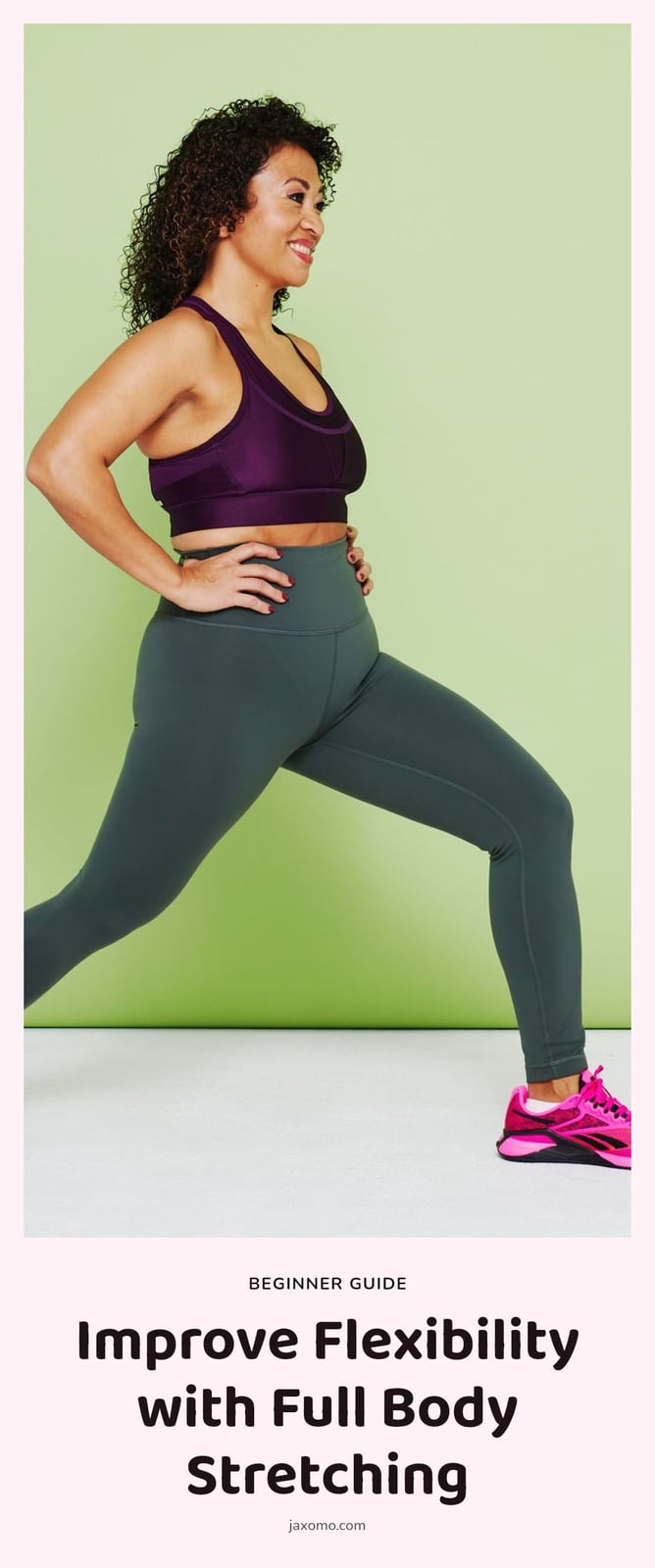
You probably know you should stretch, but figuring out the right type, timing, and technique can feel confusing. Whether you want to touch your toes, ease stiff shoulders, or just move more freely throughout the day, this guide breaks down the essentials. I’ll walk you through the main stretching methods, when to use each one, common mistakes to skip, and how to build a routine that actually works for your body.
Key Takeaways
- Warm up with 5-10 minutes of light cardio before static stretching to reduce injury risk.
- Hold static stretches for 20-30 seconds and never bounce or jerk into a stretch.
- Use dynamic stretches in your warm-up and static stretches after a workout.
- Aim for 2-3 dedicated stretching sessions per week for noticeable flexibility gains.
- Stop immediately if you feel sharp pain and consult a professional for pre-existing injuries.
What is Stretching and Why is it Important?
Stretching is the practice of elongating your muscles and tendons to improve their elasticity and increase the range of motion around your joints. It’s a fundamental part of a healthy routine because it directly boosts flexibility, helps reduce muscle stiffness, and can enhance your overall physical performance. By making your muscles more pliable, you may also lower your risk of injury during other activities.
Different Types of Stretching and When to Use Them
Not all stretching is the same. Each type has a specific purpose and timing. Here is a quick breakdown of the main methods and when to use them.
| Type | How It Works | Best Time to Use |
|---|---|---|
| Static | Holding a position for 20-30 seconds without moving. | Cool-down, after a workout when muscles are warm. |
| Dynamic | Moving a body part through its full range of motion. | Warm-up, before exercise or sports. |
| PNF | Contracting, then relaxing a muscle before stretching it. | Post-workout, often with a partner or trainer. |
| Ballistic | Bouncing or jerking into a stretch. | Not recommended; high injury risk. |
For most people, dynamic stretches before a workout and static stretches after are the safest and most effective choices.
Essential Tools for Your Stretching Routine
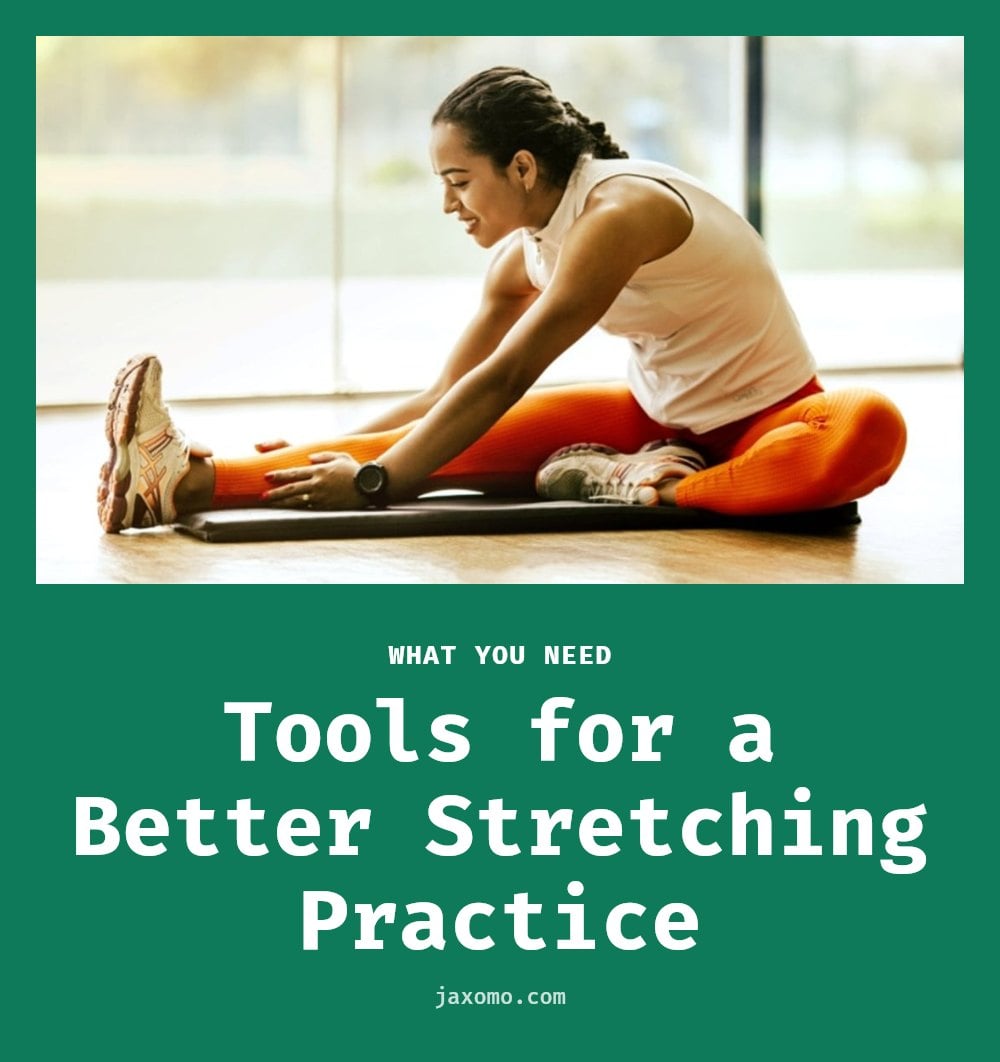
You don’t need much equipment to start stretching, but a few simple tools can make the process more comfortable and effective.
- Yoga mat: Provides cushioning and grip, especially on hard floors.
- Stretching strap or towel: Helps you ease into deeper stretches without straining.
- Foam roller: Useful for self-myofascial release to loosen tight muscles before stretching.
How to Perform Basic Full-Body Stretches Safely
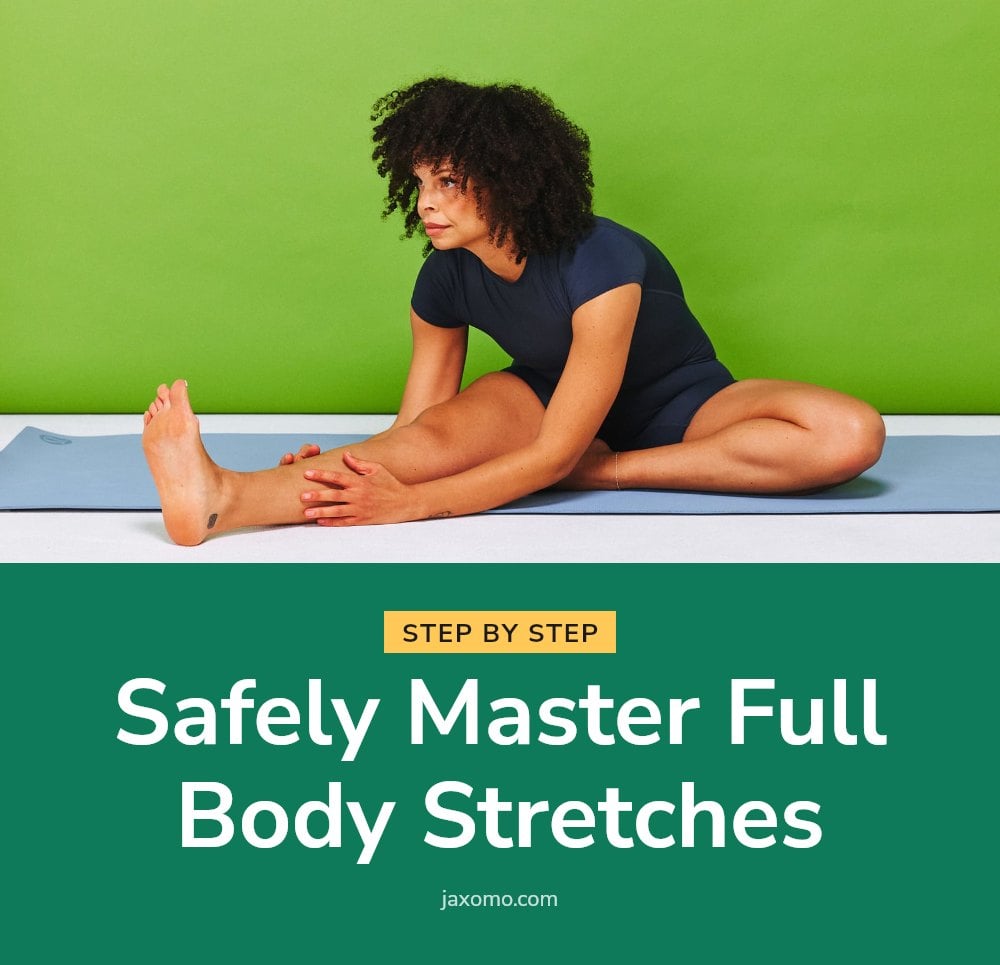
Before you start any static stretching, warm up your muscles first. Do 5-10 minutes of light cardio like brisk walking, jogging in place, or jumping jacks. Warm muscles are more pliable and less prone to injury.
- Warm up first: Light cardio for 5-10 minutes raises your core temperature and increases blood flow to your muscles. This prepares them for deeper stretching.
- Hold each stretch steadily: For static stretches, aim for 20-30 seconds per stretch. Holding for less than 15 seconds may not effectively improve flexibility. Do not bounce or jerk; keep the position still.
- Breathe deeply throughout: Inhale deeply before you ease into the stretch, then exhale slowly as you move into it. Continue breathing steadily. Holding your breath increases muscle tension and reduces the stretch’s effectiveness.
- Stretch both sides equally: After holding a stretch on one side, repeat it on the other side for the same amount of time. This prevents muscle imbalances and ensures balanced flexibility.
- Listen to your body: You should feel a mild pull or tension, never sharp pain. If you feel a sharp, sudden pain, stop immediately. Pushing past pain can cause injury. Focus on your own progress, not how far others can stretch.
Tip: Consistency matters more than intensity. Even a few minutes of proper stretching several times a week will yield better results than occasional intense sessions.
Common Stretching Mistakes to Avoid
Stretching cold muscles is one of the most common mistakes. Without a warm-up, your muscles are less pliable, which increases the risk of a strain. Spend 5-10 minutes on light cardio like walking or jumping jacks first.
Bouncing during a stretch, known as ballistic stretching, can trigger the stretch reflex. This causes the muscle to contract rather than relax, making the stretch less effective and raising injury risk. Hold each position steady instead.
Not holding a stretch long enough also limits results. For a static stretch, aim for 20-30 seconds; anything under 15 seconds may not improve flexibility. And don’t hold your breath. Breathing deeply and consistently helps your muscles relax and reduces tension.
Caution: Ignoring pain signals is a fast track to injury. A mild pull is normal, but sharp pain means stop. Finally, avoid only stretching the muscles you use most. Neglecting opposing muscle groups, like the back of your legs if you always stretch your quads, can create imbalances over time.
How Often and How Long to Stretch for Best Results
For general flexibility, aim for 2-3 dedicated stretching sessions per week. You can also incorporate short stretches into your daily warm-up and cool-down routines. Even 5-10 minutes after a workout makes a difference.
Consistency matters more than intensity. Stretching once a week for an hour is less effective than doing 10 minutes most days. Plan to stick with it for several weeks to months before you see noticeable changes in your range of motion.
When to Consult a Professional for Stretching
Stop any stretch immediately if you feel sharp, sudden pain. This is a signal that something is wrong, not a sign to push harder.
If you have a pre-existing injury or chronic pain, consult a doctor or physical therapist before starting a new stretching routine. They can recommend safe modifications for your condition.
Pro move: Seek professional guidance for PNF stretching, especially if you are new to it. This technique involves contracting and relaxing the muscle and can be intense, so a trained partner or therapist helps ensure you perform it safely.
Frequently Asked Questions
How often should I stretch to see results?
For general flexibility, aim for 2-3 dedicated stretching sessions per week. You can also add short stretches to your daily warm-up or cool-down. Consistency matters more than intensity, so even 5-10 minutes most days will yield better results than one long session per week.
Can stretching help with muscle soreness after a workout?
Many people find that gentle stretching can help ease muscle soreness after exercise by increasing blood flow to the area. However, the evidence is mixed, and stretching alone won’t prevent or cure delayed onset muscle soreness. Light movement, hydration, and rest are also important.
Is it better to stretch in the morning or evening?
There’s no single best time; it depends on your goals. Morning stretching can help wake up your body and improve flexibility throughout the day, while evening stretching may promote relaxation and reduce stiffness from the day. The most important factor is consistency, so choose a time you can stick with.
What’s the difference between flexibility and mobility?
Flexibility is the ability of your muscles and tendons to lengthen, allowing a joint to move through its range of motion. Mobility includes flexibility plus control and strength through that range. Good mobility means you can actively move a joint without compensation elsewhere, which is key for functional movement and injury prevention.
Can I stretch if I have a back injury?
If you have a back injury or chronic back pain, it’s essential to consult a doctor or physical therapist before starting a new stretching routine. Some stretches may aggravate your condition. A professional can recommend safe, targeted movements that support healing without causing harm.
How long should I hold each stretch?
For static stretches, hold each position for 20-30 seconds. Holding for less than 15 seconds may not be effective for increasing flexibility. Repeat each stretch 2-4 times. For dynamic stretches, move through the full range of motion in a controlled way without holding the end position.
Final Thoughts
My biggest tip is to pick one or two stretches you can do consistently after a workout or during a wind-down, rather than trying to overhaul everything at once. Realistic expectation: you’ll likely start feeling less stiff within a few weeks, but significant flexibility improvements take consistent effort over months. The best routine is the one you’ll actually stick with, so keep it simple and listen to your body.
This article provides general information about stretching and is not a substitute for professional medical or fitness advice. If you have a pre-existing injury, chronic pain, or any concerns about your health, consult a doctor, physical therapist, or qualified fitness professional before beginning a new stretching routine.