Portioning Made Easy: How to Eat the Right Amount
Learn effective portioning strategies to eat the right amount of food for your body. Discover practical tips for weight management and overall health.

You’ve probably heard that portion control is key to eating well, but figuring out the right amount can feel confusing. The good news is that portioning doesn’t have to be complicated. This article breaks down what portioning really means, gives you practical tools and step-by-step methods to make it work, and helps you avoid the common mistakes that trip most people up. Whether you want to manage your weight or just feel better after meals, you’ll find simple strategies you can start using today.
Key Takeaways
- Know the difference: a serving size is a label standard, your portion is what you eat.
- Use visual cues like a deck of cards for meat or a tennis ball for fruit.
- Fill half your plate with non-starchy vegetables to add volume without excess calories.
- Drink water 15-20 minutes before meals and eat slowly to help your body register fullness.
- Pre-portion snacks into containers to avoid mindless overeating from large bags.
What Exactly is Portioning and Why Does It Matter?
Portioning means consciously controlling the amount of food you eat at any one time. It’s a direct tool for weight management and better health because it helps you take in the right calories and nutrients without overeating. A common confusion is mixing up a portion (what you choose to eat) with a serving size (a standardized amount on a nutrition label used for comparison). They are not always the same, and knowing the difference is where smart eating starts.
Essential Tools for Mastering Portion Control
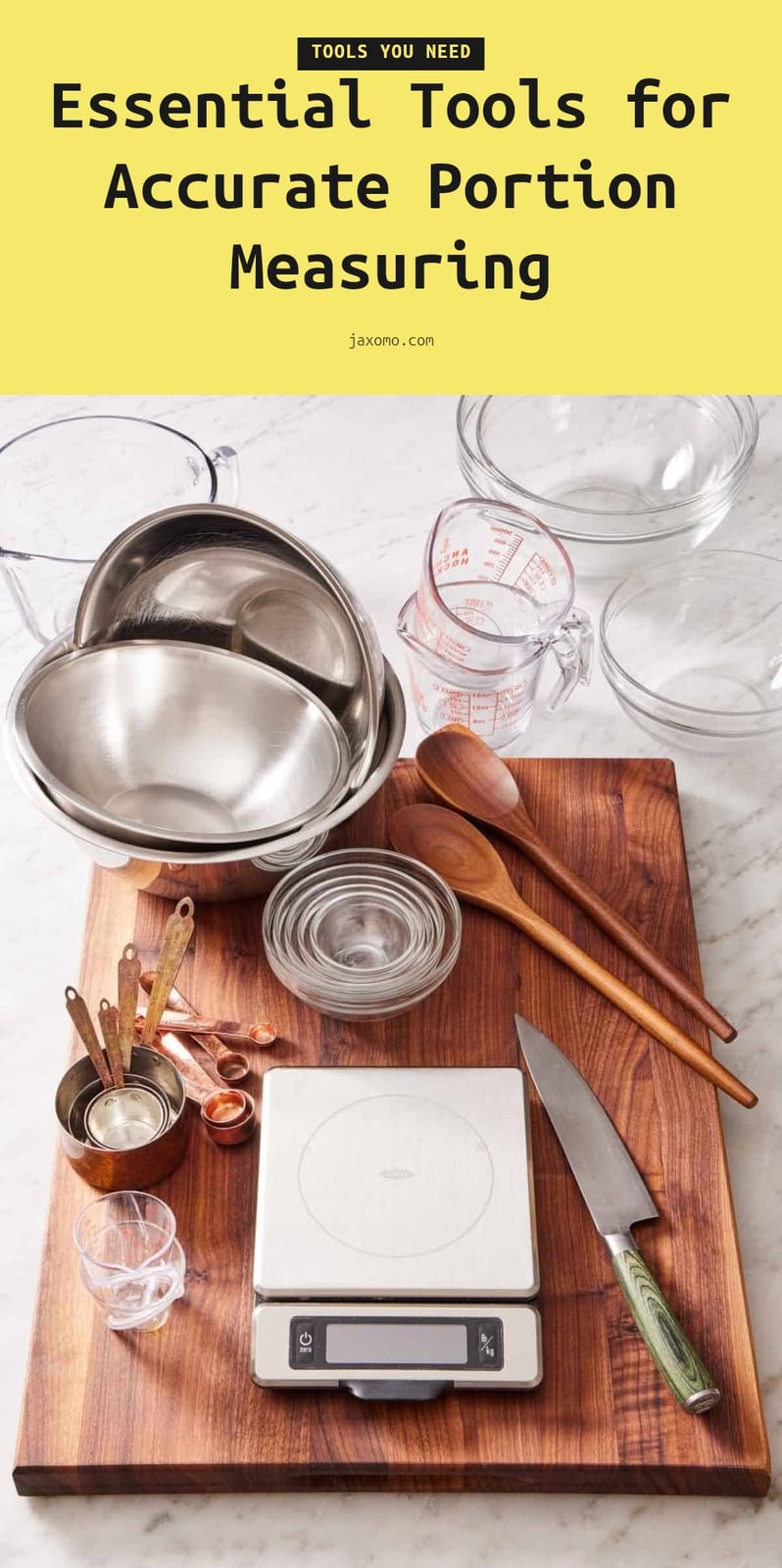
The right tools make portioning consistent and much easier to learn.
- Measuring cups and spoons: Essential when you are starting out. They give you a true sense of what, say, a half-cup of rice really looks like in your bowl.
- Food scale: The most precise tool, especially for foods like meat, cheese, and nuts where a few grams matter.
- Smaller plates and bowls: A visual trick. A normal portion looks larger on a smaller plate, which can help you feel satisfied with less food.
- Portion control plates: These have built-in dividers that show you how much space to give vegetables, protein, and grains.
- Storage containers: Use them to pre-portion snacks and leftovers. This stops you from eating straight from a large package.
Your Step-by-Step Guide to Smart Portioning
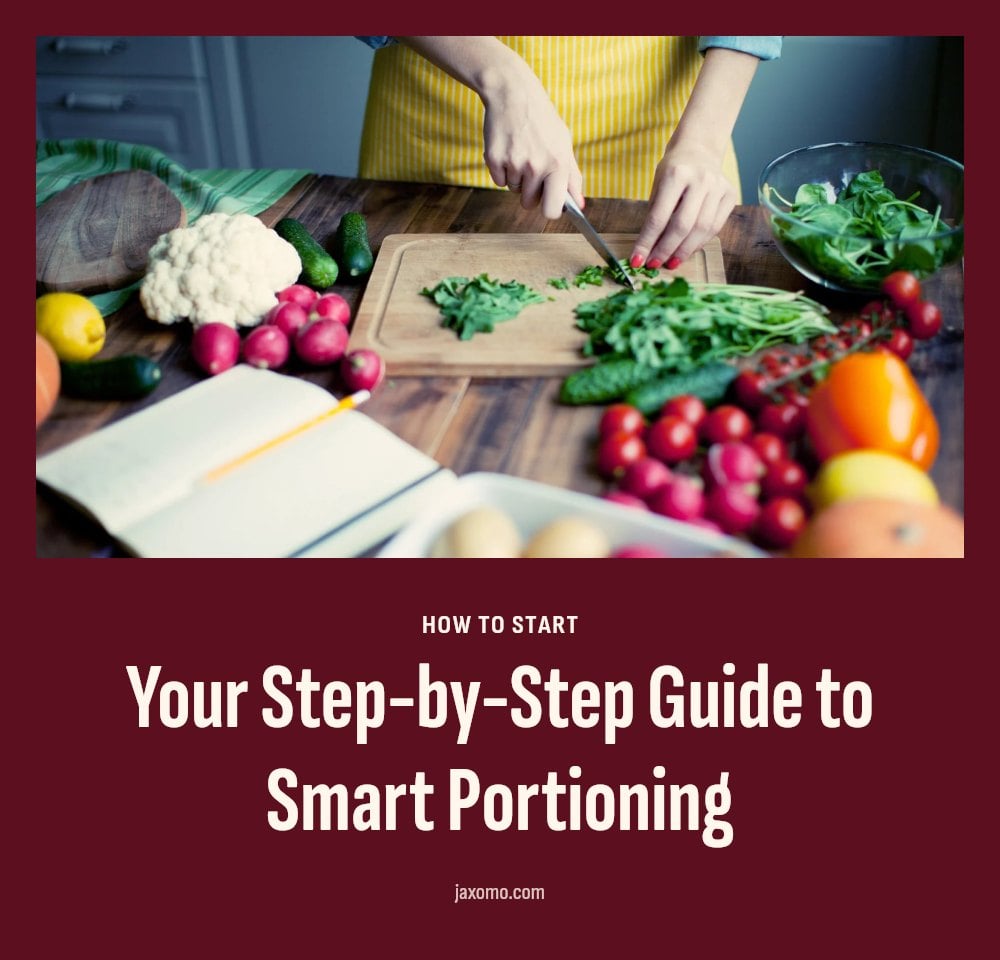
Follow these steps to build a reliable portioning habit that sticks.
- Read nutrition labels: Start by checking the serving size listed on the package. Remember, your portion can be bigger or smaller than that number. The label is just a reference.
- Use measuring tools daily: For the first week or two, measure everything you eat. This trains your eye to recognize proper amounts without guesswork.
- Practice visual cues: Compare food amounts to everyday objects. A serving of meat (3 ounces) is roughly the size of a deck of cards. A portion of fruit is about the size of a tennis ball.
- Fill half your plate with non-starchy vegetables: Vegetables like broccoli, spinach, and bell peppers add volume and nutrients without many calories. They naturally crowd out larger portions of higher-calorie foods.
- Pre-portion snacks: Divide chips, nuts, or crackers into single-serving bags or containers right after you buy them. This prevents mindless overeating from the bag.
- Eat slowly without distractions: Put down your phone and turn off the TV. Chew thoroughly. It takes about 20 minutes for your brain to register fullness, so slowing down helps you stop at the right time.
Different Approaches to Portioning for Every Lifestyle
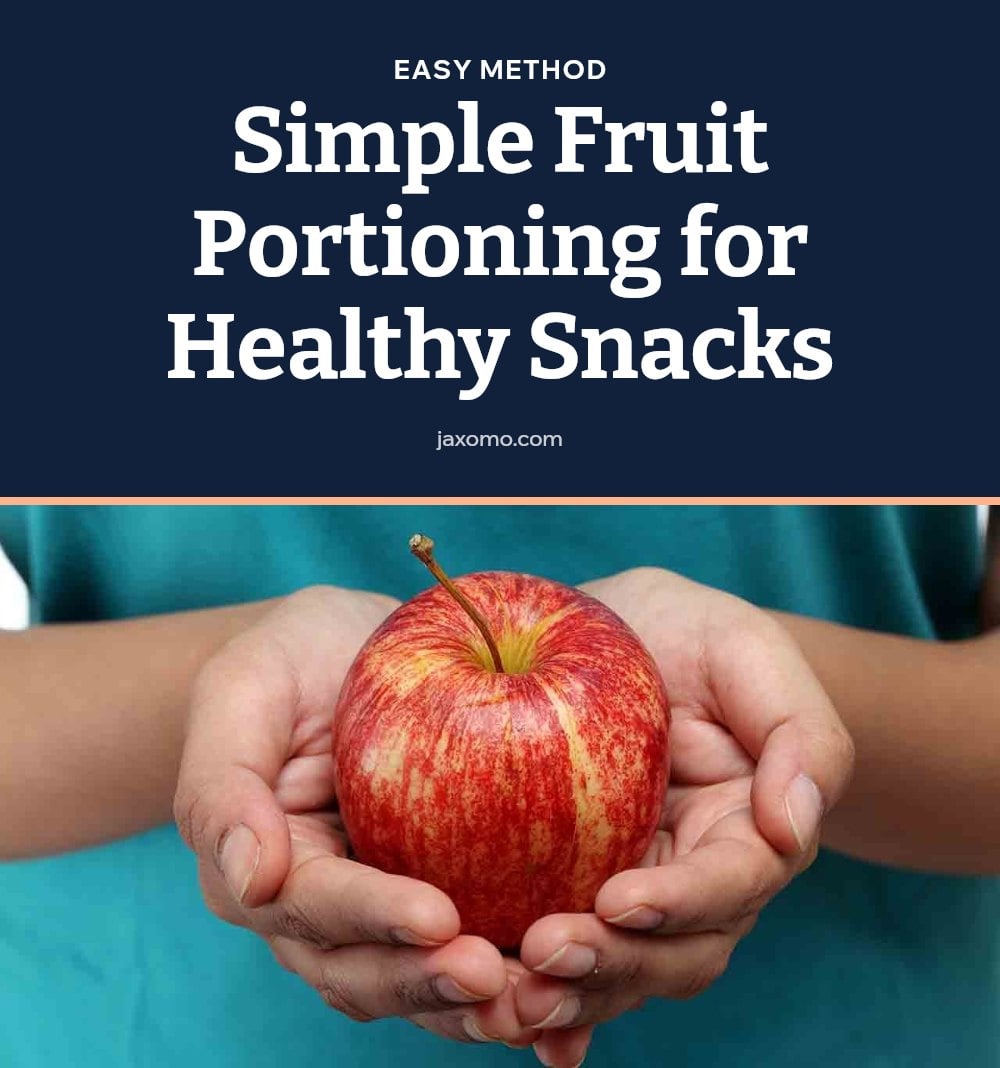
Different methods work for different people. Pick the one that fits your daily routine best.
Hand Method
Your hand is a portable guide. A palm-sized portion is right for protein (chicken, fish, tofu). A cupped hand equals a serving of grains or starches. A thumb-sized amount works for fats like oil or nut butter. Two cupped hands represent your vegetable portion.
Tip: This method is fast and works anywhere, but it is less precise than measuring. Use it when you are eating out or in a hurry.
Plate Method
Divide your plate into sections: half for non-starchy vegetables, one quarter for lean protein, and one quarter for whole grains or starchy vegetables. Apply these proportions to the plate you are using.
Caution: If your plate is larger than 9 inches, the sections will be too big. Use a smaller plate or reduce the amount in each section.
Pre-Portioned Foods
Buy snacks and meals already packed in single-serving sizes, or prepare your own using containers. This removes the guesswork and temptation to eat more than one portion.
Tip: Pre-portioning works well for high-calorie foods like nuts, cheese, and dried fruit where it is easy to overeat.
Mindful Eating Approach
This method ignores external rules and focuses on your body’s internal signals. Eat when you are moderately hungry, stop when you are comfortably full, and pay attention to taste and texture during the meal.
Caution: Mindful eating takes practice. If you are used to eating quickly or while distracted, start with just one meal a day.
Common Portioning Pitfalls and How to Avoid Them
Confusing portion with serving size: A serving size on a label is a standard reference, but your portion is what you actually eat. They are rarely the same. Check the label, then decide how many servings your meal contains.
Ignoring hidden calories: Sauces, dressings, and oils add calories quickly without adding volume. Measure oil by the teaspoon and dressings by the tablespoon to keep them in check.
Eating too quickly: It takes your brain about 20 minutes to register fullness. Chew thoroughly and put your fork down between bites to slow the pace.
Mindless eating while distracted: Watching TV or scrolling while you eat disconnects you from satiety signals. Sit at a table, plate your food, and focus on the meal.
Believing healthy foods are unlimited: Nuts, avocados, whole grains, and dried fruit are nutrient-dense but calorie-dense too. Portion them just as you would any other food.
Smart Tips to Boost Your Portioning Success

Prioritize Protein and Fiber: Protein and fiber are the most satiating nutrients. Include a lean protein source and vegetables at each meal to stay full longer and reduce cravings between meals.
Hydrate Smart: Drink a glass of water 15-20 minutes before you eat. Thirst can mimic hunger, and water before a meal helps you recognize true fullness sooner.
Avoid Eating from Containers: Always transfer chips, nuts, or ice cream to a bowl. Eating directly from the bag or carton makes it nearly impossible to track how much you’ve had.
Don’t Skip Meals: Skipping a meal often leads to ravenous hunger later, which overrides portion control. Aim for three balanced meals plus one or two planned snacks each day.
Listen to Your Body: Stop eating when you are comfortably satisfied, not stuffed. Ignore the “clean plate” rule and check in with your hunger level halfway through the meal.
When to Seek Professional Guidance for Portioning
If you have a chronic condition such as diabetes, kidney disease, or a digestive disorder, a registered dietitian can tailor portion recommendations to your medical needs.
If you find yourself obsessing over portion sizes, feeling guilty after eating, or restricting food excessively, speak with a healthcare provider or a mental health professional. Those behaviors may signal disordered eating.
Children, pregnant individuals, and people with specific allergies or medical conditions have unique nutritional needs that require professional oversight for safe portioning.
Frequently Asked Questions
What is the difference between a portion and a serving size?
A serving size is a standardized amount listed on nutrition labels, used for comparison. A portion is the amount you actually choose to eat, which can be larger or smaller than a serving. Understanding this difference helps you use labels as a reference without feeling tied to them.
Can I still enjoy my favorite foods while portioning?
Yes, absolutely. Portioning isn’t about eliminating foods, it’s about controlling amounts. You can include treats by measuring a reasonable portion and eating it slowly, without guilt. The key is balance and consistency, not perfection, so your favorite foods can fit into a healthy eating pattern.
How can I track my portions without obsessing over food?
Focus on simple visual cues and routines rather than counting every calorie. Use the hand method for protein and grains, fill half your plate with vegetables, and pre-portion snacks. These habits become automatic over time, reducing the need to obsess. If you find yourself overly fixated, consider talking to a professional.
Is portioning only for weight loss?
No, portioning helps anyone maintain a balanced diet, whether you want to lose, gain, or maintain weight. It ensures you get the right mix of nutrients without overeating. Athletes, growing teens, and older adults all benefit from understanding portion sizes to meet their energy needs.
How can I estimate portion sizes without measuring tools?
Use everyday objects as visual references. A deck of cards is about the size of a serving of meat, a tennis ball equals a serving of fruit, and a cupped hand works for grains. These cues are handy when you’re eating out or don’t have measuring cups available.
Final Thoughts
Start with one simple change: use measuring cups and spoons for a week to see what real portions look like. That alone will sharpen your eye. Then pick one method, like the hand method or smaller plates, and stick with it. Expect gradual progress over weeks to months, not overnight results. The goal is a sustainable habit, not perfection. If you have a medical condition or notice obsessive thoughts around food, talk to a professional. With practice, portioning becomes second nature and you’ll feel more in control at every meal.
This article is for general informational purposes only and is not a substitute for professional medical or nutritional advice. If you have a health condition, are pregnant, or are caring for a child, consult a doctor or registered dietitian for personalized guidance. If you experience disordered eating thoughts or behaviors, seek professional help.